Citrus Syrup with Ginger and Lemon Peel
By Emma
Certified Culinary Professional
·
Recipe tested & approved
Ginger hits the syrup off heat — that’s the move. Keeps it bright instead of cooked-down tasting. Takes 30 minutes total, mostly waiting around while it steals flavor from the peel and ginger you just threw in.
Why You’ll Love This Citrus Syrup
Shakes into anything. Coffee, sparkling water, cocktails, tea — the drink just gets better. Works cold straight from the fridge or warm. Honestly tastes best the next day when the citrus settles into something deeper.
One small pot. Ten minutes of actual work. Everything else is steeping while you do something else.
Keeps two weeks, maybe longer. Haven’t tested it. Probably fine.
Tastes nothing like the syrup you buy. Actual ginger. Actual lemon peel. Not extract flavor that fades.
What You Need for Citrus Syrup
Water and agave syrup are the base — that’s 140 milliliters and 100 milliliters if you’re measuring exactly. Honey goes in too, 25 milliliters worth. Both the agave and honey dissolve into each other when they get warm. The sweetness needs both to taste right. One alone tastes thin.
Ginger. Fresh. A tablespoon grated up. The little pieces steep into the liquid and make it spicy and warm.
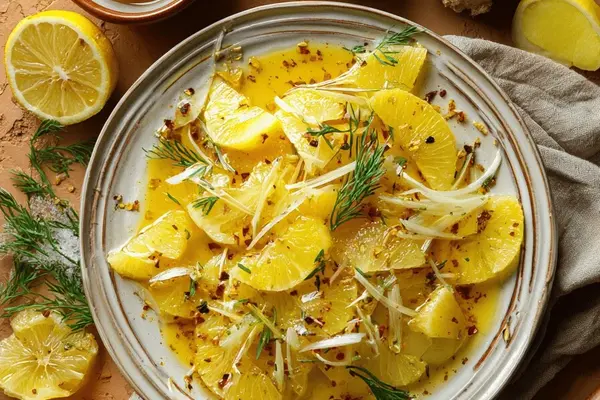
Lemon peel. Just the peel, not the white part underneath — that goes bitter and ruins everything. Finely grated so it releases flavor fast. A teaspoon of it.
That’s it. Orange peel works if you don’t have lemon. Actually yuzu if you can find it — yuzu syrup recipe territory. Lime’s too sharp by itself but works mixed. Don’t bother with dried. Tastes like nothing.
How to Make Citrus Syrup
Pour the water into a small saucepan. Add the agave syrup and honey. Turn the heat on medium, not high. You want it bubbling at the edges, not a rolling boil — that’s the difference between dissolving the sweeteners and cooking them into caramel. Stir until both syrups disappear into the water completely. Shouldn’t take more than a couple minutes.
The second it starts bubbling at the edges, pull it off heat. Immediately add the ginger and lemon peel. Don’t wait. Don’t let it keep heating. Cover the pan with a lid right away — trapping the steam and aromas in there is the whole point. The ginger and peel steep while the residual heat does the work.
Leave it covered. Twelve minutes minimum. Walk away. After about five minutes, lift the lid and smell it. You’re waiting for the sharp ginger-lemon smell to become something mellow and potent instead of just spicy. When it smells like it’s been there a while, not fresh and loud, that’s when you strain it.
How to Get Citrus Simple Syrup Strained Right
Pour the whole thing through a fine mesh strainer or cheesecloth into a clean bowl. Press the solids down gently with a spoon — you want every drop of syrup out but not hard enough to squeeze the bitter oils from the lemon peel into your liquid. Light pressure. Feel the difference. Too hard and it tastes medicinal.
Let the syrup sit uncovered at room temperature. It’s thickening as it cools. This matters — cool citrus syrup has body. Hot syrup is just liquid. Once it’s no longer hot to touch, pour it into a clean bottle and seal it up tight. Refrigerate for at least 15 minutes before you use it.
Shake it before pouring every time. The natural settling happens. That’s normal. Use it within two weeks. After that the citrus flavor starts fading and it’s just sweet water again.
Citrus Syrup Tips and Common Mistakes
Don’t skip the cooling step. Hot syrup won’t mix into cold drinks right — it’ll separate. Cooling makes it thick enough to actually blend.
The honey and agave need to be measured separate because they dissolve at different rates and create texture together. One without the other and the mouthfeel changes.
Ginger root — the fresh kind from the produce section. Pre-ground ginger is dead flavor. Grate it on a microplane if you have one. If you don’t, just use the small holes on a box grater. Size matters because bigger chunks don’t steep as well.
The lemon peel is just the yellow part. Use a microplane for that too. Zest it directly into the pan after you pull it off heat. The white pith underneath is intensely bitter. Avoid it completely.
You could add more ginger if you want it spicier — just grate more in. Same with lemon peel, but go slow. Too much peel and it tastes like you’re eating the rind.
Orange peel in syrup works just as well if you’re out of lemon. It’s sweeter, less bright. Yuzu syrup recipe if you want to get fancy — yuzu’s more floral and complex. Same method. Different peel.
Citrus Syrup with Ginger and Lemon Peel
Prep:
5 min
Cook:
10 min
Total:
30 min
Servings:
About 250 ml
Ingredients
- 140 ml water
- 100 ml agave syrup
- 25 ml honey
- 1 tablespoon freshly grated ginger
- 1 teaspoon finely grated lemon peel
Method
- 1 Start with water and both sweeteners in a small saucepan. Heat gently until it bubbles at edges, not a rolling boil. Stir to dissolve agave and honey fully.
- 2 Add fresh ginger and lemon peel immediately off the heat. Cover tightly with lid to trap aromas.
- 3 Leave to steep about 12 minutes. Smell frequently. When citrus and ginger scent fades to mellow yet potent, strain through a fine mesh or cheesecloth.
- 4 Press solids lightly to extract every drop but avoid bitter oils from peel getting in.
- 5 Cool syrup uncovered until no longer hot — thickening begins here. Transfer to clean bottle, seal, refrigerate minimum 15 minutes before use.
- 6 Use within two weeks. Shake before pouring since natural settling happens.
Nutritional information
Calories
80
Protein
0g
Carbs
20g
Fat
0g
Frequently Asked Questions About Citrus Syrup Recipe
Can I use this syrup in a cocktail? Yes. Honestly it’s better in cocktails than hot drinks. Mixes clean, adds real citrus and warmth instead of fake sweetness.
How long does citrus simple syrup actually last? Two weeks in the fridge. The flavor fades after that. It won’t spoil but it tastes like nothing anymore.
Should I strain out all the ginger pieces? All of them. The pieces keep steeping even in the cold fridge and eventually taste too strong. Strain completely.
What if I can’t find agave syrup? Use more honey. It works. The texture changes slightly — thinner, more liquid. Still tastes good. Agave and honey together is better, but one works.
Can I use an orange peel instead of lemon? Yes. Sweeter. Not as bright. Orange peel in syrup tastes warmer. Try it both ways and see which you like.
Why does the syrup separate in the bottle? Natural settling. Shake it. That’s why you don’t seal it until after it cools completely — helps prevent too much settling. Some separation always happens though.
You’ll Love These Too
Explore all →
Beet Risotto with Arborio Rice & Ricotta
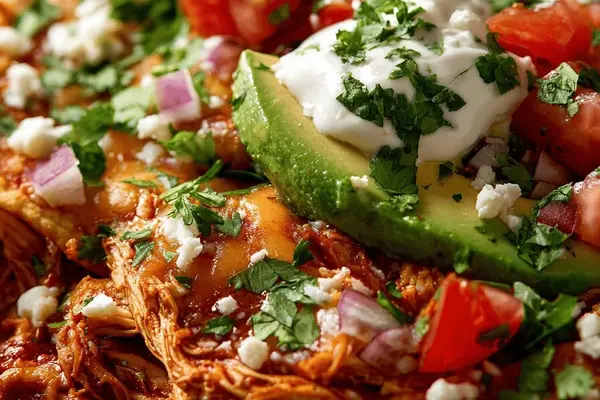
Chilaquiles Recipe with Turkey Broth
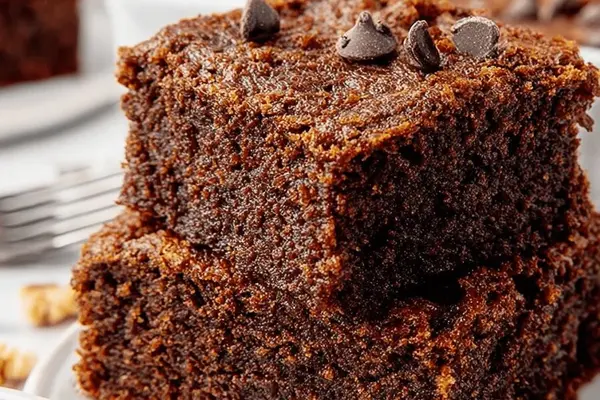
Applesauce Chocolate Brownies Recipe
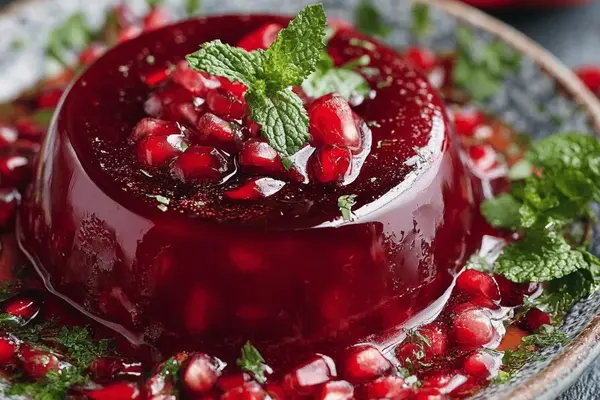
Pomegranate Ginger Jelly with Agar-Agar
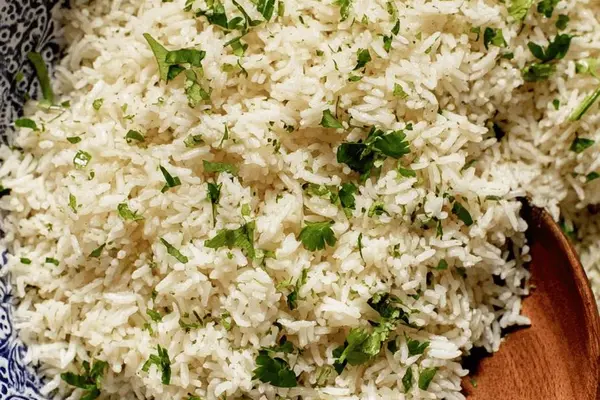
Cilantro Lime Rice Pilaf with Smoked Paprika
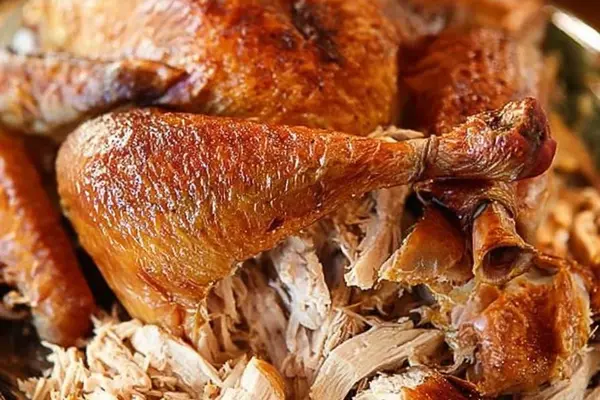
Roasted Turkey Recipe with Smoked Paprika
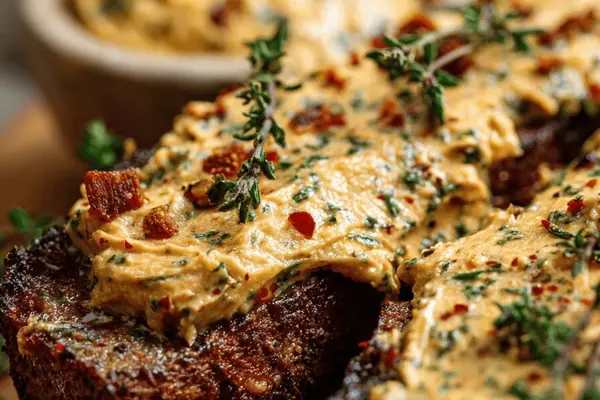
Spiced Bacon-Herb Butter with Dijon
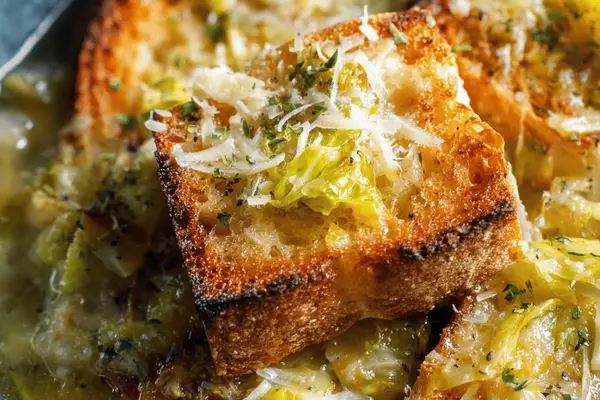
Country Cabbage Soup with Gruyère Cheese
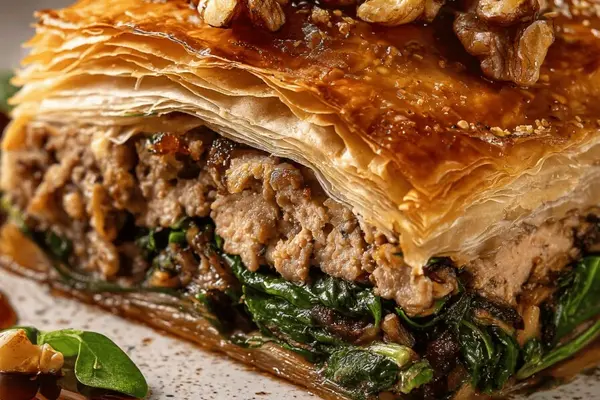
Pork Appetizers with Spinach & Walnuts
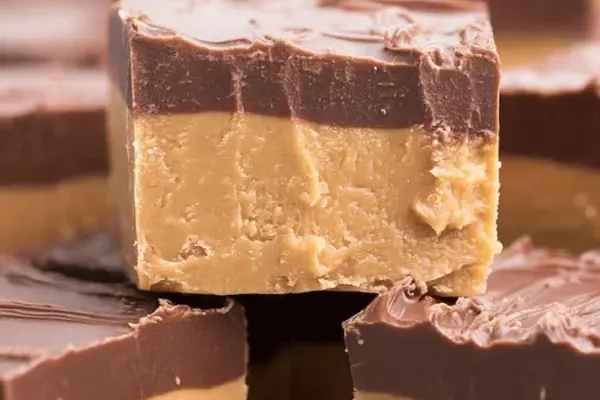
Chunky Peanut Butter Chocolate Fudge
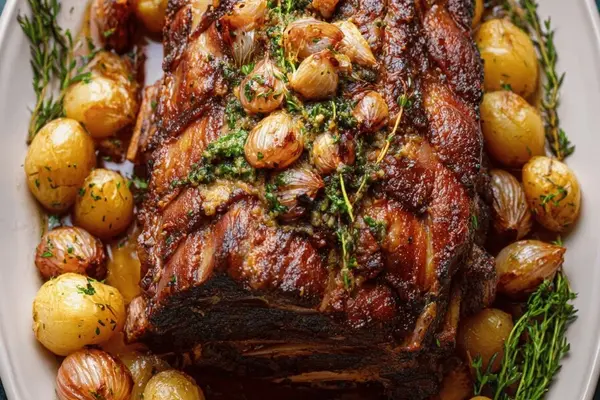
Roasted Roast Beef with Thyme & Horseradish
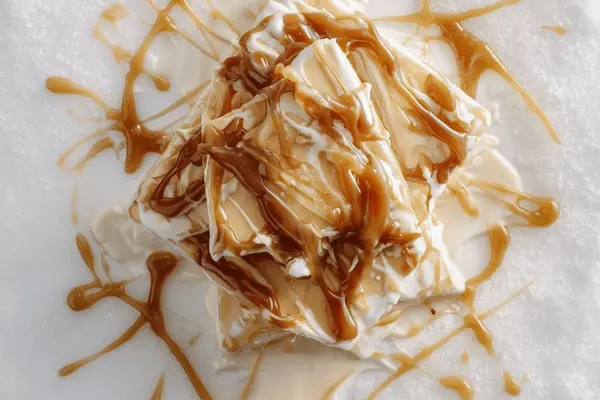
Rum Butterscotch Taffy Made on Snow
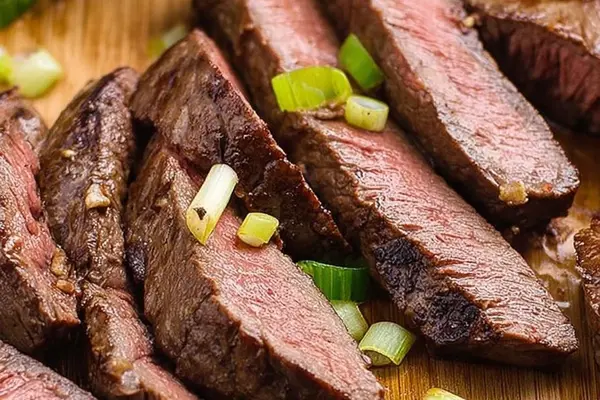
Asian Style Sirloin BBQ with Soy & Ginger
Collard Greens Recipe with Smoked Turkey
Chocolate Cake Recipe with Espresso
Carrot Ginger Rum Cocktail with Elderflower
Red Velvet Chocolate Chip Cookies
5 Vinaigrette Recipes: Olive Oil & Balsamic
Cherry Chip Cake with Orange Zest & Pecans