Prik Nam Pla: Vietnamese Hot Pot Sauce
By Emma
Certified Culinary Professional
·
Recipe tested & approved
Make prik nam pla with fish sauce, fresh lime, ginger, lemongrass, pineapple, and Thai basil. Three vibrant hot pot dipping sauces with layered flavors and aromatic spice.
Prep:
35 min
Cook:
0 min
Total:
35 min
Servings:
4 servings
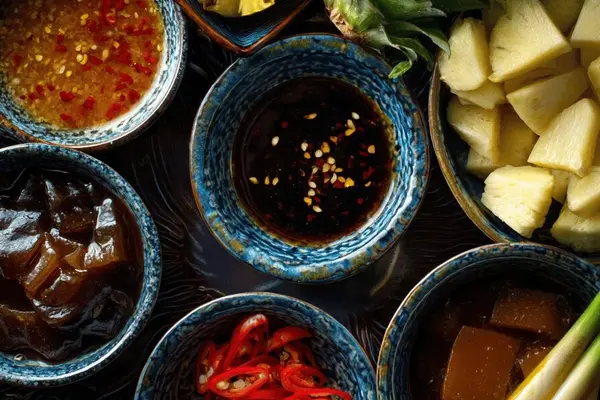
Pounding ginger and garlic in a mortar, and suddenly you’re holding three sauces that taste nothing alike but all hit the same way—broth becomes theater. This is nam pla prik, the Vietnamese answer to hot pot dipping. Three versions. Pick one. Mix all three. Pour them over whatever’s swimming in the boiling pot in front of you.
Why You’ll Love This Nam Pla Fish Sauce
Takes 35 minutes, zero cooking. Works as a condiment for basically any hot pot or shabu shabu—meat, mushroom, tofu, whatever sits in the broth. Each sauce pulls a different flavor angle. The ginger-chili version hits you first. Then the lemongrass-pineapple sneaks in with something sweet and herbal that wasn’t there a second ago. Three ingredients’ worth of prep. No special equipment unless you count a mortar. Keeps in the fridge for maybe a week, but honestly tastes best fresh. Vietnamese restaurants charge for tiny bowls of this. You’re making the restaurant version at home.
What You Need for Nam Pla Fish Sauce Dipping
Water. Three hundred milliliters. Tap is fine.
Palm sugar first choice. Ninety milliliters if you can find it. Brown sugar works—just tastes heavier and more caramel. The mellow note matters more than you’d think.
Fresh lime juice. One hundred milliliters. Bottled technically works. Don’t bother. It tastes like plastic.
Fish sauce. One hundred forty milliliters. Nuoc mam if the bottle says Vietnamese. This is non-negotiable. The smell is brutal. The taste is exactly why you’re here.
For the ginger-chili version: five centimeters of fresh ginger peeled, five garlic cloves, ten milliliters of chili garlic paste. Sambal oelek substitutes fine if chili paste disappears.
For the lemongrass-pineapple-basil: one stalk lemongrass, two hundred milliliters fresh pineapple chunks, Thai basil. A handful. Not measured. Just grab.
How to Make Nam Pla Fish Sauce Blend
Bowl. Stir water and palm sugar together until the crystals stop being visible. Takes maybe two minutes of actual stirring. No heat. Cold water does the job.
Add lime juice. Stir again. Tastes sharp now. Correct.
Pour in the fish sauce. Stir until the whole thing stops smelling like low tide and starts smelling like something you’d actually eat.
Taste it. Should hit sweet, then salty, then sour all at the same time. One note shouldn’t win. If lime’s screaming louder than everything, add a touch more sugar. If it’s all salt, squeeze in more lime.
Leave it room temperature or cold. Flat liquid. That’s the base for everything.
How to Get Proper Texture on Nam Prik Nam Pla
Ginger-chili first. Peel the ginger. Cut it into chunks. Throw it in a mortar with five garlic cloves and the chili paste. Pound it. Not until it’s smooth. Until it looks like wet sand with visible texture still there. Pounding takes maybe three minutes. Your arm gets involved.
Splash in the basic blend gradually. Start with less than you think. Stir as you go. You’re looking for punchy and thick, not soupy. More sauce gets added as you taste.
Taste constantly. Too hot? More base blend. Too mild? More chili paste. Not enough ginger bite? Pound fresh ginger in separately.
The lemongrass version is different. Chop the lemongrass rough. Toss it, pineapple chunks, and basil into a food processor. Pulse maybe five times. You want texture. You want to see pineapple pieces and green basil flecks. Smooth is wrong.
Stir in the basic blend slowly. Pineapple already brought juice. Go easy on the sugar side of the base—remake if it gets too sweet.
The basil should smell like money. If it doesn’t, you need fresher basil.
Nam Pla Prik Tips and Common Mistakes
Pounding garlic and ginger into total paste kills the bite. You want crushed, not pulverized. Harsh bitterness shows up when you overdo it. Three minutes in the mortar usually does it. Stop there.
Lemongrass needs the back of a knife hit first—bash it to crack the fibers before chopping. Releases the oils. Whole stalks taste woody. Fine-chopped tastes like your teeth are breaking fibers.
If pineapple’s chunky in your version and bothers you, strain with a fine sieve. Loses texture though. Sometimes pulpy is right.
Canned pineapple works. Drain it first. The syrup waters everything down.
Fish sauce and soy sauce aren’t the same thing. Fish sauce brings umami and salt. Roman garum—ancient fish sauce—worked exactly this way centuries ago. Same concept. Different cultures figured it out.
Palm sugar versus brown sugar? Palm tastes molasses and smooth. Brown brings caramel and weight. Both work. Pick one and commit.
Thai basil versus mint? Basil’s better. Mint gets weird if the ginger’s heavy. Not terrible, just different.
The basic blend might crystallize if it gets cold enough. Stir it briskly or splash warm water through. Takes maybe thirty seconds. Happens maybe once a year.
These three versions—ginger-chili, lemongrass-pineapple, the plain blend—sit in shallow dishes next to the hot pot. Spoon them over whatever comes out of the broth. They take a dull boil and make it layered. Sweet hits salty. Sour cuts through rich meat. Heat surprises your palate twice.
Prik Nam Pla: Vietnamese Hot Pot Sauce
Prep:
35 min
Cook:
0 min
Total:
35 min
Servings:
4 servings
Ingredients
- Basic Fish Sauce Blend
- 300 ml water
- 90 ml palm sugar (or brown sugar if unavailable)
- 100 ml fresh lime juice (or white vinegar for sharper tang)
- 140 ml fish sauce (nuoc mam)
- Ginger-Chili Sauce
- Basic Fish Sauce Blend as needed
- 5 cm fresh ginger, peeled and pounded
- 5 cloves garlic, minced fine
- 10 ml chili garlic paste (substitute sambal oelek if missing)
- Lemongrass-Pineapple-Basil Sauce
- 1 stalk lemongrass, roughly chopped
- 200 ml fresh pineapple chunks
- A handful fresh Thai basil leaves
- Basic Fish Sauce Blend as needed
Method
- Preparing Basic Fish Sauce Blend
- 1 In a sizable bowl, stir together water, palm sugar, lime juice, and fish sauce until sugar dissolves. No heat needed here — the key is complete sugar meld; swirl with a spoon until syrupy. Taste for balance: should be tart-sweet-salty, adjust lime or sugar accordingly. Cold or room temp, flat liquids only.
- Ginger-Chili Sauce Crafting
- 2 Throw ginger, garlic, and chili paste into a small food processor or mortar. Blitz or pound until pasty but a little textured, not smoothie. Splash in Basic Fish Sauce Blend gradually, till it hits that punchy salty-sour heat you want. I lean heavier on ginger, sometimes double it if it’s pale or too fibrous. Keep taste buds alert, add more chili paste if you want fire-exhale.
- Lemongrass-Pineapple-Basil Sauce Building
- 3 Rough chop lemongrass, toss with pineapple chunks and basil leaves into processor. Pulse just enough to break up but keep fibers visible — you want juicy texture and zesty bits chunky. Stir in Basic Fish Sauce Blend slowly; the pineapple’s juice adds sweetness so temper sugar in base if remaking. Basil lifts it light and fresh, so no over blend. Visually, vibrant green flecks and golden pineapples, aromatic hit of lemongrass.
- Final Assembly and Serving
- 4 Set all sauces in shallow dishes next to your hot pot. Use a small spoon or pour over meat or veggies dipped from the boiling broth. Keep sauces chilled or room temp. If fish sauce blend crystallizes (rare but annoying), stir briskly; warm water splash fixes instantly. Adjust chili or lime at the table — personal heat and tang vary wildly.
- 5 I remember once overpounding ginger and garlic — harsh bite, weird bitterness. Key: crush but don’t pulverize. Same with lemongrass: too fine equals woody bits stuck in teeth. Palm sugar versus brown sugar? Palm brings a smoother molasses note, brown sugar more caramel and heavier mouthfeel. Both work. Swap Thai basil for mint if basil lacks; changes flavor but fresh and bright still.
- 6 If no pineapple, canned works, squeeze liquid off first to avoid watering down. Lemongrass can be hard-wired—bash with back of knife before chopping to release oils. If too pulpy, strain with fine sieve but texture fades. These sauces kick the broth up multiple notches. They carry fondue dipping from bland wetness to layered bites elevating meat, tofu, or mushroom.
- 7 Snapping sounds from boiling broth, sizzling veggies, then the sauce taste — sweet-savory shock, ginger tickle, basil burst. The fix for dullness. My workaround with missing ingredients? Lime for vinegar, palm sugar for honey. These sauces aren't just condiments, they’re flavor punchlines to a Vietnamese feast.
Nutritional information
Calories
45
Protein
1.2g
Carbs
10g
Fat
0.2g
Frequently Asked Questions About Nam Pla Fish Sauce
Can I make this ahead for a hot pot dinner? Yes. Make it that morning. Keep it cold. All three versions hold for maybe a week, but the basil and lemongrass get muted after a day or two. The ginger-chili stays punchy longer.
What if I can’t find palm sugar? Brown sugar. Honey works too but tastes different—lighter, less molasses. Adjust to taste.
Does this work for shabu shabu or just Vietnamese hot pot? Works for anything swimming in broth. Shabu shabu dipping sauce usually gets this treatment in Asian restaurants. Same concept.
Can I use bottled minced garlic and ginger? Technically. Fresh pounded tastes sharper. Bottled gets muted somehow. Not worth it if fresh is an option.
How hot should this be? Depends on the chili paste you use. Start with ten milliliters. Taste. Add more if you want heat that actually registers. Some people double it.
What if I don’t have a mortar? Food processor works fine. Just don’t blend it smooth. Pulse five times and stop. Texture matters.
Can I use white vinegar instead of lime? Yes. Sharper tang. Less sweet. Some people prefer it. Not traditional but it works.
Why does the fish sauce smell so bad? Fermented fish. That’s literally what it is. The smell isn’t a problem—it’s the point. Taste it before you judge it.
You’ll Love These Too
Explore all →
Oven-Roasted Spaghetti Squash with Basil
French Onion Pork Loin Roast
Mashed Sweet Potatoes with Orange Cream
pan fried steak cast iron
Oatmeal Chocolate Chip Cookies Recipe

Miniature Brownies with Peanut Butter Frosting
Tuna Salad Recipe with Dijon Mustard

Peanut Butter Cake with Chocolate Ganache
Cranberry Chocolate Rustic Loaf Recipe
Fluffy Pancakes with Yogurt & Chocolate
Chicken & Chorizo Jambalaya Recipe
Fattoush Salad with Green Lentils
Stuffed Cabbage Rolls with Ground Beef
Cosmopolitan The Drink Recipe with Vodka
Fettuccine Alfredo With Chicken and Broccoli

No Bake Cheesecake with Oreo Crust
No-Bake Strawberry Cream Pie Recipe
Fried Cashew Recipe with Smoked Paprika
Baked Cheese with Mushroom Sauté & Mustard