Sweetbreads of Veal with Duck Fat
By Emma
Certified Culinary Professional
·
Recipe tested & approved
Poach them fast—four to six minutes, that’s it. The second you pull them out, ice bath. Everything depends on that texture, and texture goes wrong in maybe thirty seconds if you’re not watching.
Veal sweetbreads are weird the first time. Organ meat that’s actually mild. Buttery when it’s right. Most people either never try them or can’t stop making them. There’s no middle ground.
Why You’ll Love This Veal Sweetbread Recipe
Takes 55 minutes total—25 to prep, 30 to cook. Fast for something that tastes like you spent the afternoon on it.
The sauce is where the spice angle hits. Star anise powder instead of the whole thing floating around. Honey and muscat wine. Tastes like something between a glaze and a pan sauce, leans toward something you’ve never had before.
Roasted texture. Seared crust then the flesh gives when you bite. Not mushy. Not rubbery.
Works as a main dish but also strips down as a starter. People eat three pieces and feel full. Rich but not heavy because the greens cut it.
Asian-leaning without feeling like you’re copying something. The spice is gentle. Not hot. Just there.
What You Need for Crispy Veal Sweetbreads
Three-quarters of a kilogram of veal sweetbreads—you need a real butcher for this. Not the grocery store freezer case. Ask for them fresh, tell them you’re poaching and searing. They know what that means.
All-purpose flour. Unbleached. Coats them without turning gluey.
Duck fat. Half a cup. Unsalted butter works if you can’t find it—same result mostly, maybe slightly less rich. Duck fat stays crisp longer though.
One French shallot. Minced small. Not a regular yellow shallot. The flavor’s different—sweeter, less sharp. Matters here.
Two garlic cloves. Minced. Nothing special except don’t use the pre-minced jar stuff.
Star anise powder. Fifteen milliliters. Not whole stars. The powder dissolves into the sauce instead of staying grainy.
Honey. A tablespoon. It caramelizes while you’re stirring and deepens everything else.
White wine vinegar. Just five milliliters—a teaspoon, basically. Brings the acid back at the end if the wine softened it too much.
Muscat wine. Two hundred fifty milliliters—roughly one cup. Sweet white wine that actually tastes like something, not the cooking wine that’s basically vinegar. Real muscat or go without.
Salt. Pepper. Those too.
How to Make Pan Seared Veal Sweetbreads
Get water boiling. Salt it like you’re seasoning pasta. Drop the sweetbreads in when it’s actively simmering—not rolling boil, just steady heat. Four to six minutes. That’s where the line is. Pull one out, cut it open. Still a little translucent in the center? Perfect. Overcooked and it becomes mealy. Undercooked and the inside’s too soft to slice clean.
Ice bath immediately. Cold water with actual ice. Two minutes minimum. This stops the cooking dead. Drain them on a towel.
Peel while they’re still slightly warm. Tough outer membrane comes off easier. Your fingers are the right tool—gentle pressure, let the skin separate itself. Veins too. Visible fat. All that goes. What’s left is the tender part. It’s pale pink, almost translucent, very delicate.
Cut them. Thin slices or bite-size pieces—doesn’t matter as long as they’re uniform. Uniform means they cook at the same speed. Some thick, some thin, and half of them dry out while the other half stays raw.
How to Get Veal Sweetbreads Roasted and Crispy
Spread flour on a plate. Coat each piece lightly but actually coat it—flour is your crust foundation here. Shake off the excess. You want a thin layer, not a flour cake that tastes like raw dough.
Heat half the duck fat in a skillet over medium heat. Wait until it shimmers—you should see the surface move slightly. Don’t wait for smoke. That’s too hot.
Lay in half the sweetbreads. Don’t crowd the pan. If they touch each other more than barely, they steam instead of sear. Shake the pan. You should hear that sizzle. Two to three minutes per side until the crust is brown. Golden-brown doesn’t work as a description here—it’s more the color of old wood. That specific tan that means the exterior’s setting but the inside’s still giving.
Salt and pepper each piece right after it hits the pan. Transfer to a warm plate. Don’t let them cool down sitting on the counter. Keep them warm while you do the second batch.
Same fat, medium heat. Same rules. Same timing. Three minutes, flip, three more, and out.
Veal Sweetbreads Tips and Common Mistakes
The sauce is the whole thing. Lower the heat to medium-low after the sweetbreads are out. Add the shallot and garlic. Let them soften—two minutes, maybe a bit less if your burner runs hot. You’ll smell it change. That’s your signal. The aroma goes from raw to toasted.
Drizzle in the honey. Don’t stir immediately. Wait maybe thirty seconds. It starts to caramelize—the edges darken slightly, it bubbles gently. Then stir constantly for another minute. Honey can burn. Not entirely, but enough to taste bitter. Constant stirring prevents that.
Vinegar next. Splash it in. This is where you scrape the pan bottom—all those brown bits stuck to the skillet are pure flavor. Get them off the pan and into the sauce. Scrape with a wooden spoon. Shouldn’t take more than a minute.
Pour in the muscat wine. Raise the heat to medium. Let it reduce. This takes eight to ten minutes. You’re watching it go from thin to syrup-like. Shoulder the sauce—tilt the pan, let it coat the sides and run back down. When it coats the spoon and doesn’t immediately drip off, you’re there.
Return the sweetbreads. Toss gently. Two minutes, just warm them through. Taste the sauce. Fix it now if it needs salt or pepper. If the wine’s sweetened it too much and you’ve lost the sharp edge, add a splash more vinegar.
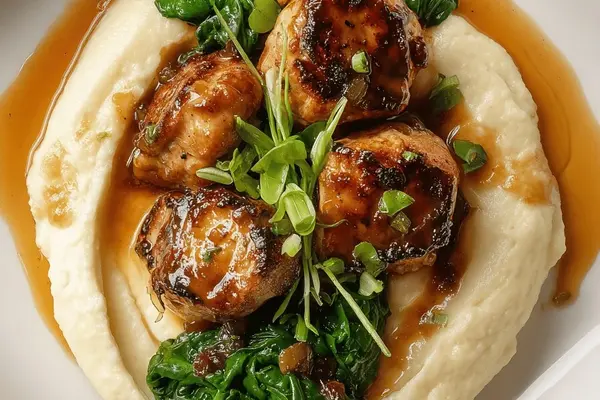
Plate immediately. The sauce should be glossy and actually coat the meat, not pool underneath it. Serve with something green—sautéed spinach, wilted arugula, whatever. The richness needs that cut. Celery root purée on the side if you want to make it restaurant-style. Not necessary though.
Sweetbreads of Veal with Duck Fat
Prep:
25 min
Cook:
30 min
Total:
55 min
Servings:
4 servings
Ingredients
- 750 g veal sweetbreads
- 70 g unbleached all-purpose flour
- 85 g duck fat or unsalted butter
- 1 French shallot finely chopped
- 2 garlic cloves minced
- 15 ml star anise powder
- 15 ml honey
- 5 ml white wine vinegar
- 250 ml muscat wine
Method
- 1 Drop veal sweetbreads into simmering salted water. Poach 4-6 minutes only; texture matters. Plunge into ice water immediately. Drain thoroughly.
- 2 Peel away tough skins, veins, and visible fat. Use fingers, gentle pressure. Cut into thin slices or bite-size bits; uniform for even cooking.
- 3 Spread flour on plate. Coat sweetbreads coating lightly but thoroughly. Shake off excess, don’t cake up flour.
- 4 Heat half duck fat in skillet over medium. Sear half sweetbreads without crowding—shake pan, hear that sizzle? Brown until crust forms, 2-3 min per side. Season with salt and pepper. Transfer to warm plate. Repeat with remaining fat and sweetbreads.
- 5 In same skillet, lower heat to medium-low. Add shallot, garlic, star anise powder. Stir, let soften and release aroma, about 2 min. Drizzle honey; wait for gentle bubbling, sugar caramelizes slowly, flush edges darken slightly. Stir constantly.
- 6 Splash vinegar, scrape up browned bits—flavor minefield here. Pour muscat wine; raise heat; reduce until sauce thickens to syrup consistency—about 8-10 min. Shoulder sauce to coat every piece well.
- 7 Return sweetbreads to pan; toss gently, warm through 2 min. Taste—adjust salt, pepper, add splash more vinegar if sharpness lost.
- 8 Plate immediately; serve with celery root purée and sautéed spinach or wilted greens to cut richness.
Nutritional information
Calories
560
Protein
35g
Carbs
15g
Fat
42g
Frequently Asked Questions About Veal Sweetbread Recipe
Can I use butter instead of duck fat? Works fine. You’ll lose some richness—duck fat has more flavor—but the crust still forms. Use the same amount. Butter browns slightly faster, so watch the heat.
What if I can’t find veal sweetbreads? Lamb sweetbreads work the same way. Texture’s similar, taste’s slightly stronger. Cooking time stays identical. Calf liver is different—don’t substitute it.
How do I know when they’re poached enough? Cut one open. Should be pale pink inside, not white all the way through. If there’s translucence in the center, you’re good. Err toward less time. They continue cooking a little in the ice bath.
Can I make the sauce ahead? Make it fresh. Muscat wine doesn’t hold well—loses its flavor by the next day. The whole point is the freshness of it.
Should the skin come off easily? If it doesn’t, they weren’t poached long enough or cooled too fast. Sometimes the membrane just grips. Patient fingers work better than tools. Patience and gentle pressure. Rushing tears them apart.
What if the sauce breaks or looks grainy? Probably means the honey burned. Next time, constant stirring once it goes in. If it happens, it happens. Doesn’t taste terrible, just tastes slightly bitter. Still edible.
Can I freeze these after poaching? Haven’t tried it. Texture changes when meat freezes—the ice crystals. Probably fine for two weeks, maybe not. Do it fresh if you can.
You’ll Love These Too
Explore all →
Million Dollar Mac and Cheese with Gruyère
Stuffed Cabbage Rolls with Ground Beef
Slow Cooker Pork Tenderloin in Chianti
Gingerbread Snickerdoodles with Molasses

Grapefruit Spritz with Aperol & Prosecco
Honey Mustard Chicken Thighs with Roasted Vegetables
Creamy Steel-Cut Oats with Pear & Honey
Strawberry Rhubarb Crisp with Buttery Crust
Meringue Ice Cream Bowls with Vanilla
Mediterranean Lamb Leg Roast with Harissa

Cast Iron Patty Melts with Caramelized Onions
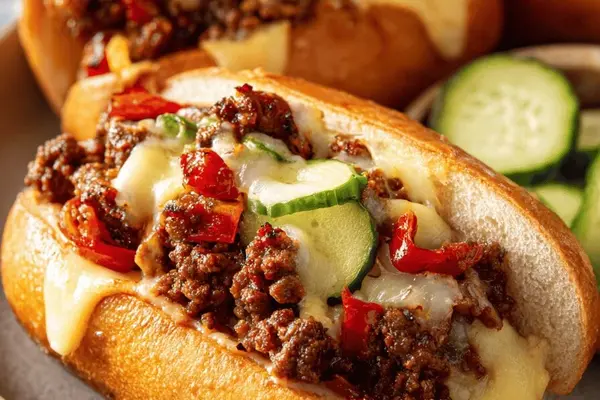
Spicy Beef Sandwich with Peppers

Asian Tofu Sandwich with Hoisin & Shiitake
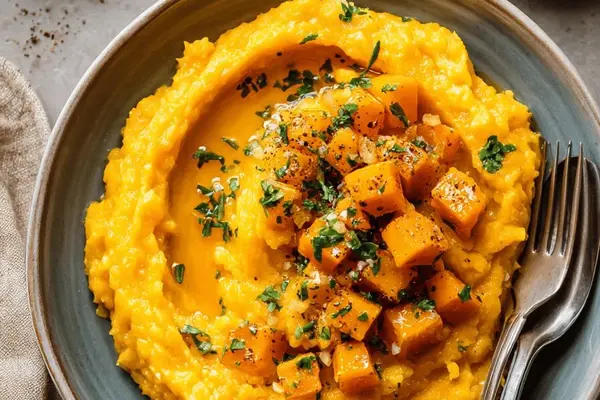
Butternut Squash Puree with Roasted Garlic
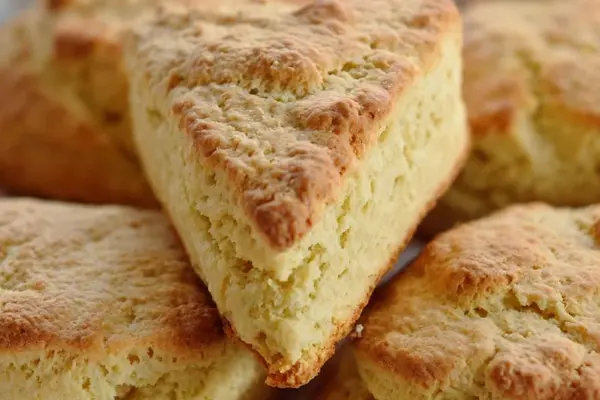
Rustic English Scones with Sour Cream
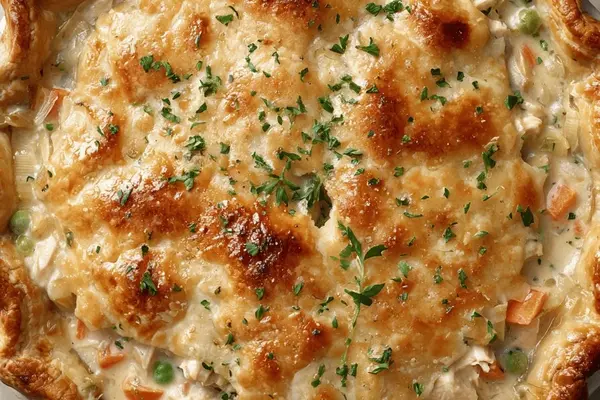
Chicken Pot Pie with Shallots and Cheddar
Barbecue Smoked Turkey Salad with Corn
Herbed Ranch Salt Mix with Smoked Paprika
Fudgy Brownies with Black Beans & Cocoa