
Veal Parmesan with Panko & Pecorino
By Emma
Certified Culinary Professional
·
Recipe tested & approved
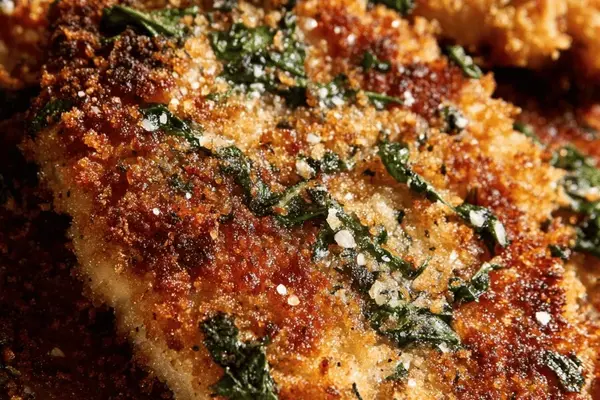
Dry the cutlets first. Paper towel matters more than you’d think. Then breadcrumb, then egg, then back to breadcrumb — that’s the whole trick. Twelve minutes of setup gets you a crust that actually stays on, and another fifteen minutes in a hot pan does the rest. You’ve got breaded veal cutlets that snap when you bite them, not veal that sweats inside soggy panko.
Why You’ll Love This Veal Parmesan
Crust that actually cracks. Not soft. Not chewy. Snaps. Takes 27 minutes total — twelve to prep, fifteen in the pan. A weeknight thing, not a Sunday project. Italian restaurant texture without the restaurant price or the wait. Panko and pecorino do the work. Eggs hold it. That’s it. Leftovers work cold the next day. Somehow better. Not sure why. Pan seared veal chop done right — no fancy equipment, one skillet, dinner happens.
What You Need for Breaded Veal Cutlets
Panko breadcrumbs. Not regular. The bigger flakes stay crunchy longer. Ninety milliliters. Pecorino romano, grated. Not parmesan. Sharper. Stays sharp instead of disappearing into the fat. Forty-five milliliters. Fresh oregano chopped small. Dried doesn’t work here — tastes like dust. Fifteen milliliters. One large egg, beaten until frothy. The foam helps the panko stick tighter. You’ll actually see the difference. Four veal cutlets. Each about 250 grams, maybe two centimeters thick. Thickness matters — too thin and they dry out before the crust sets. Too thick and the inside stays cold while the outside burns. Avocado oil. Or light olive oil if that’s what you have. Not extra virgin — it smokes. Sixty milliliters, roughly. Salt and pepper. Flaky salt for after. Regular pepper works fine.
How to Make Breaded Veal Cutlets
Pat the veal dry. This single step changes everything. Moisture means the crust never crisps — it steams instead. Paper towel, gentle pressure, you’re done.
Mix the panko, pecorino, and oregano in a shallow bowl. Toss it around until you can’t see distinct ingredients. Even distribution means every bite gets salt and herb.
Beat the egg in another shallow dish. Not a stir — actually whisk it. You want tiny bubbles. The foam clings to the meat better than flat egg does.
Dip each cutlet in egg. Full coverage. Let the excess drip off — count to two, maybe three. Too much hanging off and it pools on the breadcrumbs and dissolves them. Too little and dry spots appear where nothing stuck.
Press the cutlet into the breadcrumb mixture. This isn’t gentle. Push it down. Pat the sides. Flip and do it again. Spotty breading means uneven texture — some parts snap, some parts don’t. Build an actual crust.
Heat the oil in a heavy skillet over medium heat. Wait. This is the mistake people make — they don’t wait long enough. Watch the edges. The oil should flow like water around the pan. There’s a moment where it stops looking viscous and starts looking liquid. That’s when you’re ready.
Place the cutlets. All four if they fit without touching. If they touch, the steam creates a seal and nothing browns. Cook in batches instead. You want a steady sizzle, not a roar. If it’s screaming, the heat’s too high and the outside burns before the inside cooks through.
Don’t touch them. Six to seven minutes. Listen. That crackle you hear is the breading pulling moisture from the veal and becoming crisp. The edges will darken to brown — that specific tan color, not deep. When you smell it starting to go nutty, flip.
Flip with a single confident motion. Use a spatula. The crust should release easily — if it sticks, it’s not ready. Wait another minute, try again. Once it flips easy, the other side gets six to seven minutes of the same treatment.
You’ll feel the firmness change. The meat goes from soft and yielding to firm. Press the thickest part gently with your finger — it should feel like the fleshy part of your thumb when you hold your hand relaxed, not soft like the fleshy part when your hand is loose. And near the edge, a tiny bead of juice appears. That’s doneness.
Pull them onto a warm plate. Season now, after cooking. Flaky salt and pepper. Not before — it dissolves into the crust and disappears. After, it stays on top where it matters. Tent with foil for maybe two minutes. The carryover heat finishes any cold spot inside, and it stays juicy instead of drying out while you plate everything else.
Pan Seared Veal Chop Parm — Timing and Technique
The whole cook is fifteen minutes because medium heat and patience do the work, not screaming heat. Medium-high wants to char the outside before the inside reaches temperature. Medium gives you golden crust and cooked-through veal at the same time.
Thickness matters more than people realize. Two centimeters. You can flatten them slightly with a mallet or the bottom of a heavy pan if they’re thicker — not pounding them into submission, just a gentle press to even them out. Uneven thickness means one end is overcooked and the other is raw.
The cutlets won’t feel done until you flip them. They’ll feel fragile. That’s fine. When the crust sets, they’re stable. Early flipping is the only real disaster here.
Cold pan, cold oil — no. Hot oil matters. The instant the veal hits that heat, the protein at the surface starts to bond with the breadcrumb. That’s what creates a seal. A warm pan doesn’t seal anything.
Breaded Veal Patties — Mistakes and Fixes
Too much egg and the whole thing becomes a soggy sandwich. One cutlet per egg dip, that’s it. Skip the drying step and it steams. Every time. Dry it. Panko gets darker than you expect before it’s actually done. Trust the smell, not the color. Crowded pan makes everything pale and soft instead of crisp. One batch at a time if you have to. Flipping too early rips the crust off. Wait until you can’t stand it anymore, then wait thirty more seconds. Finished cutlet looks pale or patchy — the seasoning went in before cooking and soaked into the crust and disappeared. Season after. Right before serving.
Veal Parmesan with Panko & Pecorino
Prep:
12 min
Cook:
15 min
Total:
27 min
Servings:
4 servings
Ingredients
- 90 ml panko breadcrumbs
- 45 ml grated pecorino romano
- 15 ml fresh oregano chopped
- 1 large free-range egg, lightly beaten
- 4 veal cutlets around 250 g each about 2 cm thick
- 60 ml avocado oil or light olive oil
- Flaky sea salt and freshly ground black pepper
Method
- 1 Dry the veal cutlets gently with paper towel. This helps crust stick better.
- 2 In a shallow bowl, toss panko, pecorino romano, and chopped oregano to distribute flavors.
- 3 Beat egg in another shallow dish. Don't just stir; whisk it until slightly frothy. Helps adhesion.
- 4 Dip each cutlet in egg fully, let excess drip off a bit but don’t shake too hard or coat thins out.
- 5 Press the cutlet firmly into breadcrumb mixture. Pat and push to build an even crust. Spotty breading means uneven crunch.
- 6 Heat oil in heavy skillet over medium heat. Wait until it shimmers and flows like water around the pan edge before adding.
- 7 Place cutlets gently. No crowding; cook in batches if needed. You want a steady sizzle, not smoky crackle.
- 8 Cook undisturbed for roughly 6-7 minutes for one side. Listen for a crisp crackle, edges will darken to golden brown.
- 9 Flip carefully with a spatula; the crust should release easily. If it sticks, it’s not ready yet.
- 10 Another 6-7 minutes on the other side. Firmness develops, juice pulls back near edge when done.
- 11 Adjust seasoning now with flaky salt and black pepper. Remove to warm plate, tent with foil briefly — juicy rest time.
- 12 Serve immediately, pair with sautéed greens or lemony orzo for bite balance.
- 13 If cutlets too thick, they pucker or steam instead of sear. Use mallet or bottom of pan to flatten slightly beforehand.
Nutritional information
Calories
390
Protein
32g
Carbs
10g
Fat
28g
Frequently Asked Questions About Veal Parmesan
Can I use frozen breaded veal cutlets instead? Yeah, but they’re never as good. The factory breading gets weird and wet instead of crispy. Fresh veal, fresh breadcrumb. Not much more work.
What if my veal cutlet parmigiana comes out tough? Probably overcooked. Medium heat, not medium-high. The cutlets cook through in six to seven minutes — going longer than that dries them out. They keep cooking after you pull them off too, so pull them maybe a minute before they feel totally done.
How do I know when the crust is actually crispy? Sound and feel. Crackle when you press on it — not a soft crunch, a snap. And you can’t bend the crust without it breaking. That’s crispy.
Is there a substitute for pecorino romano? Parmesan works. Less sharp, so the flavor fades a bit, but it’s fine. Asiago too. Don’t use pre-grated — it has anti-caking powder and doesn’t melt or crisp the same way.
Can I make breaded veal chops instead of cutlets? Same process. Bone-in veal parmesan takes maybe two minutes longer because the bone conducts heat slower. Everything else is identical.
What do I serve with pan seared veal chop? Something with acid. Lemon. A simple green salad with vinaigrette. Lemony orzo. Something to cut the richness. The veal is rich, the panko is rich, the cheese is rich. Acid saves it.
You’ll Love These Too
Explore all →
Iced Coffee Dessert with Vanilla Ice Cream
Ground Turkey Sloppy Joes Recipe
Braised Italian Sausages Red Wine Recipe
Cauliflower Pistachio Biryani with Basmati Rice
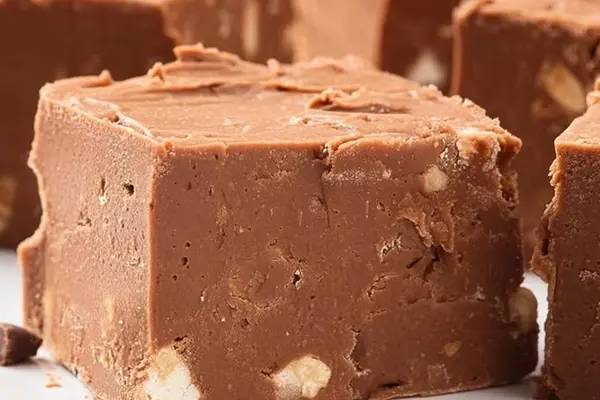
Marshmallow Fluff Fudge with Pecans
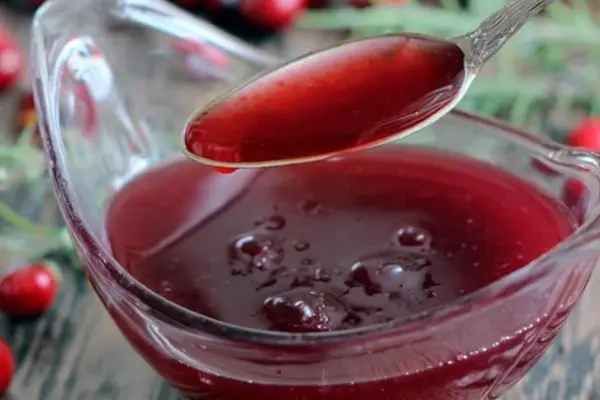
Cranberry Syrup with Fresh Lemon Juice
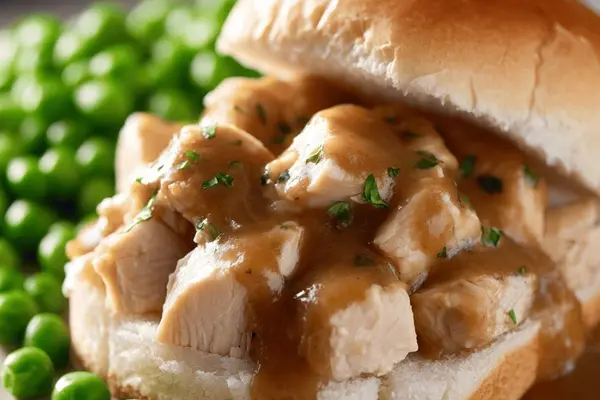
Hot Chicken Sandwich with Brown Sauce
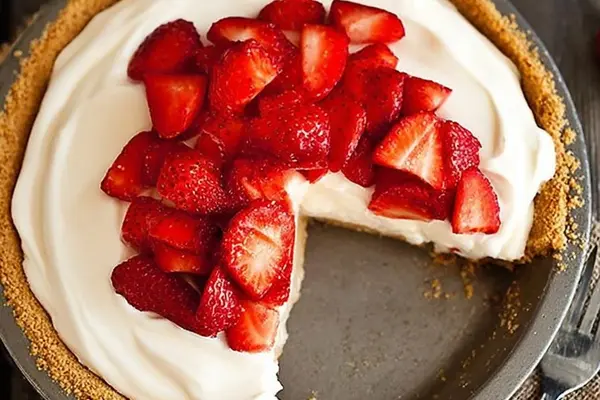
No Bake Cheesecake with Peach Preserves
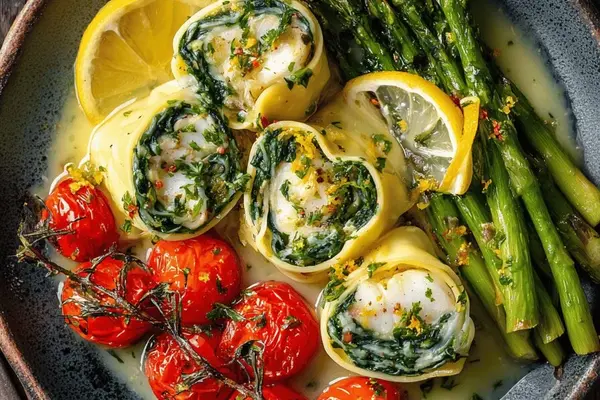
Pan-Seared Haddock Spinach Ravioli
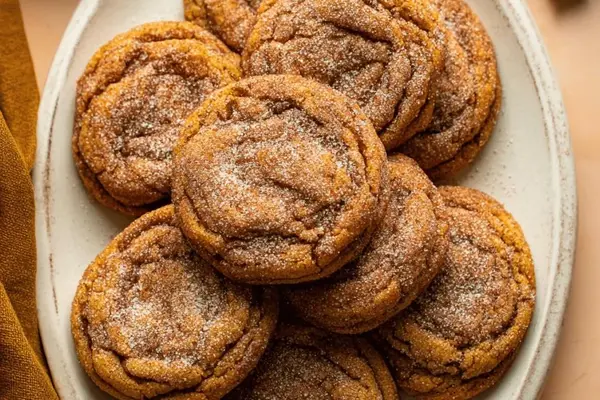
Gingerbread Snickerdoodles with Molasses
Strawberry Short Cake with Angel Food Cake
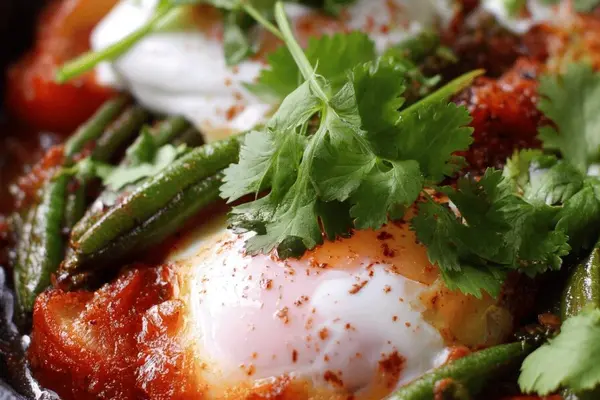
Indian Tomato Poached Eggs with Potatoes

Make Sweet Iced Tea with Loose Black Tea
Marinated Italian Eggplants with Garlic

Red Lentil Soup with Cumin & Tzatziki
Salmon Koulibiac Twist with Hazelnuts
Olive Oil Orange Rosemary Muffins

Pineapple Lime Shaved Ice with Vanilla Ice Cream
Ziti Bake with Feta and Cherry Tomatoes