Vanilla Panna Cotta with Rhubarb Compote
By Emma
Certified Culinary Professional
·
Recipe tested & approved
Vanilla pods split open. Seeds scraped out black and fragrant. Cold water waiting in a bowl for the gelatin powder—this is where it all starts, 22 minutes of prep and 14 minutes of heat if you’re paying attention, then hours of waiting while the fridge does the actual work.
Why You’ll Love This Panna Cotta Dessert
No bake. Literally just cream, heat, and time. The rhubarb compote is tart enough that you don’t need to pile on sugar everywhere—contrast matters more than sweetness here. Tastes like something a restaurant would charge $14 for. Takes maybe 36 minutes of your actual attention, rest is just chilling. Cold straight from the fridge, it’s wobbles a little when you move the plate. Texture thing. Hard to explain until you eat it.
What You Need for Creamy Panna Cotta
Gelatin powder—11 ml, that’s about 2 and a third teaspoons. Cold water to bloom it. Two vanilla pods. Not extract. Pods actually matter here; you get the visible black specks and a flavor that tastes like vanilla was actually expensive. 400 ml heavy cream at 35% fat. Milk, 130 ml. Sugar for the cream mixture—80 ml. Then rhubarb, fresh or frozen, 400 ml chopped up. More sugar for the compote. Water. That’s it.
Gelatin powder matters. Old gelatin won’t swell properly when you bloom it. Test: if it doesn’t puff up after sitting in cold water, replace it. The vanilla pods are the thing that separates this from tasting generic. Don’t skip that step and substitute extract thinking it’s the same. It isn’t. Heavy cream percentage is actually important—lighter cream won’t set right. Use what the recipe says.
How to Make Panna Cotta Dessert
Bloom the gelatin in cold water. Just sit there. About 6 minutes. It gets soft and jiggles when you shake the bowl—that’s the sign it’s ready. Old gelatin won’t do this, so if it just sits there looking sad, throw it out and start over.
Split the vanilla pods lengthwise. Scrape out the seeds with a knife. Don’t throw away the pods yet. They go in the cream mixture. Heat the cream, milk, sugar, vanilla seeds, and those empty pods over medium-low heat. This is not rushing. Stir gently so the sugar dissolves evenly. Once you start seeing bubbles form around the edges and smell the faint steam, that’s when you pull it off. Around 10 to 12 minutes, maybe less. Overheating kills the vanilla flavor. It just disappears into nothing.
Remove the pods—carefully, so they don’t leave bitterness behind. Whisk in the softened gelatin. Make sure there are no grains left. Pour the whole thing through a fine sieve. Catches the stray bits, the pod fragments, anything that would make the texture grainy instead of smooth. It’s an extra step. Always worth it.
Prep six ramekins. Oil them lightly with neutral oil, or rinse them quickly with water and don’t dry them. The moisture helps release the panna cotta later. Pour the warm mixture into each one evenly. Cover the top of each ramekin with plastic wrap touching the custard surface directly. This prevents the skin that forms on top. Refrigerate undisturbed for at least 5 and a half hours. Overnight is better. You want it firm but still wobbles slightly when you move the plate.
How to Get Panna Cotta Vanilla Bean Texture Right
Rhubarb compote is separate. Combine the rhubarb, sugar, and water in a small saucepan. Bring to a gentle boil over medium heat. Stir often. The rhubarb starts breaking down and releases a sharp tang. The floral note comes out as you stir. That aroma tells you when it’s almost there—you don’t need a timer, just watch it.
Simmer until the rhubarb pieces start to dissolve and turn translucent. About 6 minutes. Could be different depending on whether it’s fresh or frozen, how thick the stalks are. You’re looking for soft pieces that still have some texture, not soup, not jam. Remove from heat. Let it cool to room temperature, then chill for at least 2 and a half hours. Flavors meld. Texture thickens slightly. This is where the tart angle comes in—the compote tastes sharper when it’s cold.
To unmold—loosen the edges gently with a thin knife if needed. Invert the ramekin onto a plate. You can dip the ramekin bottom quickly in warm water for 3 to 5 seconds beforehand. Helps it release without melting the custard. Sometimes it just comes right out. Sometimes you need the water trick.
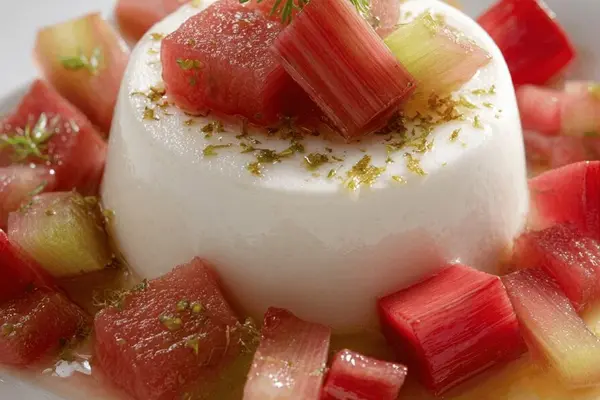
Spoon the compote on top or beside it. Cold panna cotta, cold compote, that tart rhubarb hitting against the sweet cream—that contrast is the whole thing.
Pannacotta Recipe Tips and Mistakes
Gelatin and heat are the main things to get right. If you add hot gelatin to cold cream, it clumps. If the cream is too cold when gelatin goes in, same problem. Temper the gelatin first by whisking some hot cream into it, then fold the whole thing together gently. Don’t stir hard once gelatin is in. Too much stirring creates bubbles.
Vanilla extract works if you don’t have pods. Add it with the cream before heating. Not the same flavor though. Pods give you complexity and those visible black specks that say “there’s vanilla in here.” Extract tastes more one-note.
If the panna cotta is runny after the chilling time, gelatin wasn’t fully dissolved or the bloom time was too short. Let it sit longer. Or reheat gently and add extra gelatin dissolved separately. Next time, longer bloom.
Rhubarb tartness changes by season. If it’s too sharp, add sugar a tablespoon at a time. If too sweet, add lemon zest for brightness. Some people add orange blossom water or cardamom for a seasonal twist. Rhubarb takes to spices.
Chop the rhubarb finely and it cooks faster but the texture changes. Larger pieces hold their shape better and give you that pleasant contrast against the smooth panna cotta.
Serve straight from the fridge. Don’t let it sit out too long or it starts acting like regular custard instead of set cream. Hard to unmold cleanly once it softens.
Vanilla Panna Cotta with Rhubarb Compote
Prep:
22 min
Cook:
14 min
Total:
36 min
Servings:
6 servings
Ingredients
- 11 ml (2 ⅓ tsp) gelatin powder
- 50 ml (3 ½ tbsp) cold water
- 2 whole vanilla pods split and seeds scraped
- 400 ml (1 ⅔ cups) 35% heavy cream
- 130 ml (½ cup plus 2 tbsp) whole milk
- 80 ml (⅓ cup plus 1 tbsp) granulated sugar
- 400 ml (1 ⅔ cups) fresh or frozen chopped rhubarb
- 135 ml (⅔ cup) granulated sugar
- 35 ml (2 ½ tbsp) water
Method
- Vanilla Panna Cotta Preparation
- 1 Bloom gelatin in cold water. Let sit until soft and jiggles when shaken, about 6 minutes. The gelatin swelling tells you if quality is good; old gelatin won’t swell properly, uses moisture as a test.
- 2 Split pods, scrape seeds. Don’t discard pods yet; steep them along with seeds for max flavor. Vanilla’s smoky aroma starts to fill the kitchen at this step; keep heat low to avoid scorching cream.
- 3 Heat cream, milk, sugar, vanilla seeds and pods over medium-low. Stir gently so sugar dissolves. Watch closely—once near simmer, bubbles form around edges with faint steam aroma, time to remove promptly. Overheating dulls flavors, no more than 10-12 mins here.
- 4 Remove pods carefully to avoid bitterness. Whisk in softened gelatin fully; absence of grains is key. Passing through a fine sieve catches stray bits and pod fragments, making texture satin smooth. I always do this—worth extra step.
- 5 Prepare six 130 ml ramekins: lightly oil with neutral oil or quick wet rinse and drain, leaving some moisture to help release panna cotta after chilling. Avoid drying after rinsing, or it sticks hard.
- 6 Pour warm mixture evenly. Cover surfaces with plastic wrap touching custard to prevent skin forming. Refrigerate undisturbed at least 5 ½ hours; if rushed, overnight is best to ensure firm but tender set.
- Rhubarb Compote
- 7 Combine rhubarb, sugar and water in small saucepan. Bring to gentle boil over medium heat. Stir often. Rhubarb breaks down releasing a sharp tang and faint floral note—roasting the aroma in pan while stirring helps gauge doneness.
- 8 Simmer until rhubarb pieces start to dissolve and translucence appears, about 6 minutes; timing can shift depending on fresh or frozen state and stalk thickness. Shouldn’t be watery, but not a thick jam either; soft with some texture remaining.
- 9 Remove from heat; cool to room temp then chill at least 2 ½ hours, allowing flavors to meld and texture to thicken slightly. Keep in fridge uncovered or lightly covered with cloth so excess moisture doesn’t pool.
- 10 To serve, gently unmold panna cotta by loosening edges with thin knife if needed. Invert ramekin onto serving plate, maybe dipped quickly in warm water for 3-5 seconds beforehand to ease release without melting custard.
- 11 Spoon portion of compote on or beside panna cotta. Contrast in temperature, texture, and tartness makes mouth dance.
- Notes and Substitutions
- 12 Agar-agar can replace gelatin but requires boiling to activate; add half a teaspoon dissolved in water and bring to simmer with cream mixture. Texture will be more firm, less wobbly. Adjust as your preferences.
- 13 Using vanilla extract instead of pods is acceptable; add with cream before heating, but intensity differs. Pods impart a richer, more complex aroma and visible black specs that mean flavor.
- 14 If cream too cold or gelatin added too hot, gelatin can clump. Temper gelatin by whisking some hot cream first before folding all in. Avoid stirring vigorously once gelatin added—too much air creates bubbles.
- 15 If panna cotta is runny after set time, gelatin wasn’t fully dissolved or bloom time too short. Let it sit longer or reheat gently and add extra gelatin dissolved separately.
- 16 Rhubarb flavor varies by season. If overly tart, increase sugar by tablespoon increments. If too sweet, add lemon zest to brightness. Can mix in orange blossom water or cardamom for seasonal twist.
- 17 To speed compote, chop rhubarb finely, but texture changes. Larger pieces hold shape giving pleasant contrast.
- 18 Serve panna cotta straight from fridge for pure texture; avoid letting sit out too long, or it becomes almost custard-like and difficult to unmold cleanly.
Nutritional information
Calories
290
Protein
5g
Carbs
25g
Fat
18g
Frequently Asked Questions About Panna Cotta Dessert
Can I use coconut cream panna cotta instead of heavy cream? Yes. Coconut cream gives you a different flavor—less vanilla-forward, more tropical. Works fine. Texture might be slightly less rich, but it sets. Don’t mix half and half. Pick one or the other.
What’s the difference between panna cotta and pannacotta? Nothing. Same thing. Different spelling. Italian, English—both correct.
How long does this panna cotta recipe actually last in the fridge? Three days, maybe four if you’re careful with plastic wrap. After that the texture gets weird. Make it when you’re going to eat it soon.
Can I make a mango panna cotta instead of rhubarb? Yeah. Mango compote instead of rhubarb compote. Same method. Mango is sweeter so you probably don’t need as much sugar. Not as tart though. Miss that angle a bit.
What happens if I don’t bloom the gelatin? It clumps. Won’t dissolve evenly. The whole thing ends up grainy or sets unevenly. Bloom it. Takes 6 minutes.
Do I really need to use gelatin for panna cotta? Technically you could use agar-agar. Requires boiling to activate. Add half a teaspoon dissolved in water and bring it to simmer with the cream mixture. Texture comes out more firm, less wobble. Less Italian. Some people prefer it though.
Can I unmold these the day I make them? No. Won’t hold shape. At least 5 and a half hours. Overnight better. The gelatin needs the full time to set properly.
You’ll Love These Too
Explore all →
Chicken Curry with Green Apple and Spices
Sweet Potato Casserole with Marshmallows
Maple Rum Babas Recipe With Dark Spiced Rum
Brownie Pie Recipe with Dark Chocolate & Walnuts
Roaster Chicken with Ground Turkey Stuffing
Chocolate Crepes with Dark Chocolate Sauce

Monster Rice Treats with Candy Eyes

Crunchy Beef Walking Taco with Black Beans
Strawberry Short Cake with Mousse
Strawberry Cake with Cream Cheese Frosting
Vegetable Soup With Zucchini and Potato

Asian Tofu Sandwich with Hoisin & Shiitake
Barley Duck Confit Soup with Leeks
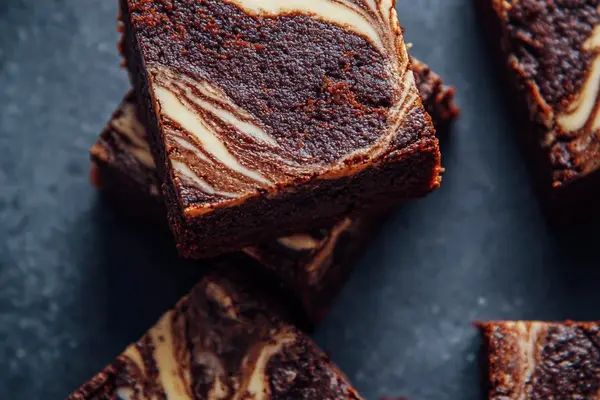
Red Velvet Brownies with Mascarpone Swirl

Rainbow French Bread Pizza with Fresh Veggies

Grilled Chicken BBQ Calzones with Chipotle
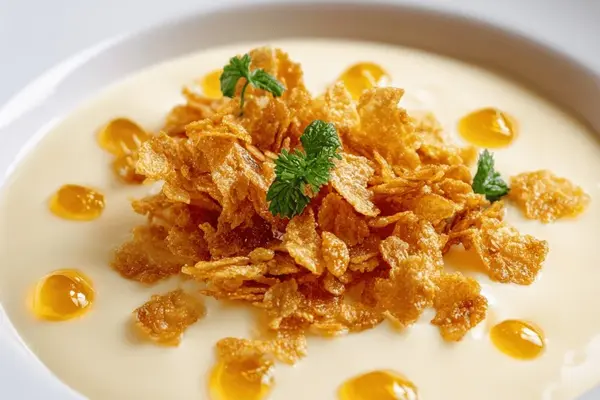
Corn Cream & Caramel Cornflakes Dessert

Crunchy Apple Fritters with Cinnamon
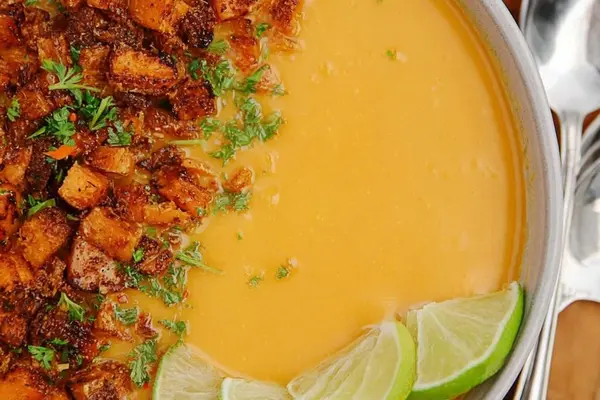
Spicy Sweet Potato Soup with Chorizo