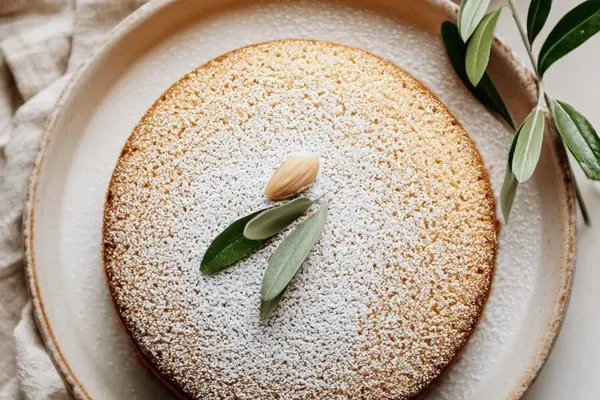
Cakes With Coconut: Easy Vanilla Cake
By Emma
Certified Culinary Professional
·
Recipe tested & approved
Cakes with coconut made simple. This vanilla cake uses coconut oil and almond milk for tender crumb. Flour, egg, and baking powder create reliable structure. Bakes 25-35 minutes in a heavy pan.
Prep:
15 min
Cook:
35 min
Total:
50 min
Servings:
6 servings
Butter the pan first. Then flour it. Center the rack.
Fifteen minutes of prep gets you a vanilla coconut cake that bakes in 35 minutes total. Not fussy. Just accurate — one 7-inch cast iron or enamel pan, almond milk instead of dairy, coconut oil instead of butter. The crumb stays soft because of how you cool it, not because of extra fat or fiddling.
Why You’ll Love This Vanilla Coconut Cake
Takes 50 minutes start to finish. Mostly waiting. Fifteen minutes of actual work and you’re done with your hands. Works as an easy dinner dessert because it’s not heavy, not rich, not the kind of cake that sits in your stomach. Almond milk makes it surprisingly tender — the cake has something almost delicate about it. Stores fine for two days covered. Gets better, actually. Not sure why. One pan. One mixer. Cleanup takes longer than the prepping.
What You Need for Coconut Oil Cake
Coconut oil — softened, not melted. Melted and the cake gets dense. Softened means it creams with the sugar instead of separating.
Sugar. Regular granulated. Seven tablespoons. That’s enough.
One large egg. Room temperature works better but cold eggs also work — just takes an extra 30 seconds to combine.
Vanilla extract. Half a teaspoon. Pure vanilla. The other stuff tastes like plastic.
Almond milk. Just under a third cup. Or regular milk. Oat milk works. Whatever you have.
Flour and baking powder mixed together first. Flour is 140 milliliters. Baking powder is six milliliters — one and a quarter teaspoons. Whisk them in a bowl. If the flour looks clumpy, sift it. Dry spots in the cake are depressing.
How to Make Coconut Cake in One Pan
Oven goes to 175 Celsius — 350 Fahrenheit. Rack in the middle.
Butter and flour the pan. Cast iron or enamel preheated in the oven works better than cold. Twelve minutes at temperature, then butter it, then flour it. The pan stays warm and level, and the batter starts cooking faster on the bottom, which means the crumb sets tighter.
Mixer on medium — coconut oil and sugar together. Three minutes. You’ll hear the sugar crackling. That crackle means air’s getting incorporated, which means the cake rises. Don’t skip this. People do and the cake comes out flat.
Add the egg. Add the vanilla. Beat until it’s just combined. Half a minute. Don’t overmix the egg — the whites toughen and the cake gets tighter than it should be.
Dry mix goes in now. But not all at once. A quarter of the dry. Then a splash of almond milk. Then another quarter dry. Then milk again. Dry, milk, dry, milk, dry. Last thing is always dry. Fold it — don’t beat it. Beating develops gluten and you want the opposite of that.
The batter is thick but pourable. Glossy looking. Pour it into the pan.
Tap the pan on the counter three times. Releases air bubbles, makes the crumb finer.
How to Get Coconut Cake Golden and Tender
Bake 25 to 35 minutes. Start checking at 25.
Toothpick in the center. If it comes out clean or with barely a few damp crumbs, it’s done. If batter sticks thick, add five more minutes. The edges will start pulling away from the pan slightly. The top gets golden — not pale, not dark. That color.
Out of the oven. Let it sit in the pan for ten minutes. The edges set but the cake’s still warm.
This is where most people mess up the cake — the invert. Pan on top of the cake, flip together, then lift the pan away slowly. Gently. Your pan rim needs to be wiped clean first so it doesn’t stick, and you need to run a thin paring knife around the inside edge to loosen it. Not deep — just a quarter inch from the edge, all the way around. Then invert.
The cake cools on a rack but with the warm pan on top for another five minutes. Traps moisture. Keeps the crumb soft. Without the pan sitting on top, the cake dries out and gets mealy.
Cool completely. Eager hands rip it apart. Worth waiting.
Coconut Cake Tips and Common Mistakes
The egg has to be room temperature or close. Cold eggs don’t mix evenly and you get pockets of unincorporated egg white that taste weird.
Coconut oil melted is different from coconut oil softened. Melted means it separates from the sugar and the cake gets dense and greasy. Softened means it’s sitting at room temperature for 30 minutes so it’s soft but still solid. That’s the one.
Sift the flour if it’s been sitting in humidity. Clumpy flour means dense cake.
Creaming the oil and sugar actually matters. That three minutes of mixing adds air and makes the cake rise. It’s not just tradition.
The cooling thing with the pan on top — try it once and you’ll see the difference. Moisture stays in. Texture’s better.
Almond milk for regular milk works because it’s thinner and the cake bakes faster without curdling. Oat milk also works. Coconut milk makes it taste too coconutty and thick.
Don’t open the oven door before 25 minutes. Temperature drops and the cake doesn’t rise right. After 25, peek if you want.
Cakes With Coconut: Easy Vanilla Cake
Prep:
15 min
Cook:
35 min
Total:
50 min
Servings:
6 servings
Ingredients
- 140 ml (9 tbsp plus 1 tsp) unbleached all-purpose flour
- 6 ml (1 1/4 tsp) baking powder
- 85 ml (5 1/2 tbsp) coconut oil, softened
- 105 ml (7 tbsp) granulated sugar
- 1 large egg
- 2,5 ml (1/2 tsp) pure vanilla extract
- 70 ml (just under 1/3 cup) almond milk
Method
- 1 Preheat oven to 175C (350F). Position the rack center. Butter and flour a heavy 18cm (7-inch) oven-safe pan with at least 2L capacity. I prefer cast iron or enamel for even heat; barely any sticking here.
- 2 Whisk flour and baking powder thoroughly in medium bowl. Sift if clumpy; no one wants dense spots. Set aside. This dry mix ensures the cake rises evenly without bitter aftertaste from too much baking powder.
- 3 Using electric mixer, cream softened coconut oil and sugar until light and creamy. I usually do this 3 minutes medium speed. You should hear the sugar crackle softly between beaters. Adds volume.
- 4 Add egg and vanilla, beat just until combined. No overmix; egg whites can toughen cake if whipped too long.
- 5 Alternate adding dry mix and almond milk in batches to the wet mix. Start and end with dry. Fold gently to avoid gluten development—cake stays tender but structured.
- 6 Pour batter into prepared pan. Tap pan on counter to release air bubbles. Makes the crumb finer, no holes. The batter looks glossy, thick but pourable.
- 7 Bake 25-35 minutes. At 25, start needle test: insert toothpick center; clean or with a few moist crumbs, perfect. If batter sticks, add 5 more minutes. Cake edges will pull away from pan slightly and top should be golden, not pale.
- 8 Remove pan from oven. Let sit 10 minutes; edges set but cake still warm.
- 9 Invert cake onto wire rack, leaving pan atop if possible to keep warmth and humidity harnessed. This cool-down traps moisture, keeping crumb soft. It took trial and error for me to not break the cake here; wiping pan rim and loosening sides with a thin paring knife first helps immensely.
- 10 Cool completely before slicing. Eager hands risk tearing.
- 11 Serve plain, dust with powdered sugar, or add fresh berries. Taste shows subtle vanilla, faint coconut warmth, and delicate crumb from almond milk substitution.
Nutritional information
Calories
220
Protein
3g
Carbs
28g
Fat
10g
Frequently Asked Questions About Cakes With Coconut
Can I make this cakes with coconut recipe using coconut flour instead? Not the same thing. Coconut flour absorbs way more liquid and you’d need a different ratio entirely. Stick with all-purpose here.
Does this vanilla pan cake work with regular milk instead of almond milk? Yeah. Whole milk, 2%, whatever. Almond milk just gives a slightly softer crumb because it’s thinner. Regular milk works fine.
How long does this coconut oil cake keep? Two days covered at room temperature. Gets better, actually — the crumb sets up a bit. After that, fridge it. Lasts another three days but tastes drier.
Why use coconut oil instead of butter in this cake using coconut oil? Coconut oil stays softer when creamed. Butter gets hard at room temperature and you have to work it more, which sometimes makes the cake tighter. Also coconut oil doesn’t separate as easily from the sugar.
Can I use lemon cake with coconut — meaning, can I add lemon zest to this? Sure. Half a teaspoon lemon zest with the vanilla. Works. The coconut flavor gets quieter but it’s still there.
What if the cake comes out dense? Probably didn’t cream the oil and sugar long enough. Or the egg was cold. Or it baked too long. Next time, spend the full three minutes creaming and check at 25 minutes instead of guessing.
Is this sponge cake coconut — fluffy and light? Lighter than a pound cake. Not as airy as a sponge because there’s only one egg. It’s between the two. Tender and structured both.
You’ll Love These Too
Explore all →
Quinoa Pork Meatball Soup with Udon

Tteokbokki Recipe with Pork and Gochujang

Ginger Tea For Sore Throat Relief
No Bake Blackberry Cheesecake with Greek Yogurt

Chipotle Three Cheese Toast with Smoky Gouda

Glazed Beets with Grapefruit and Fresh Basil

Sesame Beef Noodles with Soy Sauce

Cantaloupe Feta Salad with Blueberries
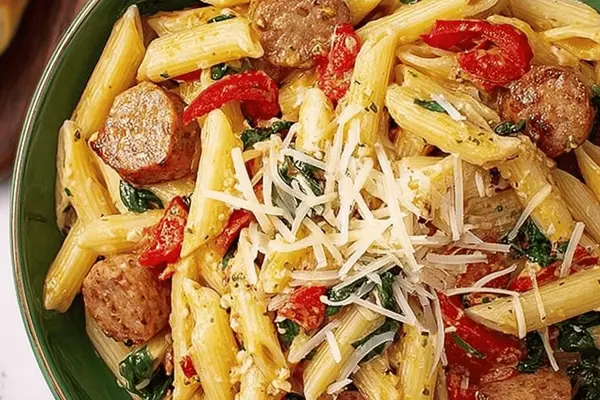
Sausage Pasta with Spinach and Tomatoes

Tequila Sour Cocktail Recipe
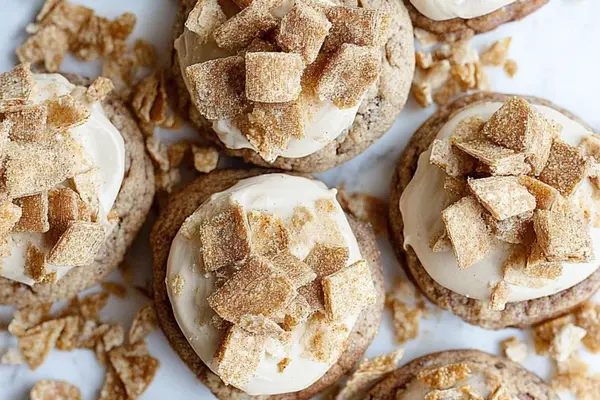
Cinnamon Toast Crunch Cookies Recipe

Herb Goat Cheese Dip with Greek Yogurt
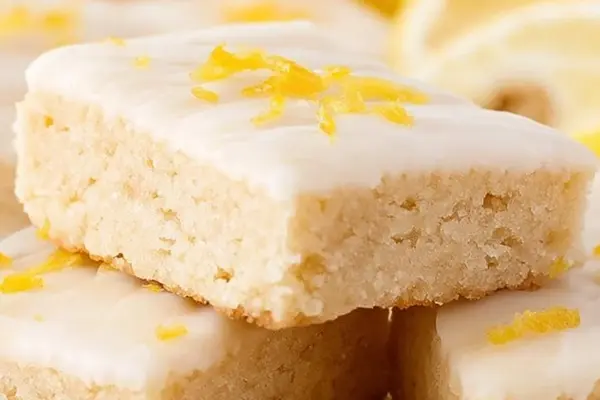
Shortbread Millionaire with Lemon Glaze

Club Sandwich with Bacon, Eggs & Tomato
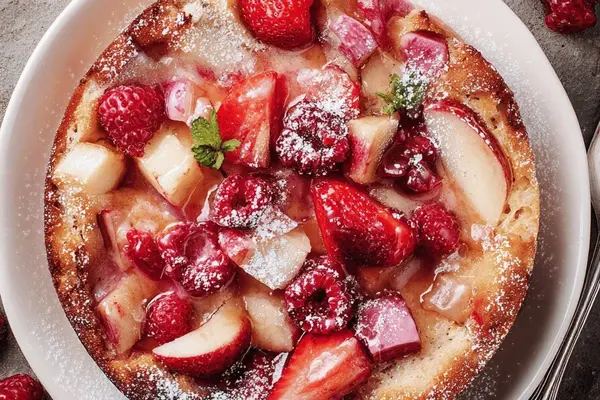
Chocolate Pudding Fruit with Berries

Oreo Oreos: Red Velvet Cream Cheese Cookies
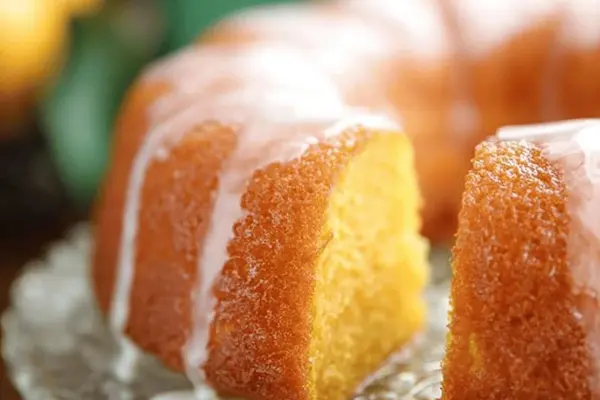
Lemon Apricot Nectar Cake with Glaze

Curried Chicken Salad Toasts with Turmeric
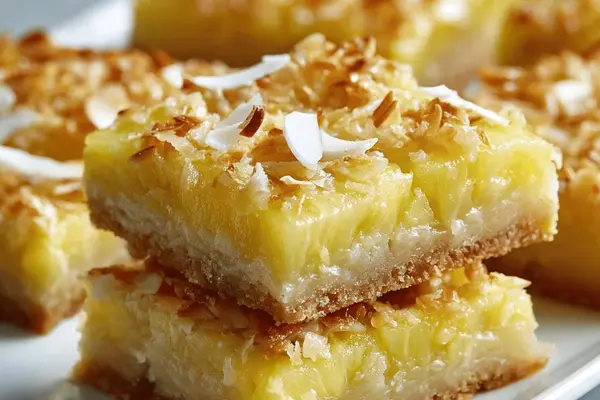
Pineapple Coconut Bars with Oat Crust