
Vanilla Cake Recipe with Sour Cream
By Emma
Certified Culinary Professional
·
Recipe tested & approved
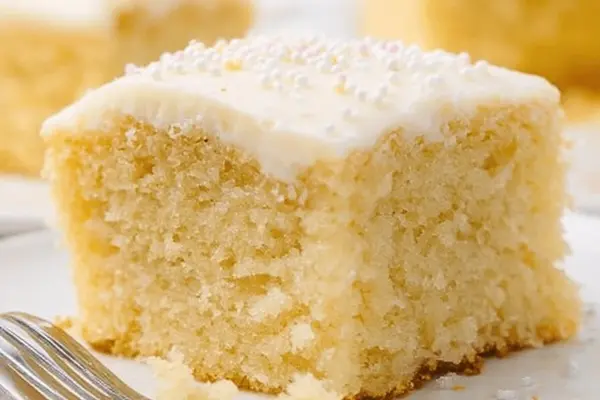
Preheat to 345. Grease the pan. That’s where it starts. Most people do 350 and their vanilla cake cracks down the middle before it even rises right. Lower temp, longer bake, actually works. The cake comes out level. Stays moist. This vanilla cake recipe does that because you’re not blasting it.
Why You’ll Love This Vanilla Cake
Takes 44 minutes total. Twelve minutes of prep if you’re not rushing. The crumb. Dense but not heavy. Sour cream does that — keeps it tender all the way through without feeling wet. Makes enough to actually eat. Not a tiny sad thing. Feeds people. Works frosted or plain. Almond extract is optional but it’s there. Most vanilla cakes taste like one thing. This one has something else happening in the background. Doesn’t taste like almonds. Just tastes less flat. Stores fine for days. Cold cake is sometimes better than warm cake — sweeter, easier to cut, frosting sets right.
What You Need for Simple Vanilla Cake
Cake flour. Not all-purpose. Matters more than people think. Lower protein, softer crumb.
Sugar. One cup. You can use less if you don’t want it sweet — reduce by 2 tablespoons and it’s still good, just quieter.
Baking powder. One tablespoon. Make sure it’s fresh. Old powder makes dense cake. Replace it every six months if you bake.
Salt. Half a teaspoon. Sounds small. Makes vanilla taste like vanilla instead of sweet nothing.
Oil. Half a cup vegetable oil. Can swap half of it for melted butter if you want more flavor. Butter alone makes it dense.
Milk. Whole milk works. Buttermilk works too — adds tang. Either way, half a cup.
Sour cream. Half a cup. Greek yogurt if that’s what you have. Both keep the cake moist and add slight tang that cuts sweetness.
Egg. One large egg. Just one. More eggs and it gets cakey in a bad way — bouncy, almost rubbery.
Vanilla extract. One teaspoon. Pure vanilla. Not imitation. There’s a difference.
Almond extract. Quarter teaspoon. Optional. Adds a note that most people can’t identify but notice. Skip it if you don’t have it. Add it if you do.
For the frosting — butter, vanilla, powdered sugar, milk. Optional but makes it better.
How to Make Vanilla Cake Step by Step
Heat oven to 345 degrees. This matters. Grease your 8x8 pan with nonstick spray or parchment. The lower temperature means the edges don’t set before the center rises, so the cake comes out level instead of cracked.
Whisk together flour, sugar, baking powder, salt in a medium bowl. Mix it for a minute. You’re distributing the baking powder evenly so you don’t get bitter pockets where it settles. This step actually matters.
Separate bowl. Combine oil, milk, sour cream, egg, vanilla, almond extract. Whisk but don’t go crazy. You’re mixing the wet ingredients, not aerating them. Too much whisking and you’re adding air bubbles that collapse during bake.
Fold the wet into the dry. Do this gently. Stop as soon as the flour disappears. Streaks are fine. Lumps are fine. Overmixing develops gluten and your vanilla cake gets tough. It’s tight but pourable at this point.
Pour into pan. Tap it on the counter once or twice. Settles the batter and gets rid of air pockets that would make holes.
Bake 27 to 32 minutes. Start checking at 27. Toothpick should come out clean or with a few moist crumbs. The edges should pull away from the pan a tiny bit. Top should feel springy when you touch it — bounces back instead of staying pushed in.
Cool completely in the pan. At least an hour. Maybe longer. Warm cake and frosting don’t go together. The frosting melts and slides off. Wait.
How to Get Vanilla Cake Actually Moist
The sour cream and oil combo is the thing. Oil keeps it tender longer than butter alone. Sour cream adds moisture and slight tang that makes vanilla taste better. They work together.
Don’t overbake. That’s the other thing. Check at 27 minutes. If you wait until 35, it dries out. The last few minutes matter more than people think. A few crumbs on the toothpick is done. A clean toothpick means you’re close but not there yet.
Cool it all the way. Room temperature completely. This finishes the cooking gently. Warm cake is still cooking. Cool cake stops cooking and stays tender.
If you make frosting — and you should — let the cake cool first. Frosting on warm cake slides. Frosting on cool cake sticks and spreads smooth.
Vanilla Cake Tips and Common Mistakes
Fresh baking powder. Old powder makes dense cake. It stops working after a few months even in a sealed container. Replace it every six months if you bake regularly. More if you don’t.
Don’t overmix the batter. Gluten develops and the cake gets tough. Mix just until the flour’s gone. Takes maybe 10 seconds of folding. That’s it.
The 345 degree temperature isn’t a typo. Most recipes say 350. That extra 5 degrees burns the edges before the center bakes. Go lower. Takes a few extra minutes. Comes out better.
Sour cream versus Greek yogurt — both work. Greek yogurt is thicker, so the batter might be slightly thicker. Add a tablespoon more milk if it looks too thick. Sour cream is more traditional. Doesn’t matter which one.
Almond extract — use it or don’t. A quarter teaspoon is all you need. More than that and it tastes medicinal. If you use it, it should be subtle. You shouldn’t taste almond. Just something slightly less one-note.
If the frosting cracks or looks greasy, refrigerate it for 10 minutes. Then try spreading again. Cold frosting spreads. Warm frosting doesn’t.
Storage — airtight container at room temperature keeps it moist for 2 to 3 days. Frosted cake goes in the fridge. Let it come back to room temperature before eating. Cold frosting is too firm.
Vanilla Cake Recipe with Sour Cream
Prep:
12 min
Cook:
32 min
Total:
44 min
Servings:
9 servings
Ingredients
- 1 ¾ cups cake flour
- 1 cup granulated sugar (reduce by 2 tbsp if preferred less sweet)
- 1 tbsp baking powder
- ½ tsp salt
- ½ cup vegetable oil (can swap half with melted butter for flavor)
- ½ cup milk (whole preferred, or buttermilk for tang)
- ½ cup sour cream (plain Greek yogurt for slight tang and thickness)
- 1 large egg
- 1 tsp pure vanilla extract
- ¼ tsp almond extract (optional but adds a nice note)
- nonstick spray for pan
- Frosting (optional):
- ½ cup unsalted butter, softened
- 1 tsp vanilla extract
- 1 ½ cups powdered sugar (adjust for desired sweetness and consistency)
- 2–3 tbsp milk
Method
- 1 Preheat oven to 345°F. Grease an 8x8 pan well with nonstick spray or line with parchment. The lower temp reduces cracking and encourages even rise.
- 2 In medium bowl, whisk cake flour, sugar, baking powder, and salt thoroughly. This distributes leavening and salt evenly to avoid bitter pockets.
- 3 In separate bowl, combine oil, milk, sour cream, egg, vanilla, and almond extract. Whisk but don’t aerate too much. You want the fat well combined without bubbles.
- 4 Fold wet into dry gently. Do NOT overmix. Stop folding once no flour streaks remain. Batter will be thick but fluid. Overworking develops gluten, tough cake.
- 5 Pour batter into prepared pan. Tap pan gently on counter once or twice to settle batter and release big air bubbles.
- 6 Bake 27–32 minutes. Start checking at 27 mins with a toothpick or skewer: clean or with a few moist crumbs is done. Look for edges pulling away slightly and a springy top that bounces back.
- 7 Remove from oven. Let cool completely in pan — at least an hour. Warm cake makes frosting greasy and melts it down.
- 8 Frosting (optional): Beat softened butter and vanilla in medium bowl on medium-high speed about 1 to 1½ minutes until creamy and light colored. Scrape bowl sides.
- 9 Turn mixer to low; gradually add powdered sugar and 2 tablespoons milk. Increase speed to medium; mix 1½–2 minutes till fluffier but don’t overdo or it separates. Adjust milk or sugar for consistency; frosting should be thick enough to spread but soft.
- 10 Use offset or silicone spatula to frost fully cooled cake evenly. Chill briefly to set if too soft.
- 11 If frosting cracks or feels greasy, refrigerate 10 minutes. Let come closer to room temp before serving for best texture.
- 12 Substitutions: Use equal whole wheat pastry flour for a nuttier flavor but expect denser crumb. Swap sour cream for plain full-fat Greek yogurt if needed to maintain moisture and tang.
- 13 If no almond extract, skip or add a drop more vanilla. Overuse almond can taste bitter or medicinal.
- 14 Troubleshooting: Too dense? Check baking powder freshness and don’t overmix. Underbaked? Increase oven time by 3–5 minutes but watch carefully to avoid drying. Cake should feel light and bounce back when gently pressed.
- 15 Storing cake in airtight container at room temp keeps moist 2–3 days. Frosted cake refrigerate and bring to room temp before eating.
Nutritional information
Calories
4200
Protein
64
Carbs
610
Fat
171
Frequently Asked Questions About Vanilla Cake Recipes
What’s the difference between this vanilla cake and basic sponge cake? The sour cream and oil. Most sponge cake uses butter and is whipped. This one uses oil and sour cream — ends up moister, denser, stays soft longer.
Can I make this as cupcakes? Yes. Same batter. Cupcakes bake faster though — maybe 18 to 22 minutes instead of 27 to 32. Check early and often. They dry out quick.
Why does my vanilla cake crack on top? Temperature’s too high usually. Try 345 like the recipe says. Also don’t open the oven door until minute 25. Cold air hitting hot cake makes it crack.
How do I make this recipe for simple cake less sweet? Reduce the sugar by 2 tablespoons. Sounds like nothing. Changes the whole thing. The vanilla comes through more.
Can I skip the almond extract? Yes. Nothing happens if you do. It’s optional. Most people don’t notice it’s missing.
How long does frosted vanilla cake last? Three days in the fridge, covered. Room temperature it goes stale faster — maybe 24 hours. Cold is better for storage.
Is there an easy simple vanilla cake recipe without frosting? This one is it. Cake’s good plain. Dust it with powdered sugar if you want something on top. That counts as frosting sometimes.
What if my cake is dense? Baking powder was old. Or you overmixed. Can’t fix it this time. Next time use new baking powder and fold gently. Stop as soon as flour’s gone.
Why use oil instead of butter? Oil keeps it tender longer. Butter makes it crumble slightly. Oil and sour cream together — that’s the combo that works.
Can I use almond flour instead of cake flour? No. Different thing. Almond flour is mostly fat. Cake flour is starch and protein. They don’t work the same way.
You’ll Love These Too
Explore all →
Apple Jelly Recipe with Lemon and Sugar
No Bake Cookie Recipe With Peanut Butter
Crispy Fried Eggplant Pita Sandwich
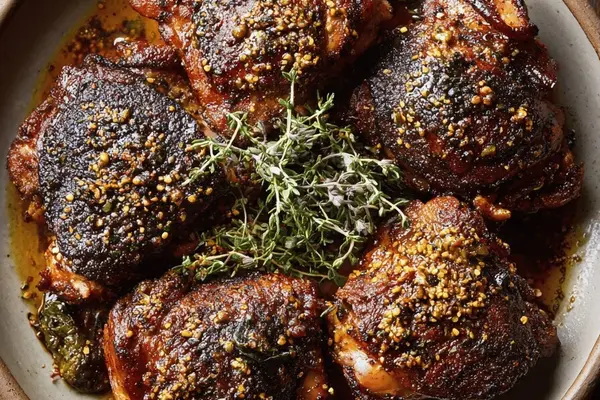
Turkey Thigh Recipes with Spiced Salt Rub

Chilaquiles Recipe with Turkey Broth

Kielbasa Potato Soup with Sauerkraut

Poached Salmon in Horseradish Milk with Dill
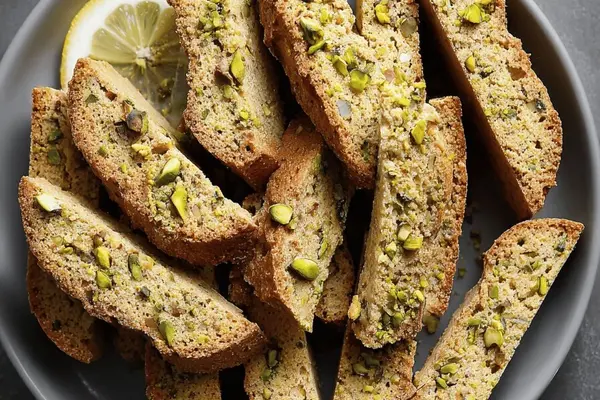
Pistachio Cookies with Lemon Zest

Peach Mozzarella Salad with Burrata & Harissa

Fluffy Omelette with Ricotta Salata

Broccoli Bacon Quiche with Feta & Nutmeg
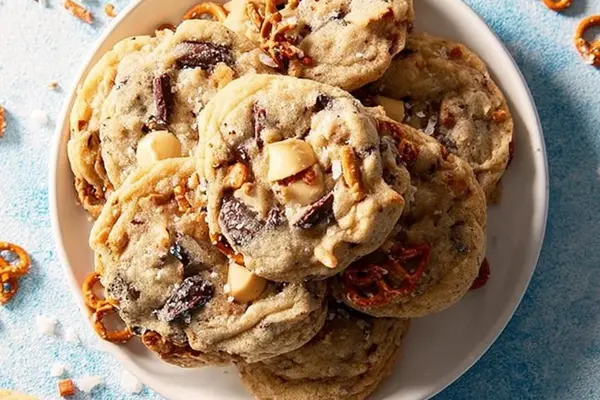
Kitchen Sink Cookies with Chocolate Chips
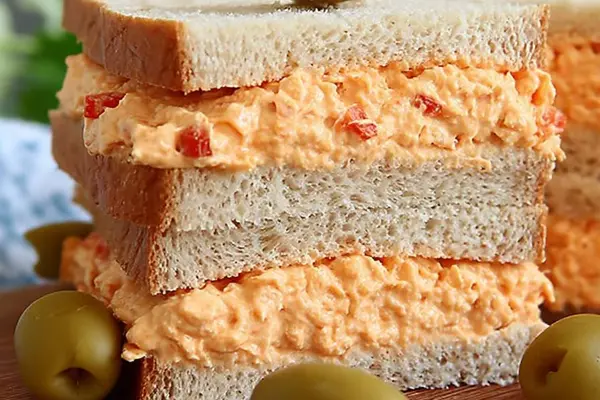
Pimento Spread Recipe with Sharp Cheddar
Chocolate Chip Cookie Recipe with Caramel
Layered Pumpkin Spice Pie No-Bake Recipe

Glazed Carrots with Maple Syrup & Brown Sugar
Marinated Bavette Steak with Cilantro Sauce
Chocolate Chip Cookie Ice Cream Sandwiches

Tofu Stir Fry with Bell Peppers & Zucchini