Apple Crumble Recipes with Walnuts
By Emma
Certified Culinary Professional
·
Recipe tested & approved
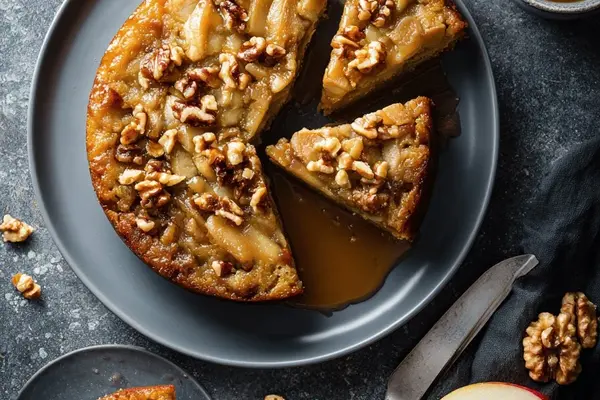
Butter the pan first. Brown sugar and walnuts go down, cake batter goes in, and something magic happens underneath while it bakes. Flip it out of the oven and there’s this sticky caramel layer waiting. Takes about an hour and twenty minutes total—25 minutes to prep, 55 to bake—and most of that is just oven time anyway.
Why You’ll Love This Apple Crumble
Warm cake with that sticky caramel pooling underneath when you cut into it. The apples keep it moist, walnuts add crunch that doesn’t quit. Takes an hour and twenty minutes but most of that’s hands-off baking. Almond milk works perfectly here—doesn’t make it taste like almonds, just lightens everything. Tastes better the next day, honestly. Flavors actually marry overnight.
What You Need for Apple Crumble
Softened butter—200 ml, which is basically a stick. Brown sugar and regular white sugar both matter; don’t skip the brown one, it melts differently and releases something aromatic. Walnuts should be toasted already; if they’re raw, toast them in a dry pan first, five minutes, gets them nuttier. Two large eggs. Fresh apples, peeled and grated on the coarse side—they’ll be damp, that’s the point. All-purpose flour, baking powder. Almond milk instead of regular milk, though regular works if that’s what you have.
For the caramel—warm water, heavy cream at 35% fat, cinnamon, nutmeg. That’s it.
How to Make Apple Crumble
Heat the oven to 175°C. Butter an 8-inch tube pan thoroughly—like actually butter it, not a swipe. The thickness helps the caramel seep into the cake without burning it black.
Mix half the butter with the brown sugar. Don’t overdo it. You want a grainy texture, something that melts slowly and fills the pan base with all that sugar aroma. Spread it flat. Throw the walnuts on top, spread them evenly. They’ll toast slightly just sitting in the warm pan before the batter goes in.
Grab the other half of butter and the white sugar, use an electric mixer and cream them until it’s light and fluffy. Don’t rush this part. Air folds into the batter and that’s what keeps it from being dense and heavy. Add eggs one at a time, fully incorporated before the next one goes in. Then fold in the grated apples. They’ll be wet. Apples vary—some are juicier—this moisture matters because it balances everything later.
Getting the Crumble Texture Right
Sift the flour with the baking powder. Alternate adding this with the almond milk—helps prevent lumps, keeps the batter cohesive without making it wet. The texture should drip like thick honey. Not stiff. Not soupy. Just something that holds shape for a second.
Pour the batter gently into the pan. Try to keep the walnuts mostly on the base underneath. The batter covers them and simmers underneath while it bakes, forming that sticky topping.
Bake 45 to 50 minutes on the middle rack. Skip the timer obsession and actually look at it. Golden edges should curl slightly, the top springy when you touch it gently but not jiggly. Insert a skewer near the center. Moist crumbs clinging to it means it’s done. Raw batter means it needs more time. If it’s too wet, add five minutes and watch closely so it doesn’t dry out.
Cool it ten minutes loosely covered with foil. Too cold and the cake hardens, or the caramel cracks when you flip it. Run a knife carefully around the edges. The tap sound should tell you it’s released. Then flip it onto a large plate.
Apple Crumble Caramel Sauce and Serving Tips
Bring the sugar and half the warm water to a boil in a heavy saucepan. Don’t stir. Just swirl the pan gently and watch the color shift from pale to amber. Don’t walk away. When it gets that deep amber—that’s your cue. Remove it immediately. Residual heat keeps browning it so you have to get ahead of it.
Quickly add the remaining warm water to stop the cooking. The caramel hisses and steams aggressively. Be careful. Stir gently until the lumps dissolve into shimmering syrup.
Stream in the cream slowly while stirring. The sauce thickens instantly, glossy texture emerging fast. Add the cinnamon and nutmeg. That aromatic warmth infuses everything.
Simmer just two or three minutes. Sauce should be thick but still pourable. Remove from heat and let it cool slightly—it’ll thicken more.
Drizzle it over the cake while everything’s still warm. Serve warm or room temperature. Leftovers reheat gently over low heat, stirring to revive the glossy state. The cake stands well the next day. Flavors actually marry overnight. Try it with whipped cream or vanilla ice cream for contrast.
Apple Crumble Recipes with Walnuts
Prep:
25 min
Cook:
55 min
Total:
1h 20min
Servings:
8 servings
Ingredients
- 200 ml softened unsalted butter
- 100 ml packed light brown sugar
- 125 ml toasted walnuts, chopped
- 200 ml white sugar
- 2 large eggs
- 200 ml peeled apple, coarsely grated
- 350 ml all-purpose flour
- 8 ml baking powder
- 150 ml almond milk
- Caramel Sauce
- 100 ml warm water
- 125 ml 35% heavy cream
- 5 ml ground cinnamon
- 3 ml freshly grated nutmeg
Method
- Cake
- 1 Heat oven to 175°C. Butter an 8-inch tube pan thoroughly – thickness helps caramel seep without burning.
- 2 Mix half butter with brown sugar—grainy texture melts slower releasing aroma. Spread evenly over pan base. Sprinkle walnuts evenly. Watch nuts toast slightly in oven warmth if pre-toasted, add that nuttiness punch.
- 3 Using electric mixer, cream remaining butter and white sugar until light, fluffy—don’t rush, air folds lighten dense batter. Add eggs one by one, fully incorporated before next. Fold in grated apples, note dampness; apples vary, this adds moisture, balance seen later.
- 4 Sift combined flour with baking powder, slowly alternate with almond milk. Helps prevent lumps, keeps batter cohesive but not wet. Batter texture should drip like thick honey, not stiff but hold shape.
- 5 Pour into pan gently, ensure walnuts stay mostly on base, batter covers nuts simmers underneath forming sticky topping.
- 6 Bake 45–50 minutes mid-rack. Skip timer obsession–look for golden edges curling slightly, top springy to gentle touch but not jiggly. Insert skewer near center, moist crumbs signal readiness not raw batter. If too wet, additional 5 minutes, watching closely avoid dryness.
- 7 Cool 10 minutes loosely covered with foil; too cold cake or hard caramel leads to cracking when inverted. Run a knife carefully around edges before flipping onto large plate. Tap sound should release cake cleanly.
- Caramel Sauce
- 8 Bring sugar and half water to boil in heavy saucepan. No stirring, swirl pan gently, watch color change from pale to amber—your cue, don’t walk away. Residual heat continues browning so remove just as deep amber forms.
- 9 Quickly add remaining warm water to stop cooking sugar crystals, be careful—caramel hiss and steam aggressively. Stir gently till lumps dissolve in shimmering syrup.
- 10 Stream in cream slowly while stirring; sauce thickens instantly, glossy texture emerging. Add cinnamon and nutmeg, aromatic warmth infuses sauce.
- 11 Simmer just 2–3 minutes. Sauce thick but pourable. Remove from heat, cool slightly to thicken further before drizzling over cake.
- 12 Serve warm or room temp. Leftovers reheat gently over low heat, stirring to revive glossy state. Cake stands well next day, flavors marry overnight—try with whipped cream or vanilla ice cream for contrast.
Nutritional information
Calories
420
Protein
5g
Carbs
55g
Fat
22g
Frequently Asked Questions About Apple Crumble
Can I use regular milk instead of almond milk? Yeah. Works fine. Almond milk just keeps it slightly lighter, but the apple adds moisture anyway so regular milk does the job.
What if I don’t have walnuts? Pecans work. Almonds work too—almond goes well with apples. Honestly, I’ve made it without nuts and it’s still good. Just skip them if you need to.
How do I know when the caramel is the right color? Deep amber. Like the color of old honey. Not light golden, not burnt. If it smells sharp and acrid, you’ve gone too far. It happens fast. Watch it the whole time.
Can I make this ahead? Cake’s better the next day. Keep it covered. Make the caramel the day you serve it or reheat it gently—cold caramel gets thick and stiff.
Why do you use both brown and white sugar? Brown sugar melts differently, releases more aroma, gives the base layer something sticky. White sugar in the batter. They do different things. Not worth swapping one for the other.
What happens if I flip it and the walnuts stick to the pan? They didn’t stay on the cake base. Make sure they’re spread evenly in the butter-sugar layer and the batter covers them completely. If some stick, just scrape them off the pan and press them back onto the cake. Doesn’t ruin it.
You’ll Love These Too
Explore all →
Homemade Pear Butter with Lemon Juice
No Knead Bread Recipe with Yogurt
Basil Mozzarella Tomato with Veal
Grilled Tilapia with Pineapple Salsa
Crunchy Cocoa Bites with Hazelnuts
Zucchini Fritters with Ricotta and Fresh Basil
Easy Hard-Boiled Eggs with Baking Soda
Conversation Heart Bark with Candy Wafers
pan fried steak cast iron
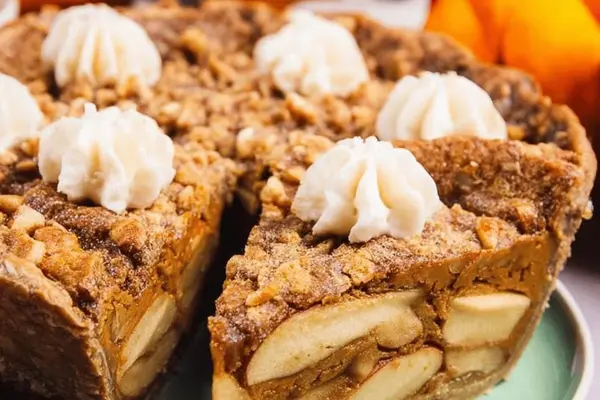
Pumpkin Pie Recipe with Pecan Crust
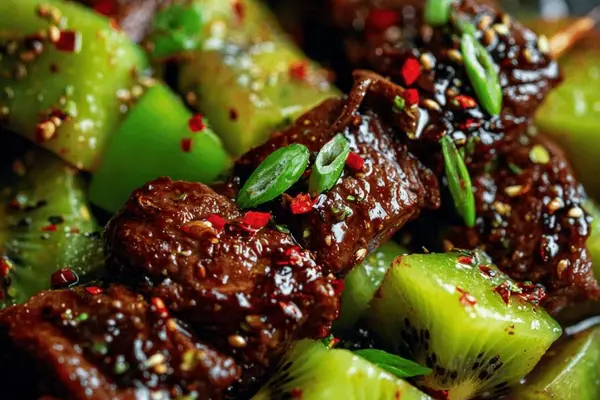
Korean Kiwi Beef Skewers with Soy Marinade
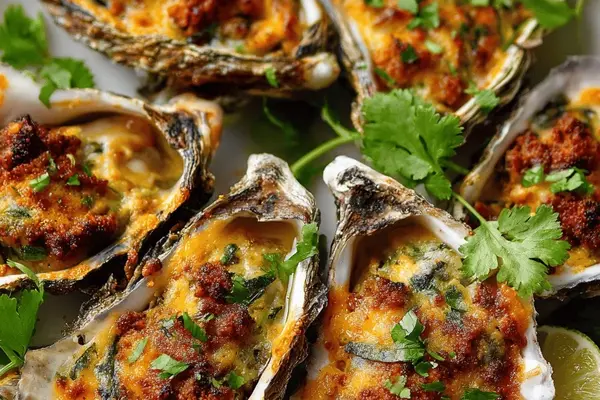
Chorizo Baked Oysters with Gouda Cheese
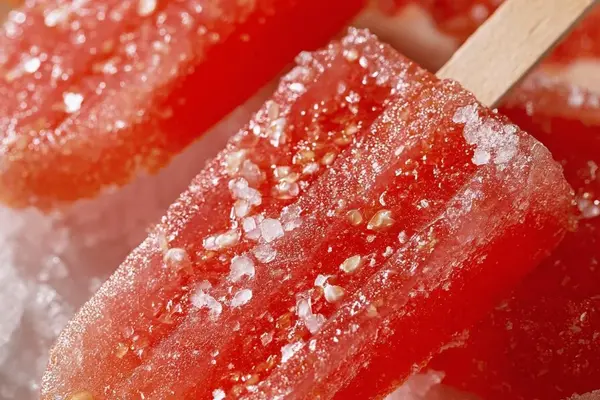
Grapefruit Syrup Snow Candy on Sticks
Biscuits and Gravy Casserole Recipe
Pork Chop Marinade with Smoked Paprika
Cosmopolitan Drink Recipe with Cranberry
Bacon Ranch Potato Salad
Bean Tostada Recipe: Quick 15-Minute Meal
Curried Chicken Toasts with Cucumber