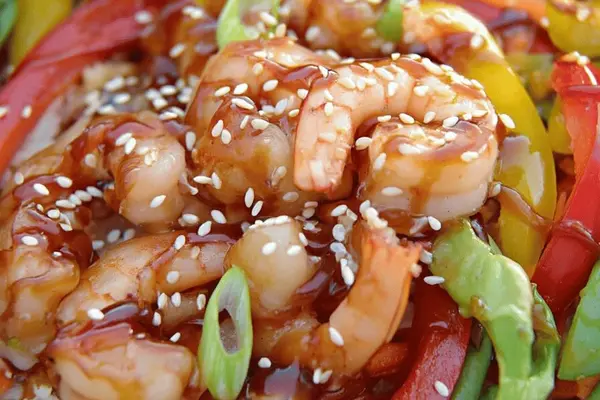
Shrimp Stir Fry with Bell Peppers
By Emma
Certified Culinary Professional
·
Recipe tested & approved
Quick shrimp stir fry loaded with red and yellow bell peppers, carrots, snap peas, and bean sprouts in teriyaki glaze. Served over sticky rice with sesame seeds.
Prep:
20 min
Cook:
18 min
Total:
38 min
Servings:
4 servings
Sesame oil hits the pan and immediately the kitchen smells like something’s about to happen. Forty minutes from raw shrimp to rice bowl — this is the kind of dinner that works on a weeknight because you’re not standing there for hours.
Why You’ll Love This Shrimp Stir Fry
Comes together in 38 minutes total. Actual speed — not fussed-up timing. One pot. One wok, technically, but if you don’t have one a big skillet does the job fine. Cleanup is what it is. The shrimp cooks fast enough that you don’t lose the snap in the vegetables. They stay actually crispy, not just warm and limp like some stir fry dishes. Asian flavors without feeling complicated. Sesame oil, teriyaki, rice vinegar — they’re all working together and you’re not managing three different sauces. Reheats better than expected. Cold the next day it’s still good. Maybe better.
What You Need for Sauteed Vegetables and Shrimp
Toasted sesame oil. Not regular sesame oil. The toasted kind has actual flavor — two and a quarter teaspoons is enough.
Red and yellow bell peppers, one of each, sliced. Color matters here. Looks good, tastes different — the yellow one’s almost sweet.
Red onion, thin slices. Half an onion. White onion doesn’t have the same complexity.
Carrots — three quarters of a cup grated or julienned thin. Thick chunks don’t work in stir fry. They stay hard.
Seasoned rice vinegar, one and a half tablespoons. Regular vinegar is too sharp. This one’s already sweetened a little.
Fine sea salt. Half a teaspoon. Not kosher — it distributes better in a stir fry.
Shrimp. One pound, large, peeled and deveined already. Raw. Not frozen-then-thawed if you can help it.
Sugar snap peas, one cup trimmed. Stays crisp.
Bean sprouts, one cup. They go in at the very end — no heat really, just a quick toss.
Teriyaki sauce. A cup and a quarter total. Store-bought works. Homemade is better but not necessary.
Sticky rice, four cups cooked. This is the base. Everything sits on top.
Toasted sesame seeds, a tablespoon. Scattered at the very end.
How to Make Shrimp Stir Fry
Get the sesame oil hot first. Medium-high heat in a large skillet or wok. You want it shimmering but not smoking — the surface should ripple when you tilt the pan. This is when you know it’s hot enough to lock in flavor instead of just warming things up.
Peppers go in first. Red slices, yellow slices, thin red onion strips. Add the grated carrots now too. Pour in the rice vinegar and salt. Immediately it starts to hiss and snap — that sound means it’s working. Stir constantly for three to four minutes. Watch the edges of the peppers. They soften just slightly but the inside stays crisp. That’s the target. Keep moving them around or they’ll go mushy and you don’t want that.
Raw shrimp slides in next with the sugar snap peas. The moment they hit the hot pan, the shrimp curl up and the color shifts from gray to pink with just a hint of white. That’s exactly what you’re watching for. Don’t time it. Watch it. Five to six minutes, stirring gently — rough handling breaks them apart. They toughen instantly if you leave them too long. Trust your eyes.
Bean sprouts come in, then the teriyaki sauce poured over everything. Stir just until mixed. One to two minutes and it’s done. The sauce thickens slightly from the pan heat and the shrimp glisten. They shouldn’t be drowning in it.
How to Get Crispy Sauteed Vegetables in a Stir Fry
The vegetables need heat and motion at the same time. High heat without stirring means the bottoms burn while the insides stay raw. Constant stirring on low heat means they steam instead of sauté. Medium-high and keep them moving — that’s the balance.
Rice vinegar does something most people miss. It’s not just acid. It’s brightening the vegetables as they cook, keeping them from going dull and tired-looking. The seasoning in it matters too — don’t swap for plain vinegar or the whole thing tastes off.
The sesame oil at the start sets the tone. Everything that cooks in it picks up that nutty thing that makes you know immediately it’s not just a regular stir fry. Don’t add more oil halfway through. That first amount is enough.
The shrimp cooks so fast that it pulls the whole dish together on timing. You can’t leave the vegetables in longer to soften more without overdoing the shrimp. This is where your actual attention matters. Phone down. Watch the pan.
Shrimp Stir Fry Tips and Common Mistakes
Overcrowding the pan is the killer move. If it’s too packed, everything steams instead of sautés. Work with what fits without piling things on top of each other. You’ll need the space.
The shrimp size matters. Large shrimp — one pound should be maybe twelve to sixteen pieces. Smaller shrimp cook too fast and dry out before you realize they’re done. Bigger ones have actual texture.
Don’t skip the rice vinegar step with the vegetables. Some people want to add everything at once. That works technically. The vegetables just taste flatter. The vinegar does actual work.
Sticky rice is the choice here, not jasmine or long-grain. It soaks up the sauce differently — holds it instead of letting it run off into the bowl. If you use the wrong rice, the whole thing eats differently.
The bean sprouts go in last because they don’t need cooking. Raw is the point. Heat just wilts them and they lose the snap.
Leftover shrimp stir fry reheats fine — low heat in a pan, not the microwave. The microwave makes the shrimp chewy. A pan with a little water brought back slow stays tender somehow.
Shrimp Stir Fry with Bell Peppers
Prep:
20 min
Cook:
18 min
Total:
38 min
Servings:
4 servings
Ingredients
- 2 1/4 teaspoons toasted sesame oil
- 1 red bell pepper sliced
- 1 yellow bell pepper sliced
- 1/2 red onion sliced thin
- 3/4 cup carrots grated or thin julienne
- 1 1/2 tablespoons seasoned rice vinegar
- 1/2 teaspoon fine sea salt
- 1 pound large raw shrimp peeled and deveined
- 1 cup sugar snap peas trimmed
- 1 cup bean sprouts
- 1 1/4 cup teriyaki sauce (homemade or store-bought)
- 4 cups cooked sticky rice
- 1 tablespoon toasted sesame seeds
Method
- 1 Heat 2 1/4 teaspoons sesame oil in a large skillet or wok over medium-high heat until shimmering but not smoking. The oil should ripple with heat—this seals in aromas.
- 2 Throw in sliced red and yellow bell peppers plus thin red onion strips. Add grated carrots, seasoned rice vinegar, and sea salt. Toss rapidly, letting the veggies sizzle with a faint snap. Cook 3-4 minutes. Look for softened edges but keep crunch alive—the vinegar brightens it all. Avoid sogginess by stirring often.
- 3 Slide raw shrimp and sugar snap peas into the pan. Immediate color change: shrimp curl, flesh turns opaque with a slight blush—trust your eyes not a timer. Cook 5-6 minutes, stirring gently. Shrimp overcooked will toughen, so watch closely.
- 4 Add bean sprouts and pour in 1 cup teriyaki sauce, stirring just enough to mix flavors and heat through for about 1-2 minutes. You want the shrimp to glisten with sauce, not drown. Sauce should thicken slightly on contact with hot pan.
- 5 Divide sticky rice into four bowls. Spoon teriyaki shrimp stir fry on top. Drizzle remaining 1/4 cup sauce over and sprinkle toasted sesame seeds. The seeds add a nutty crunch bite at the end.
- 6 Rest a minute, let rice soak the sauce a bit before mixing. Utility tip: leftover stir-fry stores well and reheats better than expected.
Nutritional information
Calories
420
Protein
32g
Carbs
55g
Fat
9g
Frequently Asked Questions About Shrimp Stir Fry Vegetables
Can I use frozen shrimp instead of fresh? Thaw them first. Completely. Pat them dry or they’ll release water into the pan and steam instead of sauté. Fresh is better but thawed works.
What if I don’t have a wok? Large skillet. Twelve inches ideally. Wok is just shape — the function is the same. High sides help with tossing but you can make it work without.
How do I know when the shrimp are actually done? They curl and turn opaque. That’s it. The moment the pink reaches the center, you’re done. Leave them thirty seconds longer and they toughen. Not worth it.
Can I add other vegetables to this sauteed vegetable mix? Bok choy, broccoli, green beans, cabbage — most things work. Keep them cut thin so they cook in the same time as the peppers and carrots. Thick pieces won’t finish cooking before the shrimp overdoes.
Is the teriyaki sauce the part that makes it taste Asian? That plus the sesame oil and the rice vinegar. All three together. Teriyaki alone would be too sweet. The vinegar balances it.
How do I store leftovers? Container in the fridge. Three days, maybe four. Don’t leave the rice and stir fry mixed together — keep them separate. Rice gets weird sitting in sauce overnight. Reheat the stir fry in a pan on low heat with a splash of water.
Can I make this without the rice? Sure. Noodles work. So does nothing if you’re eating it as a side. By itself it’s kind of a lot of sauce but it works.
What’s the difference between stir fry vegetables and sautéed vegetables? Stir fry is constant motion, higher heat, faster. Sauté is slower, lower heat, less frantic. This is stir fry — you’re moving the whole time.
You’ll Love These Too
Explore all →
Butternut Squash Pasta with Sage Cream
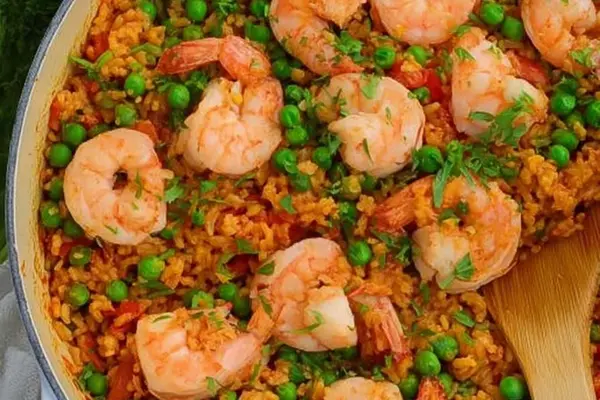
Saffron Rice with Shrimp and Smoked Sausage
Green Salad Recipe with Asparagus & Roasted Shallots
Corned Beef Cabbage Soup with Barley
Tuna Melt with Asparagus & Radish
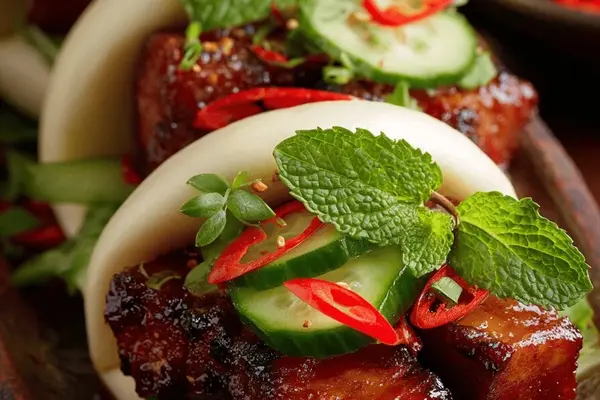
Belly Bao: Braised Pork Belly Buns
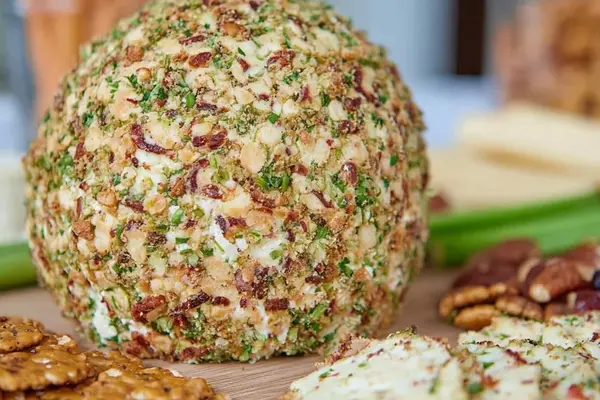
Cheddar Walnut Cheese Ball Recipe
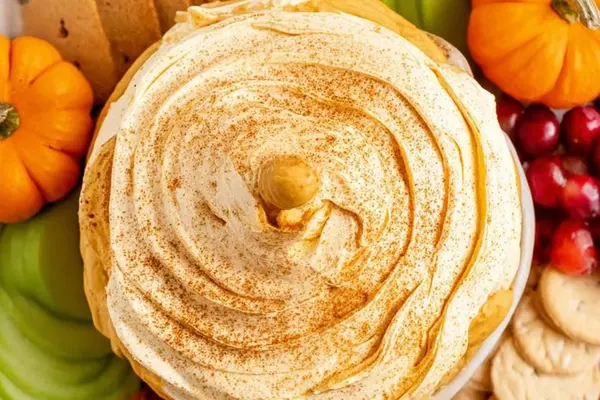
No Bake Cheesecake with Pumpkin & Vanilla

Peach Cupcakes with Cream Cheese Frosting
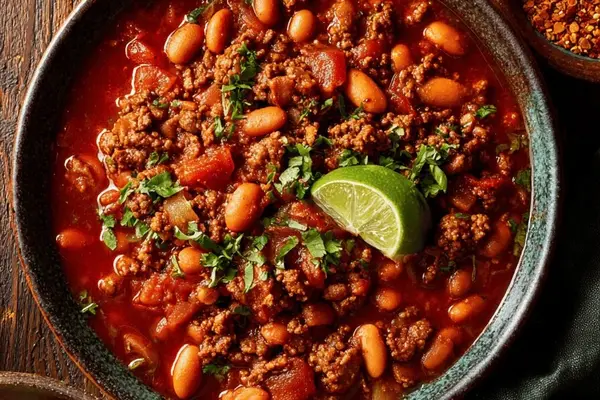
Chili Con Carne Dish with Ground Beef
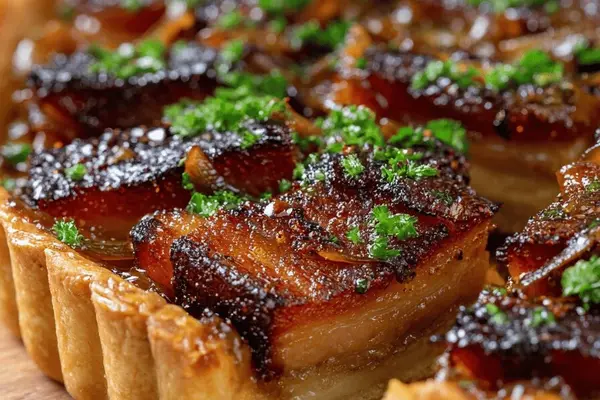
Maple Pork Belly Tart with Herb Crust
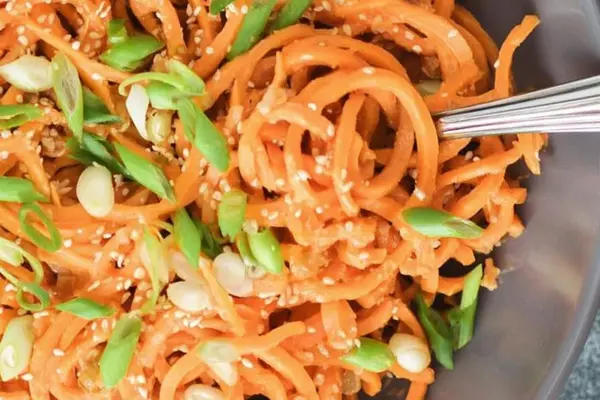
Chap Chae Recipe with Sweet Potato Noodles
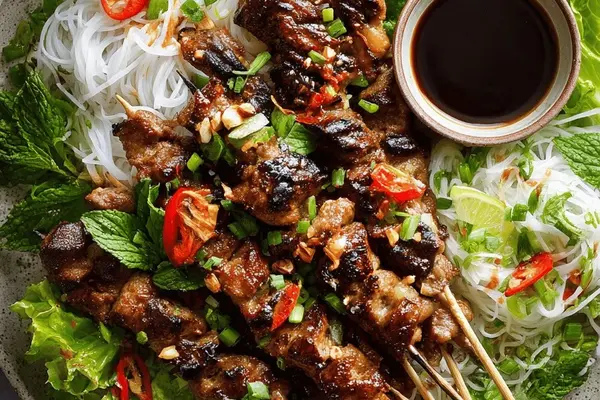
Shredded Pork BBQ with Garlic & Lime
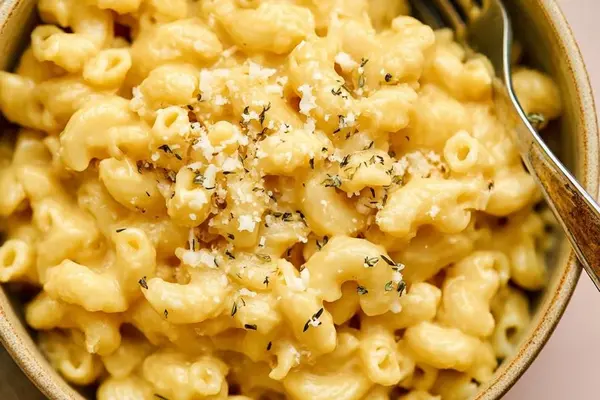
Butternut Squash Mac and Cheese Recipe
Double-Dipped Panko Onion Rings Recipe
Caramel Apple Cheesecake Dip Recipe
Grilled Eggs Recipe with Black Beans
Courtbouillon: Aromatic Poaching Broth
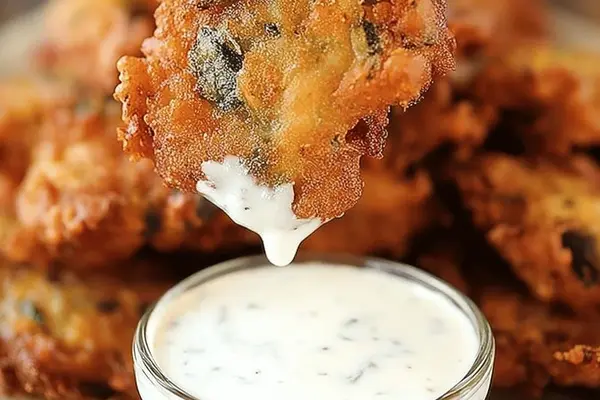
Crispy Dill Pickle Fritters with Cornmeal