Porcupine Meat Balls with Quinoa
By Emma
Certified Culinary Professional
·
Recipe tested & approved
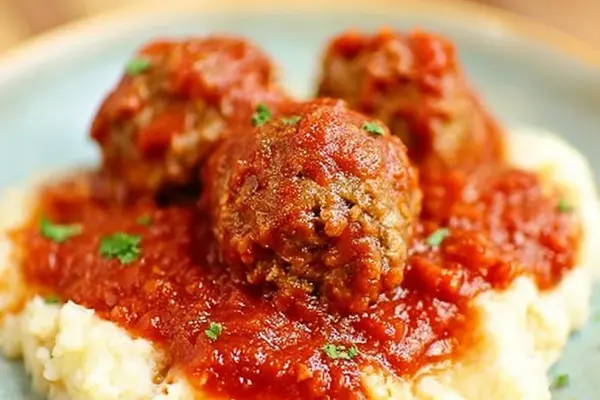
Porcupine meat balls made with ground beef and quinoa, simmered in V8 juice and tomato paste with smoked paprika. Juicy, rustic, and full of flavor.
Prep:
16 min
Cook:
19 min
Total:
35 min
Servings:
4 servings
Thirty-five minutes from start to hot plate. Ground beef, quinoa, V8 juice. That’s it. The meatballs puff up while they cook—those grains poking through the meat is where the name comes from, and honestly it works.
Why You’ll Love This Porcupine Meatball Recipe
Takes 16 minutes to prep, 19 to cook. One pot. Beef stays tender because the quinoa absorbs moisture as it steams inside the meatball. Tastes like comfort. Not fancy. Just works. Cleanup isn’t nothing, but one pan means you’re done faster than most dinners. Cold leftovers are weird—better warm them up. They taste better the next day somehow. Uses ingredients you probably have. Ground beef, quinoa, V8. That’s the core.
Ground Beef Meatballs Using Quinoa
Ground beef. A pound. 80/20 if you can find it—the fat keeps things from drying out. Regular works fine too.
Quinoa. Half a cup, uncooked. Rinse it first or don’t, honestly either works but rinsing helps. Bulgur swaps in. Couscous too if you’re out. The idea is something that puffs and holds moisture.
Onion. Finely chopped, half a cup. White or yellow. Doesn’t matter much. Adds sweetness and body.
Garlic. Two cloves, minced. Fresh. Garlic powder works if that’s what you have—maybe a quarter teaspoon instead, it’s stronger.
Salt. A teaspoon. Adjust after tasting the sauce.
Black pepper. Half a teaspoon, freshly ground. Better than the tin stuff. Not by much, but yeah.
V8 juice. A cup. Tomato juice works. Low-sodium vegetable juice too. The point is something tomatoey with body. V8 has that umami edge that tomato juice alone doesn’t.
Tomato paste. Two tablespoons. Deepens everything.
Smoked paprika. Half a teaspoon. Optional but worth it. Adds a whisper of smoke that makes people ask what’s in this.
Oil. Light olive or vegetable. Just enough to coat the pan.
How to Make Ground Meatballs with Beef and Quinoa
Mix the beef, quinoa, onion, garlic, salt, and pepper in a big bowl. Get your hands in there. Gentle though—overmix and the meatballs turn into dense hockey pucks. You want to see the grains still visible, meat loose around them. Let it sit five minutes. The quinoa starts drinking water. Matters more than you’d think.
Roll into balls. About an inch and a half to two inches wide. You’ll get maybe fourteen. Maybe thirteen. Wet hands help. Or oiled hands. Either stops the sticking.
Heat a nonstick pan, medium. Add oil. Wait until it shimmers. Drop the meatballs in—don’t crowd them. They need space or they steam instead of brown. You’re looking for crust. Golden. Crispy edges. Sizzle means you’re doing it right.
Three, maybe four minutes per side. Ten minutes total if you’re moving them around. Get color on them. Actual brown, not gray. Remove to a paper towel. They’ll keep cooking in the sauce anyway.
How to Get Porcupine Meatballs Tender and Cooked Through
Drain most of the oil but keep the brown bits. Those stuck pieces—fond—that’s flavor. Pour in the V8, tomato paste, smoked paprika. Scrape the bottom with a wooden spoon. Get everything loose.
Bring it to a gentle simmer. You’ll see tiny bubbles. Not rolling boil. Low heat. Taste the sauce now. Add salt and pepper if it needs it. Remember the meatballs already have seasoning.
Nestle the meatballs back in. Spoon sauce over top. Cover the pan tight. This matters—the steam cooks them through while keeping them juicy. Fourteen to eighteen minutes. Could be twenty depending on your stove.
Test one. Push it gently. Should spring back a little, feel firm. Pink juice means keep going. Clear juice or no juice means done.
Last two minutes, uncover if the sauce looks watery. Let it reduce a bit, coat the meatballs.
Serve hot. Serve over rice if you want. Serve alone if you don’t.
Porcupine Meatball Tips and Common Mistakes
Don’t pack the meat too tight. Loose mixture, visible grains. That’s the texture that matters.
Brown them properly before the sauce. Rushed browning means they stay pale and steamed. The crust locks in juices.
Keep the cover on while they braise. Sounds weird but the trapped steam is what cooks them evenly. Uncover at the end only if you need to thicken sauce.
Can swap out V8 for crushed tomatoes plus broth if you want chunkier sauce. V8 is faster. Either works.
Make sure your pan is actually nonstick or this gets annoying. Cast iron sticks. Regular steel sticks. Nonstick wins here.
Leftover meatballs taste better warm. Cold they’re weird. Reheat in the sauce on low. Tastes like you just made them.
Porcupine Meat Balls with Quinoa
Prep:
16 min
Cook:
19 min
Total:
35 min
Servings:
4 servings
Ingredients
- 1 pound ground beef (preferably 80/20 for moisture balance)
- ½ cup uncooked quinoa (rinsed, can swap for uncooked bulgur or couscous)
- ½ cup finely chopped onion
- 2 cloves garlic minced (fresh is best, garlic powder okay if pressed)
- 1 teaspoon salt (adjust to taste later)
- ½ teaspoon freshly ground black pepper
- 1 cup V8 juice (tomato juice or low-sodium vegetable juice can substitute)
- 2 tablespoons tomato paste
- ½ teaspoon smoked paprika (this twist adds subtle smoky warmth, optional)
- oil for pan (light olive oil or vegetable oil)
- water as needed
Method
- 1 Combine ground beef, quinoa, onion, garlic, salt and pepper in a large bowl. Mix thoroughly but gently. Overmixing packs the meatball too tight, turns dense. Aim for tender, with grains visible through the meat. Rest for 5 minutes to let quinoa start hydrating.
- 2 Divide mixture into balls roughly 1½ to 2 inches wide. I got 14—slightly fewer than rice version because quinoa is lighter. Rolling wet hands or lightly oiled hands helps stick without mess.
- 3 Preheat nonstick pan over medium heat. Add a splash of oil to coat the bottom. Brown meatballs on several sides. Listen for that sizzle, avoid crowding the pan; they should crisp a bit, browned edges, not gray and steamed. About 3–4 minutes each side, total 10 minutes or until crust forms. Remove and set aside on paper towel to drain excess grease.
- 4 Drain most oil but leave browned bits stuck to bottom of pan for flavor. Add V8 juice, tomato paste, and smoked paprika. Scrape bottom with wooden spoon, mixing well. Bring sauce up to a gentle simmer—tiny bubbles appear—not a boil. Reduce heat to low. Taste sauce; add salt and pepper sparingly because meatballs also have seasoning.
- 5 Return meatballs to pan, nestle gently. Spoon sauce over tops, cover pan tightly. Important: moisture steamed inside cover cooks through faster and keeps balls juicy. Cook for 14–18 minutes. Test doneness by pressing one gently; it should spring back but feel firm, the meat cooked inside—no pink juice. Give pan a gentle shake to spread sauce tide.
- 6 Remove cover last 2 minutes if sauce looks too thin; let it thicken slightly, coats the meatballs a bit. Serve hot. Can swap out V8 for crushed tomatoes plus a splash of broth for chunkier sauce if preferred.
Nutritional information
Calories
400
Protein
32g
Carbs
18g
Fat
22g
Frequently Asked Questions About Ground Beef Meatballs
Can you use ground turkey instead of ground beef for this meatball recipe? Yeah. Turkey’s leaner though so watch it—might dry out faster. Add an extra tablespoon of oil to the pan, or mix an egg yolk into the meat. Ground chicken works too, same deal.
How long does a porcupine meatball recipe take from start to finish? Sixteen minutes prep. Nineteen to cook. Total thirty-five. Honest numbers, not rushed.
What’s the best substitute for quinoa in ground beef meatballs? Bulgur. Couscous. Rice if you want—takes the same time or longer depending on grain. All absorb liquid, all puff up. Quinoa just has better protein. Doesn’t matter much for texture though.
Can you make hamburger meat balls ahead and freeze them? Roll them, freeze on a tray, bag them after. Cook from frozen—add maybe five minutes to the braise. They’ll thaw as they cook. Works fine either way.
Why do they call it a porcupine meatball? The grains stick through the meat when it cooks. Looks spiky. Hence porcupine. Sounds weird but it’s just what people call them.
Does a beef meatball recipe need an egg to hold it together? This one doesn’t. Quinoa absorbs water and acts as a binder. If you add an egg anyway it won’t hurt but it’s not necessary. Try it without first.
What’s the difference between using V8 juice versus tomato juice in this meatball recipe? V8 has more umami, more seasoning built in. Tomato juice is just tomato. Both work. V8 means you need less additional seasoning. Tomato juice means the sauce tastes a bit lighter, fresher.
You’ll Love These Too
Explore all →
Cinnamon Pop Tarts with Coconut Cream Glaze
Foie Gras Appetizer with White Wine
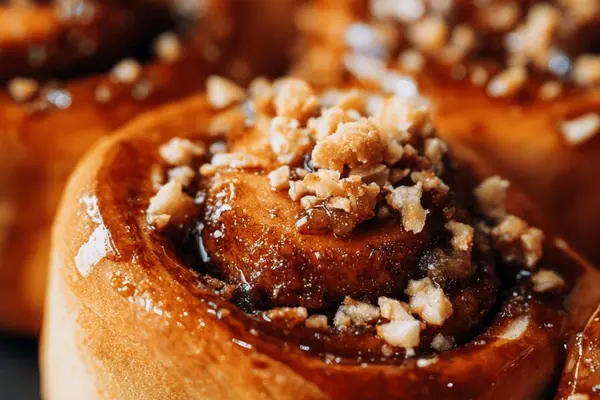
Maple Cinnamon Brioche Rolls with Butter Glaze
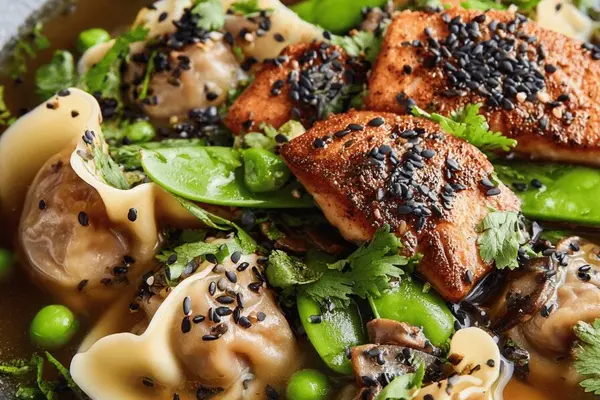
Sesame Salmon Wonton Soup Recipe
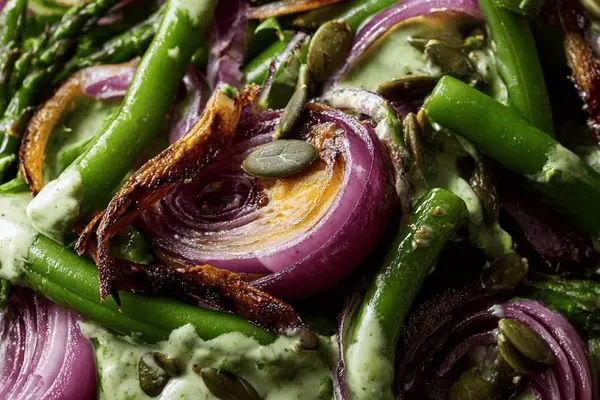
Green Salad Recipe with Asparagus & Roasted Shallots

Rustic Cowboy Cookies with Walnuts
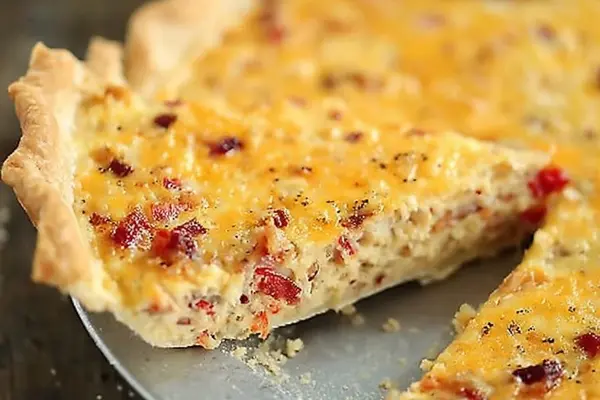
Bacon Quiche with Gouda and Roasted Red Peppers

Air Fryer Goat Cheese Salad with Kale
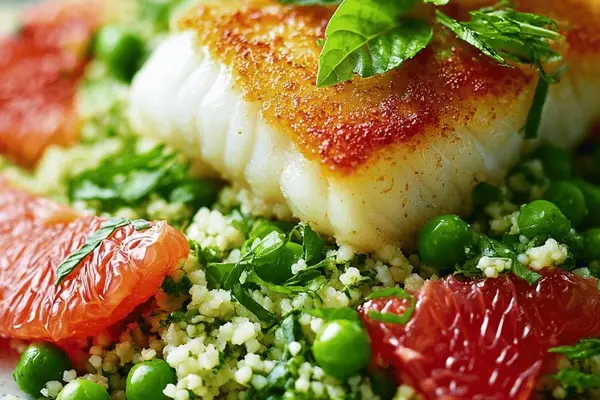
Seared Cod with Pesto Couscous & Grapefruit
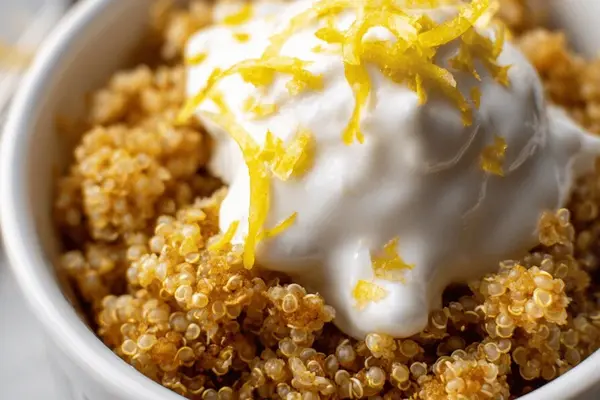
Dairy-Free Corn Crumble with Lemon Zest
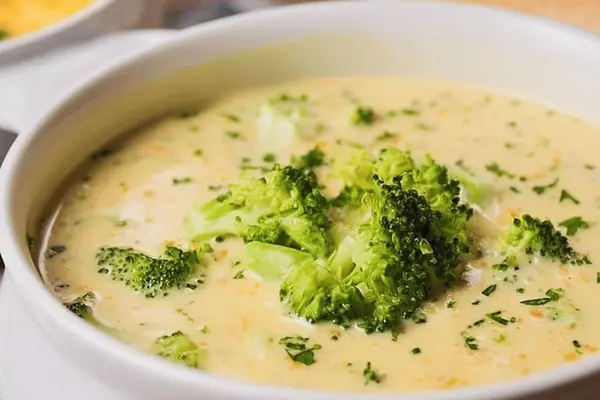
Broccoli Cheddar Soup in Instant Pot

Mini Lime Coconut Cupcakes with Cream Frosting
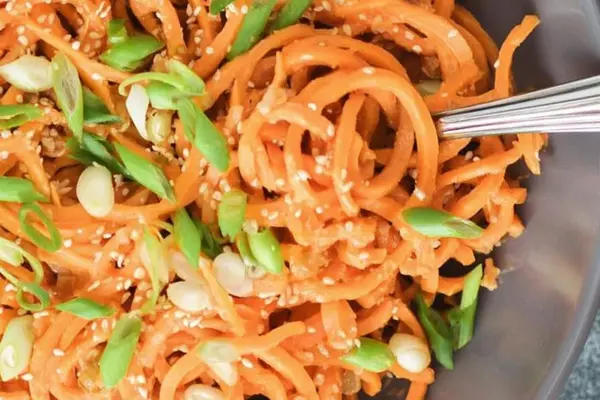
Chap Chae Recipe with Sweet Potato Noodles
Green Bean Casserole with Bacon & Monterey Jack
Baked Mac and Cheese with Smoked Gouda
Vegan Crème Brûlée with Chai Spices
Pork Meatballs with Mushroom Cream Sauce
Easy Making Fudge with Chocolate Chips
Maple Glazed Pork Ribs with Miso