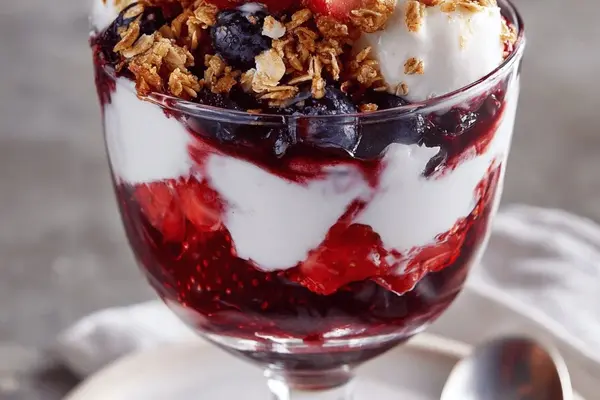
Greek Yogurt Bowls with Strawberries
By Emma
Certified Culinary Professional
·
Recipe tested & approved
Greek yogurt bowls layered with fresh strawberries, toasted oats, and coconut flakes. Macerated fruit with honey and lemon zest creates a tart-sweet breakfast or light dessert.
Prep:
15 min
Cook:
0 min
Total:
15 min
Servings:
4 servings
Strawberries go in a bowl with honey and lemon. Fifteen minutes. That’s when the magic happens — the juices start running, the fruit goes soft but holds its shape, and you’ve got something that tastes way better than just throwing berries on yogurt and calling it done.
Why You’ll Love This Greek Yogurt Bowl Recipe
Takes 15 minutes. Seriously. No cooking. Just assembly and waiting. Works for breakfast or dessert — throw it together in the morning, or make it after dinner when you want something cold and sweet without feeling heavy. The frozen yogurt does both things at once. Crunchy and creamy at the same time. That’s the whole point. The toasted oats and coconut stay crispy for exactly as long as it matters — maybe ten minutes before things start to meld, but by then you’re eating it anyway. High protein breakfast that doesn’t taste like you’re trying. Blueberries would work here too, but strawberries macerate better — they actually break down and release all their juice instead of just sitting there. Summer dessert that’s cold and bright. No oven. No cleanup. Just a bowl and a spoon.
What You Need for a Greek Yogurt Protein Bowl
Strawberries. Fresh. Halved. Not whole — you want more surface area for the honey and lemon juice to work on.
Honey. Two tablespoons. More if your fruit tastes sour. Less if it’s already sweet.
Lemon juice and zest. Fifteen milliliters of juice. Five milliliters of zest — that’s basically what you get from one lemon. Skip the zest if you don’t have fresh lemon. The juice matters more.
Frozen Greek yogurt. Five hundred milliliters. Not ice cream. Frozen yogurt. Tastes tangier, higher protein, actually feels cold for longer. You could use regular yogurt with ice cubes mixed in. Doesn’t work the same way.
Toasted oats. One hundred grams. Store-bought is fine. The toasting is already done. Stale oats work better than fresh ones because they’re drier — they stay crunchy longer.
Toasted coconut flakes. Forty-five grams. Same thing — toasted matters. Raw coconut gets soggy fast. Brown flakes, not white.
How to Make Greek Yogurt Breakfast Bowls
Grab four sundae glasses or bowls. Doesn’t matter what you use. Put them in the freezer. Leave them there for at least 15 minutes. You want them actually cold to the touch — frosty on the outside. This keeps the frozen yogurt from melting the second it hits the glass.
While that’s happening, cut the strawberries in half. Throw them in a bowl with honey, lemon juice, and lemon zest. Stir gently. Don’t smash them. Just mix until the honey starts to break down and coat everything. Let it sit. Fifteen minutes. Watch for the juice to start running — there’s a moment when you can see a shimmer on top of the fruit liquid, and that’s when you know the maceration’s working. The fruit releases its juice and the honey dissolves into it and everything gets syrupy.
The glasses should be cold now. Take them out.
How to Get the Layers Right in a Greek Yogurt Protein Bowl
This is where it matters how you stack it. One scoop of frozen yogurt in the bottom of each glass first. Not two. One. You want layers, not yogurt drowning everything.
Scatter half the oats and coconut mixture over that yogurt. Not all of it. Literally half. Divide whatever you have in front of you.
Spoon over half the strawberries. The fruit. The juices. All of it. The juices are the whole point — that’s what keeps things from being dry.
Second scoop of yogurt on top. Same size as the first.
Remaining oats and coconut flakes. All of them this time.
Top layer is the strawberries and whatever juices are left in the bowl. This is what you see when you look down at it. This is what you eat first.
Serve immediately. Not ten minutes later. Immediately. The whole thing works because the cold yogurt stays creamy and the oats stay crunchy and the fruit juice stays syrupy and they’re all different temperatures and textures. If you let it sit, everything melds. The oats soften. The yogurt starts to melt into the juice. It’s not bad. It’s just not what you made it to be. You’ve got maybe ten minutes. After that, eat it anyway because you made it and it still tastes good.
Greek Yogurt Bowl Tips and Common Mistakes
Cold glasses matter more than you think. Room temperature glass means the yogurt melts twice as fast. Fifteen minutes in the freezer. Don’t skip it.
Macerate the strawberries first. Some people just toss berries on top. That’s not the same. The honey and lemon juice break down the fruit. The juices that run are what make this actually taste like something. Give it time.
Don’t skip the toasting. Toasted oats and coconut taste different from untoasted. Nuttier. Deeper. Store-bought toasted is fine — you’re not doing extra work.
Frozen yogurt over regular yogurt. Regular yogurt gets too soft too fast. Frozen yogurt stays cold longer and holds its shape. You could use plain yogurt with ice cubes, but it melts and waters everything down. Frozen yogurt is better.
Keep the layers separated as long as possible. Some people stir the whole thing together before eating. Fine. But for those first bites when everything’s still distinct — the cold hits, then the creamy, then the crunch, then the juice — that’s when it’s best.
Strawberries over blueberries. Blueberries stay firm. Strawberries macerate. If you want the juices and the thick syrup at the bottom, use strawberries.
Greek Yogurt Bowls with Strawberries
Prep:
15 min
Cook:
0 min
Total:
15 min
Servings:
4 servings
Ingredients
- 240 g fresh strawberries halved
- 50 g honey
- 15 ml lemon juice
- 5 ml lemon zest
- 500 ml frozen Greek yogurt scoops
- 100 g toasted oats
- 45 g toasted coconut flakes
Method
- 1 Chill 4 sundae glasses in freezer at least 15 minutes until frosty sharp to touch
- 2 Toss strawberries with honey, lemon juice and zest in bowl; stir gently till juices start bubbling, let sit 15 minutes while glasses chill. Watch for shimmer on fruit juice surface
- 3 Start layering: drop a scoop frozen Greek yogurt in bottom of each glass, then scatter half the toasted oats and coconut mixture, next spoon over half the strawberries with syrupy juices
- 4 Add another scoop frozen yogurt, cover with remaining crunchy oats and coconut flakes, then top with macerated strawberries and their thick juices
- 5 Serve immediately to preserve crunchy contrast and cold creamy texture, or hold no longer than 10 minutes before textures start to meld and layers collapse
Nutritional information
Calories
250
Protein
8g
Carbs
40g
Fat
5g
Frequently Asked Questions About Greek Yogurt Bowl Recipes
Can I make this ahead? Not really. The oats go soft after about ten minutes. If you need to make it ahead, keep the layers separate — yogurt in one container, fruit and juices in another, oats and coconut in a third. Assemble right before you eat it.
What if I only have regular yogurt? Works. It’ll melt faster. The contrast between creamy and crunchy doesn’t last as long. Add ice cubes if you want, but the yogurt will water down as they melt.
Can I use frozen strawberries? No. Frozen strawberries don’t macerate the same way. They’re already broken down. You won’t get the juice building up over 15 minutes. Use fresh.
Do I need the lemon zest or is the juice enough? The juice does the real work. The zest adds brightness and a little texture. You can skip it if you don’t have fresh lemon. The yogurt bowl won’t suffer.
What else can I layer in here instead of oats and coconut? Granola works. Nuts work. Crushed cookies work if you want dessert instead of breakfast. The point is something crunchy against something creamy. The specifics don’t matter.
How long can I store this? You can’t really. It’s best served immediately. After ten minutes, eat it anyway because it still tastes good, just softer. Don’t refrigerate — that makes the yogurt harder.
Is this actually a high protein yogurt bowl? Yes. Frozen Greek yogurt has more protein than regular yogurt. Oats add more. You’re getting maybe 15 to 20 grams of protein depending on the size. It’s a legitimate breakfast.
Can I make this with blueberries instead of strawberries? Sure. They won’t macerate like strawberries do. They’ll stay firm. No syrup at the bottom. Still tastes good. Just different.
You’ll Love These Too
Explore all →
Tuna Salad Recipe with Dijon Mustard
Burgundy Beef Burgers with Shiitake Mushrooms
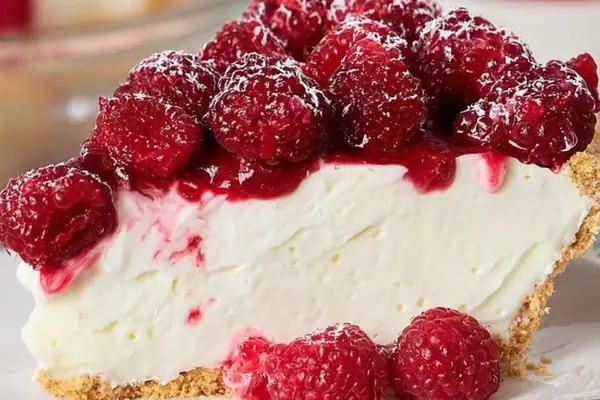
Raspberry Cream Cheese Pie Recipe
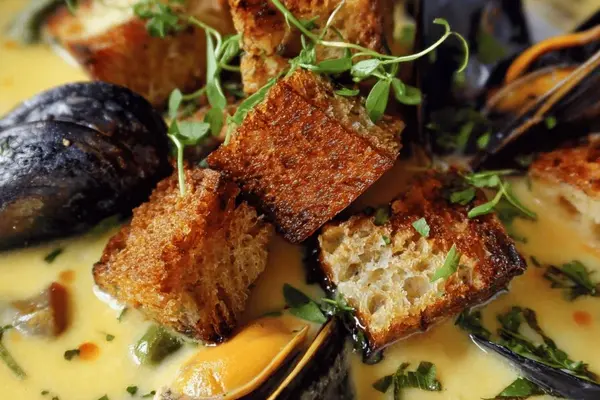
Creamy Cauliflower Mussels in White Wine
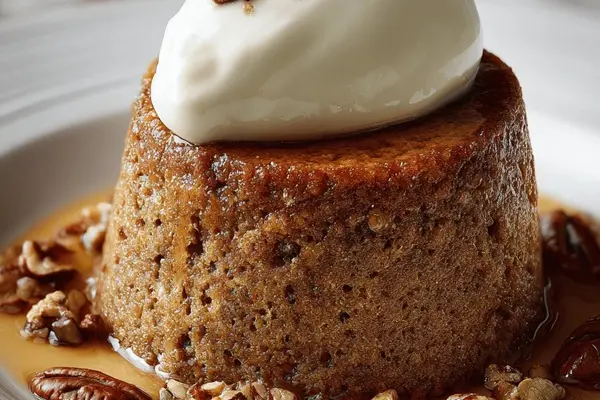
Maple Slow Cooker Pudding with Bourbon
Iced White Chocolate Mocha with Lemon Zest
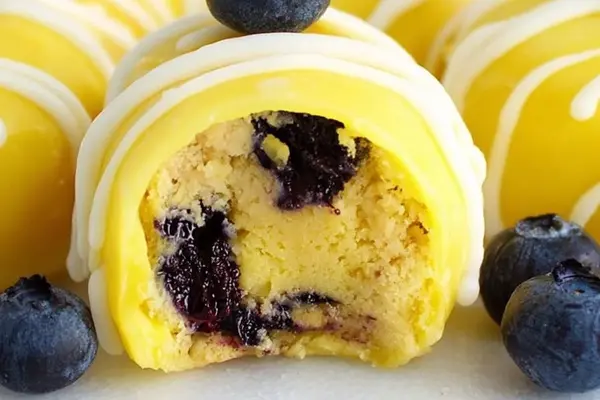
Lemon Blueberry Cheesecake Bites No Bake
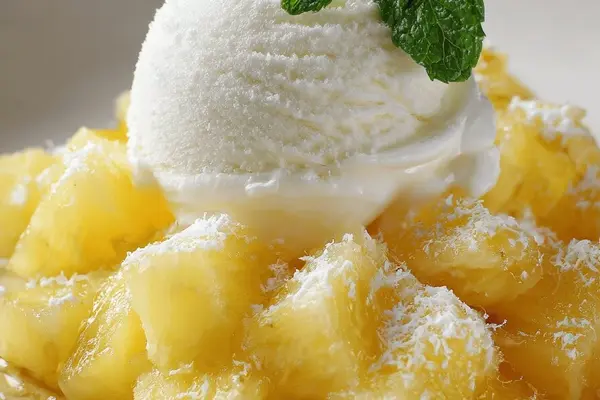
Pineapple Lime Shaved Ice with Vanilla Ice Cream

Grilled Cheese with Turkey, Bacon & Gruyere
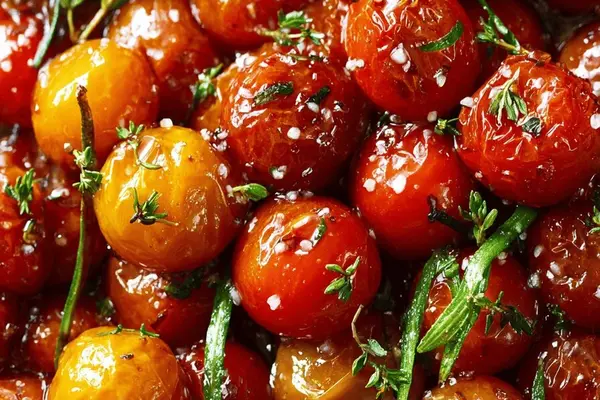
Cherry Tomatoes Recipe with Maple Glaze

Pan Seared Chicken Breast with Chorizo
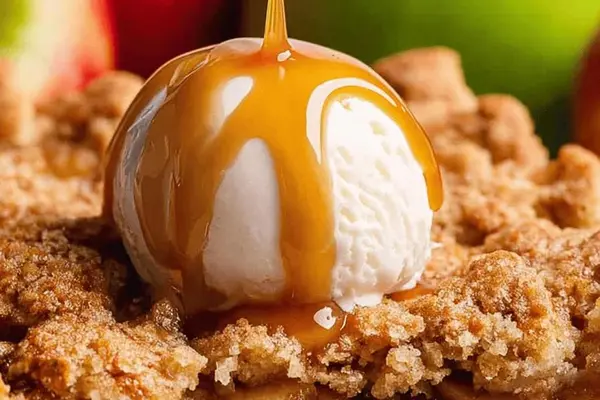
Apple Slab Pie with Chai Spice Crumb

Breakfast Burrito Crepes with Chipotle Sausage
Grilled Chipotle Tofu Sandwiches with Lime Mayo
Pork Terrine with Blackcurrant Liqueur
Opera Cake with Hazelnut and Espresso
Maple Pear Pudding Upside-Down Cake
Sausage Gravy with Pork and Milk
Nordic Shrimp Avocado Burgers with Harissa