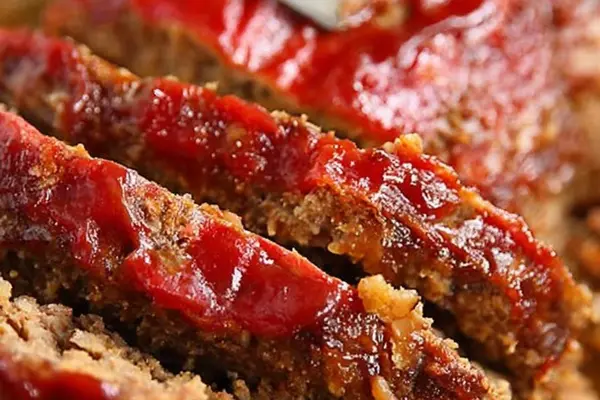
Ground Beef Meatloaf with Bacon
By Emma
Certified Culinary Professional
·
Recipe tested & approved
Ground beef meatloaf with bacon, breadcrumbs, milk, onion, bell pepper, and Dijon mustard. Tender, moist, and flavorful with crispy bacon on top.
Prep:
25 min
Cook:
55 min
Total:
1h 20min
Servings:
6 servings
Bacon across the top. That’s the difference between meatloaf that tastes like something and meatloaf that tastes like, well, meatloaf. Takes 25 minutes to prep, 55 in the oven, 1 hour 20 minutes total if you count the waiting. Worth it.
Why You’ll Love This Meatloaf
Smells like your grandma’s kitchen while it cooks — not joking, that bacon-beef combo is unmistakable. Comes out tender. Actually tender, not dry. The milk-soaked breadcrumbs handle that. One pan. Maybe one bowl if you’re lazy about washing. Comfort food that doesn’t feel like you’re apologizing for dinner. Works cold the next day too, if there’s any left. Cleanup’s minimal because foil. Feeds a crowd or makes leftovers worth eating.
What You Need for Easy Meatloaf
Breadcrumbs — panko works, fresh works better. Not the stuff in the can. Whole milk or buttermilk to soak them. An onion. Bell pepper too, any color. Three garlic cloves. One egg. Kosher salt, black pepper fresh ground. Worcestershire. Ketchup and Dijon mustard mixed together for the glaze. Two pounds of ground chuck. Ground pork blend works if you want more fat — honestly better. Six slices thick-cut bacon, the kind that doesn’t shrivel into nothing.
How to Make Ground Beef Meatloaf
Oven goes to 350 degrees. Line a rimmed sheet with foil or spray a 9x13 dish — saves cleanup, prevents sticking. Mix breadcrumbs and milk. Wait 5 minutes while the crumbs absorb the liquid slowly. Don’t skip this. You skip it, you get dry little pockets inside that ruin everything.
Mince the onion, pepper, garlic. Food processor works. So does a fine knife if you don’t mind the work. Rough first, then pulse until small but not mush. There’s a middle ground and you’ll feel it.
Stir together the egg, salt, pepper, Worcestershire, ketchup, mustard, and minced veggies in a small bowl. Mix well. The flavor spreads better if everything’s combined first.
Dump the soaked breadcrumbs and ground meat together. Combine completely but gently. Overmixing crushes the texture and toughens the meat. Move it to the pan.
Shape it into a mound. Slightly higher in the middle for even cooking. Spread a thin layer of ketchup-mustard glaze across the top. Not thick. Just enough.
How to Get Meatloaf Crispy and Perfect
Lay the bacon across lengthwise, six strips covering the top. Tuck the ends under the loaf edges so they stay in place. They will try to slip. Don’t let them.
Bake uncovered for 50 to 55 minutes. Watch the bacon. When the edges crisp and the top goes glossy, you’re close. Internal temp should hit around 160 degrees. Use an instant-read thermometer — don’t guess on this one.
If the bacon’s not crisp enough after 55 minutes, broil on a low rack in the middle of the oven for 2 to 3 minutes max. Watch it. Bacon burns in seconds under the broiler. Seriously, don’t walk away.
Meatloaf Tips and Common Mistakes
Let it rest 5 to 10 minutes after it comes out. Resting firms the loaf so slices don’t fall apart. Juices redistribute instead of pooling on the plate. Don’t skip this either. Everything’s better after resting.
The breadcrumb-to-meat ratio matters. Too much breadcrumb means it falls apart. Too little means it’s dense and sad. The 1.5 cups to 2 pounds ratio works. Stick with it.
Onion, pepper, and garlic all go through the food processor. Fine chops. The smaller they are, the more evenly distributed the flavor. Rough chunks sit in pockets and you bite into garlic and nothing else.
Fresh ground black pepper. Pre-ground tastes stale. Just grind it.
Some people make this with ground pork alone. It dries out. Ground chuck has enough fat. The pork blend has even more. Choose beef or choose the blend. Both work.
Don’t pack it too tight when you’re shaping. Meatloaf should have some air in it. Pack it like concrete, it eats like concrete.
Ground Beef Meatloaf with Bacon
Prep:
25 min
Cook:
55 min
Total:
1h 20min
Servings:
6 servings
Ingredients
- 1 1/2 cups fresh breadcrumbs or panko
- 3/4 cup whole milk or buttermilk
- 1 large onion roughly chopped
- 1 medium bell pepper roughly chopped
- 3 garlic cloves roughly chopped
- 1 large egg
- 1 1/2 teaspoons kosher salt
- 1/2 teaspoon black pepper fresh ground
- 1 teaspoon Worcestershire sauce
- 1/3 cup ketchup
- 1 tablespoon Dijon mustard
- 2 pounds ground chuck or ground pork blend for more fat
- 6 slices thick-cut bacon
Method
- 1 Set oven 350 degrees F. Line rimmed sheet with foil or spray 9x13 dish. Saves cleanup, prevents sticking.
- 2 Mix breadcrumbs and milk. Wait 5 minutes. Crumbs will absorb milk slowly. Don’t skip or you get dry crumb pockets.
- 3 Mince onion, pepper, garlic in food processor or fine knife chops. Rough first, then pulse enough to avoid mush but still small bits.
- 4 In a small bowl stir egg, salt, pepper, Worcestershire, ketchup, mustard, and minced veggies. Combine well for even flavor pockets.
- 5 Combine ground meat and soaked breadcrumbs mix completely but gently. Overmixing crushes texture and toughens meat. Move to pan.
- 6 Shape mound into loaf, little higher in middle for even cooking. Spread ketchup-mustard glaze over top evenly.
- 7 Lay bacon across lengthwise. Tuck ends under loaf edges so they stay put while cooking.
- 8 Bake uncovered 50-55 minutes. Check color: bacon edges crisp, top glossy. Internal temp should hit around 160 F. Use instant read for accuracy.
- 9 If bacon not crisp enough, broil on low rack middle oven for 2-3 minutes max. Watch close, bacon burns fast under broiler.
- 10 Take out, let rest 5 to 10 minutes. Resting firms loaf for cleaner slices. Juices redistribute, not pool out onto plate.
Nutritional information
Calories
420
Protein
30g
Carbs
14g
Fat
28g
Frequently Asked Questions About Meatloaf with Hamburger
Can I use ground turkey instead of beef? It’s leaner. You’ll probably need an extra egg or more milk in the breadcrumbs to keep it moist. Worth trying. Might take a minute less to cook, so watch it.
How do I know when it’s done? 160 degrees internal temp. Use a thermometer in the thickest part, away from the bacon. Don’t trust the color. Not worth getting it wrong.
Can I make this ahead and bake it later? Yeah. Mix everything, shape it, cover it, refrigerate it for up to 12 hours. Might need 5 minutes longer to cook since it starts cold. Check the temp.
What if I don’t have breadcrumbs? Crushed crackers work. So does oatmeal. Panko or fresh breadcrumbs are better. Haven’t tried crushed cereal. Probably works but tastes weird.
Why is my meatloaf dry? Either you overmixed it, didn’t soak the breadcrumbs long enough, or cooked it too long. Check the temp at 50 minutes, not 55. Also — use ground pork blend next time. More fat helps.
Can I freeze it? Yes. Before or after cooking. Cooked slices freeze fine for 2 months. Thaw in the fridge overnight. Reheat at 350 degrees until warm. Takes 15 minutes.
You’ll Love These Too
Explore all →
Shrimp Toasts with Guacamole & Crispy Tortillas
Barley Salad with Roasted Peppers and Feta
Creamy Garlic Chicken with Bacon & Peas

Blueberry Cheesecake Cookies
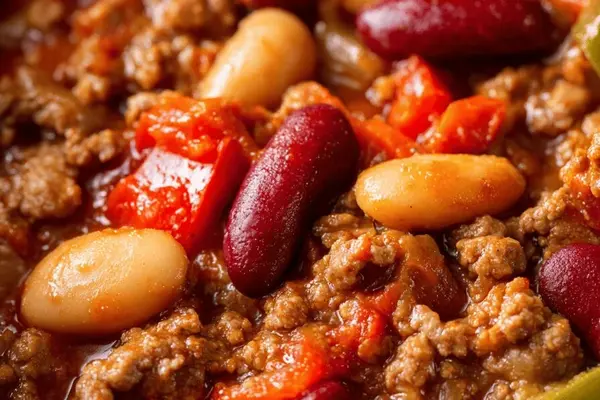
Ground Beef Chili Recipe with Beans

Almond and Cherry Loaf with Sour Cream

Pain Au Chocolat Recipe with Orange Zest
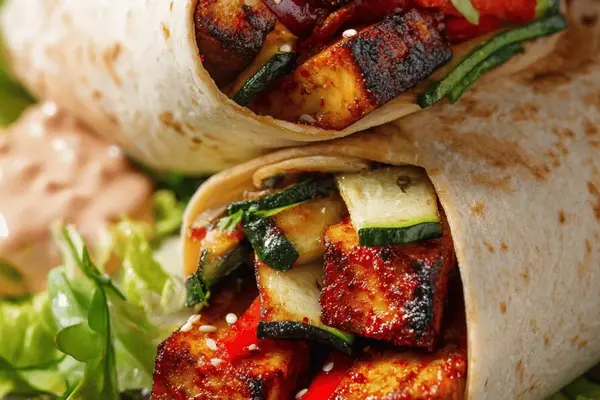
Veggie Wraps with Grilled Tofu & Sesame Mayo
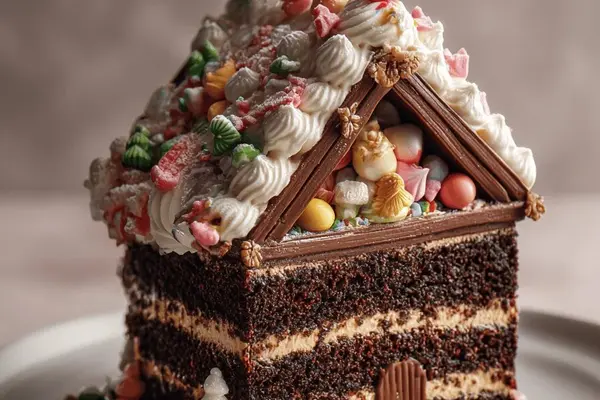
Chocolate Cake House with Cream Cheese Frosting

Banana Peach Smoothie with Greek Yogurt
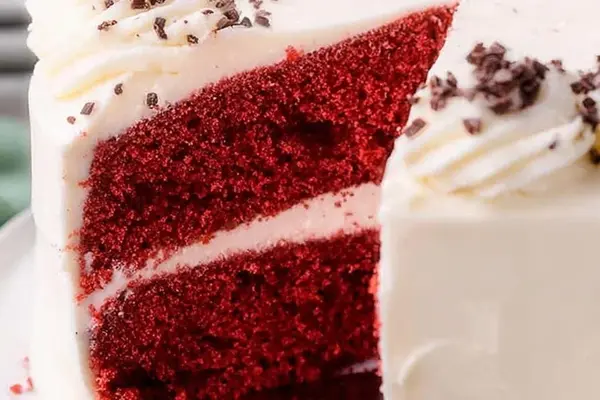
Rustic Red Velvet Cake with Beet Powder
Chocolate Fun Dip with Cake Mix & Whipped Cream
Creamy Chicken Fajita Pasta Skillet
BBQ Chicken Marinade with Smoked Paprika
Avocado Tuna Salad No Mayo Recipe

Corn Casserole Dish with Creamed Corn

Cheesy Arepas with Cotija & White Cheddar

Coconut Cream Pie Bites with Almond Bark

Crispy Shrimp Fritters with Lime Mayo