Pain Au Chocolat Recipe with Orange Zest
By Emma
Certified Culinary Professional
·
Recipe tested & approved
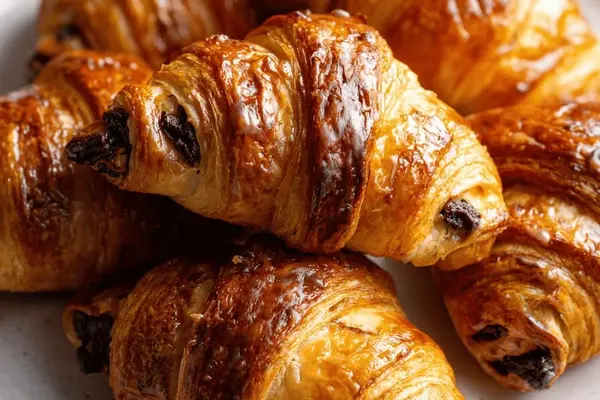
Cut the dough into rectangles. Lay chocolate batons down the middle. Fold it over and over until it’s this neat little package that barely looks like it’s hiding anything. Fifty-five minutes total — thirty-five prep, twenty bake — and you’ve got something that tastes like the French bakery spent three hours on it. Except you just spent an afternoon. And yeah, some of those folds will look messy. That’s fine. They still come out flaky.
Why You’ll Love This Chocolate Croissant
Tastes like you bought it. Actual chocolate pools when you bite through the crust — not chocolate dust, not a thin smear. The citrus glaze cuts through the richness without announcing itself. Works cold for breakfast the next day, maybe even better. Takes real time but most of it’s just sitting there rising. No skill required. Only patience and a pastry brush.
What You Need for Chocolate Croissants
Simplified viennoiserie dough — that’s your base, the laminated thing that does the flaking. Dark chocolate batons. Not chips. Not chunks. Batons stay intact during baking instead of melting into nothing. Sixty grams should be about enough, give or take. Dark chocolate flakes for half of them — texture thing. Adds crunch where you’d expect soft. Twenty-five grams total.
For the glaze: one egg yolk. Twenty milliliters of whole milk. Five milliliters of honey — this is the secret part, adds caramel depth and keeps the crust from going pale and sad. One teaspoon of finely grated orange zest. Fresh. Not the dried stuff in the jar.
How to Make Chocolate Croissants
Line a baking sheet with silicone mat or parchment. Flat. No wrinkles. Steam gets trapped in those little folds and wrecks your crispy edges before they even start. Dust your work surface with flour. Not a lot. Too much and the dough gets stiff and won’t cooperate. Roll the dough into a rectangle — fifty by twenty-four centimeters, about six millimeters thick. Trim the edges roughly. Don’t obsess over it. Slight unevenness won’t wreck anything.
Cut it horizontally into eight equal rectangles. Twenty-five by six centimeters each. Use a sharp knife and don’t press too hard. Clean cuts keep the shapes tight. Now lay two lines of dark chocolate batons down each piece. Space them two centimeters and four and a half centimeters from the short edge. On half of them, sprinkle those chocolate flakes on top of the batons. Creates this moment when you bite through where the crunch catches you off guard.
Fold the closest short edge over the first chocolate baton. Snug. Then fold it over itself three more times — four folds total. This seals the chocolate inside and creates those little pockets that fill with molten chocolate pools later. Place them seam side down on the baking sheet. Space them at least three centimeters apart. They’re going to puff.
Cover loosely with plastic wrap. Let them rise in a warm spot. Fifty to sixty minutes. Until they’re roughly doubled and feel airy when you poke them. Soft to touch. Not sticky. Not overly wet. Under-risen means dense. Over-risen means they collapse in the oven. You’ll feel the difference.
How to Get Chocolate Croissants Crispy
Make the glaze while they rise. Whisk the egg yolk with milk, honey, and grated orange zest. The honey adds caramel notes and color. Orange zest cuts the chocolate richness. Lifts it. Before baking, brush the glaze evenly over everything. Don’t let it pool. Pooled glaze burns and gets bitter.
Preheat the oven to 175 Celsius. Middle rack. Bake eighteen to twenty-two minutes. Watch for golden bronze with darker caramel tones on the edges. The surface should be firm but slightly springy when you press it gently. If it’s still shiny or pale, bake longer. Dull dark color but not burnt — that’s the target. When you pull them out, the crust cracks slightly if you did it right. Steam escapes. The chocolate inside is molten but not oozing everywhere.
Cool them on a wire rack for at least thirty minutes before you bite in. Inside should be flaky but moist. Chocolate molten but contained. Serve warm or room temperature. If you want the crust crunchier, reheat briefly before eating.
Chocolate Croissant Tips and Mistakes
Dough too sticky before cutting? Chill it fifteen minutes. It firms up enough to handle. Chocolate melting too fast during prep? Use semi-hard batons or chill the rolled croissants ten minutes before baking. Slows everything down.
No glaze? Brush milk alone. Or egg white with a pinch of sugar. Works. Out of chocolate? Hazelnut spread piped in lines does the job. Flavor changes. Texture stays luscious. No silicone mat? Parchment paper works. Just watch the bottom — it can brown faster on some ovens.
Overbaked means the crust cracks and tastes bitter. Underbaked means they stay dense inside. Don’t rely on the timer. Use your senses. Look at the color. Touch the surface. Smell it. That’s how you know.
Pain Au Chocolat Recipe with Orange Zest
Prep:
35 min
Cook:
20 min
Total:
55 min
Servings:
8 servings
Ingredients
- 1 simplified viennoiserie dough
- 60 g dark chocolate batons
- 25 g dark chocolate flakes
- Glaze
- 1 egg yolk
- 20 ml whole milk
- 5 ml honey
- 1 tsp finely grated orange zest
Method
- Chocolate Pieces
- 1 Line baking sheet with silicone mat or parchment. Keep it flat, no wrinkles, they trap steam and wreck crisp edges.
- 2 Lightly dust work surface with flour — not too much or dough stiffens — roll dough into rectangle about 50 x 24 cm (20 x 9.5 inches), ~6 mm thick. Trim edges roughly but don’t obsess, slight unevenness won’t ruin croissants.
- 3 Cut dough horizontally into 8 equal rectangles approximately 25 x 6 cm (10 x 2.5 inches) each. Don’t press too hard with knife; clean cuts keep shapes tight.
- 4 On each piece, lay two lines of dark chocolate batons spaced 2 cm and 4.5 cm apart from one short edge. On half the rectangles, sprinkle dark chocolate flakes atop batons for a textural surprise.
- 5 Fold the closest short edge over the first chocolate baton, enveloping it snugly. Then fold dough over itself three more times, total of four folds, sealing chocolate inside. This creates compact rolls to trap molten chocolate pools later.
- 6 Place rolled pastries seam side down on the baking sheet, spaced at least 3 cm apart — they'll puff up.
- 7 Cover loosely with plastic wrap. Let rise in warm spot 50 – 60 minutes or until doubled. Dough should feel airy, soft to touch, not sticky or overly wet. If under-risen, pastries stay dense; over-risen means collapse during baking.
- Glaze Preparation
- 8 Whisk egg yolk with milk, honey, and grated orange zest. Honey adds caramel notes and hue; orange zest lifts aroma cutting chocolate richness.
- 9 Before baking, brush glaze evenly over all rolls. Avoid pooling of glaze, which can burn and create bitter spots.
- Baking
- 10 Preheat oven to 175 °C (350 °F), rack in middle.
- 11 Bake pastries 18 – 22 minutes until golden bronze with darker caramel tones on edges. Surface should be firm yet slightly springy when pressed gently. If shiny or pale, bake longer; dull dark color but not burnt is best.
- 12 Remove from oven; cool on wire rack 30 minutes minimum before biting in. Inside should be flaky but moist; chocolate molten but not oozing dangerously.
- 13 Serve warm or room temp. For crunchier crust, reheat briefly before eating.
- Troubleshooting
- 14 Dough too sticky? Chill 15 min before cutting. Chocolate melting too fast? Use semi-hard batons or chill rolled croissants prior to baking 10 min.
- 15 No glaze? Brush milk alone or egg white with pinch of sugar instead.
- 16 Out of chocolate? Use hazelnut spread piped in lines — flavor changes but texture remains luscious.
- 17 Overbaked? Crust will crack and bitter; underbaked remain dense. Use sight, touch, and aroma cues more than rigid times.
Nutritional information
Calories
320
Protein
5g
Carbs
32g
Fat
18g
Frequently Asked Questions About Chocolate Croissants
Can I make these with crescent roll dough instead? Technically. Won’t be the same. Crescent rolls are half-laminated. You won’t get the flaky layers. Could work if you’re desperate. Not recommended.
How long do they keep? Three days in an airtight container. After that they get stale. Reheat them — thirty seconds in the oven brings the crust back. Microwave kills the crunch.
Can I freeze them before baking? Yes. Roll them, glaze them, freeze on the sheet until solid. Then bag them. Bake straight from frozen. Add three to four minutes to the time. They won’t rise as much but they’ll still work.
What if I don’t have orange zest? Skip it. The glaze still works. Honey alone does most of the heavy lifting. Not the same but not worse.
Why fold it four times instead of rolling? Rolling spreads the chocolate thin. Folding creates pockets. Pockets trap molten chocolate. That’s the whole point.
Can I use milk chocolate instead? It melts faster. Gets soupy inside. Dark chocolate holds its shape better. If you want milk chocolate, chill the rolled croissants longer before baking.
You’ll Love These Too
Explore all →
Pineapple Upside Down Cake Recipe

Indian-Spiced Mayo with Cilantro & Smoked Paprika

Carrot Chive Soup with Fresh Leeks
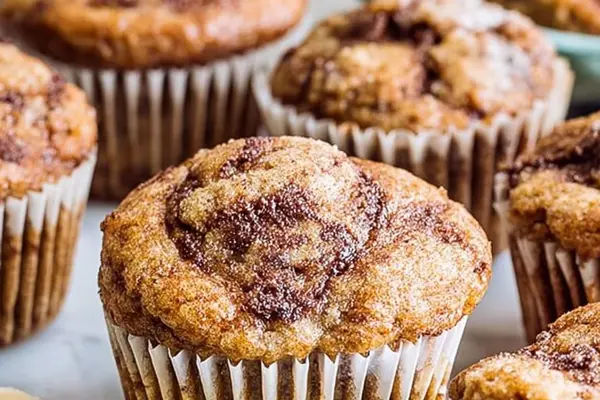
Banana Nutella Muffins with Pancake Mix

Stuffed Pepper Squash with Roasted Potatoes

Coconut Cream Pie Bites with Almond Bark
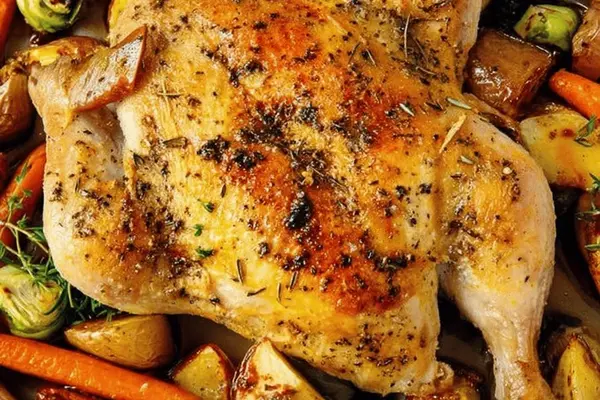
Herbed Spatchcock Chicken with Roasted Vegetables
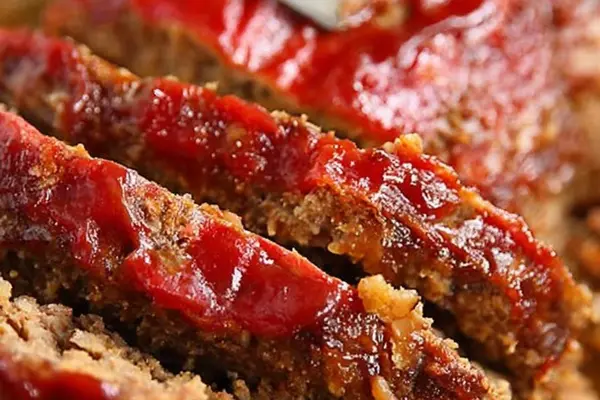
Ground Beef Meatloaf with Bacon
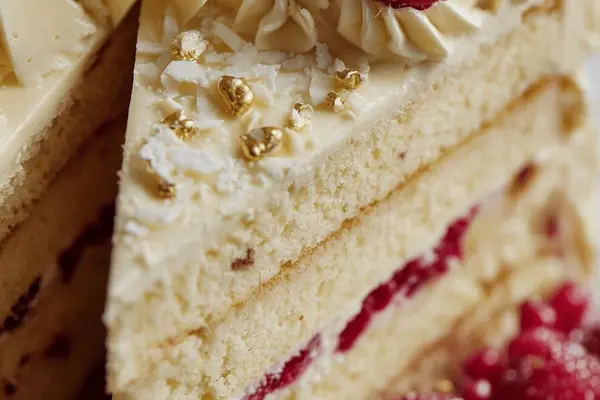
White Chocolate Raspberry Cake with Buttercream
Peanut Butter Cookies with Chocolate Ganache
No Bake Blueberry Cheesecake with Lime

Crunchy Apple Fritters with Cinnamon
Pumpkin Mac and Cheese with Cheddar

Berry Smoothie with Frozen Yogurt
Chocolate Swirl Babka with Espresso

Butter Sauce with White Wine and Lime

Ginger Tea For Sore Throat Relief
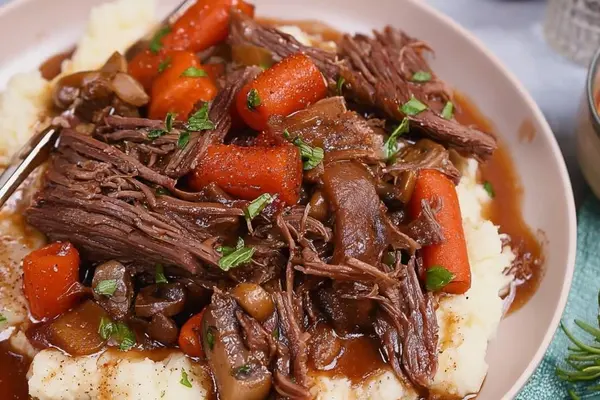
Balsamic Vinegar Pot Roast with Vegetables
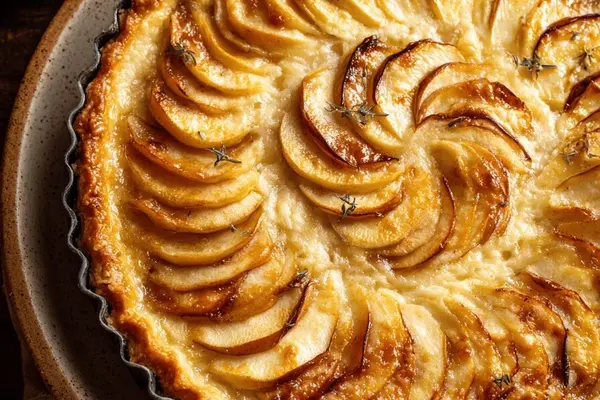
Apple Tart with Apricot Jam & Pâte Brisée