
Chermoula Sauce with Parsley and Mint
By Emma
Certified Culinary Professional
·
Recipe tested & approved
Fresh chermoula sauce made with parsley, mint, garlic, and lemon juice. North African herb condiment with sumac and coriander powder. Ready in 20 minutes.
Prep:
20 min
Cook:
0 min
Total:
20 min
Servings:
4 servings
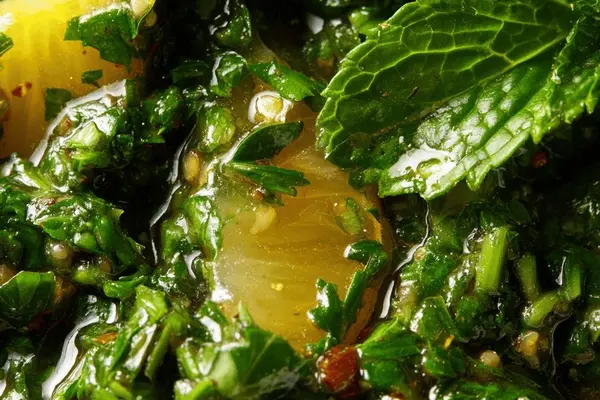
Rough chop parsley and mint first — don’t overthink it. Garlic halves go in, then the sumac and coriander. Pulse. Not blend. Short bursts until it looks chunky, still green, bits of herb visible everywhere. That’s when you know it’s right.
Why You’ll Love This Chermoula
Takes 20 minutes total. Literally that fast. Works on fish, roasted vegetables, eggs, flatbread, grilled chicken — basically anything that needs something green and bright happening to it. Mediterranean cooking leans on sauces like this. Chermoula is the Moroccan version that tastes sharper, more complex than the standard stuff. No cooking required. Just a bowl and a knife. Tastes better the next day. Flavors settle into each other overnight and it gets rounder, deeper. Lasts three days in the fridge. Make it once, use it three times on completely different meals.
What You Need for Moroccan Chermoula Sauce
Parsley — about a cup and a half packed. The tender stems work too, not just the leaves. Doesn’t have to be fancy.
Mint. Fresh. Three quarters of a cup or so. Can’t use dried here — it turns bitter and weird.
Two garlic cloves. Halved. That’s it. More and it gets aggressive.
Sumac powder. Three quarters of a teaspoon. Lemon-forward, slightly tangy. If you can’t find it, skip it — the lemon juice covers the gap. Not the same, but it works.
Coriander powder. One teaspoon. Warm spice, slightly sweet. Ties the Moroccan thing together.
Olive oil. A quarter cup. Good stuff matters here because there’s no cooking to hide behind. Whatever you’d actually eat with bread is fine.
Walnut oil. Two tablespoons if you want it. Optional. Brings a rustic, nutty depth that makes people ask what’s in it. You could skip it, use all olive oil instead. Honestly fine either way.
Lemon juice. Three tablespoons, fresh squeezed. Don’t use the bottled stuff. This is the citrus backbone of the whole thing.
White wine vinegar. One tablespoon. Not apple cider, not regular vinegar. The white one tastes cleaner, sharper, more Mediterranean.
Salt and black pepper. Crack it fresh. Matters more than you’d think.
How to Make Chermoula
Rough chop the parsley and mint so they fit in the food processor. You’re not making a smoothie here. Want texture. Want to see herb pieces when you’re done.
Drop the garlic halves in. Add the sumac and coriander. Pulse in short bursts — not continuous running. Stop and scrape the sides once. The whole thing should look chunky and green and alive, not mushed into paste.
Pour this into a bowl. The smell hits different now — sharp, lemony, green, earthy. That’s the herbs waking up. That’s what you’re after.
Slowly drizzle in the olive oil while you stir with a spoon or spatula. Not dumping it all at once. Drizzle. Stir. The oil coats the herb bits and the whole thing gets thicker and glossier. If you’re using walnut oil, this is when it goes in. Brings something nutty and rustic that olive oil alone can’t do. Skip it if you want — extra olive oil works fine.
Now add the lemon juice and white wine vinegar. The citrus sharpness hits and it balances everything — the oils, the herbs, the spice. Taste it. This is the moment to know if it’s right.
Salt and pepper. Vigorously. Not timid. Stir it all together. Too tart? Pinch of sugar or more oil mellows it. Too oily? Splash of lemon or vinegar brings it back.
Let it sit covered for 10 minutes minimum. Flavors marry. The sharp edges soften but it stays fresh and green.
How to Use Chermoula as a Moroccan Sauce
Serve cold or room temperature. It’ll darken a bit after a few hours sitting out but it’s still fresh, still good.
Spoon it over fish — white fish especially. Roasted branzino. Halibut. The lemon and herbs cut through the richness. Use it on vegetables too — roasted cauliflower, grilled eggplant, charred carrots. Even cold roasted potatoes, which sounds weird until you try it and then you get it.
Dollop on eggs. Scrambled, fried, soft boiled. Add it to chickpea bowls or grain salads. Spread it on flatbread before you wrap something in it. It’s a condiment that works because Moroccan cooking sauce recipes with herbs like this are built to be flexible — they bridge flavors instead of defining one dish.
The green herb sauce thing is key. It’s not a main event. It’s what makes the main event taste like something memorable.
Chermoula Tips and Common Mistakes
Don’t over-process it. Chunky is the goal. The moment it starts looking like pesto — smooth and almost creamy — you’ve gone too far. Pull back. Leave texture.
Garlic halves instead of minced. Sounds weird. Half a clove per person works because you’re not cooking it, so minced garlic tastes too aggressive, too raw. Halves still flavor it but gentler.
Lemon juice fresh. Bottled tastes flat and kind of plastic. Fresh takes three minutes and changes everything.
White wine vinegar specifically. The sharper, more acidic vinegars (regular white or apple cider) make this taste thin and harsh. The wine version stays balanced.
Walnut oil is optional but worth trying once. It’s the thing that makes people ask what’s in it. But if you don’t have it or it’s expensive, olive oil alone is totally fine.
Storage — keeps three days sealed in the fridge. Check for oil separation on top. Stir it back in. It’ll darken slightly but it’s not going bad. Still tastes fresh.
Chermoula Sauce with Parsley and Mint
Prep:
20 min
Cook:
0 min
Total:
20 min
Servings:
4 servings
Ingredients
- 60 g parsley leaves and tender stems (about 1 1/2 cups packed)
- 30 g fresh mint leaves (about 3/4 cup packed)
- 2 garlic cloves, peeled, halved
- 4 ml sumac powder (3/4 teaspoon)
- 5 ml coriander powder (1 teaspoon)
- 60 ml olive oil (1/4 cup)
- 30 ml toasted walnut oil (2 tablespoons, optional for depth)
- 45 ml freshly squeezed lemon juice (3 tablespoons)
- 15 ml white wine vinegar (1 tablespoon)
- Salt and freshly cracked black pepper to taste
Method
- 1 Rough chop parsley and mint to fit food processor feed tube. No need for smoothie smoothness — want texture here.
- 2 Add garlic halves, sumac and coriander powders. Pulse short bursts, not continuous. Should look chunky, not mushy — bits of herbs visible. Scrape sides once.
- 3 Transfer thick herb paste to bowl. The smell should jump now — sharp lemony, green earthiness; that’s the magic waking up.
- 4 Slowly drizzle olive and walnut oils while stirring vigorously with a spoon or spatula. Oil coats herb bits; mixture thickens, glosses slightly. Walnut oil brings rustic nuttiness; skip if allergic or unavailable — extra olive oil fine.
- 5 Mix in lemon juice and white vinegar last. Taste at this point inserts citrus sharpness, balances herb oils.
- 6 Season vigorously with salt and cracked pepper, stir well. If too tart, add a pinch sugar or more oil; too oily, splash extra lemon or vinegar.
- 7 Rest 10 minutes minimum covered. Flavors marry, sharp edges soften but freshness remains.
- 8 Use cold or room temp. Will darken slightly after hours but still fresh green.
- 9 Store sealed in fridge up to 3 days. Always check oil separation; stir well before using.
Nutritional information
Calories
130
Protein
1g
Carbs
2g
Fat
14g
Frequently Asked Questions About Chermoula
Can you make chermoula without a food processor? Yeah. Mince the garlic fine, chop the parsley and mint as small as you can with a knife, then mix everything together in a bowl. Stir hard. Takes longer but works. Texture won’t be quite as even but honestly that’s not a problem.
How long does chermoula last? Three days in the fridge, sealed. After that it starts to oxidize and the green gets dull and it tastes less sharp. Still edible but not the point of the thing.
What if you don’t have sumac? Skip it. The lemon juice carries the acidic, bright thing. Not identical but close enough. Some recipes with chermoula don’t use sumac at all — it’s a Moroccan spice but not mandatory.
Can you use cilantro instead of parsley? Not really. Cilantro’s got a different flavor profile — spicier, more polarizing. Chermoula specifically needs parsley. Mint’s non-negotiable too. That’s the herb combination that defines it. You could try chimichurri cilantro parsley instead if you want, but that’s a different sauce.
Is walnut oil worth buying just for this? Depends. If you cook a lot, maybe. It’s expensive and has a short shelf life. First time, use olive oil. If you love chermoula and make it constantly, then buy walnut oil. Once you taste the nuttiness it adds, you might want it for other things too.
What fish works best with this moroccan cooking sauce? Flaky white fish, mostly. Branzino, halibut, sea bass, cod. Anything that’s mild enough to not fight the herbs. Salmon works but it’s richer and you need more sauce. Tuna — the grilled kind — is solid too.
You’ll Love These Too
Explore all →
Gingerbread-Spiced Truffles with Bourbon

Ground Beef Burger Recipe with Garlic

Caramelized Figs with Greek Yogurt & Honey
Jeera Rice Recipe: Cumin Basmati Rice

Rainbow French Bread Pizza with Fresh Veggies

Creamy Pumpkin Soup with Pistachios
Spaghetti Recipe Baked with Meat Sauce

Grilled Garlic Butter Shrimp with Herb Butter

Banana Dulce de Leche Trifle with Oat Crumble

Bean Salad with Grilled Chicken & Mint
Pasta with Roasted Peppers and Asparagus

French Toast Recipe with Almond Extract

Chipotle Turkey Chili with Sweet Potatoes

Black Bean Burritos with Cilantro Rice

Dark Chocolate Tart with Sea Salt

Crispy Fried Green Tomatoes with Cornmeal
Salad Waldorf with Honeycrisp Apple
Warm Potato Salad with Partridge & Pears

Menchie Frozen Yogurt Popsicles Recipe