White SOS: Béchamel Sauce with Olive Oil
By Emma
Certified Culinary Professional
·
Recipe tested & approved
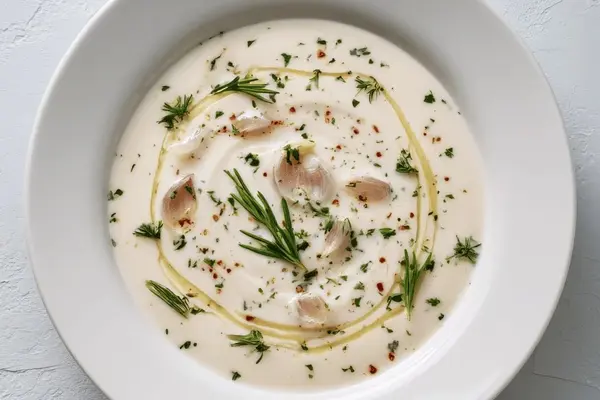
Classic béchamel sauce made with olive oil, whole milk, and heavy cream. This silky white sauce uses shallots and white pepper for depth. Perfect for pasta and lasagna.
Prep:
10 min
Cook:
20 min
Total:
30 min
Servings:
4 servings
Set a medium saucepan over medium heat with 40 ml olive oil. The shallot goes in now—minced fine. Stir it. The smell changes. That’s what you’re waiting for. Takes maybe 3 or 4 minutes. Translucent. Sweet. Not brown.
Why You’ll Love This Béchamel Sauce
Takes 30 minutes total. Seriously. French mother sauce that works for pasta, vegetables, lasagna—basically anything that needs something creamy without being heavy about it. One pan. One whisk. No fancy equipment, no stress. Homemade tastes different than jarred. Not just better, actually different. You’ll taste it immediately. Leftover sauce keeps 4 days. Cold or reheated—doesn’t break like some do. Weird but reliable.
What You Need for White Sauce
Olive oil—40 ml. Not butter. Not a mix. Olive oil stays smooth, doesn’t separate when it cools. All-purpose flour. 35 ml. Sounds like nothing but it’s the thickener. Whole milk and heavy cream. 450 ml milk plus 50 ml cream. Full fat matters here. Skim breaks. One small shallot. Minced. Not garlic. The flavor’s different—softer, less aggressive. Shallot dissolves into sweetness. White pepper. A pinch. Black pepper floats. You see it. White pepper disappears into the sauce. Salt. Taste as you go. Never add it all upfront. Optional: vegetable stock. 100 ml. Swap it for some of the milk if the sauce tastes flat.
How to Make Béchamel Sauce
Oil heats. Shallot goes in. Stir often. You’re looking for translucent—the raw bite gone, the sweetness coming forward. The smell should invite you. That takes 3 to 4 minutes. Not rushing this part. Raw shallot ruins it. Browned shallot ruins it worse.
Flour all at once. Whisk hard. The mixture thickens almost immediately. This roux is lighter than classic—less flour means a silkier sauce later. Keep whisking for 1 to 1.5 minutes. The raw flour smell goes away. You’ll know. The roux bubbles gently. Look for a smooth paste, not dry clumps. No browning spots.
Half the milk now. Whisk constantly. Pour slowly or lumps appear—I’ve been there, fixed it with straining, total pain. Once half the milk goes in smooth, add the cream. Then the remaining milk. Gradually. The sauce starts thin. It thickens as the heat and whisking do their thing. Increase to medium-high but don’t blast it. Too fast and you get curdles or scorching.
Watch it. The sauce clings to the whisk like velvet glue. That’s happening. The surface froths slightly, shiny and creamy. Constant whisking prevents the lumps. If lumps form anyway—take off heat, strain if stubborn, or whisk harder. Usually whisking harder works.
How to Get the Texture Right
The whisk leaves a trail through the sauce. A clear line. That’s doneness. The back of a spoon test—scoop a bit, run your finger across. Should leave a channel that doesn’t fill back in immediately.
White pepper now. A pinch. It cuts through the creaminess with subtle heat. Taste. If it feels flat, a splash of vegetable stock deepens flavor. Watch salt though. The stock has salt. Adjust.
Off heat. Cooling thickens it further. Use immediately or cover the surface with cling wrap—pressed right on the sauce. Stops a skin forming. Refrigerate if not using soon.
Béchamel Sauce Tips and Common Mistakes
Lumps mean you rushed the milk in or the heat was too high. Prevention: pour slow, whisk constantly, medium-high max. If lumps appear, take off heat and strain through fine mesh. Pain but it works.
The roux color matters. No browning. You want it pale, almost white. Brown roux = nutty flavor. Not what this is.
Shallot size changes everything. One small one. Not two medium ones. The minced pieces should almost disappear into the sauce. Big chunks stay visible and bitter.
Milk temperature doesn’t matter much—I’ve used cold, room temp, doesn’t break it. The whisking prevents lumps way more than temperature does.
Cooling thickens it. You might think it’s too thick coming off heat. It’s not. Give it 5 minutes, you’ll see.
The optional stock swap works. Replaces up to 100 ml of milk. Adds depth. Try it if the sauce tastes one-note.
White pepper, not black. Black floats visibly. White disappears. People will ask what’s in it. Tell them or don’t.
White SOS: Béchamel Sauce with Olive Oil
Prep:
10 min
Cook:
20 min
Total:
30 min
Servings:
4 servings
Ingredients
- 40 ml (2 2/3 tablespoons) olive oil
- 35 ml (2 1/3 tablespoons) all-purpose flour
- 450 ml (1 3/4 cups) whole milk plus 50 ml (3 tablespoons) heavy cream
- 1 small shallot, minced
- 1 pinch white pepper
- Salt to taste
- Optional twist: 100 ml vegetable stock instead of some milk
Method
- 1 Heat oil in a medium saucepan over medium heat. Toss in the minced shallot. Stir often. You want the shallot soft, translucent, no color. Smell should become sweet, inviting. Patience here—shallot too raw will bite, too browned will ruin smoothness.
- 2 Sprinkle in the flour all at once. Whisk vigorously. The mixture thickens quickly. This roux is lighter than classic; less flour means silkier sauce. Keep whisking for 1 to 1.5 minutes. No browning, just a raw flour scent gone. The roux must bubble gently, no burning spots—spot-check by lifting whisk to see smooth paste, not dry clumps.
- 3 Slowly pour in half the milk while whisking nonstop. Don’t dump all at once or lumps appear—been there, fixed that with elbow grease and straining, a pain. Then add cream and remaining milk gradually. The sauce starts thin but thickens as you stir. Increase heat to medium-high—but not full blast. Boiling too fast spells curdles or scorching.
- 4 Important moment: the sauce will thicken and cling to the whisk or the spoon like velvet glue. That’s the texture you want. The surface froths up slightly, shiny and creamy. Constant whisking prevents those annoying lumps—the nemesis of béchamel. If lumps form, take off heat, strain if stubborn, or keep whisking hard until smooth.
- 5 Season with salt. White pepper here replaces nutmeg—less fragrant but cuts through the creaminess with subtle heat. Taste often. If the sauce feels bland, a splash of veggie stock can deepen flavor, but watch salt levels. Once texture is thick, scoop a spoonful and run your finger on the back. Should leave a clear line. Off heat then. Cooling thickens further. Use immediately or cover with cling wrap pressed on surface to avoid skin forming.
Nutritional information
Calories
180
Protein
5g
Carbs
10g
Fat
12g
Frequently Asked Questions About Béchamel Sauce
Can I make this ahead? Yeah. Make it, cool it completely, cover tight, refrigerate up to 4 days. Reheat gently over low heat with a splash of milk if it’s too thick. Stir constantly. Don’t let it scorch on the bottom.
What if I only have butter? Works. Use the same amount. Butter browns faster so watch it closely. The flavor shifts—less neutral, more buttery. Not bad, just different.
Can I use skim milk? Tried it once. Too thin. Breaks when reheated. Whole milk or don’t bother.
How thick should it be? Thick enough to cling to a spoon but still pourable. Thicker at the end than it looks in the pan because cooling sets it. If you’re using it on pasta, slightly looser is fine—it tightens as everything cools.
What’s the difference between this and mornay sauce? Mornay is this but with cheese melted in at the end. Same base, different finish. Add grated Gruyère or Parmesan if you want mornay.
Can I freeze it? Theoretically yes. In practice it separates when thawed. Fridge is safer. 4 days max.
What if the sauce tastes bland? Add salt first—tastes more neutral with too little salt. Then if it still feels flat, the vegetable stock helps. Just a splash. Changes everything sometimes.
You’ll Love These Too
Explore all →
Grapefruit Syrup Snow Candy on Sticks
Nutritional Yeast Substitute: Cashew Parmesan
Chocolate Chip Cookies with Almond Meal
Kentucky Butter Cake Recipe with Rum Glaze
Ground Beef Burger Recipe with Garlic
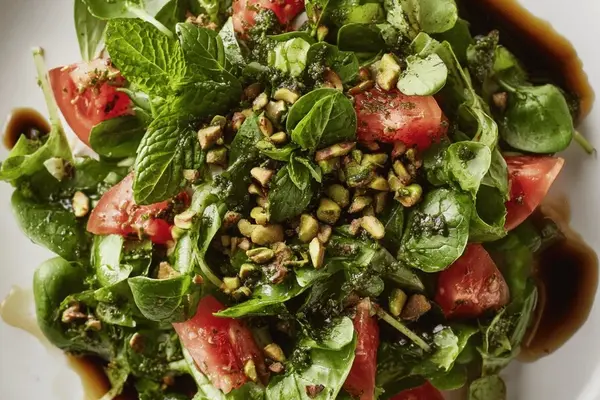
Green Goddess Dressing with Watercress

Creamy Coconut Mussels with Lemongrass
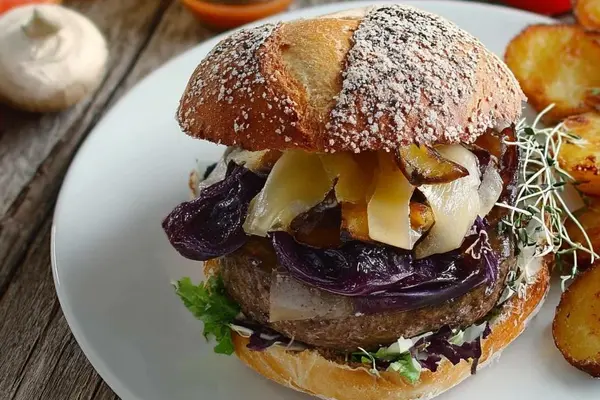
Burgundy Beef Burgers with Shiitake Mushrooms
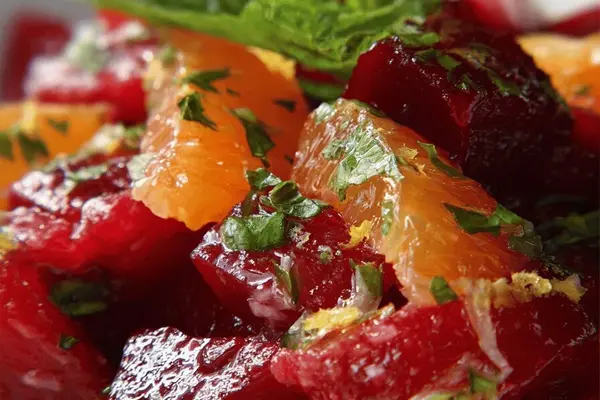
Glazed Beets with Grapefruit and Fresh Basil

Olive Garden Bread Sticks with Garlic & Cheese
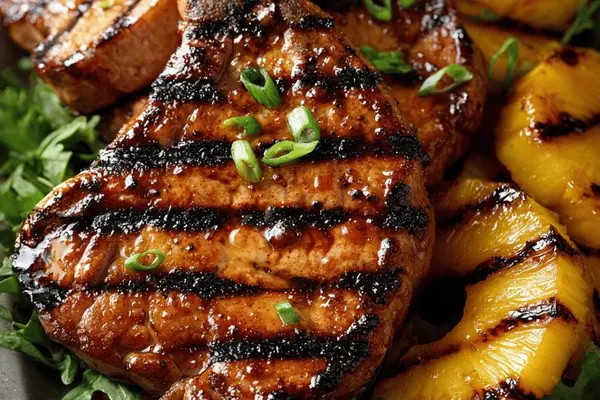
Grilled Pork Chops with Pineapple Orange Marinade
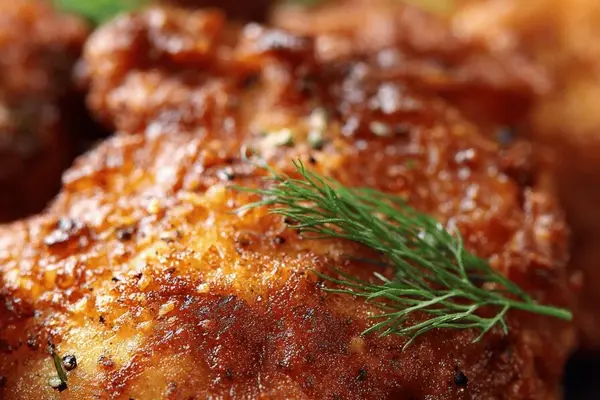
Crispy Beer-Battered Chicken Thighs with Dill Pickle
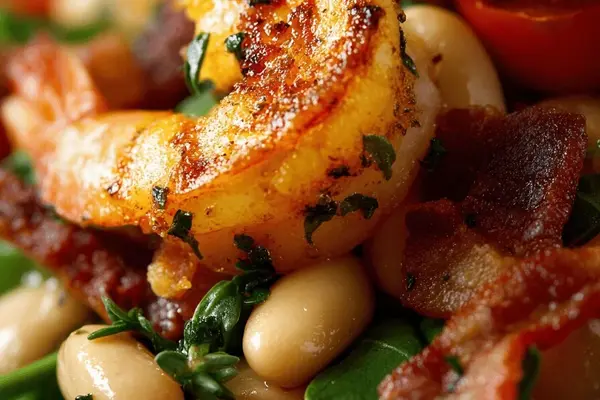
Cannellini Bean Salad with Grilled Shrimp

No Bake Cheesecake with Oreo Crust

French 75 Cocktail with Grapefruit Soda

Corn On Cob Seasoning with Smoked Paprika

Loaded Smashed Potatoes with Bacon & Cheddar
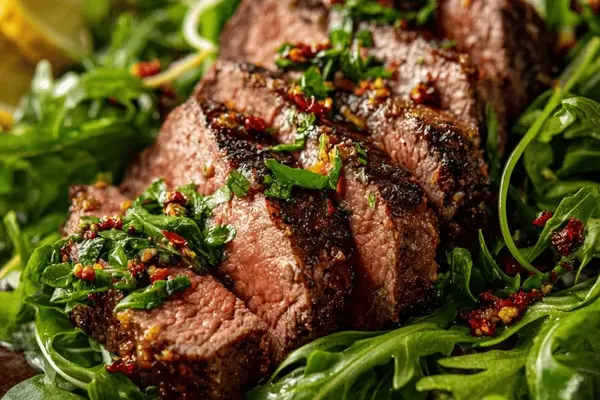
Beef Tataki with Harissa & Rice Vinegar
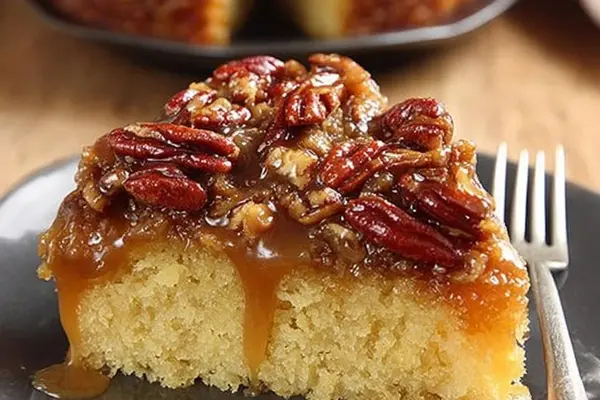
Caramel Pecan Upside Down Cake