Butternut Pumpkin Pasta Sauce with Sage
By Emma
Certified Culinary Professional
·
Recipe tested & approved
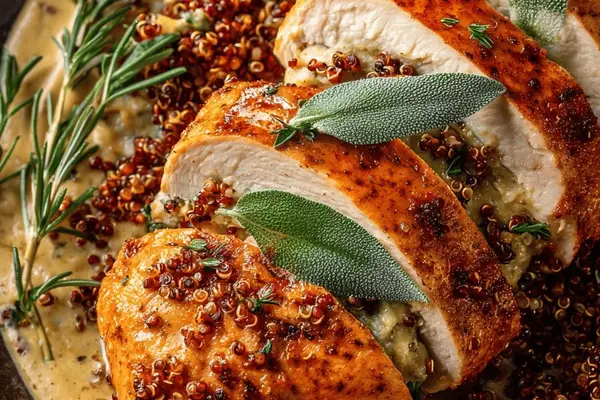
Turkey escalopes stuffed with quinoa and apricots, wrapped and roasted till the filling swells against tender meat. The kabocha squash sauce—bright with mustard, warm with sage—pools underneath. Forty minutes to prep. Eighty minutes cooking. Not a weeknight thing.
Why You’ll Love This Butternut Pumpkin Pasta Sauce
Takes two hours total but most of it’s hands-off roasting. The filling cooks while you make the sauce. Everything happens at once if you move right.
Sounds complicated. The actual steps are simple—sweat the leek, simmer the quinoa, puree the squash, pound and stuff and wrap, roast. No timing juggling because nothing cares if you’re five minutes late.
Works as a main course for Thanksgiving or any dinner when you want something that looks like you tried. Cold leftovers taste better than hot, sliced thin with a salad.
The pumpkin sauce itself works on gnocchi, on spaghetti, on basically any pasta if you skip the turkey entirely. Makes enough to save.
Tastes sweet and savory at the same time—apricots, mustard, sage, cinnamon barely there. Most people can’t name what they’re eating.
What You Need for Butternut Pumpkin Sauce with Roasted Turkey
Kabocha squash. Peel it raw or roast it first—raw’s faster. The flesh goes soft in the broth. Not butternut. Kabocha has a different thing going on.
One small shallot minced fine. Garlic—two cloves, crushed. Olive oil. Chicken or vegetable broth, two cups. Grainy mustard. Not smooth. The grains matter. Five sage leaves fresh. Salt and pepper.
For the filling: white leek. Diced. Thyme. Olive oil again. More broth. Quinoa rinsed—this matters, gets the soap taste off. Cinnamon and nutmeg, just a pinch each. Dried apricots chopped. Four turkey escalopes, about five ounces each.
That’s it. Nothing hidden. If you don’t have thyme, skip it. If you don’t have apricots, use figs or dried cherries instead.
How to Make Butternut Pumpkin Pasta Sauce
Start with the filling because it needs to cool. Medium-low heat, olive oil. The white leek goes in first. Thyme with it. Don’t brown anything. Gentle. Four to five minutes till it starts to give. You’re not cooking it hard—you’re waking it up.
Broth in. Quinoa rinsed and in. Cinnamon. Nutmeg. Just pinches. Bring it to a simmer. Cover the pot. Low heat. It bubbles slow now, around eighteen to twenty minutes. The grains swell. They get this tiny tail that sticks out—that’s done. Not mushy. Not crunchy. The liquid disappears.
Stir in the apricots while everything’s still warm. Let it sit uncovered. Cool it down because if the filling’s hot when you stuff the turkey, the meat shrinks unevenly and tears. You need it room temperature, maybe cooler.
Now the sauce. Medium heat, olive oil. Squash in—all of it, diced. Shallot. Garlic crushed. Stir often. Seven minutes and it smells like garlic and sage coming through. The squash starts to soften at the edges.
Two cups broth. Five sage leaves torn up. Simmer uncovered. Twenty-two to twenty-five minutes. The squash falls apart when you push it with a spoon. The broth reduces. It’s thicker now.
Blend it. Do it in batches because hot puree spatters everywhere. Get it smooth. No fibrous bits. This matters. If you see strings, blend longer. Add the mustard last—after blending—or it gets bitter. Tastes punchy now. Salt it. Pepper. If it’s thick like paste, add a splash more broth. It should move when you tilt the bowl.
Keep it warm on low. Don’t boil it again.
How to Get Turkey Escalopes Tender and Roasted Perfect
Oven to 185°C (365°F). Middle rack. Let it heat while you prep.
Two escalopes at a time. Lay one between two pieces of plastic wrap. Roll a rolling pin over it. Hard but not violent. Flatten it even. About twenty by fifteen centimeters. You want it thin enough that the filling shows through when you hold it up but thick enough it doesn’t tear.
Remove the top plastic. Salt lightly. Pepper. Spoon half the filling along the wider edge. Make a line. Roll it tight—start at the filled edge, roll it away from you, flatten as you go so the filling doesn’t spill out the sides. About twenty centimeters long, four centimeters thick. Peel off the bottom plastic.
Tear a piece of heavy aluminum foil. Lay the roll in the center. Wrap it tight. Twist the ends like you’re wrapping a candy. This seals the steam inside. The turkey stays juicy.
Set it on a baking sheet. Repeat with the other two escalopes.
Roast fifty minutes minimum wrapped. Don’t open it. Don’t check. The foil holds everything. After fifty minutes, touch it through the foil—it should feel firm but give slightly when you press. Still juicy inside.
Remove the foil. Roast exposed five to seven minutes. This dries the edges, browns them. Watch it close. It browns fast once exposed. Edges go dark quick.
Rest five minutes. Just five. The juices lock back in. Slice with a sharp serrated knife—thick disks, not thin. Serve hot with the pumpkin sauce spooned over.
Tips and Common Mistakes with Turkey and Pumpkin Sauce
Cool the filling completely before stuffing or the turkey shrinks uneven and the filling splits the meat open. This is the only rule that matters.
Quinoa done when the grains look slightly translucent and you see a tiny tail curled around each grain. Too much broth and it goes mushy. Too little and it stays crunchy. The liquid should vanish exactly when the texture’s right.
Kabocha sometimes tastes bitter. If yours does, stir in extra apricots or a drizzle of honey into the warm sauce. It balances. Figs work instead of apricots. Dried cherries work. Doesn’t matter which.
Garlic burns fast. Medium heat. Stir constantly those first seven minutes. If it goes brown, start over with fresh cloves. Burnt garlic tastes acrid and ruins everything.
Pounding the escalopes is a skill. Too thick and the filling disappears inside the meat. Too thin and it tears when you roll. Press down firm but steady. Gentle pressure. Takes practice.
The foil wrapping is the thing that guarantees tender turkey. Steam gets trapped. Moisture stays. You can’t dry it out no matter how long it sits in there.
Blending the sauce—push it through a fine sieve if you’re worried about texture. Any fiber shows. The mustard goes in after blending or heat breaks it down and kills the punch. This sauce should taste bright and sharp underneath the squash sweetness.
Serve with wilted spinach or roasted baby potatoes tossed in rosemary. Cold leftovers slice thin and go on salad with mustard vinaigrette.
Butternut Pumpkin Pasta Sauce with Sage
Prep:
40 min
Cook:
1h 20min
Total:
2h
Servings:
4 servings
Ingredients
- SAUCE
- 375 ml (1 1/2 cups) kabocha squash peeled diced
- 1 small shallot minced
- 2 garlic cloves crushed
- 15 ml (1 tbsp) olive oil
- 500 ml (2 cups) chicken broth or vegetable broth
- 30 ml (2 tbsp) grainy mustard
- 5 fresh sage leaves finely chopped
- Salt pepper
- FILLING
- 180 ml (3/4 cup) diced white leek
- 5 ml (1 tsp) fresh thyme chopped
- 30 ml (2 tbsp) olive oil
- 170 ml (about 2/3 cup) chicken broth
- 45 ml (3 tbsp) quinoa rinsed
- 1 pinch ground cinnamon
- 1 pinch ground nutmeg
- 45 ml (3 tbsp) chopped dried apricots
- 4 turkey escalopes (150 g - 5 oz each)
Method
- FILLING
- 1 Heat olive oil over medium low. Softer leek and thyme fragrant, sweat gently but do not brown; 4-5 minutes. Add broth, quinoa, cinnamon, nutmeg; bring to simmer. Cover, reduce heat low, gently bubble till quinoa swells and liquid absorbed; about 18-20 min. Check texture: no crunch, not mushy. Stir in apricots while still warm. Let cool while prepping sauce and turkey.
- SAUCE
- 2 Warm olive oil over medium. Add squash, shallot, garlic. Stir often; softening and aromatic around 7 min. Add chicken broth and sage. Simmer, uncovered till squash yields easily to fork and broth reduces slightly; roughly 22-25 min. Blend in batches to a glossy puree; add grainy mustard last for punch. Season with salt, pepper. Keep warm. If sauce too thick, add splash broth.
- TURKEY
- 3 Oven rack middle; preheat to 185°C (365°F). Two turkey escalopes at once between plastic wrap. Pound with rolling pin thin and even - 20 x 15 cm approx. Remove top plastic. Salt and pepper lightly. Spoon half filling along wider edge; shape into tight rolls about 20 cm long, 4 cm thick. Remove bottom plastic and transfer carefully to large sheet heavy aluminum foil. Wrap tightly, twist ends like candy wrappers. Arrange on baking sheet.
- 4 Repeat with remaining two escalopes.
- 5 Roast wrapped rolls 50 minutes minimum. Look for slight firmness but juicy to touch. Remove foil, roast exposed 5-7 min for extra browning and drying edges (watch closely; dries quickly). Rest rolls 5 minutes before slicing to keep juices locked.
- 6 Cut gently into thick disks with sharp serrated knife, serve hot with robust pumpkin-mustard sauce spooned over. Garnish optional: fresh thyme sprigs or microgreens.
- TIPS & TROUBLESHOOTING
- 7 Do not skip cooling quinoa filling before stuffing or turkey will shrink unevenly during roasting, causing tears. Quinoa cooked perfectly when grains slightly translucent and tails visible. Mushy filling means too much broth; dry means insufficient cooking or broth.
- 8 If you get a bit of bitter from kabocha, balance with extra apricots or a drizzle of honey in sauce. Can swap dried apricots with chopped dried figs or cherries. Garlic can burn fast; watch and stir frequently.
- 9 Pounding key: too thick hides filling flavor; too thin rolls tear. Use firm but gentle pressure. Foil wrapping seals moisture and traps steam, guaranteeing tender turkey without drying.
- 10 Sauce blending crucial. Any fibrous bits ruin texture; test before seasoning. Mustard added post-blend to avoid bitterness and preserve punch.
- 11 Elevate dish with side of wilted spinach or roasted baby potatoes tossed in rosemary and garlic.
- 12 Leftover turkey rolls? Slice cold, serve on mixed salad leaves with mustard vinaigrette.
- 13 Visual cues dominate timing: squash softens to fork tender; turkey rolls plump, not shriveled; quinoa fluffy but not wet. Smell garlic and thyme to know when to move to next step.
Nutritional information
Calories
320
Protein
30g
Carbs
28g
Fat
11g
Frequently Asked Questions About Butternut Pumpkin Pasta Sauce
Can I make the pumpkin sauce ahead of time? Yeah. Make it the day before. Store it in a container. Reheat it low and slow on the stove. Add a splash of broth if it thickened too much. Sauce pumpkin keeps five days easy.
What if I don’t have kabocha squash? Butternut works. Takes longer to cook—maybe five extra minutes. Taste it as you go. The sauce should be smooth and sweet. Pumpkin sauce for spaghetti works the exact same way if that’s what you have.
Can I skip the turkey and just serve the sauce? Do it. The pumpkin sauce for pasta is good on its own. Gnocchi and pumpkin sauce. Gnocchi in pumpkin sauce. Spaghetti. Ravioli—pumpkin ravioli and sauce works perfect. The filling becomes irrelevant.
How do I know the turkey’s cooked through? Touch it. Firm but not hard. Not soft. If you’re nervous, cut into one roll after the wrapped roasting and check inside—should be pale, no pink, cooked through. Rest it five minutes and the carryover heat finishes any pale spots.
Can I use store-bought pumpkin puree instead of cooking squash? Probably. You’d skip the first part—sweating the squash. Go straight to adding the puree to the broth. One cup puree, maybe less. Taste it. Adjust. The texture might be different. Thicker. Add broth to thin it.
What about the gnocchi and pumpkin sauce combo? Works perfect. Make the sauce. Cook store-bought gnocchi in salted water. Toss with the warm pumpkin sauce. This is a main course for Thanksgiving or any dinner. Faster than the turkey version.
Does the pumpkin spaghetti work with fresh pasta? Yeah. Fresh cooks faster. Sauce pumpkin is thick enough that it coats it fine. The mustard keeps it from tasting too sweet.
Can I make this into pumpkin ravioli sauce without the turkey? Yeah. Skip the turkey escalopes entirely. The pumpkin sauce for ravioli is exactly what you need. Stuff the ravioli with whatever—ricotta, sage, butter. The sauce pumpkin goes over top. Pumpkin ravioli sauce is basically this.
You’ll Love These Too
Explore all →
Mashed Sweet Potatoes with Orange Cream
Grilled Vegetable Salad with Chimichurri
Chocolate Mint Profiteroles with Whipped Cream
Grilled Whole Sea Bass with Lemon & Herbs
Autumn Roasted Vegetables with Pear
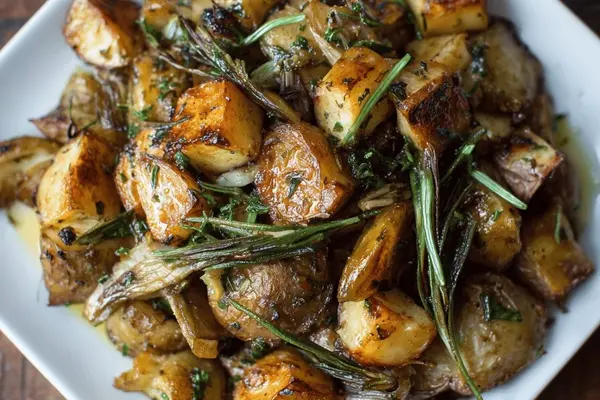
Roasted Jerusalem Artichokes with Browned Butter
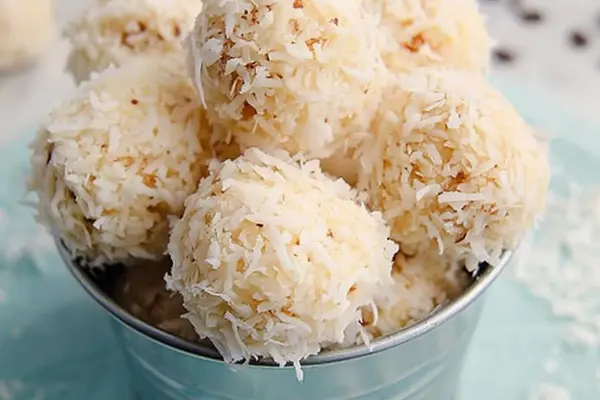
Coconut Pecan Candy | No Bake Treats
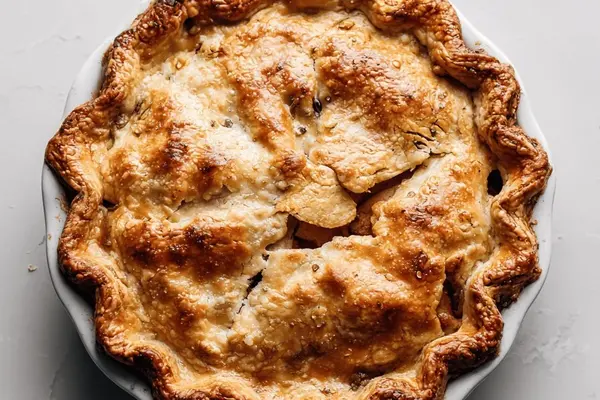
Pie Crust Recipe with Flax Egg and Canola Oil
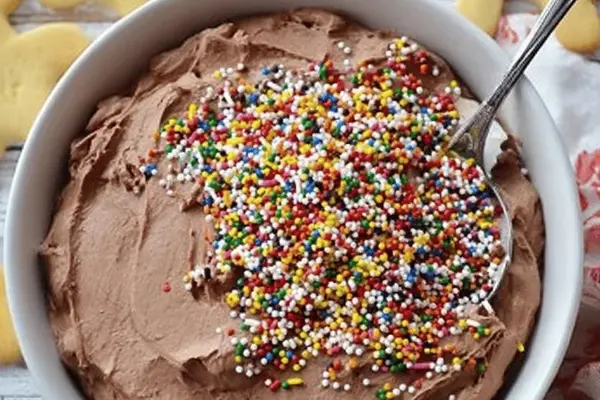
Chocolate Fun Dip with Cake Mix & Whipped Cream
Garlic Mayonnaise with Dijon & Fresh Herbs

Limoncello Spritz Cocktail Recipe
Roasted Chicken Thighs with Garlic & Rosemary
Slow Cooker Sausage with Vegetables
How to Make Rennet Mozzarella at Home
Cinnamon Toast Crunch Cookies Recipe
Homemade Peanut Brittle with Butter & Vanilla
Avocado Corn Salad with Lime Dressing
Cajun Chicken Pasta with Shrimp & Andouille
Caramel Pecan Upside Down Cake