Filled Shells with Ricotta and Peas
By Emma
Certified Culinary Professional
·
Recipe tested & approved
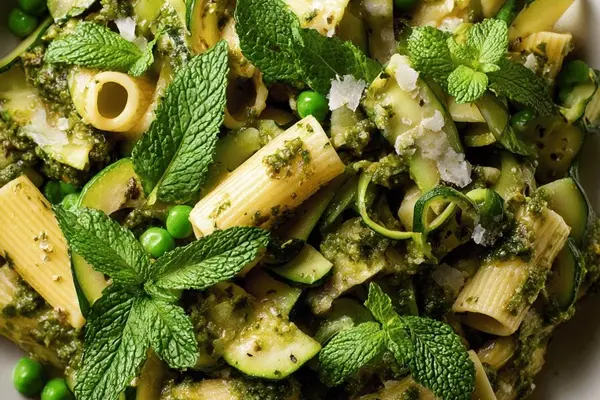
Filled shells pasta simmered in vegetable broth with grated zucchini, peas, ricotta, and pecorino romano. Fresh mint and basil pesto add herbal brightness to this light, creamy dish.
Prep:
15 min
Cook:
20 min
Total:
35 min
Servings:
4 servings
Heat the oil over medium-high until you see it shimmer. Garlic goes in—just for a minute, maybe less. You want soft sizzle, not browned bits. That’s the whole thing right there.
Why You’ll Love This Filled Pasta Shells Dish
Fifteen minutes prep, twenty to cook. Done in 35 minutes flat. Works as an actual weeknight dinner—vegetarian, no weird ingredients, everything you probably have or can grab fast. Ricotta on top stays creamy and cool instead of stirred in. Texture contrast. Most pasta dishes don’t do this. Tastes better the next day. Not sure why. Just does. The pesto and mint hit cold against the warm broth and cheese. One of those moments where the dish surprises you while you’re eating it.
What You Need for Stuffed Shells Ricotta Pasta
Garlic first—four cloves, chopped fine. Not sliced. Chopped.
Olive oil, about two and a half tablespoons. The kind you’d actually cook with, not the fancy one you save.
One small zucchini grated. Or swap it out for finely diced asparagus if that’s what’s there. Both work the exact same way.
Dry white wine, fifty milliliters. Doesn’t have to be expensive. Just not the stuff from the back of the cabinet that’s been open three months.
A liter of low-sodium vegetable broth. Low-sodium matters because you’re seasoning as you go. Chicken broth works too if you want something richer, but reduce the salt earlier.
Three hundred grams of tubettini or small pasta shells for stuffing. Ditalini works. Regular small shells work. If you’ve got something else short and tube-shaped, use it.
Four hundred grams of frozen peas, thawed. Seriously thawed—not straight from the freezer.
Thirty grams of freshly grated pecorino romano. Aged Parmesan if that’s what you have. The sharp salty one is crucial for depth. Don’t skip it.
Three hundred grams ricotta cheese. This sits on top—doesn’t melt all the way, stays creamy and cool.
Fifty milliliters basil pesto. Fresh if you can. If not, quick blend basil and olive oil with a little lemon zest instead.
Fifteen grams fresh mint leaves torn by hand. Not chopped. Torn.
How to Make Filled Pasta Shells
Heat the oil over medium-high until you see it shimmer. Garlic goes in—just for a minute, maybe less. You want soft sizzle, not browned bits. The second it smells like garlic, it’s done.
Toss in the grated zucchini or asparagus. Stir constantly for three minutes. You’re watching it soften but stay bright. Once it stops sounding crunchy under the spoon, move on.
Pour in the wine. It bubbles fast—that’s the point. It scrapes the brown bits stuck to the pan bottom. Let it reduce about halfway, two to three minutes. Watch it. No rushing or the wine harshness stays around and ruins everything.
Immediately add the broth and pasta together. Salt lightly. Let it taste like broth, not like you over-salted it already. Pepper to taste.
Bring it to a vigorous boil, then drop the heat to medium-low. Stir often so nothing sticks to the bottom. Cook seven to nine minutes until the pasta is almost done—al dente, tender with actual chew left in it. The broth should thicken and coat the pasta almost creamy, but there’s no cream in here. That’s just what happens when pasta breaks down into starch.
How to Get Filled Shells Ricotta Pasta Creamy
Three minutes before the pasta finishes, add the thawed peas. No longer than that or they go soft and lose the snap and that bright green color. Once the peas turn vibrant and the pasta bites back with chew, pull it off heat.
Taste the broth now. Fix the salt before anything else happens.
Stir the pecorino romano in swiftly while it’s all still steaming. The cheese melts into the broth and coats everything. This is where the sharp salty notes come in—you need that depth.
Divide the pasta into bowls while it’s still hot. Spoon ricotta chunks over the top. They soften from the heat but don’t melt all the way. That’s the whole point. Creamy and cool against warm pasta and broth.
Drizzle pesto in small dollops on the ricotta. Scatter torn mint leaves over everything. The herb aroma pops right there—arresting after the warm cheese and broth have been sitting. Serve immediately. Watch the ricotta melt slowly into the hot pasta when you eat it.
Stuffed Shells Ricotta Pasta Tips and Mistakes
If you don’t have tubettini, use ditalini or small shells. They all do the same thing.
No vegetable broth or want richer flavor? Chicken broth works but cut the salt earlier.
Common problem: pasta sticking and broth drying out fast. Keep the heat balanced—low enough to simmer but not a rapid boil. Stir often. Watch the liquid. The broth reduction develops flavor and texture. You don’t need extra fats here.
Ricotta on top is deliberate. Not stirred in fully. That texture contrast is the whole setup.
For dairy-free, skip the ricotta and substitute with toasted pine nuts or creamy avocado puree freshened with lemon juice. Different but works.
Filled Shells with Ricotta and Peas
Prep:
15 min
Cook:
20 min
Total:
35 min
Servings:
4 servings
Ingredients
- 4 cloves garlic chopped fine
- 40 ml olive oil (about 2 1/2 tbsp)
- 1 small zucchini grated
- 50 ml dry white wine
- 1 liter low-sodium vegetable broth
- 300 g tubettini or other short pasta
- 400 g frozen peas thawed
- 30 g freshly grated pecorino romano
- 300 g ricotta cheese
- 50 ml basil pesto
- 15 g fresh mint leaves torn
- Optional swap 1: replace zucchini with finely diced asparagus
- Optional swap 2: replace pecorino romano with aged Parmesan
Method
- 1 Heat oil medium-high in a saucepan; swirl garlic in until fragrant but not browned, about 1 minute. You want soft sizzle, no burnt bits. Toss in grated zucchini or asparagus instead; cook 3 mins stirring constantly till veggies soften but still vibrant. Scent of garlic and fresh veg mingles now.
- 2 Pour in wine; it bubbles fast, scrapes paste from pan bottom. Wait for wine to reduce about half, 2 to 3 minutes—watch carefully. No rushing here or wine harshness remains. Immediately add broth and pasta. Salt lightly but bring broth flavor forward. Pepper to taste.
- 3 Bring to vigorous boil, then reduce to medium-low heat. Stir often to prevent sticking. Cook 7 to 9 minutes until pasta just a bite away from done. This is al dente, tender with chew. Broth should thicken, coat pasta almost creamy but no cream added.
- 4 Add peas last 3 minutes—no longer or they lose snap and bright green hue. Once peas turn vibrant and pasta bites back with chew, remove from heat. Taste broth; adjust salt before cheese folds in.
- 5 Stir pecorino romano into pasta mixture swiftly, melting sharp salty notes. Pecorino crucial here for depth. Divide pasta into bowls while still steaming. Spoon ricotta chunks over top; they soften but not melt completely, creamy cool contrast.
- 6 Drizzle pesto in small dollops on ricotta, scatter torn mint leaves over everything. The herb aroma pops now—arresting after warm cheese and broth. Serve immediately, watch ricotta melt slowly into hot pasta when eating.
- 7 If no tubettini on hand, use ditalini or small shells. No vegetable broth or want richer flavor? Chicken broth works but reduce salt earlier. If no pesto, quick blend basil and olive oil with a little lemon zest as fresh substitute.
- 8 Common snag: pasta sticking and broth drying out. Keep heat balanced—low enough to simmer but not rapid boil. Stir often, watch liquid. Broth reduction develops flavor and texture; no need for extra fats.
- 9 Ricotta on top is deliberate, not stirred in fully. Keeps texture contrast. For dairy-free, discard ricotta and substitute with toasted pine nuts or creamy avocado puree freshened with lemon juice.
Nutritional information
Calories
370
Protein
18g
Carbs
50g
Fat
12g
Frequently Asked Questions About Ricotta Pasta Shells
Can you use regular pasta instead of short shells? Tubettini or ditalini is better because the broth clings to it. Long pasta like spaghetti just slides around. Short stuff holds the sauce.
How do you thaw the peas without making them mushy? Put them in a bowl the night before, or run cold water over them for a minute. Don’t boil them separately. Just thaw them.
What if the broth doesn’t thicken? Cook the pasta longer. Starch thickens it naturally. The longer it sits in the broth, the thicker it gets. Also might need more pasta next time.
Can you make this ahead? Cook everything but hold the ricotta and pesto. Reheat the pasta and broth together, add the ricotta and pesto fresh. The ricotta gets weird if it’s been sitting hot.
Does this work as a stuffed shells ricotta recipe if you actually stuff shells? Technically yeah. Cook the shells separately, fill them, bake. But that’s a different dish. This is pasta in broth with ricotta on top. Faster. Less work.
What if you don’t like mint? Skip it. The pesto and basil are already there. Won’t miss it.
You’ll Love These Too
Explore all →
Butternut Squash Rigatoni Gratin with Leek
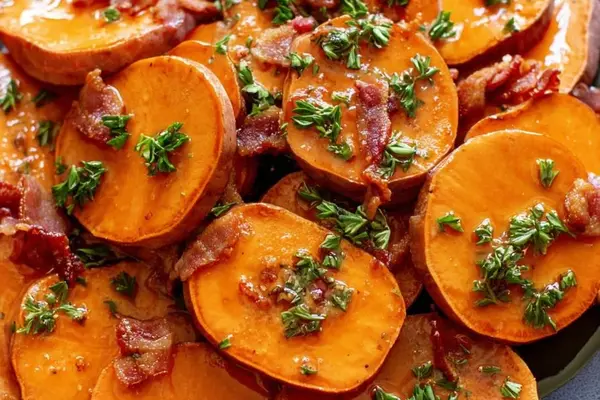
Baked Carrots Honey: Sweet & Glazed
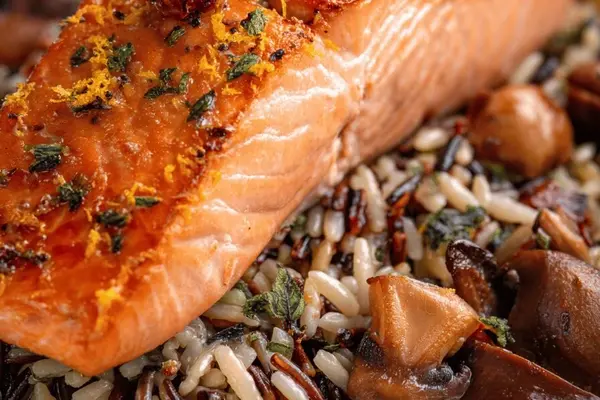
Roasted Salmon with Mushrooms & Orange Zest
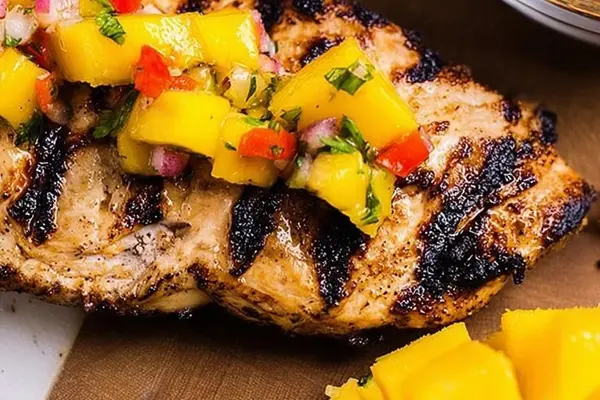
Grilled Chicken with Pineapple Salsa
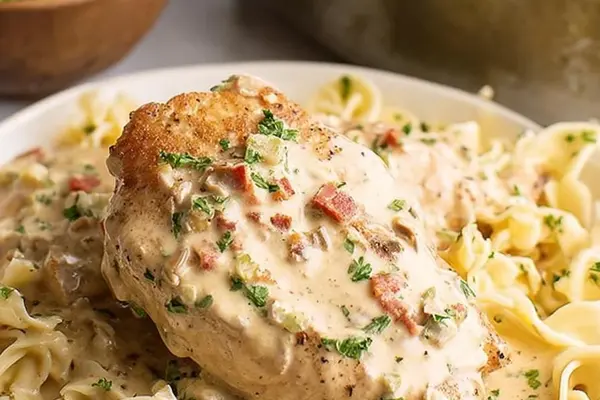
Creamy Garlic Chicken with Bacon & Peas
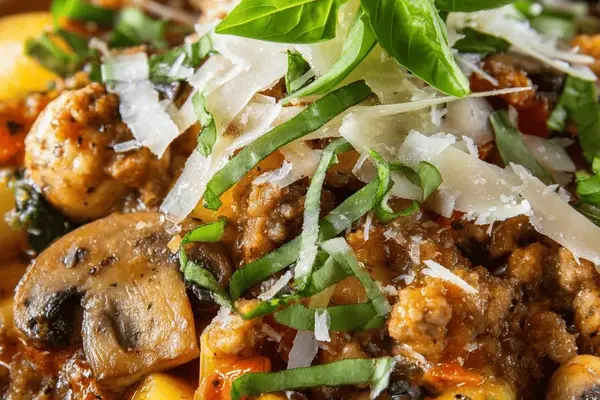
Slow Cooker Sausage with Vegetables
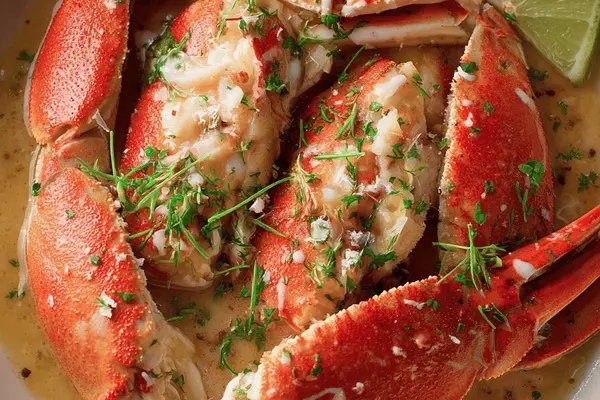
Butter Snow Crab with Shallots and Lime

French 75 Cocktail with Gin and Cranberry
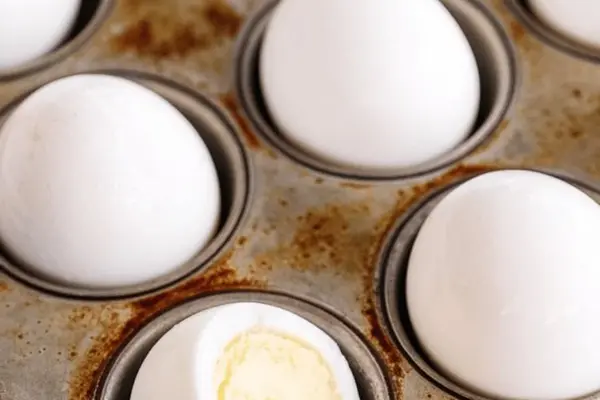
Oven Baked Hard Eggs in Muffin Tin
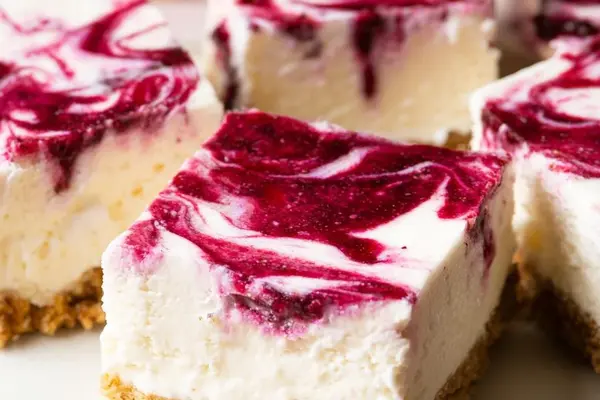
No-Bake Berry Cheesecake Bars with Lemon
Carrot Ginger Rum Cocktail with Elderflower
Pistachio Cookies with Lemon Zest
Molasses Gingerbread Loaf with Cream Cheese
Cheesy Beef Quesadillas with Ground Beef
Breakfast Burrito with Eggs, Mushrooms & Spinach
Italian Meat Sauce with Beef and Sausage
Recipes For Salmon In The Oven
Chilled Celery Soup with Leek & Parsnip
Cheeseburger Sliders with Sharp Cheddar