Ricotta Tartlets with Fresh Tomatoes
By Emma
Certified Culinary Professional
·
Recipe tested & approved
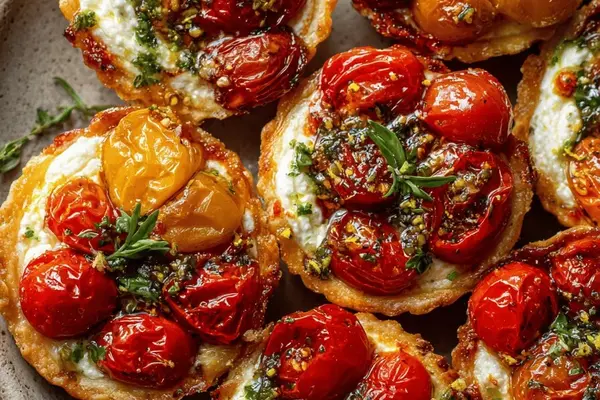
Crisp panko crusts filled with creamy ricotta, fresh tomatoes, and mixed herbs. Topped with garlic, lemon zest, and a hint of red pepper flakes for balanced heat.
Prep:
30 min
Cook:
25 min
Total:
55 min
Servings:
6 servings
Divide dough. Press firmly into six greased 10cm tart pans—base and sides both, even thickness or you’ll get chewy in some spots and cracked in others. Bake at 175°C for 22 to 25 minutes. Watch the edges go golden. Touch the crust lightly; firm means done. Cool completely on a wire rack before you even think about filling it. Warm crust = soggy shell. Every time.
Why You’ll Love This Ricotta Tartlets
Takes 55 minutes total. Thirty to prep, 25 in the oven.
Ricotta and tomato work together in a way that doesn’t feel heavy. The herb ricotta soaks into the tomatoes while the panko crust stays crisp underneath—if you wait for it to cool first, which matters.
Appetizer that actually looks like you tried. Doesn’t feel like it took effort.
No special equipment except tart pans. Vegetarian. Works cold or warm. Leftovers get better; the lemon zest mellows the garlic, and everything kind of settles overnight.
What You Need for Herb Ricotta Tartlets
[Crust] Olive oil. Fifty milliliters. Dijon mustard—twelve milliliters, not regular mustard, the sharp kind. Salt. Red pepper flakes. One egg. Panko breadcrumbs, 125 grams. Not crushed fine. The flakes matter; they brown differently than flour.
[Filling] Ricotta cheese. Two hundred fifty grams. Small tomatoes, quartered—about 300 grams. Mixed herbs: basil, thyme, oregano, chives, 12 grams total chopped. Twenty-five milliliters olive oil. One small garlic clove, minced fine. Lemon zest from half a lemon. Salt and pepper.
The mustard does two things at once—adds tang and binds the crust. You could swap it for miso paste if you wanted umami instead, but then adjust the salt down. The panko crust tartlets turn crispy in a way flour doesn’t.
How to Make Ricotta Tartlets
Set your oven rack to mid-level. Preheat to 175°C. Slight variation in temperature helps the crust brown without burning the mustard sharpness—that acrid smell means you went too far.
Whisk olive oil, Dijon, salt, and pepper flakes in a big bowl. Add the egg. Mix until it’s one color. Then the panko. Just enough to moisten. Don’t overthink it. Wet means soggy crust later. Too dry and it falls apart when you press it.
Divide the dough into six portions. Press firmly into the pans—base first, then sides. Even thickness. Thick and you get chewy. Thin and it cracks. The bottoms matter as much as the edges.
Bake 22 to 25 minutes. Watch for golden edges and a firm surface. Touch the edge lightly. Firm not soft. That’s done. Cool completely on a wire rack before you move them. Removing warm ones causes steam. Soggy shell right then.
How to Get Ricotta Tartlets Crispy and Filled Right
Pop the shells gently from the pans once they’re cool. Place on the serving plate.
In a bowl, season ricotta with salt and pepper. Mix well. It develops a gentle creaminess when you actually stir it, spreads the flavor evenly instead of salt just sitting on top.
Spoon ricotta into the crusts. Smooth the surface. Don’t pack it. Keep it airy.
Toss tomatoes with herbs, garlic, olive oil, lemon zest, salt, pepper. Let it sit five minutes. The tomatoes soften slightly. Flavors meld. Top each tartlet with the tomato mixture. The juices drain into the ricotta, moistening it without making the crust soggy—if you cooled the crust all the way, which you did.
Serve immediately or chill up to an hour. Warm slightly before serving if chilled. The aroma opens up. Raw garlic mellows over time but can bite if too fresh—a reason to make these an hour ahead actually.
Tomato and Ricotta Appetizers — Tips and What Can Go Wrong
Don’t skip lemon zest. Lifts the tomato’s acidity. Balances the richness of the ricotta. Sounds small. Changes everything.
Watch tomato moisture. If they’re too watery, they’ll make the shell mushy. Drain them if you have to. Grape or cherry tomatoes are firmer. Use those instead of big ones that weep.
Cooling the crust completely before filling—this is where most people fail. Warm shell plus wet ricotta equals mush. Cold crust can handle it.
Test doneness by tapping the edge. Should sound hollow. Should feel firm. Not soft. Not pale. Golden and solid.
Panko crust tartlets can go gluten-free. Panko works fine for that already. If you can’t find it, crushed rice crackers work. Gluten-free breadcrumbs work. Texture’s different but it bakes.
The mustard is a binder and flavor. You could swap it for miso paste for deeper umami, but then use less salt. The crust needs both structure and taste or it’s just a vehicle.
Optional: toasted pine nuts on top. Or a drizzle of balsamic reduction for contrast. Doesn’t change the dish. Just sits there being extra.
Ricotta Tartlets with Fresh Tomatoes
Prep:
30 min
Cook:
25 min
Total:
55 min
Servings:
6 servings
Ingredients
- Crust
- 50 ml olive oil
- 12 ml Dijon mustard
- 2 ml salt
- 1 ml red pepper flakes
- 1 egg
- 125 g panko breadcrumbs
- Filling
- 250 g ricotta cheese
- 300 g small tomatoes, quartered
- 12 g chopped mixed herbs (basil, thyme, oregano, chives)
- 25 ml olive oil
- 1 small garlic clove, finely minced
- zest from 1/2 lemon
Method
- Crust
- 1 Set oven rack mid-level. Preheat oven to 175 C (345 F), slight variation helps crust browning without burning mustard sharpness.
- 2 Whisk olive oil, Dijon, salt, chili flakes, and egg in a big bowl. Add panko, just enough to moisten. Overwet makes soggy crust, too dry falls apart.
- 3 Divide dough; press firmly base and sides of six 10cm tart pans (greased). Thickness matters: thick crust means chewy, thin might crack. Aim for even.
- 4 Bake 22-25 minutes. Watch for golden edges and surface becoming firm. Touch crust edge lightly; firm not soft means done. Avoid burnt mustard smell.
- 5 Cool crusts fully on wire rack to keep crisp. Removing while warm causes steam, sog right then.
- 6 Pop tart shells gently from pans. Place on serving plate.
- Filling
- 7 In bowl, season ricotta with salt and pepper. Mixing well helps develop gentle creaminess and spreads flavor evenly.
- 8 Spoon ricotta into crusts, smoothing surface but don’t pack tight, keep airiness.
- 9 Toss tomatoes with herbs, garlic, olive oil, lemon zest, salt, pepper. Let sit 5 minutes to meld flavors and soften tomatoes slightly.
- 10 Top tartlets with tomato mixture. Juices drain into cheese, moistening without sogginess if crust properly pre-baked.
- 11 Serve immediately or chill up to 1 hour. Warm slightly before serving for full aroma release. Raw garlic will mellow over time but can bite if too fresh.
- 12 Optional: add toasted pine nuts or a drizzle of balsamic reduction for contrast.
- Tips
- 13 For gluten-free, panko works well; if unavailable, use crushed rice crackers or gluten-free breadcrumbs.
- 14 Mustard adds tang and acts as binder; can swap with miso paste for umami depth but adjust salt accordingly.
- 15 Don’t skip lemon zest; lifts tomato’s acidity, balances richness.
- 16 Watch tomato moisture; if too watery, drain or use firmer varieties like grape or cherry.
- 17 Cooling crust completely before filling prevents mushy shell—a mistake many make.
- 18 Test crust doneness by tapping edge—should sound hollow and feel firm.
Nutritional information
Calories
280
Protein
8g
Carbs
20g
Fat
18g
Frequently Asked Questions About Ricotta Tartlets
Can I make the panko crust tartlets ahead of time? Bake the shells the morning of, cool completely, keep them in a sealed container. Fill them an hour before serving max or the crust gets soft. The ricotta filling gets better if it sits—the herbs release more flavor—but the crust doesn’t benefit from moisture.
What if my tomato ricotta filling is too wet? Drain the tomatoes before you toss them with the herbs. Or use firmer varieties like grape or cherry tomatoes. If the filling still weeps, the problem’s usually the tomato variety, not your technique. Some tomatoes just hold water.
Can I substitute the ricotta cheese? Cream cheese works. Texture’s denser. Goat cheese works too—tangier, sharper. Neither’s ricotta but they both work. Ricotta’s lighter because of the air in it. Other cheeses are heavier. Adjust expectations.
How long do these keep? Eat them same day or next day cold from the fridge. The crust gets softer by day two. Doesn’t go bad, just loses the crisp. Freezing the filled tartlets doesn’t work well—ricotta breaks when it thaws.
Why does the garlic taste sharp sometimes? Fresh garlic is hot. Mince it finely and let the tomato mixture sit five minutes minimum. The tomato juice mellows it. If you make them an hour ahead, it mellows more. Raw garlic bite fades with time. That’s not a mistake, that’s aging.
Do I need to use Dijon mustard or can I swap it? Dijon adds tang and binds the crust. Regular mustard’s milder. Miso paste works—gives umami instead of sharp—but reduce the salt because miso’s salty already. Skip it entirely and the crust loses structure and taste. Not recommended.
Can I make herb ricotta tartlets in advance? The crust yes, fully baked and cooled, stays crisp in a sealed container for a day. The filling no—once tomatoes hit ricotta, moisture starts moving. Assemble an hour before serving. That’s the window.
You’ll Love These Too
Explore all →
Neapolitan Pizza Sandwiches with Goat Cheese
Banana Bread Brownies with Brown Butter Frosting
Hearty Chicken Bog with Smoked Sausage
Chicken Chorizo Olive Skewers Grilled
Ben & Jerry's Vegan Ice Cream with Maple
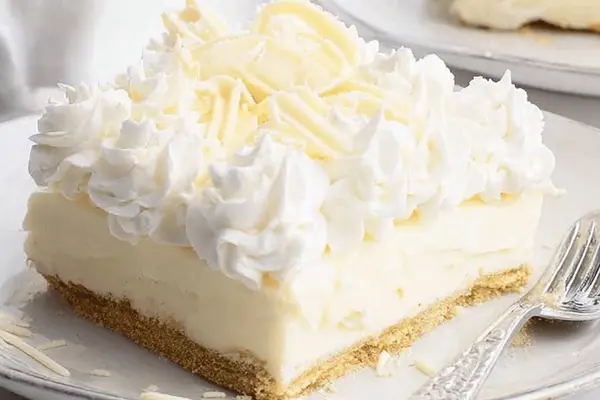
No Bake Cheesecake with Oreo Crust
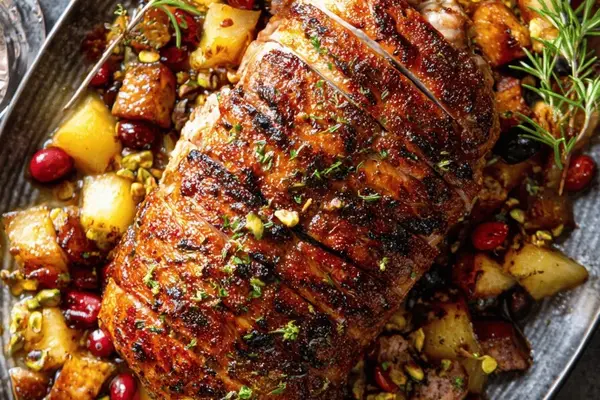
Pan Roasted Turkey with Cranberry Sausage
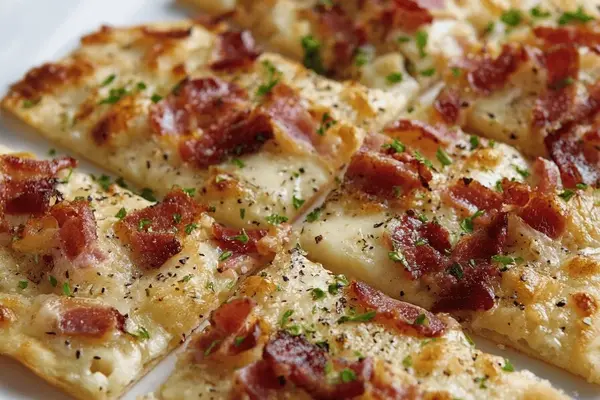
Flammekuchen Recipe: Crispy Crust with Pancetta
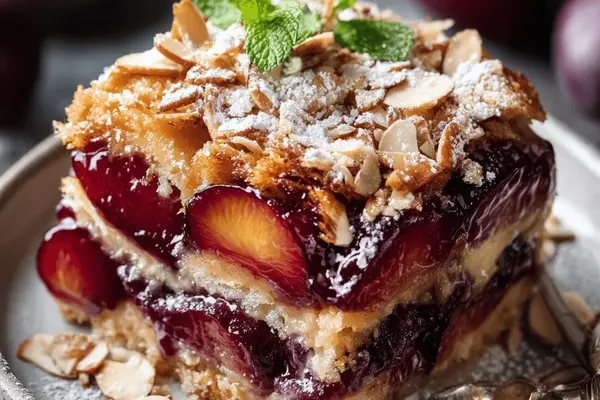
Plum Crumble with Almond Topping & Cardamom
Roasted Veggie Soup with Chickpeas & Thyme

Apple Chamomile Cocktail Twist Recipe
Passionfruit Coconut Pavlovas with Basil Cream
Garlic Mayonnaise with Dijon & Fresh Herbs
Dairy Free Chocolate Ganache Recipe
Baked Ziti Ground Turkey Recipe
Coconut Pecan Candy | No Bake Treats
Ground Beef Tacos with Chili Powder & Cumin
Cheesy Zucchini Casserole with Cracker Crust
Sirloin Steak with Mushrooms and Tomato