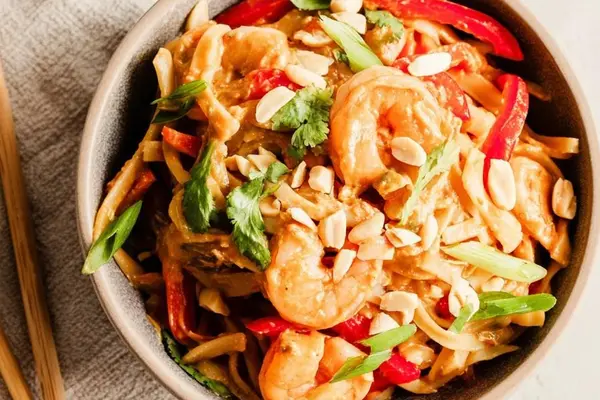
Noodles With Peanuts and Shrimp
By Emma
Certified Culinary Professional
·
Recipe tested & approved
Rice noodles tossed with creamy almond butter sauce, shrimp, carrots, and bell pepper. Quick stir-fry with lime, ginger, and garlic for an easy weeknight meal.
Prep:
12 min
Cook:
22 min
Total:
34 min
Servings:
4 servings
Boil the water first. Salt it like the sea. Rice noodles go in once it’s rolling—don’t walk away, they cook fast. The second they have a tiny bit of give, drain them. Toss with a touch of oil so they don’t weld together into one brick.
Why You’ll Love This Thai Peanut Noodles With Shrimp
Takes 34 minutes total. Twelve to prep, twenty-two to actually cook. That’s it. Works as a weeknight thing or when people show up and you need to look like you have your life together. The sauce hits all the angles—salty, sweet, sour, spicy. Not one at a time. All at once. Shrimp cooks in like four minutes. Noodles don’t get mushy if you pay attention. Veggies stay snappy instead of turning into mush. Tastes better the next day, maybe. The flavors kind of marry overnight. One pan, mostly. Some cleanup but nothing that haunts you.
What You Need for Thai Noodles With Peanuts
Rice noodles. Eight ounces. Could use linguine if you want something with more tooth to it.
Almond butter, half a cup. Creamy. Not the chunky kind—it doesn’t cooperate with the sauce. Way smoother than peanut butter anyway, less likely to seize up.
Soy sauce, three tablespoons. Salt does most of the heavy lifting here.
Lime juice—two tablespoons. Not the bottled stuff. An actual lime. You’ll taste the difference and it matters.
Honey or maple syrup. One tablespoon. The sweetness just balances things. Not a lot.
Fresh ginger, grated. A teaspoon. Tiny. Just enough to know it’s there.
One garlic clove, minced. Could do two if you’re that person.
Sriracha. One teaspoon, or more if heat is your thing. Depends on the bottle—some are meek, some are aggressive.
Warm water. Quarter cup. Plus extra for thinning. The almond butter gets tight and you’ll need to loosen it.
Avocado oil. Two tablespoons. Coconut oil works too if you want that tropical angle. Olive oil burns—don’t bother.
Carrots, sliced thin. A cup. Takes them forever to soften otherwise.
Red bell pepper. Medium. Sliced. Color matters, tastes better than orange.
Shrimp. A pound. Peeled and deveined. Raw. Not frozen and thawed twice.
Frozen peas. Half a cup. Thawed. They don’t need cooking, just heat.
Roasted almonds, chopped. Quarter cup. For crunch. Actual almonds, not peanuts, so it matches the sauce.
Green onions. Three of them. Sliced thin. The sharp thing at the end.
How to Make Thai Peanut Noodles With Shrimp
Get water on the stove first. Salted. Let it hit a rolling boil before the noodles go anywhere near it. Rice noodles are weird—they go from firm to paste in about ninety seconds if you’re not watching. Drop them in, stir once so they don’t stick to the bottom, set a timer for however long the box says. Two minutes before that timer’s done, taste one. It should have just a tiny bit of resistance when you bite. Not crunchy. Not mushy. That middle place. Drain them straight into a colander and immediately—I mean immediately—toss them with a small splash of that avocado oil so they don’t fuse into a solid mass while you’re doing the next thing. Set them somewhere and leave them alone.
For the sauce, grab a medium bowl and dump in the almond butter. It’s thick and angry right now. This is normal. Add the warm water a teaspoon at a time, stirring hard between each pour. You’re looking for it to go from paste to something that moves. Once it loosens up, add the soy sauce, lime juice, honey, ginger, garlic, sriracha. Stir until it’s smooth and glossy. Taste it. Does it taste salty and sweet and sour and spicy all at once? Good. If it’s one-note, fix it. Too salty? Add a touch more honey. Too sweet? Lime juice. Too thick? More warm water. Too thin? Just leave it for now, it thickens slightly when it hits hot stuff.
Heat the avocado oil in a heavy pan or wok over medium-high. The oil should shimmer and move fast when you tilt the pan. It should not smoke. Add the carrots and bell pepper all at once. They’ll hiss. Good. Let them cook undisturbed for maybe ninety seconds, then toss them around. They’ll soften and the edges will get a little brown and caramelized, which is exactly what you want. This takes about six minutes total. Halfway through, splash about three tablespoons of that sauce directly onto the vegetables. Stir it around. It coats them and seasons them as they cook.
The shrimp goes in next, but here’s the thing—spread them out in a single layer. Don’t crowd them on top of each other or they’ll steam instead of sear, and you’ll end up with rubberized little balls instead of juicy shrimp. Four minutes. Flip them once halfway through. They go from gray-blue to pink when they’re done. That’s your signal. Don’t overcook them. This is the easiest way to wreck everything.
Now fold in the noodles and the peas. Use a big spoon and turn everything over itself gently but thoroughly so the noodles get integrated with the vegetables and shrimp. Nothing raw in the center, nothing broken. Pour half that sauce over top and stir aggressively until the noodles develop a glossy, clingy coating. Taste it. Does it need more sauce? Add it a little at a time. The texture should be noodles that cling together loosely, not soup, not dry. There’s a sweet spot.
Finish with the chopped almonds scattered over and the green onions on top. Serve it hot or warm. If it’s missing something sharp or spicy when you taste it at the end, lime juice or chili flakes.
Thai Noodle Sauce and Shrimp Timing Tips
The almond butter sauce is the whole thing, so don’t skip the stirring. It needs vigorous mixing to break down and emulsify. If it splits or looks grainy, add a tablespoon of warm water and stir harder. Sometimes it just needs that.
Shrimp and noodle dishes live or die on timing. Cook the shrimp fully but not past that. The second it turns fully pink and firms up, it’s done. Thirty more seconds and it’s rubber. Watch it. Don’t get distracted.
Noodles get mushy fast if they’re overcooked or if they sit in liquid too long. Cook them al dente, drain immediately, oil them, and only combine with sauce right before serving if possible. Or serve sauce on the side and let people coat their own portion.
Veggies should have some resistance. If they’re completely limp, lower the heat next time and work faster. The hissing and the quick stir—that’s what keeps them snappy.
The sauce too thick? Water, a teaspoon at a time. Too thin? Either add more almond butter stirred in slowly, or let it cook gently in the pan for a minute and it’ll reduce. Not a long reduction—just enough.
Common Mistakes With Peanut Noodles and How to Fix Them
Sauce seizes up or goes grainy. This happens when almond butter gets too hot without enough liquid, or when you dump cold ingredients into hot sauce. Fix: remove from heat, add water slowly, stir hard. Next time, mix everything together before heat touches it, or add cold liquid very gradually.
Shrimp is rubbery. You cooked it past done. There’s no fixing that one. Next time, pull it off the heat when it’s mostly pink but still has a tiny bit of translucence in the very center. It keeps cooking for like fifteen seconds after you stop heating it.
Noodles are mushy. Either you overcooked them or they’ve been sitting in liquid too long. Drain fast, oil them, and don’t let them marinate in sauce until the last second. If this already happened, there’s no save. Just remember for next time.
Veggies are completely soft and sad. You cooked them too long or on too low heat. They need high heat and quick movement. The hissing sound is your friend—it means things are actually cooking and not just slowly falling apart.
Rice noodles with shrimp tastes flat or one-dimensional. You need all four flavors—salt, sweet, sour, spicy. Taste it and add what’s missing. Salty? More soy. Sweet? Honey. Sour? Lime. Spicy? Sriracha. Don’t dump it all at once. A little, taste, adjust.
Noodles With Peanuts and Shrimp
Prep:
12 min
Cook:
22 min
Total:
34 min
Servings:
4 servings
Ingredients
- 8 ounces rice noodles or substitute with linguine for firmer bite
- 1/2 cup almond butter instead of peanut butter, creamy style
- 3 tablespoons soy sauce
- 2 tablespoons lime juice
- 1 tablespoon honey or maple syrup
- 1 teaspoon grated fresh ginger
- 1 clove garlic minced
- 1 teaspoon sriracha or more to taste
- 1/4 cup warm water plus extra for thinning sauce
- 2 tablespoons avocado oil (can swap coconut oil for tropical vibe)
- 1 cup thinly sliced carrots
- 1 medium red bell pepper thinly sliced
- 1 pound shrimp peeled and deveined
- 1/2 cup frozen peas thawed
- 1/4 cup chopped roasted almonds instead of peanuts
- 3 green onions sliced thin
Method
- 1 Start by boiling ample salted water to cook noodles. Don’t overcook—temp testing is key. Noodles should be tender but with bite; strain and toss immediately with a little oil to prevent sticking. Set aside.
- 2 Mix sauce vigorously in a medium bowl. Almond butter thick, so add warm water teaspoon by teaspoon to loosen. Looks thick at first but glossy after stirring. Taste for balance: should hit salty, sweet, sour, spicy notes in harmony.
- 3 Heat avocado oil over medium-high in a heavy pan or wok. Oil must shimmer but not smoke. Add carrots and bell pepper, toss and stir. Veggies will hiss and soften, releasing faint sweetness. After ~6 minutes watch for slight caramelizing edges. Splash about 3 tablespoons sauce in while they cook; helps glazing and seasoning.
- 4 Add shrimp in one layer. Not crowded, quick cook till pink and firm—around 4 minutes total. Flip shrimp once during. Now fold in noodles and peas with shrimp and veggies. Stir gently but thoroughly.
- 5 Pour half cup sauce over, stir aggressively. Stop when noodles have a glossy sheen and cling to sauce; taste and add more gradually instead of dumping all at once. Texture matters here—too soggy kills it.
- 6 Finish with chopped almonds for crunch contrast and sprinkle green onions for freshness. Serve hot or warm. Noodles sticky but coated, shrimp juicy. If missing zing, extras splash lime or chili flakes.
- 7 Common slip: sauce too thick or splitting—thin further; too thin—more almond butter or simmer gently to reduce. Shrimp tough, sign of overcook. Veggies limp? Lower heat and quicker toss next time. Noodles mushy? Drain immediately and rinse under cold water before oiling.
Nutritional information
Calories
420
Protein
28g
Carbs
40g
Fat
18g
Frequently Asked Questions About Thai Peanut Noodles With Shrimp
Can you make this ahead of time? The noodles and sauce last separately in the fridge for like three days. Mix them together cold? Works. Reheat in a pan with a splash of water? Also works. The veggies and shrimp are best eaten the day you make it. They get sad sitting around.
What if you don’t eat shrimp? Chicken works. Cut it thin so it cooks fast. Tofu if you want, but it’ll need pressing first so it’s not soggy. Ground pork is good too. Whatever you’ve got. The sauce works on basically anything.
Is there a substitute for almond butter? Peanut butter obviously. Tahini if you want a totally different flavor—it’s nuttier and less sweet. Cashew butter works too. Sunflower seed butter if you need it. Just know that the consistency changes slightly with each one, so you might need to adjust water.
How spicy is this really? Not very, with one teaspoon of sriracha. Most of the burn is just a suggestion. You want more heat? Two teaspoons or three. Or drizzle it on at the table and let people choose.
Can you use regular pasta instead of rice noodles? Linguine would be good—firmer, holds sauce differently. Spaghetti works. Skip the spaghetti if you can. Linguine has more surface area to catch the sauce and it’s less likely to get mushy.
What if the rice noodles are still hard in the middle? They took longer to cook than expected. Stick them back in boiling water for another minute, drain, and oil them. Some brands are inconsistent. Doesn’t matter as long as you catch it before it goes the other way.
You’ll Love These Too
Explore all →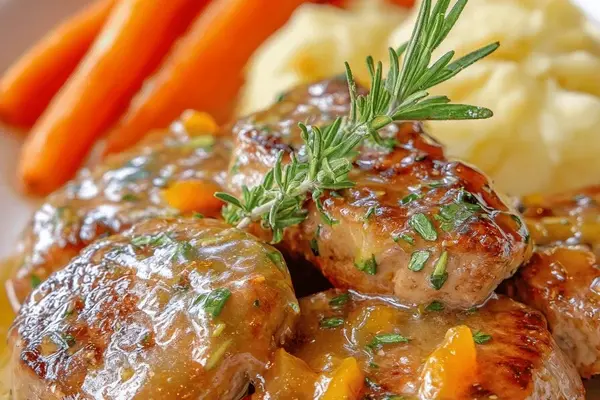
Pork Medallions with Tangerine Glaze
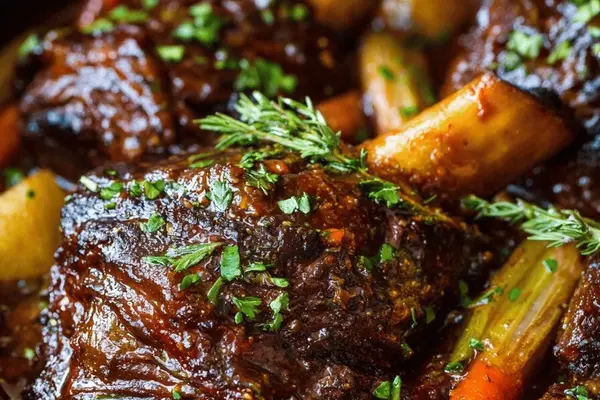
Glazed Lamb Shanks with Buckwheat Honey
Pumpkin Cheesecake with Gingersnap Crust
Pork Rib Roast with Mushroom Sauce
Dan Dan Pork Noodles with Sesame Sauce

Making Sugar Cookies with Royal Icing
Lemon Dessert Bars with Ricotta Filling
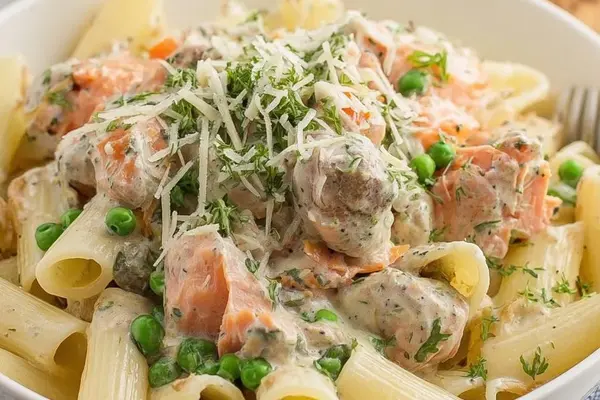
Cajun Chicken Pasta with Creamy Sauce
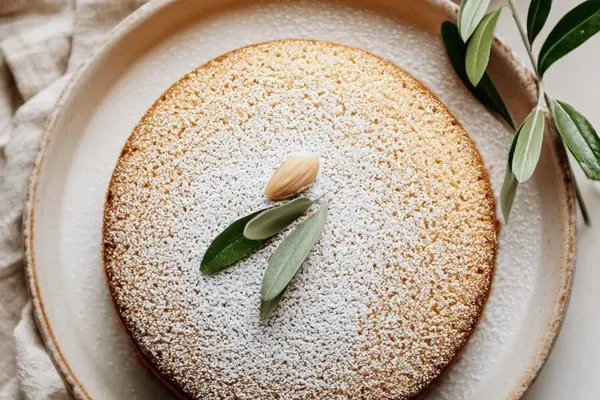
Cakes With Coconut: Easy Vanilla Cake
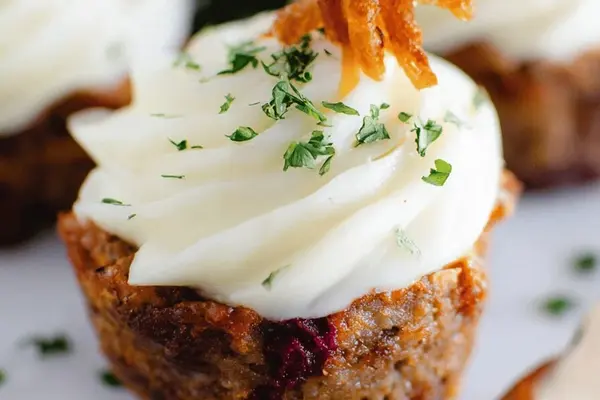
Mini Meatloaf Cupcakes with Mashed Potato Topping
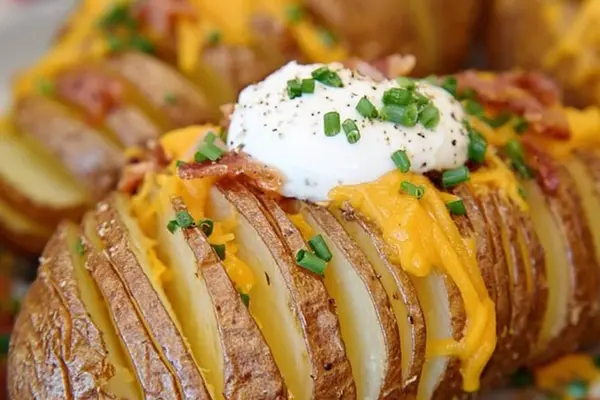
Hasselback Potatoes with Cheddar and Pancetta
Butternut Squash Puree with Roasted Garlic
Grilled Guacamole with Charred Tomatillo Salsa
Pistachio Maple Croissants with Lemon Glaze
Beef Tenderloin With Crab Stuffing
Dough for Pizza with Smoked Provolone

Lilac Fizz Lemonade with Vodka & Elderflower
Gherkins: Quick Pickled Persian Cucumbers
Red Wine Sautéed Vegetables with Pancetta