Lemon Bars with Lime and Cornstarch
By Emma
Certified Culinary Professional
·
Recipe tested & approved
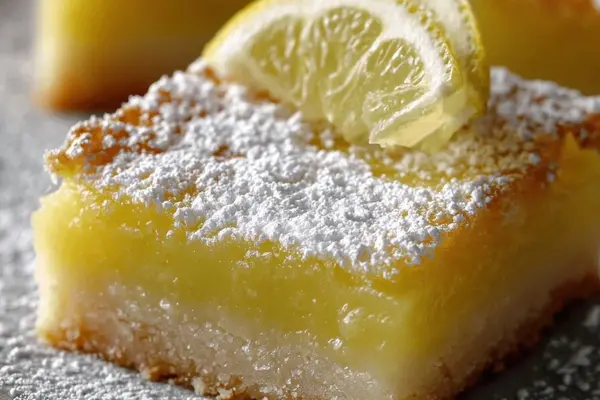
Cut into 36 squares. Let them chill overnight. Dust with powdered sugar right before you eat one. The filling’s still setting—that’s the thing about lemon bars. Looks done but it’s not. Not yet.
Why You’ll Love This Lemon Meringue Dessert
No mixer needed. Just a bowl and fingertips and maybe ten minutes of actual work. The tartness hits different — lemon juice and lime juice both. Sharper than regular lemon dessert squares. Not sweet enough to hurt your teeth. Crust stays crispy for days. Clarified butter does that. Regular butter makes them soggy by day two. Works cold straight from the fridge or at room temp. Honestly better cold. The filling sets firmer and slices cleaner.
What You Need for Lemon Bar Dessert
Flour. All-purpose, unbleached if you can grab it. Around 270 ml — that’s your base.
Powdered sugar. Just 50 ml mixed into the crust. Not the filling. The filling gets granulated sugar instead.
Baking powder. Half a teaspoon. Tiny amount but it matters for structure.
Clarified butter or melted unsalted butter. 115 ml. Clarified works better — keeps the crust from getting greasy and soggy later. Regular melted butter works though.
Granulated sugar. 200 ml for the filling — that’s three-quarters cup plus a tablespoon.
Cornstarch. Four teaspoons. Not flour. Flour makes custard gritty. Cornstarch keeps it smooth and tight.
Fresh lemon juice. Around 100 ml. Bottled doesn’t cut it here. The flavor gets weird.
Fresh lime juice. About two tablespoons. Adds sharpness the lemon alone doesn’t have.
Two eggs. Room temperature. Cold eggs don’t emulsify right into the filling.
Heavy cream. 60 ml of the 35% kind. Thickens the custard without making it heavy.
Lemon zest. One lemon’s worth. Bits of it stay in there. Some people strain it out. Don’t bother.
Powdered sugar for the top. Dusting only. Just before serving.
How to Make Lemon Meringue Bars
Start with the oven. Middle rack. 175 C — that’s 350 F. Let it heat while you handle the crust.
Line a 23 cm square pan with parchment. Leave extra hanging over the edges. That’s how you get the whole thing out without scraping it off the sides.
Mix flour, powdered sugar, and baking powder in a bowl. Three ingredients. Blend them so the sugar doesn’t clump.
Clarified butter goes in now. Use your fingertips. Work it through like you’re making pie dough. Light touch. Not a mixer. Not a food processor. Fingertips. The dough should barely hold together — not greasy, not crumbly. Just barely.
If it fights you, chill it five minutes. Dough’s easier to press when it’s cold.
Press it flat into the pan. Even layer. Firm. If it tears just patch it with another piece.
Bake for about 28 minutes. Watch for the edges to go golden. Center stays pale. That’s the signal. You want it set but not brown, because it bakes again later.
While the crust’s in there, start the filling. Whisk sugar and cornstarch together first. The starch is the thing that makes this work — it tightens the custard without turning it grainy like flour does.
Add lemon juice. Lime juice. Eggs. Heavy cream. Lemon zest. Beat it until it looks smooth.
Don’t beat it forever though. You’re trying to avoid whipping air into it. Dense is better here. Dense is what holds together.
Crust comes out hot. Pour the filling over it immediately. If the crust cools down first, the filling won’t set right into it.
Drop the oven temp to 160 C — 320 F. Bake for 22 to 27 minutes. The edges firm up. The center still jiggles a tiny bit when you shake the pan. That’s done. That’s the exact moment. Not before. If you wait for it to stop jiggling, you’ve gone too far.
How to Get Perfect Lemon Tart Texture
Pull it out when the center still moves. Let it sit at room temperature for an hour. Don’t rush this. The filling’s still setting as it cools.
The whole thing gets weird and separates if you skip the room temp step.
Once it’s cool, chill it. Four hours minimum. Overnight is better. The filling firms up completely. It slices clean instead of falling apart.
Use that parchment overhang to lift the whole block out of the pan. One motion. Lift. Done.
Cut it into 36 squares. A sharp knife dipped in hot water makes cleaner cuts. Cold filling cuts easier than warm. Warm bars crumble.
Dust the top with powdered sugar right before you serve them. The sugar sits on top and hides the tiny cracks that always happen. Plus it adds a little sweetness without making the whole thing cloying.
Lemon Dessert Squares Tips and What Goes Wrong
Clarified butter is the key to a crust that doesn’t go soggy. Regular melted butter works but it absorbs moisture from the filling. The bars get damp by day two. Clarified stays crispy for days.
Cornstarch instead of flour. That matters. Flour makes the filling sandy and gritty no matter how much you whisk. Cornstarch keeps it smooth. It’s just how custards work.
Cold eggs. Room temperature eggs. There’s a difference. Cold eggs separate easier. Warm eggs curdle when they hit the hot filling. Room temp is the middle ground where they emulsify instead of scrambling.
Don’t overbake. The filling should jiggle. Like panna cotta. Set but still wobbly in the center. Five minutes too long and it turns rubbery and splits when it cools.
If your oven runs hot, the crust browns too fast. Tent it with foil halfway through the first bake. Stops the edges from getting dark while the center stays pale.
Lime juice is not optional. Lemon alone gets cloying. Lime sharpens it. You could try grapefruit juice or blood orange juice instead but lime is what works. Orange zest instead of lemon zest works too if you want a different vibe.
The longer you chill them, the cleaner they slice. Warm bars fall apart. Cold bars have integrity. Overnight chill is worth the wait.
You can skip the powdered sugar dust. You can use white chocolate shavings instead. Or coconut flakes. The dust just makes them look nicer and covers imperfections.
Lemon Bars with Lime and Cornstarch
Prep:
25 min
Cook:
55 min
Total:
1h 20min
Servings:
36 squares
Ingredients
- Crust
- 270 ml unbleached all-purpose flour (approx 1 1/8 cup)
- 50 ml powdered sugar (about 1/5 cup)
- 2.5 ml baking powder (1/2 tsp)
- 115 ml clarified butter or melted unsalted butter (1/2 cup)
- Lemon Filling
- 200 ml granulated sugar (3/4 cup plus 1 tbsp)
- 20 ml cornstarch (about 4 tsp) instead of flour
- 100 ml fresh lemon juice (approx 1/3 cup)
- 60 ml fresh lime juice (about 2 tbsp)
- 2 eggs, room temp
- 60 ml heavy cream 35%
- Zest of 1 lemon
- Powdered sugar for dusting
Method
- Crust
- 1 Set oven rack to middle. Preheat to 175 C (350 F). Line a 23 cm (9 inch) square pan with parchment leaving overhang for easy removal. No greasing; the paper does the job.
- 2 Mix flour, powdered sugar, and baking powder in a bowl. Add clarified butter with fingertips. Use a light touch to work in butter until dough just holds together without being greasy or crumbly. No need to overhandle or it turns tough.
- 3 Press dough evenly into pan base. You want a firm, level layer. If dough resists, chill 5 minutes before pressing again.
- 4 Bake approx 28 minutes until the edges start turning golden but center still pale. Shouldn't brown too much or crust gets dry and crumbly later.
- Filling
- 5 While crust bakes, whisk sugar with cornstarch until blended. The starch is key here—stiffer than plain flour, helps custard thicken without turning gritty.
- 6 Add lemon and lime juice, eggs, cream, and lemon zest. Beat until fully homogenous. Watch to not mix in too much air—custard works best slightly dense.
- 7 Once crust comes out, immediately pour filling over hot base. If crust cools, filling won't bind properly.
- 8 Drop oven temp to 160 C (320 F). Bake 22 to 27 minutes. Edges set and barely jiggle center. You'll know by gentle shake.
- 9 Remove from oven. Let cool at room temp for an hour or so—don't rush or filling splits.
- 10 Chill min 4 hours or overnight. Longer chill firms bars for clean slicing.
- 11 Use parchment overhang to lift block from pan. Cut into 36 even squares. Dust with powdered sugar just before serving. The sugar hides tiny cracks and adds hint of sweetness.
- Tips & Tricks
- 12 Clarified butter stops soggy crust, lasts longer. No nuts here—easy swap to almond flour in crust if desired.
- 13 Lime juice adds zesty sharpness; try grapefruit or orange zest for citrus twist. Cornstarch avoids graininess common with plain flour in custards.
- 14 Don’t overbake or filling gets rubbery. Look for that light jiggle at center—like panna cotta set but still wobbly.
- 15 If crust browns too fast in your oven, tent with foil halfway through first bake.
- 16 Parchment overhang is a life saver for neat removal. Chill bars thoroughly; warm bars crumble when cut.
- 17 Powder sugar can be swapped for finely grated white chocolate or coconut flakes to vary finish.
- 18 Cold eggs separate easier and better emulsify in filling. If too warm, curdling risk increases. Always strain filling if you want ultra-smooth texture but I like the bits of zest keeping bite.
Nutritional information
Calories
170
Protein
2g
Carbs
20g
Fat
9g
Frequently Asked Questions About Lemon Meringue Pie and Lemon Dessert Squares
Can I make lemon posset instead if I don’t want to bake? No. Different thing entirely. This one has the crust component. You need to bake it.
How long does this lemon tart last? Four days in a container in the fridge. Maybe five if it’s really cold. After that the crust gets soft. Freeze them if you want them longer — they last a month frozen.
Can I use bottled lemon juice? I wouldn’t. It tastes sharp in a weird way. Not fresh-sharp. Chemical-sharp. Fresh juice takes two minutes to squeeze.
What if the filling cracks when it cools? Means it baked too long or cooled too fast. The powdered sugar dust hides the cracks anyway. Don’t stress it.
Does the crust have to be baked first? Yes. Unbaked crust stays soft and gets soggy from the filling. Pre-bake it so it stays crispy underneath.
Can I halve this recipe? Sure. Use a 12-inch round pan instead. Times stay the same. Everything else scales down proportionally.
What if my oven is really uneven? Rotate the pan halfway through the second bake. Most ovens have hot spots. Rotating helps even it out.
You’ll Love These Too
Explore all →
Slow Cooker Apple Balsamic Chicken

Beef Enchilada Recipe with Green Chile

Ginger Mousse with Candied Kumquats

Chicken Salad Chick with Pepperoncini

Crunchy Apple Fritters with Cinnamon
Apple Cheesecake Crisp with Pecan Crust

Iced Coffee Dessert with Vanilla Ice Cream
Strawberries Mousse with Gelatin and Whipped Topping

One Pot Hamburger Soup with Rice

Roasted Bell Pepper Soup Recipe
Creamy Blue Cheese Penne with Toasted Walnuts

Raspberry Cupcakes with Marshmallow Frosting
Barley Mushroom Soup with Poached Eggs

Eggplant S with Crispy Tofu & Green Beans
Pickle Relish Sweet with Cauliflower

Sticky Chicken Recipe with Soy and Ginger

Savory Mushroom Rice with Butter & Wine
Creamed Chipped Beef on Toast Recipe
Honey Glazed Brown Sugar Ham