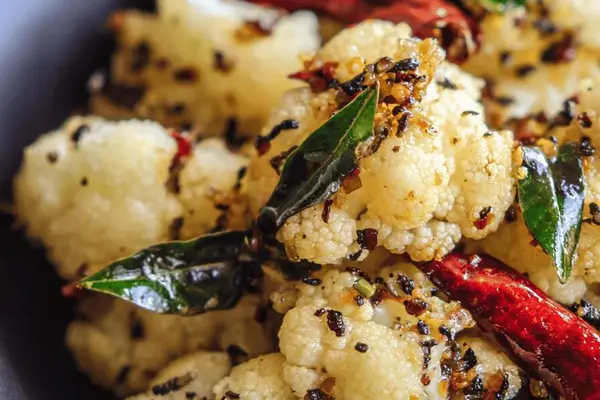
Fermented Vegetables Probiotics Recipe
By Emma
Certified Culinary Professional
·
Recipe tested & approved
Quick fermented cauliflower pickle with white wine vinegar, honey, coriander seeds, and fresh ginger. Ready in 30 minutes. Crunchy, probiotic-rich snack.
Prep:
12 min
Cook:
8 min
Total:
28 min
Servings:
1 jar 500ml
Cauliflower in a jar. Raw honey, vinegar, ginger. Bring it to heat for 8 minutes — that’s it. Cold overnight, spicy in 20 hours, actual flavor after three days. This is fermented vegetables, but faster. No weeks of waiting. No weird smell that makes you question if you’re doing it right.
Why You’ll Love This Cauliflower Pickle Recipe
Takes 28 minutes total, maybe 12 if you’re not thinking about it. Tastes like something you bought at a fancy market, costs about a dollar to make. Stays good for a month. Works as a side, a garnish, a snack straight from the jar — tried it with roasted chicken, with grain bowls, with nothing else when I was hungry. The crunch doesn’t go away. Most pickled vegetables get soft. Not this. Vegetarian. No weird ingredients. Just vegetables, salt, vinegar, honey, spices sitting together until they like each other better. Healthy probiotics from actual fermentation, even though you’re not waiting weeks like traditional fermented cabbage or sauerkraut.
What You Need for This Fermented Vegetables Dish
One small head of cauliflower. Trim it down to florets — doesn’t have to be perfect. Water and white wine vinegar. Not regular vinegar. White wine is sharper without being harsh. Raw honey. A tablespoon and a bit. Balances the vinegar. Could use sugar. Honey’s better. Coarse sea salt. The gritty kind. Matters more than you think. Black peppercorns. Five of them. Sounds random. Works. One dried red chili, split open. Heat without overwhelming. Optional if you don’t want spice — leave it out, comes out milder. Ginger. Fresh, peeled, about the size of your thumbnail sliced thin. Not garlic. Ginger. Bay leaf. One. Coriander seeds. Half a teaspoon. The thing that makes it taste like something you didn’t just invent.
How to Make Fermented Cauliflower
Pack the florets into a 500 ml jar. Not tight like you’re angry. Just snug. Leave them a little loose — brine needs to get in everywhere.
Combine the water, vinegar, honey, and salt in a small saucepan. Dump in the peppercorns, coriander seeds, that split chili, ginger slices, and bay leaf. Don’t overthink it. Just throw them in.
Bring it to a boil. You’ll see bubbles rising, smell something fragrant starting to happen. Let it go for 6 to 8 minutes. The honey dissolves. The spices open up — you’ll smell it differently by minute six than you did at minute two. Sharp, but warm. That’s what you want.
Strain out the solids through a fine sieve. Discard them — well, keep the bay leaf if you want less intensity later. Hot brine goes straight over the cauliflower.
Pour it in slowly. Press the florets down gently with a spoon so everything gets submerged. Not crushed. You want it to stay crunchy.
How to Get Fermented Pickles Crispy and Tight
Seal the jar right after you pour. The steam trapped inside matters. Let it sit on the counter while it cools — around an hour. Doesn’t have to be exact.
Then into the fridge overnight. Twenty hours minimum. That’s when the sharp vinegar flavor actually melts into the cauliflower instead of just sitting on top tasting like vinegar. By three days, it’s genuinely good. By two weeks, it’s almost too good and you’ve eaten half the jar.
The crunch stays because the brine stays cold. The vinegar-honey balance keeps everything crisp. It’s not fermented cabbage that gets soft after a month — this stays firm. The cauliflower snaps when you bite it. That’s how you know it’s right.
Fermented Vegetables Tips and Common Mistakes
Keep it in the cold. Don’t take it out and leave it on the counter. Warm spots make it soften faster.
A little cloudiness in the jar is normal. Fermented vegetables do that sometimes. Fuzzy white mold means you toss the whole thing — but honestly, that’s rare if you keep it sealed and cold.
Open it, smell it. You should get vinegar, ginger, something slightly floral from the coriander. If it smells rotten or off — like actually wrong — don’t eat it. It’ll tell you.
Can’t find white wine vinegar? Apple cider works. Tastes different but not bad. Regular white vinegar tastes too sharp. Not worth it.
Want it less spicy? Skip the chili. Want more spice? Add two. Want Indian fermented vegetables vibes? Add a slice of turmeric. Never tried it but seems like it would work.
Onion pickle in vinegar using the same brine — just pickling white onions instead of cauliflower. Same 20-hour thing. Same jar situation. Works identically.
Fermented Vegetables Probiotics Recipe
Prep:
12 min
Cook:
8 min
Total:
28 min
Servings:
1 jar 500ml
Ingredients
- 500 ml cauliflower florets (light, just trimmed, about one small head)
- 250 ml water
- 125 ml white wine vinegar
- 25 ml raw honey (about 1 2/3 tablespoons) substitute for sugar
- 15 ml coarse sea salt
- 5 ml black peppercorns
- 1 dried red chili, split (optional substitution for fresh chili)
- 1 slice fresh ginger (about 3 cm), peeled and sliced (replacing garlic)
- 1 bay leaf
- 5 ml coriander seeds (added twist)
Method
- 1 Pack cauliflower florets tightly but gently into a clean 500 ml jar. Don’t smash; keep them airy so brine soaks in.
- 2 Combine water, vinegar, honey, and salt in a small saucepan. Add peppercorns, coriander seeds, dried chili, ginger slices, and bay leaf.
- 3 Bring mixture to a gentle boil; bubbles rising steadily, slight steam aroma. Simmer 6-8 minutes until sugars dissolve fully and spices bloom—the liquid will smell fragrant and slightly sharp.
- 4 Strain hot pickling liquid through fine sieve to catch solids; discard spices except bay leaf if you want milder flavor left behind.
- 5 Pour hot brine evenly over cauliflower in jar, leaving about 5 mm space under rim. Use a spoon to press cauliflower lightly so all bits soak, but don’t crush florets—want crunch preserved.
- 6 Seal jar immediately, trap rising steam inside. Let cool till barely warm on counter (around 1 hour).
- 7 Refrigerate overnight (minimum 20 hours) to let spicy warmth and acidity meld fully into crunch. Best flavor after 2-3 days but can start serving then.
- 8 Keep refrigerated up to 4 weeks. Check for any mold or cloudiness—normal cloudiness from fermentation is fine, but fuzzy mold means toss out.
- 9 When opening, tip jar slightly to smell sharp vinegar + subtle ginger. Textural test: bite cauliflower; should be firm, not mushy, with gentle snap.
- 10 Use as garnish, in salads, or alongside roasted meats or grains.
Nutritional information
Calories
35
Protein
1.2g
Carbs
7g
Fat
0.2g
Frequently Asked Questions About Fermented Vegetables
Can I use fresh chili instead of dried? Sure. One fresh red chili, sliced. Heat comes through faster, tastes fresher. Might make the liquid hotter than the dried version does — depends on the chili.
How long does it actually last in the fridge? Four weeks, maybe five if you’re careful. After that it gets softer, flavor gets weird. Haven’t pushed it past month to know exactly when it goes bad. Just eat it before then.
Do I need a special jar or can I use anything? Clean jar, cold-safe. Glass. That’s it. Doesn’t have to be expensive or special. Lacto fermented gherkins people use fancy jars sometimes — you don’t. Regular jar works fine.
Will this actually have probiotics if I’m cooking the brine? Eh. Some, maybe. Not like traditional sauerkraut or fermented cabbage where you’re really letting wild bacteria work for weeks. This is more — you get the pickle flavor faster and cleaner. The probiotics come from the cold fermentation after, not the boiling. It’s healthy, but don’t think of it as medicine.
Can I pickle cucumbers using this same brine? Yeah. Recipes for pickling cucumbers use the same method basically. Might need slightly more brine depending on how many you do. Twenty hours still applies. Cold after.
What if it tastes too vinegary? Add more honey next time. Or use less vinegar, more water. The ratio matters but it’s not exact. Too sharp means less vinegar. Too bland means more salt or less water. Trial one, adjust next batch.
You’ll Love These Too
Explore all →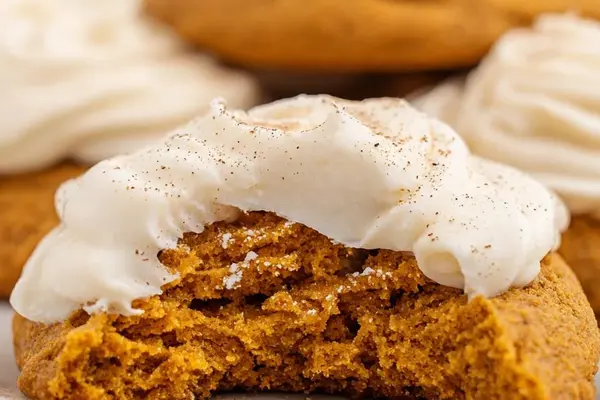
Pumpkin Cookies with Cream Cheese Frosting
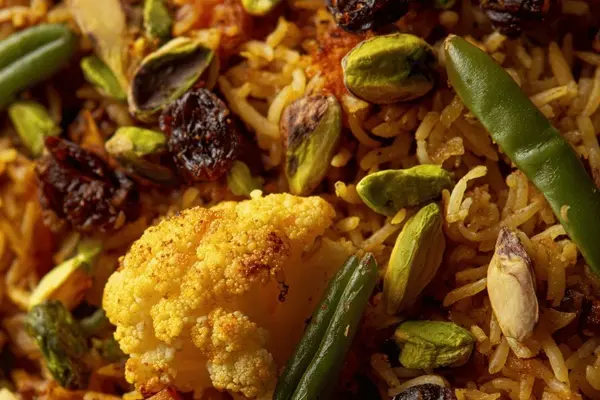
Cauliflower Pistachio Biryani with Basmati Rice
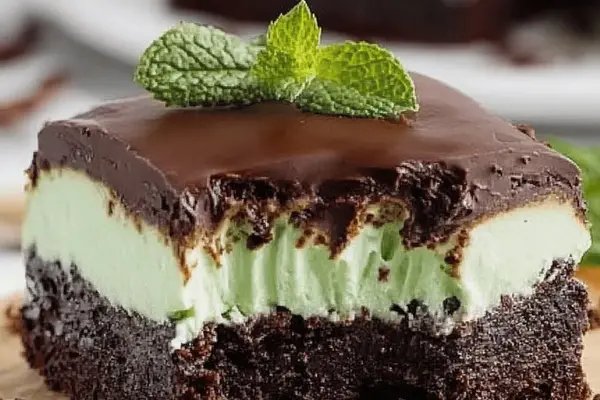
Mint Chocolate Brownies with Ganache
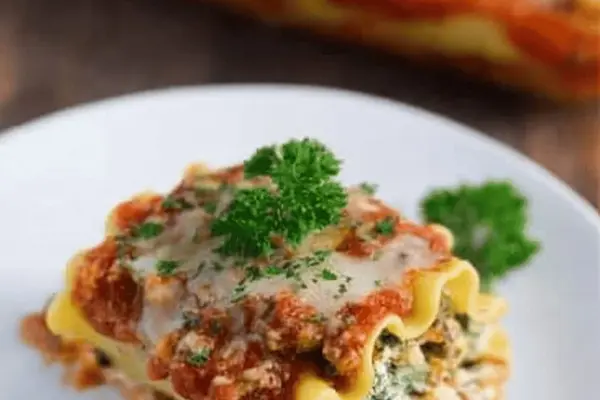
Vegetarian Lasagna with Ricotta and Zucchini
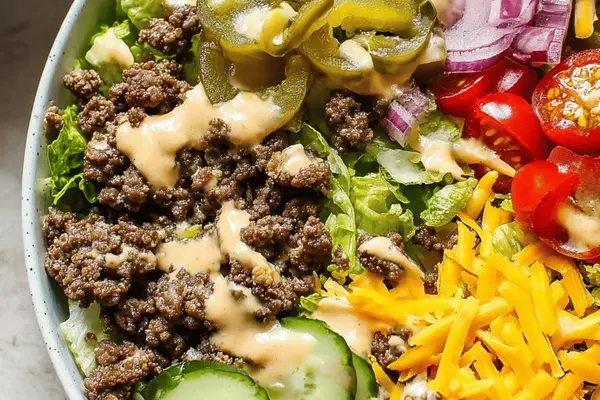
Salad With Avocado, Ground Beef & Poppy
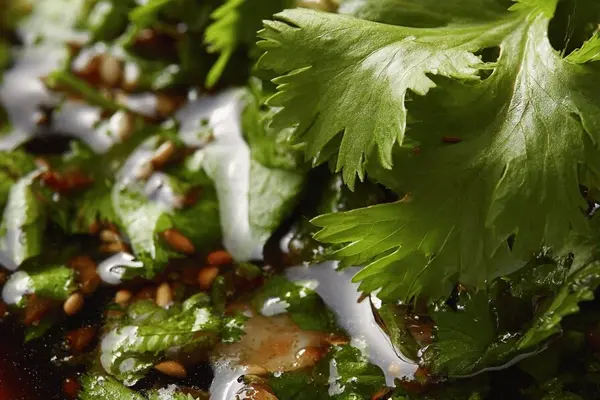
Asian Mignonette Sauce with Ginger
Easy Chili Spice Mix with Smoked Paprika
Lamb Dishes Middle Eastern: Crispy Kibbeh

Grilled Cheese with Turkey, Bacon & Gruyere

Pitcher Paloma Remix with Yuzu & Grapefruit

Cheesy Garlic Meatball Bites with Pizza Dough
Slow Cooker Chili with Ground Beef

Grapefruit Wine with Peach Ice Cubes
Ham Egg Herb Sandwiches with Tarragon
Duck Confit Spring Rolls Recipe

Brownie Buckeyes with Peanut Butter
Auntie Anne's Cinnamon Pretzel Recipe
Cheesecake Pecan Pie Recipe with Maple Syrup

Jalapeño Popper Potato Skins with Bacon