
Lemon Curd Recipe with Honey and Vanilla
By Emma
Certified Culinary Professional
·
Recipe tested & approved
Four lemons, a saucepan, 12 minutes. That’s it. You watch it thicken, fold in butter while it’s warm, and suddenly you have something that tastes like you went to culinary school. You didn’t. But nobody needs to know that.
Why You’ll Love This Homemade Lemon Curd
Takes 17 minutes total and tastes like you spent hours. Fresh lemon juice means it actually tastes like lemons, not that artificial stuff. Works cold straight from the jar or warm spooned over literally anything — toast, cake, yogurt, doesn’t matter. Honey adds this soft sweetness instead of just sugar being blunt about it. Made with real eggs and butter so it’s legitimately homemade, not some stabilizer situation. Keeps for a week in the fridge. One saucepan. Honestly the easiest fancy thing you’ll ever make.
What You Need for Lemon Curd
Three-quarter cup sugar. A quarter cup honey — use the good stuff or regular, honey’s honey. Fresh lemon juice. This matters. Not bottled. Four lemons minimum, maybe five depending on how juicy they feel. Two teaspoons of lemon zest — the yellow part only, not the white. That turns bitter. Four whole eggs and two extra yolks. The yolks make it rich. Skip them and it’ll taste thinner. Six tablespoons of butter cut small so it melts into the warm curd without leaving chunks. One teaspoon vanilla at the very end. Not critical but it rounds something out. Can’t explain it.
How to Make Lemon Curd
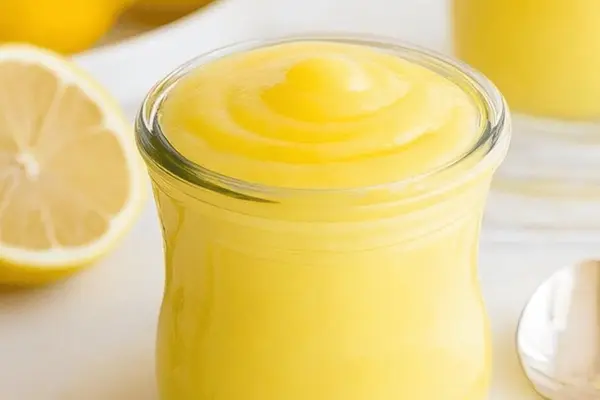
Grab a medium saucepan. Not huge. Not tiny. Medium works. Dump in the sugar, honey, lemon juice, the whole eggs, the yolks, and the zest. All of it at once. Whisk it. Really whisk it hard — you’re breaking apart the egg strands so the whole thing comes out smooth instead of scrambled-looking. Takes a minute.
Set the heat to medium-low. Not medium. Medium-low. This is where people mess up. You’re going to stir it constantly with a whisk. Keep moving. You’ll hear it start to make this gentle simmering sound after a few minutes. That’s the thing — listen for it. Not a rolling boil. Just quiet. Small steam wisps. Around 7 to 10 minutes it’ll start getting thicker. Watch the back of the whisk. When the curd coats it like pudding and doesn’t just drip straight off, you’re basically done.
If it’s not thickening by minute 8, nudge the heat up a little. But only a little. Medium still, maybe. The whole thing lives on the edge between cooking eggs into custard and cooking them into scrambled eggs with lemon juice. It’s fine. You’ll feel it.
Pull it off heat the second it coats the spoon properly. Don’t wait. Don’t think about it. Just go. While it’s still hot, whisk in the butter pieces one by one. They melt right in and make it silky. Then stir in the vanilla. Done.
How to Get Lemon Curd Smooth and Creamy
Here’s the move nobody tells you about. Got a fine-mesh sieve? Run the whole thing through it while it’s still warm. Catches any bits of cooked egg or stray zest. Makes it feel like actual curd, not homemade curd. Takes 30 seconds. Worth it.
Pour it into a jar or whatever container you’ve got. Cover the surface with plastic wrap pressed right down against it. This keeps a skin from forming on top. Boring but necessary. Let it cool at room temperature for a bit — maybe 20 minutes, whenever.
Then refrigerate it. Minimum an hour and a half, but overnight is better. Cold is when it actually sets up and becomes curd instead of just warm lemony eggs. It thickens more as it cools. That’s normal. When you take it out, peel off the plastic wrap right before you use it or condensation gets weird.
Lemon Curd Tips and Common Mistakes
Don’t rush the heat. Medium-low isn’t slow, it’s just not fast. The difference between silky curd and scrambled eggs is literally two minutes and five degrees. Not worth it.
Zest the lemons before you juice them. Obviously. Can’t zest a squeezed lemon.
If it’s been in the fridge a week and it separates a little — butter floating on top, curd below — whisk it. Seriously just whisk it and it comes back together. Or warm it gently over a double boiler while whisking. Separates happen. It’s fine.
Fresh lemon juice. Don’t even think about bottled. Tastes totally different. Flat. Sad.
The eggs thing. You need both whole eggs and yolks. The yolks give it that richness. Whole eggs alone and it’s more tart and less creamy. Both and you’ve got balance.
Make it with regular honey or the wildflower kind or whatever. Honey’s the point — it softens the tartness with this floral thing instead of just sweetness.
Lemon Curd Recipe with Honey and Vanilla
Prep:
5 min
Cook:
12 min
Total:
17 min
Servings:
6 servings
Ingredients
- 3/4 cup granulated sugar
- 1/4 cup honey
- 3/4 cup fresh lemon juice (about 4-5 lemons)
- 4 large eggs
- 2 large egg yolks
- 2 teaspoons lemon zest
- 6 tablespoons unsalted butter, cut into small chunks
- 1 teaspoon vanilla extract
Method
- 1 Combine sugar, honey, lemon juice, whole eggs, egg yolks, and zest in a medium saucepan. Whisk vigorously to break up egg strands for smooth texture.
- 2 Place saucepan over medium-low heat. Begin slow stirring with whisk constantly — avoid thick lumps. Listen for gentle simmer sounds, light steam, and subtle thickening around 7-10 minutes.
- 3 If mixture isn’t thickening after 8-10 minutes, nudge heat slightly higher but keep under medium to avoid scrambling eggs or curdling.
- 4 Once mixture coats back of spoon and visibly thickens into a pudding-like consistency, remove from heat immediately. Don’t wait or it’ll start separating.
- 5 While still warm, whisk in butter chunks in small increments for silky richness. Finish by stirring in vanilla extract for an aromatic boost.
- 6 Optional but recommended: pour mixture through a fine-mesh sieve to catch any stray cooked egg bits or zest for velvety feel.
- 7 Pour curd into clean jars or heatproof container. Cover surface tightly with plastic wrap pressed down to prevent skin formation. Let cool at room temp.
- 8 Once cooled, refrigerate a minimum of 1.5 hours before using. Remove plastic wrap right before serving to avoid condensation.
- 9 Keep refrigerated up to 1 week. If it separates, whisk gently to restore or warm slightly over double boiler, whisking.
Nutritional information
Calories
1800
Protein
17g
Carbs
210g
Fat
110g
Frequently Asked Questions About Lemon Curd
Can you make lemon curd in a thermomix or food processor? Not really. The whole thing depends on watching the heat and whisking constantly so nothing scrambles. A machine can’t do that. You need to be there.
How long does homemade lemon curd last in the fridge? Up to a week. After that it’s still probably fine but the flavor gets quieter. Make it fresh. It takes 17 minutes.
What can you use lemon curd for besides eating it plain? Lemon tarts — that’s the obvious one. Lemon cake filling. Swirled into yogurt. Lemon cheesecake topping. Lemon cookies, some of them. On toast. In a pastry shell. It’s adaptable.
Can you make vegan lemon curd? Not with this recipe. The eggs are what make it curd. There are vegan versions floating around but you’re replacing basically everything, so it’s a different thing. Might work. Never tried it.
What does it mean when the curd won’t thicken? Either the heat’s too low — nudge it up — or you’re not cooking it long enough. Could also be your eggs. Room temperature eggs cook faster than cold ones. Doesn’t usually matter but if you pulled them straight from the fridge it might. Other than that, just keep whisking. It comes.
Can you freeze lemon curd? Yeah but it gets grainy when it thaws. Refrigerate it instead. Takes five minutes to make anyway.
You’ll Love These Too
Explore all →
Caramelized Onion Dip with Feta & Cream Cheese

Indian Tomato Poached Eggs with Potatoes
Bacon and Egg Potato Salad Recipe
Honey Citrus Lamb Racks with Grapefruit
Applesauce Chocolate Brownies Recipe
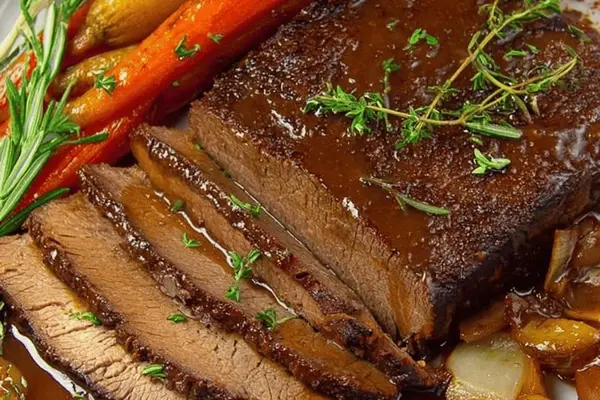
Slow Braised Brisket with Red Wine & Beef Stock
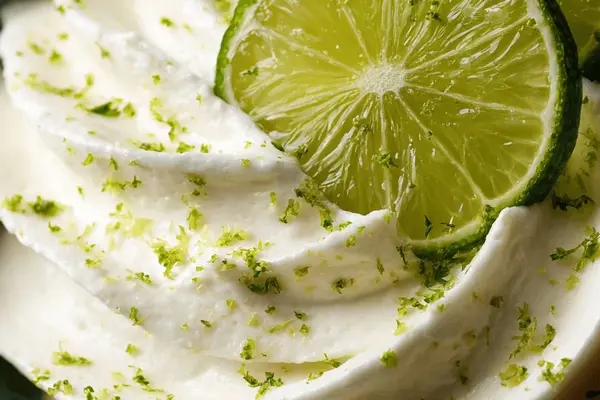
Citrus Creamy Fruit Dip with Lime & Ginger
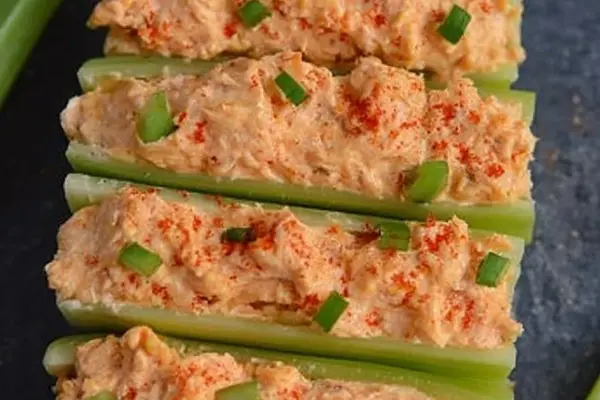
Celery Pimento Cheese Bites: Easy No-Bake
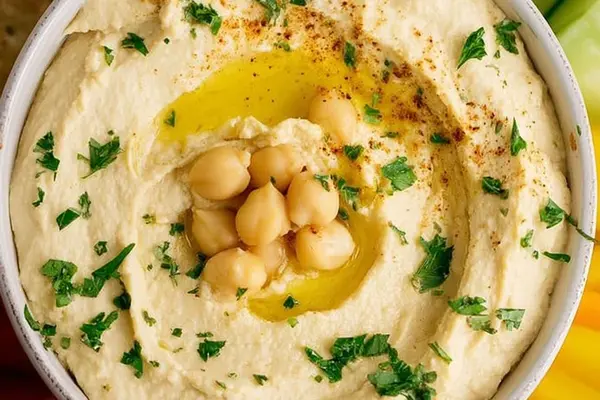
Herb Hummus with Sunflower Seed Butter

Fudgy Brownies with Chocolate Ganache
Apricot Jam Baked Brie with Pecans

No Knead Bread Recipe with Yogurt

Danish Salmon Tartines with Rye Bread

Turkey Chili Recipe with Butternut Squash

Easy Amaretto Chocolate Truffles with Coconut
Creamy Garlic Chicken with Bacon & Peas

Peach Gelatin Whip Pie No-Bake Recipe
Eggplant Rollatini With Spinach & Ricotta

Chinese Pasta Noodles with Chili Oil