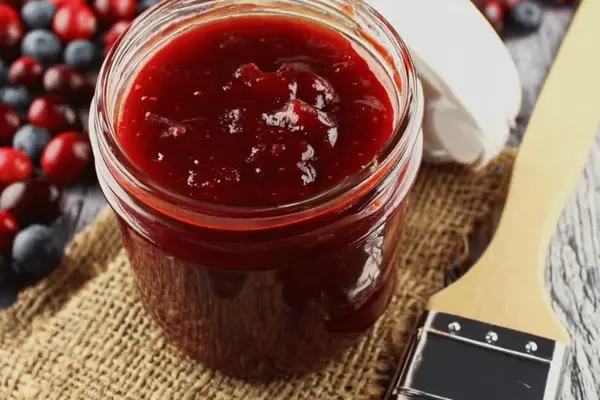
Barbeque Sauce Recipe with Ancho Chili
By Emma
Certified Culinary Professional
·
Recipe tested & approved
Soak the ancho in hot espresso. That’s where it starts. The pepper softens almost immediately—kind of falls apart if you’re not careful—and the coffee pulls out all the deep, bitter-sweet stuff that makes this sauce different from the jar kind. Most people skip this step. Don’t.
Why You’ll Love This Homemade Barbecue Sauce
Tastes nothing like store-bought. The blueberries and cranberries give it a fruity depth that works on ribs, brisket, grilled chicken—literally anything that goes on the grill.
Spicy but not angry. You control the heat. More ancho seeds if you want to bring the fire. Less if you’re cooking for people who don’t do spicy. Not everyone’s comfortable with that, and this sauce lets you adjust without remaking the whole thing.
Two hours sounds long. It’s not sitting there watching. You stir every ten minutes while doing other stuff. By the time you’re done, you’ve got a sauce thick enough to coat a spoon, fruity in a way that catches people off guard.
Works cold straight from the jar. Works as a glaze that caramelizes on the grill. Works as a dip. Freezes forever.
What You Need for Homemade BBQ Sauce
Hot espresso or strong coffee—a full cup. Don’t use weak stuff. The bitterness is the whole point.
One dried ancho chili. Not two, not half. One. The seeds are pure heat and bitterness, so you’ll shake out at least half of them after soaking. If you can’t find ancho, any dried chili works, but ancho has this specific earthy thing going on.
Fresh blueberries and dried cranberries. A cup of blueberries, a third cup of cranberries. If you don’t have fresh blueberries, frozen thaw fine. No fresh cranberries—the dried kind are what makes this actually taste good. Dried cherries work too if that’s what you’ve got.
Yellow onion diced up. One cup. Not white onion. Yellow’s sweeter and it matters here.
Chipotle in adobo from a can. One pepper. If you can’t find it or don’t want spicy, use a teaspoon of smoked paprika and half a teaspoon of cayenne instead. Not the same, but close enough.
Garlic. Three cloves, rough chop. Cinnamon, allspice, cumin. A half teaspoon, quarter teaspoon, quarter teaspoon.
Ketchup. Two tablespoons. Store-bought is fine. Red wine. Merlot or cabernet, a cup and a half. Salt. Pepper.
How to Make Homemade Barbecue Sauce
Start with the ancho in the hot espresso. Push it down with a fork until it’s completely submerged. Let it sit—actually soak, not just sit for ten seconds—until it’s soft enough that your fork goes through it easy. This takes maybe five minutes, sometimes less. The liquid turns dark and smells like coffee and earth. That’s right.
Pull the pepper out. Trim the stem. Shake out at least half the seeds—this is important—and dice what’s left into rough pieces. Small is fine, rough is better. Put it in the food processor.
Heat a small pan with cooking spray over medium. When it shimmers—not smokes, shimmer—add the diced onion. Stir it every minute or so. You’re not browning it. You want it to turn translucent and soft, almost sweet. Takes five to seven minutes. This is when most people mess up. They turn up the heat or stop stirring. Don’t. Low and patient.
Toss the onions into the processor with the chipotle. Add the blueberries, the cranberries, the garlic, and one cup of the reserved coffee—the stuff the ancho soaked in. Pulse this until it breaks down into a coarse puree. Not smooth. Coarse. Rough texture’s better for how it sits on meat.
How to Get Homemade Barbecue Sauce Rich and Thick
Set up a double boiler. If you don’t have one, use a heatproof bowl over a pot of simmering water. In the top vessel—the bowl or the boiler part—combine the cinnamon, allspice, cumin, ketchup, and red wine. Stir it until the spices disperse and everything’s even.
Pour in the fruit puree slowly. If your bowl’s small, do half now and freeze the rest. The mixture should bubble gently at the edges, not aggressively. This is the move—low heat the whole time. Aggressive heat ruins it. Burns off the fruit notes. Leaves you with something bitter and flat.
Stir every ten minutes. Watch the edges start to thicken and turn syrupy. There’ll be crusty bits forming on the sides—scrape those back in. That’s concentrated flavor. After ninety minutes to two hours, the sauce thickens enough that it coats a spoon but still pours. Not glue. Not thin. In between.
You’ll know it’s done when the smell changes. Bright fruit at the start. By the end it’s warm spices and deep coffee. That shift is the signal. If it gets too thick after cooling, thin it with coffee or wine. Just a splash. Stir it back in.
Homemade BBQ Sauce Tips and Common Mistakes
Don’t rush the ancho soak. Raw pepper tastes woody and pulls the whole thing down.
Overheat the onions and they turn bitter. Medium heat. Patience. Five to seven minutes.
Too thin when it’s done? Keep simmering or whisk in a little tomato paste. Too thick? Coffee or wine. Gradual.
Freeze it in small containers. Thick sauces in big batches don’t thaw evenly. Small portions thaw overnight in the fridge, reheat gently.
Substitutions: dried cherries instead of cranberries. Fresh blackberries instead of blueberries. Instant coffee if you’re short on brewed. No red wine? Use grape juice plus a splash of vinegar, but you lose the wine’s depth—add more cinnamon or allspice to compensate.
Keep water near the double boiler. Too dry and the bottom scorches. Stir often. When the sauce pulls slightly away from the sides, you’re close to done.
The sauce isn’t about speed. It’s about layering flavors slowly until they meld. Watch for subtle changes. That’s how you know.
Barbeque Sauce Recipe with Ancho Chili
Prep:
35 min
Cook:
2h
Total:
2h 35min
Servings:
4 servings
Ingredients
- 1 cup hot espresso or strong brewed coffee
- 1 dried ancho chili pepper
- Cooking spray or neutral oil spray
- 1 cup yellow onion, diced
- 1 chipotle chili in adobo (canned) or substitute 1 tsp smoked paprika + 1/2 tsp cayenne for milder heat
- 1 cup fresh blueberries
- 1/3 cup dried cranberries (can replace with dried cherries)
- 3 garlic cloves, roughly chopped
- 1/2 tsp ground cinnamon
- 1/4 tsp ground allspice
- 1/4 tsp ground cumin
- 2 tbsp ketchup (store-bought or homemade)
- 1 1/2 cups dry red wine (merlot or cabernet)
- Salt and pepper to taste
Method
- 1 Begin by soaking the ancho chili in 1 cup hot coffee or espresso. The pepper softens quickly, almost falling apart. Use a fork to press down and make sure the whole pepper gets wet—don’t rush this. Once soaked, lift the pepper out reserving soaking liquid. Trim off the stem, dice roughly, and shake out at least half the seeds; seeds are pure heat and bitterness. Place the pepper pieces in a large food processor bowl.
- 2 Lightly spray a small pan with cooking spray. Heat over medium until the spray starts to shimmer but not smoke—too hot burns onions fast. Add diced onion and sauté, stirring often, until translucent and tender, about 5-7 minutes. No browning here; just soft and sweet. Remove from burner and toss the onions in the food processor with the chipotle chili (chipotle add smoky depth, but substitute smoked paprika plus a pinch of cayenne if unavailable or want less intense heat).
- 3 Add blueberries, dried cranberries, garlic cloves, and 1 cup of the reserved coffee from the ancho soak into the processor. Pulse several times to break down the fruit and pepper into a coarse, grainy puree—not too smooth. Texture matters; too smooth means missing the rustic feel—a little roughness gives a nicer mouthfeel.
- 4 Now, set up a double boiler or a heatproof bowl over simmering water. Combine the spices: cinnamon, allspice and cumin, with ketchup and red wine in the top vessel. Stir to combine the sugar and acid from ketchup and wine, aromatic spices dispersing in the liquid. Slowly pour in the fruit-puree mixture. I usually split mine if my vessel is small—start with half and save the rest in a sealed container to freeze. Makes life easier, and sauce stays fresher that way.
- 5 Simmer this mix gently, low heat is key—aggressive boiling ruins the flavor depth. Stir about every 10 minutes, watching for edges to thicken and turn syrupy. Scrap those crusty bits back into the pot to avoid waste and build more intense flavor. After 1.5 to 2 hours, the sauce should be rich, thick enough to coat a spoon with a slight sheen but still pourable.
- 6 Use right away for glazing or dipping, or chill and freeze in portions. Freezing thick sauces in small containers prevents wasting leftovers. Thaw overnight in fridge and reheat gently before use. If thickened too much after cooling, thin with a splash of coffee or wine, stirring well.
- 7 No perfect oven or fancy smoker needed here. Watch texture and aroma—if fruity notes start to dull or burn smells creep in, lower heat. Playing with coffee’s bitterness versus the sweetness of fruit keeps this sauce interesting. Adjust seeds for your heat tolerance; more seeds mean a hotter punch, but don't overdo or it gets harsh.
- 8 Keep a small pan of water nearby while making the double boiler; too dry and sauce scorches. Stir often; the look of sauce pulling slightly away from sides signals done. Pour sauce onto ribs, brisket, grilled chicken, or for sandwiches. Bold, tangy, smoky with a little fruity surprise.
- 9 Substitutions: dried cherries or tart raisins work for cranberries; fresh blackberries instead of blueberries are a tasty twist. Use instant coffee if short on brewed. Lacking red wine? Use grape juice plus a splash of vinegar instead, but skip wine’s depth and tannins so add more cinnamon or allspice.
- 10 Failures happen if you rush soaking the pepper or overheat onions. Raw peppers taste woody; burnt onions add bitter notes. Texture too thin? Keep simmering or whisk in a little tomato paste. Too thick? Add reserved coffee or wine gradually.
- 11 Patience here rewards the cook. This sauce isn’t about speed but layering flavors gently until they meld and thicken. Watching for subtle changes—the sauce’s scent changing from bright fruit to warm spices and rich coffee—is how you know you’re close to done.
Nutritional information
Calories
90
Protein
1g
Carbs
20g
Fat
0.2g
Frequently Asked Questions About Homemade BBQ Sauce
How long does homemade barbecue sauce last? Frozen in portions? Months. Refrigerated in a sealed container? A week, maybe two. Keep it cold. If anything looks off, throw it out.
Can I make this without a double boiler? Yes. Heatproof bowl over a pot of simmering water works exactly the same. The point’s to avoid scorching the bottom.
What if the sauce is too spicy? More blueberries next time. Or less ancho—keep more of the seeds out. Or use the smoked paprika swap instead of chipotle. The heat comes from the pepper. Control the pepper, control the spice.
Do I have to use red wine? Grape juice and a splash of vinegar works. Won’t taste the same—you lose the wine’s tannins—but it’ll still taste good. Add extra cinnamon or allspice to make up for it.
Can I use frozen blueberries? Yeah. Thaw them first, drain the liquid. Fresh is better, but frozen works fine.
Why does the sauce need two hours? The flavors need time to meld and the whole thing needs to thicken up. You rush it, it stays thin and tastes like separate ingredients instead of one cohesive sauce. Low heat, gentle, is how they become one thing.
You’ll Love These Too
Explore all →
Chicken Wonton Soup Recipe with Mushroom Broth
Wendy's Apple Pecan Salad Recipe
Crunchy Broccoli Salad with Pancetta
Caramelized Onion Pan Pizza with Mozzarella
Maple Glazed Tofu with Crispy Cornstarch
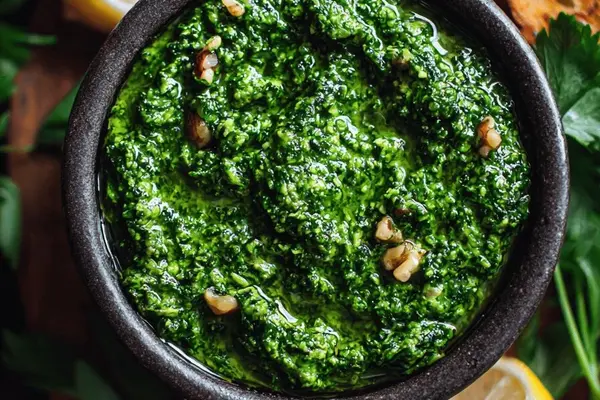
Fresh Basil Pesto Recipe with Spinach
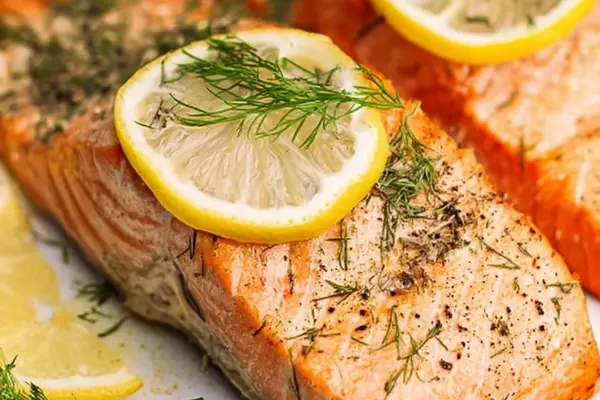
Lemon Dill Salmon - Easy Oven Baked
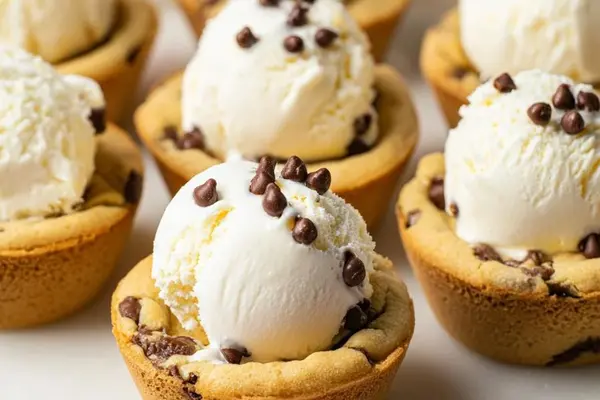
Cookie Ice Cream Bowls with Chocolate Chips
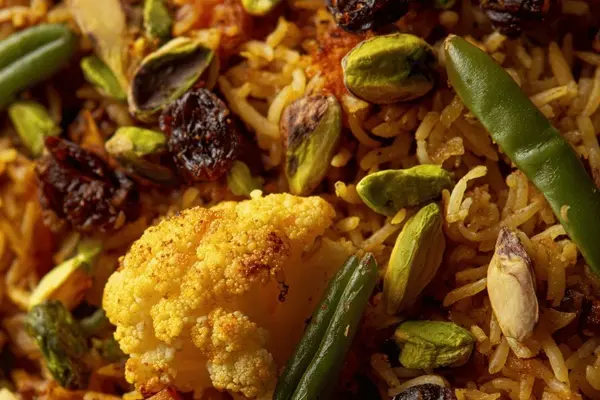
Cauliflower Pistachio Biryani with Basmati Rice
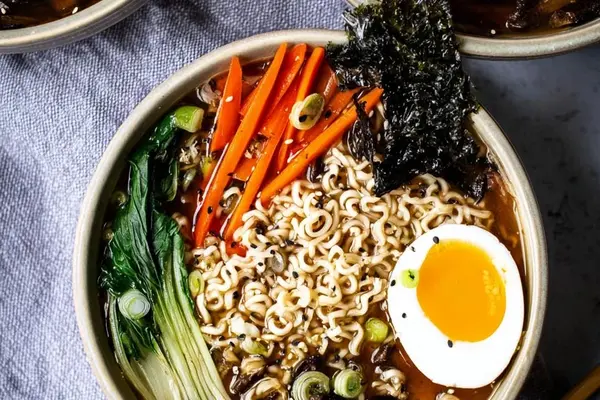
Quick Veggie Ramen with Shiitake Mushrooms
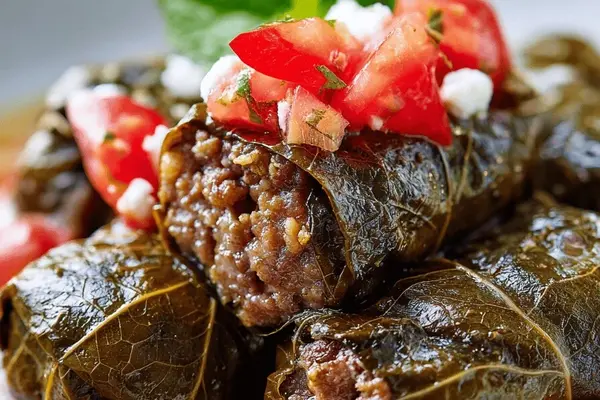
Dolmas with Ground Veal and Walnuts

Red Velvet Cake with Walnuts & Cream Cheese
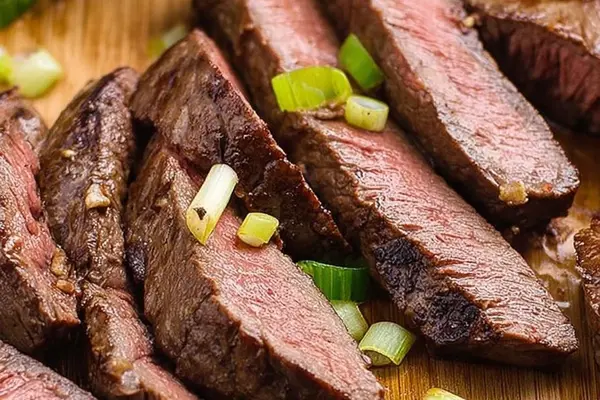
Asian Style Sirloin BBQ with Soy & Ginger
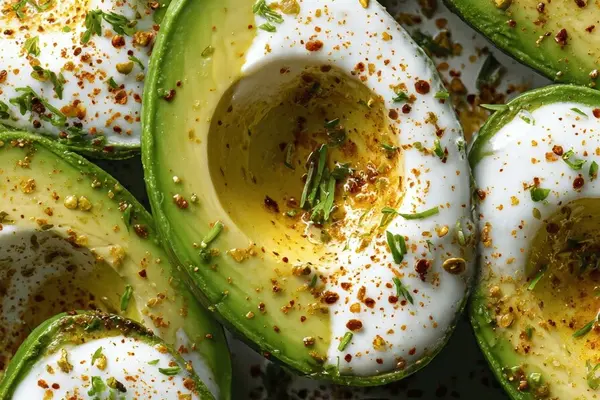
Avocado Appetizer with Greek Yogurt
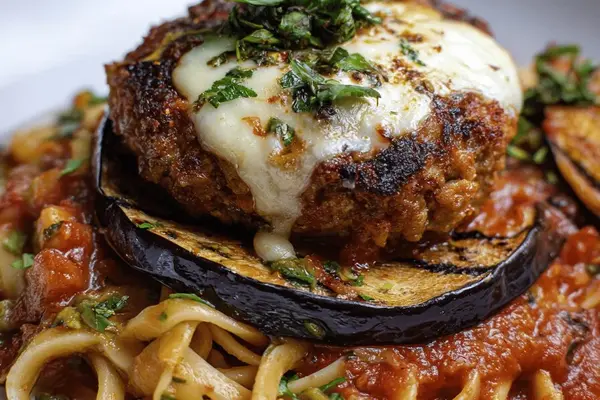
Pork Parmigiana Patties with Eggplant
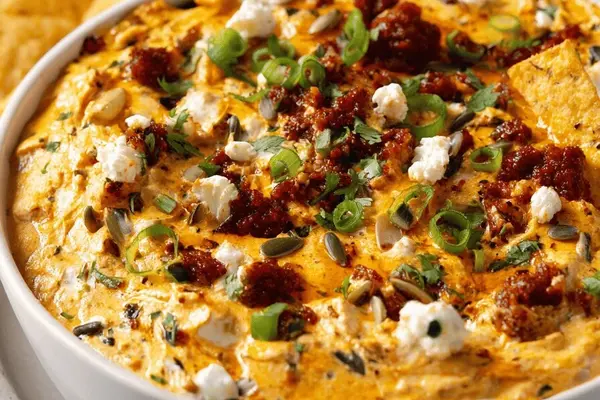
Velveeta Cheese Dip With Chorizo
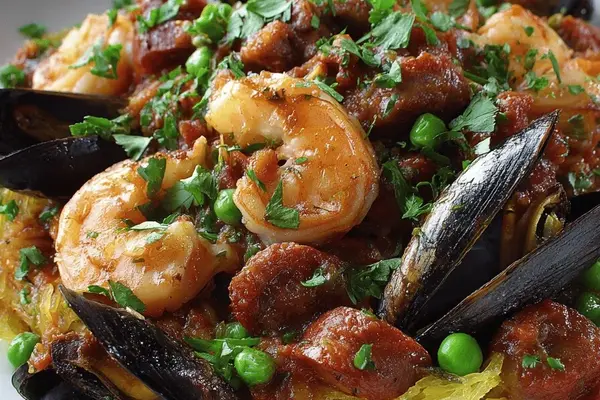
Seafood Paella with Spaghetti Squash
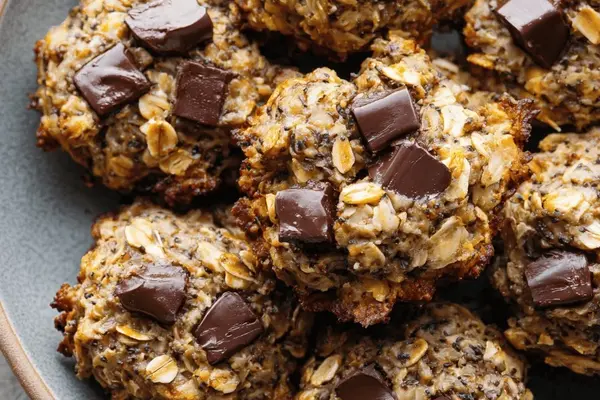
Vegan Banana Oat Biscuits with Chocolate
Applesauce Chocolate Brownies Recipe