Buttercream Lemon Pound Cake Recipe
By Emma
Certified Culinary Professional
·
Recipe tested & approved
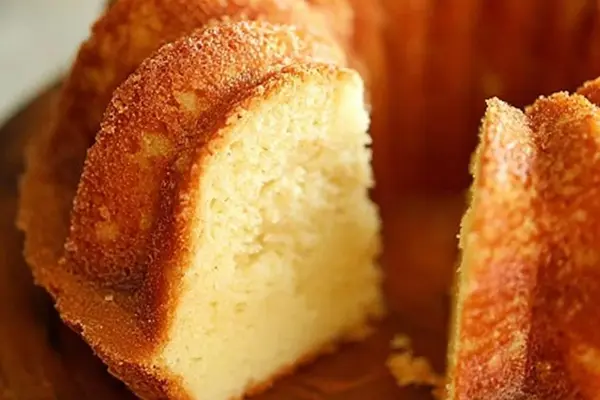
Butter creamed until pale. That’s where everything starts. Four eggs fold in slow, then flour and buttermilk trade places until the batter’s got this dense, almost silky thing going. Lemon extract and zest go in last—nothing fancy, just brightness cutting through all that richness. Pound cake with lemon works because the butter does most of the talking, and the acid sharpens it up. 1 hour 10 minutes in a 320-degree oven and it comes out tender all the way through, the kind of cake that’s somehow better the next day.
Why You’ll Love This Butter Cake Recipe
Comes together in 30 minutes of prep if you don’t stress about it. Pure homemade butter and sugar technique—no box mix, no shortcuts, just eggs and cream doing what they’re supposed to do. Cold butter cake slices clean, warm buttercream tastes like vanilla and lemon had a real conversation. Store it wrapped on the counter three days, or throw it in the fridge for a week and it gets even softer. Makes enough for dessert without needing to bake twice.
What You Need for This Butter Cake
All-purpose and cake flour mixed—1 3/4 cups each. Cake flour’s softer, makes it tender. Skip that part if you only have one kind, but the texture shifts. 1/2 teaspoon fine sea salt. Baking soda, 3/4 teaspoon. One cup unsalted butter, softened—that word matters. Room temperature or it won’t cream right. 1 1/4 cups sugar. Four large eggs, also room temperature. One cup buttermilk, same deal. Vanilla extract, teaspoon. Fresh lemon extract, another teaspoon. Then lemon zest if you’re doing it—finely grated, about a teaspoon. Optional but it lifts everything. Gooey butter cake uses similar bones. This one stays tender without getting heavy.
How to Make Butter Cake
Set the oven to 320. Grease a 10 to 12-cup bundt pan and flour the inside, then dust out the excess. Tap it upside down and shake until it looks dry. Looks matter here.
Beat butter and sugar on medium-high with an electric mixer. Takes 6 to 7 minutes. You’re watching for pale yellow, not grainy. The color change means the butter grabbed air. Stop when it looks like it could float.
Crack eggs in one at a time. After each one, mix just enough to disappear into the batter—don’t keep going or it breaks down. Scrape the bowl sides so no streaks of raw egg hang around. Three or four scrapes usually does it.
In another bowl, whisk the flours together with salt and baking soda. Sifting keeps the leavening even. Do it twice if your baking soda came from the back of a cabinet.
This is where it gets easy and also where people mess it up. Add the dry stuff and buttermilk at the same time—no, one at a time, alternating. Start with a third of the dry. Then half the buttermilk. Then another third dry. The rest of the buttermilk. Last of the dry. Fold after each one. Just fold. The butter and cake flour need time to actually incorporate. Too much mixing and the crumb gets dense. Too little and you’re eating pockets of powder.
Mix the lemon extract and vanilla extract together with the zest if you’re using it. Add that to the batter last. Fold it in gentle.
How to Get Butter Cake Tender and Risen
Pour the batter into the bundt pan and smooth the top. Tap the whole pan on the counter a few times—hard, not gentle. Breaks the big air bubbles so it rises even. You’ll hear it.
Lower middle rack. 1 hour 5 minutes to 1 hour 10 minutes. The edges should be golden. A toothpick poked into the center comes out with moist crumbs, not wet batter. Oven temps vary. Check at 60 minutes. Listen for that soft crackle of crust forming.
Cool it in the pan 10 minutes. Run a butter knife around the edges—gentle, not forcing anything. Invert onto a cooling rack. If it sticks, don’t panic. Let it cool longer or warm the pan bottom over a flame for like five seconds and flip again. Works every time.
Cool completely before slicing. The buttercream needs time to set, and the pound cake with lemon tastes better when it’s not hot.
Butter Cake Tips and Storage
Store it wrapped on the counter up to three days. Refrigerate it and it keeps a week. Moisture redistributes overnight—texture mellows. Better the next day. Seriously.
Gooey butter bars are a different thing entirely, but the technique of using real butter and real eggs instead of shortcuts applies. This cake respects that. The eggs need to be room temperature or they won’t mix smooth. The butter needs to be soft. Cold butter won’t cream. It’ll just sit there grainy. If it’s 50 degrees outside, leave the butter on the counter 30 minutes.
Lemon extract matters here. Not lemon juice—extract. The juice adds moisture and messes with the crumb. Extract adds flavor without water. Fresh zest is the optional twist that makes people ask what it is.
Buttercream Lemon Pound Cake Recipe
Prep:
30 min
Cook:
1h 10min
Total:
1h 40min
Servings:
12 servings
Ingredients
- 1 3/4 cups all-purpose flour
- 1 3/4 cups cake flour
- 1/2 teaspoon fine sea salt
- 3/4 teaspoon baking soda
- 1 cup unsalted butter softened
- 1 1/4 cups granulated sugar
- 4 large eggs room temperature
- 1 cup buttermilk room temperature
- 1 teaspoon vanilla extract
- 1 teaspoon fresh lemon extract
- Optional twist Add 1 teaspoon finely grated lemon zest for brightness
Method
- 1 Preheat oven to 320F. Grease and flour a 10 to 12-cup bundt pan. Dust excess flour out.
- 2 Using an electric mixer, beat butter and sugar on medium-high until pale and fluffy, about 6–7 minutes. You want pale yellow, not grainy sugar lumps settling.
- 3 Add eggs one by one. After each egg, mix just enough to blend – don't overbeat or batter breaks down. Scrape sides of bowl so no streaks of unincorporated egg remain.
- 4 In a mixing bowl whisk sifted flours, salt, and baking soda thoroughly. This keeps leavening even.
- 5 Add dry flour mix and buttermilk alternately to the butter mixture, starting with a third of dry, then half the buttermilk, another third dry, remaining buttermilk, last dry. Fold gently but fully incorporate after each addition. Too much mixing kills volume, too little leaves lumps.
- 6 Mix lemon and vanilla extracts with grated lemon zest if using. Add to batter last, folding just to combine for fresh brightness lifting the deep fatty notes.
- 7 Pour batter evenly into prepared bundt pan. Tap pan sharply on counter a few times – cracks the air bubbles, rising evenly. Smooth top with spatula, no roller needed.
- 8 Bake on lower middle rack 1 hour 5 to 1 hour 10 minutes. Bake until edges golden and a toothpick poked in center jiggles moist crumbs, no wet batter. Oven temps vary; check early. Listen for soft crackle of crust forming.
- 9 Cool in pan 10 minutes. Loosen edges with butter knife gently, invert onto cooling rack or plate. If sticking, don't force; cool longer or warm pan bottom briefly over flame reversed.
- 10 Cool completely before slicing. Store wrapped on counter up to 3 days or refrigerate for a week. Moisture redistributes, texture mellows overnight – better next day.
Nutritional information
Calories
510
Protein
6g
Carbs
55g
Fat
29g
Frequently Asked Questions About Butter Cake with Lemon
Can I use salted butter instead of unsalted? Works, but the salt hits different. Unsalted lets you control it. If that’s all you have, skip the salt in the recipe or cut it in half.
What if my butter and cake flour ratio gets messed up? All-purpose works alone. Texture gets a bit denser. Not bad. Cake flour alone makes it almost too soft, falls apart when you slice it warm.
Why does it taste better the next day? Moisture spreads around. The buttercream and lemon extract mellow out somehow. Hard to explain. Just is.
Can I substitute almond extract for lemon? Haven’t tried it. Probably? The vanilla would go weird though. Lemon and vanilla live in the same space.
Does this recipe make a gooey butter cake? No. Different thing. This one’s tender and crumbly in a good way. Gooey butter cake is dense and fudgy. Different structure entirely.
How do I know when it’s actually done baking? Toothpick test. Moist crumbs, not wet batter. The edges pull from the pan a tiny bit. You’ll hear the crust crackle. Listen to that more than the timer.
You’ll Love These Too
Explore all →
Slow Braised Brisket with Red Wine & Beef Stock

Mini Pork Tourtières with Flaky Butter Crust
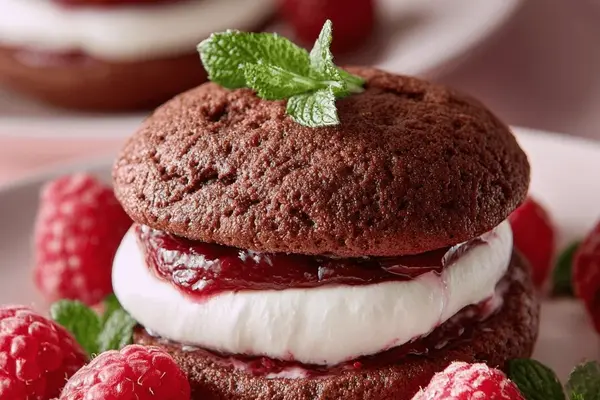
Raspberry Whoopie Pies with Cream Cheese
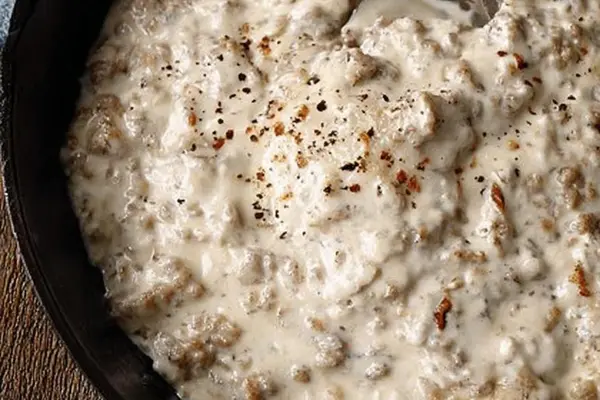
Sausage Gravy with Pork and Milk
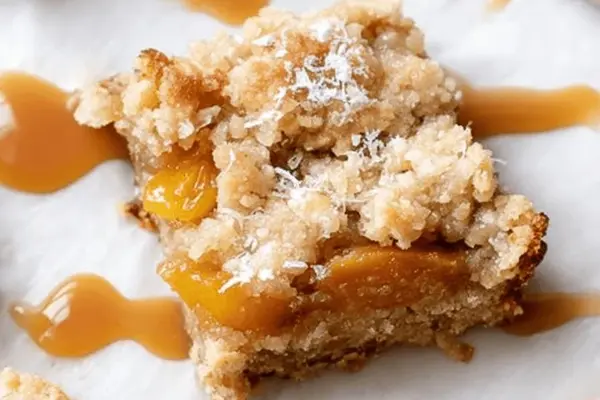
Apricot Coconut Bars with Cardamom

Vegetarian Chili Recipe with Beans
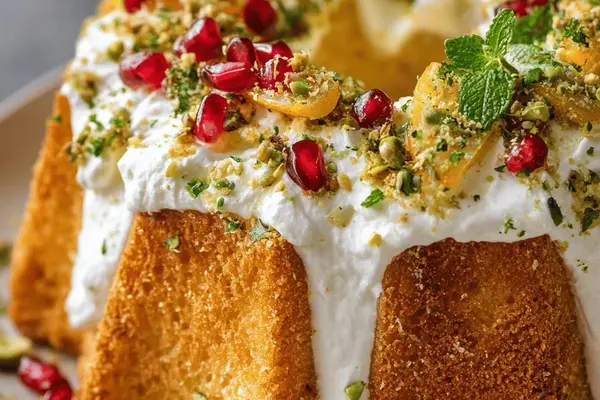
Blood Orange Chiffon Cake with Cardamom
Homemade Peanut Butter Cups Recipe
Olive Oil Orange Rosemary Muffins

Crab Rangoons with Parmesan & Artichokes
Peanut Butter Bars with Almond Butter

Dr Pepper Pulled Pork Slow Cooker
Rustic Stone Fruit Tart with Yogurt Crust
Blueberry Muffins with Cake Flour
Raspberry Hazelnut Smoothie Recipe

Lobster Croque-Monsieur with Béchamel Sauce

Caramelized Onion Pasta with Mascarpone

One Pot Hamburger Soup with Rice
Instant Pot BBQ Brisket with Molasses Sauce