Sweetbreads of Veal with Pine Nuts
By Emma
Certified Culinary Professional
·
Recipe tested & approved
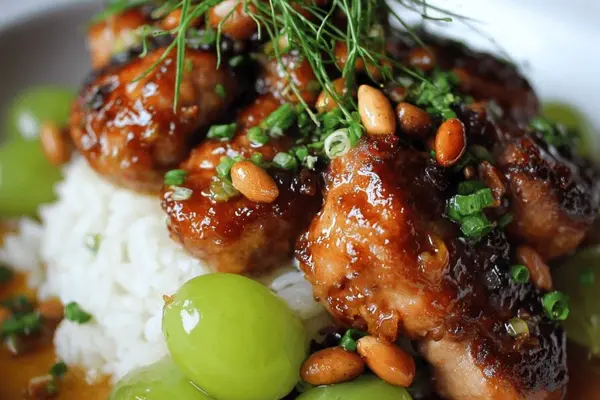
Tender veal sweetbreads pan-seared until golden, then tossed with toasted pine nuts in honey and green grapes. Classic French technique elevated with veal demi-glace and white port for elegant home cooking.
Prep:
25 min
Cook:
18 min
Total:
43 min
Servings:
4 servings
Soak them first—water and vinegar mix, one hour cold, then rinse like your life depends on it. Grime hides in there. After blanching, peeling, searing, you’ve got something crispy outside, tender inside, draped in this honey-port sauce with toasted pine nuts and burst grapes. Takes 43 minutes total. Sounds fancy. Isn’t complicated.
Why You’ll Love This Veal Sweetbreads Recipe
Crispy veal sweetbreads without needing special skills or a three-hour production. The caramel from honey plus the reduced sauce does the heavy lifting. Works as a proper main dish—not pretentious, just good. Comfort food that feels like you actually tried. Grapes keep it from being too rich. Pine nuts toast in the same pan. Nothing wasted. Leftovers reheat fine if you have them, which you probably won’t.
What You Need for Veal Sweetbreads
Veal sweetbreads—720 grams. That’s the whole thing. Bigger pieces than you’d think, but they shrink. Cold water and white wine vinegar. The vinegar cuts through the mineral taste. Regular vinegar works. White vinegar’s less aggressive. All-purpose flour. Salt. Pepper. Olive oil and unsalted butter. Both matter—oil for heat, butter for the foaming sear. Pine nuts. Toast them yourself or buy them already toasted; toasted saves maybe two minutes but fresh toasted tastes better. Acacia honey. Not the regular kind. Acacia’s floral, less heavy. Regular honey works if you have it. Dry white port. Not tawny, not ruby. The dry white stuff. Different bottle from regular wine—matters here because you need the sweetness to caramelize properly without being cloying. Veal demi-glace. This is the one ingredient where bottled is fine, honestly better than making it from scratch unless you’ve got stock. Quality matters though—not the powdered garbage. Seedless green grapes. Halved. Red ones work if that’s what you have. They’ll taste slightly different, less crisp, but fine. Fresh chives. Dried won’t cut it. You need the fresh herbaceous thing right before serving.
How to Roast Veal Sweetbreads
Start the night before or at least an hour ahead. Sweetbreads go into a bowl with cold water and white wine vinegar mixed together—equal parts, so 260 ml of each. Stick it in the fridge. This soaks out the blood and grime that’s sitting in the tissue. Crucial step. Don’t skip.
After an hour, rinse them under cold running water. Really rinse. Your fingers under the water, gently running over the surface—you’re looking for them to feel clean, no slickness, no weird film. Takes two minutes, maybe three. If they still feel off, rinse again. This matters because grit in your teeth is not what you want when you’re eating something this delicate.
Bring a pot of salted water almost to boil. Not rolling. Just barely there. Drop the sweetbreads in. They need about 11 minutes. You’re looking for them to swell slightly—they’ll look plumper than they did before. Touch one gently. It should feel firm, almost springy. Not rubbery. Overcooked sweetbreads are like rubber. Undercooked and they’re soft in a wrong way.
Pull them out, run them under cold water instantly. This stops the cooking dead. Pat them dry with a kitchen towel—gentle, they’re delicate right now. Once they’re cool, the outer membrane starts peeling off. It’s a thin film, almost translucent. Takes patience. Your fingernail works fine. You’re peeling it like you’d peel a delicate piece of paper. Takes maybe five minutes for the whole batch. Worth it because that membrane is chewy and nobody wants that.
Slice them thin—almost scallop-thin. Maybe a quarter inch thick. This is where the crispiness comes from later. Thick slices won’t crisp; they’ll stay mushy in the middle. Thin slices, you get exterior that crisps and interior that’s still tender.
How to Get Veal Sweetbreads Crispy
Put flour on a large plate. Salt it good. Grind black pepper into it. Dredge the sweetbread slices lightly—and I mean lightly. Too much flour and it clumps, gets gloopy when it hits the pan. Too little and it doesn’t crisp. You want a light veil. Hold a slice, dip it both sides, shake off the excess. Done.
Heat olive oil and unsalted butter in a heavy skillet over medium-high. You’ll watch the butter foam up. That foaming—those bubbles popping—that’s when it’s ready. If it starts browning too fast, dial the heat down slightly. You want it hot but not smoking.
Sear the sweetbreads two to three minutes per side. You’re looking for golden—proper golden, not pale. The exterior should crisp up, caramelize slightly. No sogginess. This sears the outside, locks in the juices, gets that crust. Once they’re golden both sides, pull them out, set them on a plate, cover loosely with foil to keep them warm.
Don’t wipe the pan. Leave all those brown bits. Toss in the pine nuts. Toast them in that residual heat—you’ll smell when they’re done, the aroma lifts and changes, gets nutty and golden. Two minutes, maybe three. Don’t walk away. They burn fast.
Drizzle the acacia honey right into the pan. Watch it bubble and thicken slightly. The aroma shifts—becomes sweeter, more floral, less raw. That’s the caramelization starting.
Splash in the dry white port. The liquid hits the hot pan and steams. Scrape the bottom of the pan with a wooden spoon—you’re getting all those brown bits loose. They dissolve into the liquid. That’s flavor. Concentrated umami right there.
Pour in the veal demi-glace. Let it reduce. You’re watching the surface thicken, watching it go from loose liquid to something that clings to the spoon when you lift it. That’s about half the volume cooked down. Takes maybe four minutes on medium-high heat.
Drop the sweetbreads back in gently. Add the grape halves. Let them warm through—about a minute, two minutes max. The grapes should plump up slightly, warm through, but not burst. If they burst, they fall apart and lose that pop.
Taste the sauce. Adjust salt and pepper. Sweetbreads absorb flavors fast, so you want to get the balance right now.
Scatter the fresh chopped chives right before serving. They give you fresh herbal color and brightness against all that richness and caramel.
Veal Sweetbreads Tips and Common Mistakes
The soak matters. Don’t skip it. People do and then they bite into grit. Not worth saving an hour.
Blanching time is 11 minutes. Not ten. Not twelve. Eleven. You’re looking for firmness, not mushiness. Texture changes fast in those last two minutes.
Don’t brown the butter until it’s smoking. That brown butter flavor is bitter, overpowers the delicate veal. You want foaming, not browning.
The membranes peel off easier when they’re still slightly warm from blanching. Cold sweetbreads and the membrane gets stubborn. Do it while they’re cool but not ice cold.
Thinness is everything. Thick slices won’t crisp. Period. Thin like a scallop and you get crispy exterior, tender interior. That’s the whole point.
If your sauce breaks—looks curdled or separated—pull it off heat instantly, add a splash of cold water, whisk it back together. Usually recovers fine. Usually means the heat was too high when you added something.
Veal demi-glace varies by brand. Some are thinner, some thicker. If yours is thin after reducing, you can reduce it longer. If it’s already thick, reduce it less. Watch the spoon test—when it clings, you’re there.
The grapes are sharp—acidity cutting through the honey and richness. Don’t leave them out. They’re not decoration.
Serve immediately. Sweetbreads cool down and the exterior stops being crispy. You want to eat this while it’s hot.
Sweetbreads of Veal with Pine Nuts
Prep:
25 min
Cook:
18 min
Total:
43 min
Servings:
4 servings
Ingredients
- 720 g ris de veau
- 260 ml cold water
- 260 ml white wine vinegar
- 65 ml all-purpose flour
- Salt and freshly ground black pepper
- 12 ml olive oil
- 15 ml unsalted butter
- 130 ml pine nuts
- 55 ml acacia honey
- 130 ml dry white port
- 130 ml veal demi-glace, preferably homemade or quality bottled
- 260 ml halved seedless green grapes
- 70 ml fresh chives, finely chopped
Method
- 1 Soak veal sweetbreads in cold water and white wine vinegar mix 1 hour in fridge. Rinsing well afterward rinses off grime, ensures cleaner flavor.
- 2 Rinse thoroughly under cold water. Crucial: stop here if not clean—sweetbreads hide grit.
- 3 Bring salted water almost to boil—not rushed but gentle simmer. Blanch sweetbreads around 11 minutes. Look for them to swell slightly, feel firm to touch, not rubbery. Overcooked? Tough as old boots.
- 4 Cool under running cold water instantly to stop cooking. Gently pat dry with kitchen towel.
- 5 Peel off outer membranes—takes patience, they peel like delicate film—imperative for tender bites.
- 6 Slice into thin, almost scallop-like pieces. Thinness lets them crisp up without drying.
- 7 Mix flour with salt and a good grind of black pepper on large plate. Dredge sweetbreads lightly – too thick a coat clumps, too thin doesn’t crisp.
- 8 Heat olive oil and butter in heavy skillet over medium-high. Butter foams; bubbles signal temp; if browns too fast, dial down.
- 9 Sear sweetbreads 2–3 minutes per side until golden. No pale sogginess allowed. Reserves juices, caramelizes exterior. Remove, hold warm under foil.
- 10 Without wiping pan, toss in pine nuts. Toast them until scent lifts, nuts turn golden (eyes and nose, not just color).
- 11 Drizzle honey, watch it bubble and thicken slightly, aroma morphs sweet and floral.
- 12 Splash white port, scrape brown bits off pan base—deglazing releases concentrated flavor layers.
- 13 Pour in demi-glace, let reduce by almost half — surface thickens, sauce clings to spoon. Concentrated umami right here.
- 14 Return sweetbreads and grapes to pan gently. Grapes should warm and plump, not burst—about 1–2 minutes. Nice pop of acidity after honey.
- 15 Taste sauce; adjust salt and pepper. Sweetbreads soak flavors fast, balance is key.
- 16 Scatter chopped chives before serving for fresh herbal lift and color contrast.
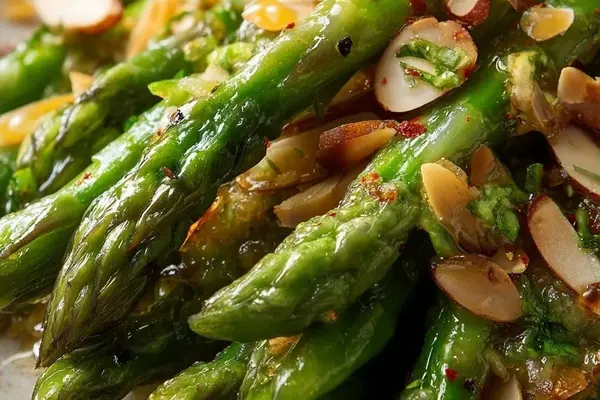
- 17 Serve immediately with plain steamed rice and seasonal veggies like grilled asparagus or sautéed spinach to cut richness.
Nutritional information
Calories
410
Protein
23g
Carbs
22g
Fat
28g
Frequently Asked Questions About Veal Sweetbreads Recipe
Can I prep the sweetbreads the day before? Soak them the night before, yeah. Blanch them the night before too if you want. Keep them in the fridge covered. Peel the membranes right before cooking though—they dry out if you do it too early.
What if I can’t find veal demi-glace? Use chicken demi-glace. Tastes different, less rich, but works. Beef’s too heavy. Chicken’s neutral enough that the honey and port still shine.
Can I use regular honey instead of acacia? Sure. It’ll taste heavier, less floral. Not bad, just different. Acacia’s subtle—regular honey dominates more.
How do I know when they’re blanched enough? They swell. They feel firm when you touch them. That’s it. Texture changes from spongy to firm. Takes about 11 minutes but your eyes matter more than the timer.
What’s the point of the white port? Sweetness and acidity at the same time. Regular white wine is too dry. Port has sugar that caramelizes. Creates depth.
Can I make this with chicken instead? Different dish entirely. Sweetbreads have a specific texture—creamy inside, crispy outside. Chicken doesn’t do that. Don’t try it.
Why does the sauce need to reduce so much? Concentration. Reduces by half means all the flavors are tighter, stronger, cling to the sweetbreads better. Thin sauce just runs off the plate.
You’ll Love These Too
Explore all →
Beef Burger Recipe with Chipotle Cheese
Green Bean Casserole with Bacon & Monterey Jack
Dairy-Free Pesto with Roasted Cashews

Cheesy Beef Quesadillas with Ground Beef
Pineapple Cake with Coconut Crumb Topping
Buffalo Chicken Nachos with Avocado
Grilled Vegetables: Charred Three Bean
Apple Fritters with Pine Nuts and Candied Citrus
Chocolate Swirl Babka with Espresso

Mini Goat Cheese Quiche with Pine Nuts
No Bake Cheesecake with Strawberries
Baked Carrots Honey: Sweet & Glazed
Air Fryer Goat Cheese Salad with Kale
White Chocolate Brownies with Vanilla

Raspberry Pound Cake with Cream Cheese Frosting
Black Eyed Peas with Smoked Pork
Piquante Pepper Sauce Recipe
Slow Cooker Pork Tenderloin in Chianti
Shredded Pork BBQ with Garlic & Lime