Sufganiyot Recipe: Custard & Jelly Donuts
By Emma
Certified Culinary Professional
·
Recipe tested & approved
Make sufganiyot with yeast dough filled with vanilla custard or strawberry jelly. Orange zest and brandy create depth; fry until golden and crispy. Dust with powdered sugar for a showstopping finish.
Prep:
20 min
Cook:
20 min
Total:
2h 30min
Servings:
16 servings
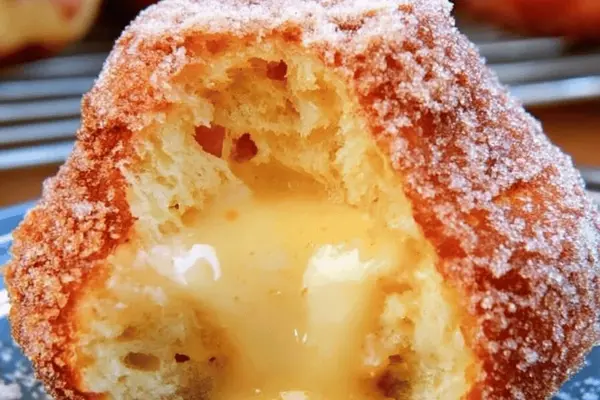
Warm oil, 350°F exactly, and you’re three minutes from biting into a sufganiyot that’s actually hollow inside—crispy shell, soft dough, cold custard and strawberry jelly swirled together. This is the Hanukkah doughnut that matters.
Why You’ll Love This Sufganiyot Donut
Holiday dessert that doesn’t feel like work, actually. Yeast does most of it. You mix, fold in butter, wait, then fry—that’s literally the skill. Takes 2 1/2 hours total but maybe 30 minutes of your hands actually moving.
Custard doughnuts with actual filling inside. Not injected halfway through and hoping. You control exactly how much jelly and custard goes in, both cold, both flavors hitting at once.
Fried bread done right feels impossible at home. This one isn’t. Oil temperature matters more than anything else—hit 350°F, keep it there, and they puff instead of greasing out.
Tastes better warm. The contrast between cold custard filling and hot dough is the whole point. Make these for people, watch them eat them immediately.
What You Need for Sufganiyot Doughnuts
Active dry yeast. 2 1/4 teaspoons. Not instant, not rapid-rise. Affects rise timing and structure.
All-purpose flour, about 2 cups total. Start at 1 3/4, add slowly. Too much flour kills the puff. Dough should stick slightly to your hands.
Two egg yolks and one whole egg. Richness and lift at the same time. Skip the substitutes here.
3/4 cup warm whole milk—110°F matters, hot kills yeast. Almond milk works if you must but the dough texture shifts. Colder and heavier.
Orange zest and juice. One orange, fresh. Not concentrate. Not powdered. Changes the whole dough flavor, tastes less like carnival and more like something someone made.
Brandy or dark rum, one tablespoon. Or skip it. Almond extract works too. Just adds depth to the crumb. Not essential.
Unsalted butter, 6 tablespoons, softened. Room temperature. Cold butter won’t fold in evenly, hot melts instead of mixing.
Vegetable oil for frying. Canola or peanut oil. High smoke point. Enough to fill a pot 4 inches deep. You’ll need a thermometer—not negotiable.
Strawberry jelly and chilled vanilla custard for filling. Custard needs at least 2-3 hours in the fridge to thicken. Don’t skip the chill time.
Powdered sugar and cinnamon sugar mix for dusting. Coating goes on warm dough while it still has surface moisture.
How to Make Sufganiyot
Mix yeast, 1 tablespoon flour, 1 tablespoon sugar, and 2 1/2 tablespoons warm water in a stand mixer bowl with the dough hook attached. This is your test. Yeasty smell in 5 to 7 minutes means alive. Foam on top says it’s ready.
Pour in egg yolks, one whole egg, the milk, orange zest and juice, brandy or your swap, salt, vanilla, and the remaining sugar. Keep mixer on low. The goal is shaggy and rough, not smooth. Rushing here means you’re overworking it. Let it sit for a second.
Softened butter goes in one tablespoon at a time. Beat between each addition. Yes, it looks messy. Yes, little butter chunks are supposed to be there. They melt as you knead later. When all butter’s in, slowly add the remaining flour—stop when dough climbs the hook and pulls cleanly from the bowl sides. This might be shy of 2 cups. That’s fine. Soft dough puffs. Dense dough doesn’t.
Turn it out onto a lightly floured surface and knead for 5 minutes. Not aggressive. Gentle. Until non-sticky and smooth but still yielding to pressure. Butter a bowl, roll the dough ball over the surface until coated. Cover with a breathable towel—not plastic, it traps condensation—and set in a warm, draft-free spot. Watch for doubling. Usually takes 1 1/2 hours but depends on your kitchen temp. Could be 1 hour 15. Could be closer to 2.
How to Get Sufganiyot Crispy and Puffed
Flour your board generously. Roll dough to 3/4 inch thick—this thickness is key. Too thin and they’re dense. Too thick and they don’t cook through. Use a sharp 2-inch round cutter. Press and twist slightly to seal the edges. Dull cutter edges give you ugly shapes. Sharp cutter, clean rounds.
Place each round on parchment-lined sheet, cover with a towel, and let them proof for 40-50 minutes. They’ll puff but won’t quite double. Look for soft, pillowy dough that springs back slightly when you touch it but doesn’t feel tight.
Heat oil in a heavy pot—at least 4 inches of depth—to exactly 350°F. Use a thermometer. No guessing. If you don’t have one, drop a tiny piece of dough in. Quick, steady bubbling and golden in about 60 seconds means ready. Too hot burns the outside raw. Too cool and they come out greasy and heavy.
Fry in small batches. 3 to 4 pieces at a time keeps oil temp stable. They float and need about 60 seconds per side. Color tells you more than anything. Golden, not pale yellow, not dark brown. Watch them. When they’re done, pull with a slotted spoon onto paper towels.
Sufganiyot Tips and Common Mistakes
Dough can over-proof. You’ll know because it doubles then shrinks back during the second proof. This means it got gassy and collapsed. Punch it down, reshape quickly, and proof again.
Oil temperature is everything. Smoking oil? Too hot. Pull off heat for 30 seconds, let it cool slightly, test again. If dough floats in seconds but doesn’t brown evenly, temp’s still creeping up. Adjust.
Roll dough once. Re-roll scraps once. After that, toss them. They get tough and won’t puff right.
Sugar coating sticks best while dough is still warm. Cool too long and the powder slides off. Warm dough has residual moisture that makes sugar stick.
Filling goes in after frying and cooling just slightly—you want dough warm enough to accept filling but cool enough you won’t burn yourself. Use a pastry bag with a large round tip. Poke a hole in the center, pipe until it swells or jelly leaks out a bit. Gentle—too aggressive and dough tears.
Cold filling stays cold longer. Warm custard will heat the dough and make it soggy. This contrast is non-negotiable.
Sufganiyot Recipe: Custard & Jelly Donuts
Prep:
20 min
Cook:
20 min
Total:
2h 30min
Servings:
16 servings
Ingredients
- 2 1/4 teaspoons active dry yeast
- 1 tablespoon all-purpose flour + more for dusting
- 1 tablespoon granulated sugar + 3 tablespoons sugar total
- 2 1/2 tablespoons warm water, about 110°F
- 2 large egg yolks
- 1 whole large egg
- 3/4 cup warm whole milk, can swap almond milk
- Zest of 1 orange
- 1 tablespoon fresh orange juice
- 1 tablespoon brandy or dark rum alternative
- 1 teaspoon kosher salt
- 1 teaspoon pure vanilla extract
- Up to 2 cups all-purpose flour (start with 1 3/4 cups)
- 6 tablespoons unsalted butter, room temperature
- Vegetable oil for frying (canola or peanut oil best)
- Strawberry jelly
- Vanilla custard (chilled)
- Powdered sugar for dusting
- Optional: cinnamon sugar mix
Method
- Planning Ahead
- 1 Custard first if that’s your filling, it needs at least 2-3 hours chilling to thicken. Don’t skimp, lukewarm custard = sloppy filling later. Jelly can wait. Set that refrigeration timer right now.
- Yeast Activation
- 2 Mix yeast, 1 tablespoon flour, 1 tablespoon sugar, and 2 tablespoons warm water in stand mixer bowl fitted with dough hook. Warm, not hot water wakes yeast, smells yeasty in 5 to 7 minutes, foamy surface shows it’s alive.
- Dough Assembly
- 3 Add egg yolks, whole egg, milk, orange zest and juice, brandy (or your swap), salt, vanilla extract, and 2 cups minus 1 tablespoon sugar. Low speed mix just until combined—forget rushing, want the dough shaggy not stiff.
- Butter and Flour Integration
- 4 Drop softened butter one tablespoon at a time into dough, beat between additions. Little butter lumps in dough okay, melts on kneading. Slowly add remaining flour, stopping when dough pulls cleanly from bowl sides and climbs hook. Stop. Might be shy of full 2 cups. Dough softness key. Too much flour? Dry mess, no puff.
- Kneading and First Rise
- 5 Turn out dough onto lightly floured surface. Knead 5 minutes until non-sticky, smooth but yielding. Butter a bowl with soft butter, roll dough ball over surface to coat well. Cover loosely with breathable towel, store in warm draft-free zone. Double rise signals readiness. Usually 1 1/2 hours but watch, not clock.
- Shaping Sufganiyot
- 6 Flour your board. Roll dough evenly to 3/4 inch thick, thickness for puff and filling room, thinner means dense or collapse. Use a sharp 2-inch round cutter, press and twist slightly to seal edges for neat rounds. No dull edges—turtle shapes not attractive. Re-roll scraps once. Toss any extra.
- Proofing Again
- 7 Place rounds on parchment lined sheet, cover with towel again, let rest 40-50 minutes. They puff but won’t double. Look for soft, almost pillowy feel, slight spring back on touch.
- Oil Preparation
- 8 Use a heavy pot with at least 4 inches oil depth. Heat oil to steady 350°F—no thermometer? Test with small dough flake; quick steady bubbling, golden in a minute means ready. Overheated? Burns outside raw inside; too cool? Greasy, soggy treats.
- Frying Sufganiyot
- 9 Fry in small batches, 3-4 pieces to keep oil temp steady. Float and color in about 60 seconds per side. Color cues: golden, no pale yellow. Drain on paper towels immediately. Best texture while warm.
- Post Fry Coating
- 10 Once slightly cooled, roll in cinnamon sugar mix or dust powdered sugar lightly. Sticky sugar easier on warm dough; cooling too long means sugar won’t stick well.
- Filling Technique
- 11 Fit pastry bag with large round tip, fill with your filling. Using a tall glass to hold bag steady helps with control. Poke clean hole center, pipe filling until puff swells slightly or juice escapes. Be gentle—too much filling bursts dough.
- Final Touches and Serving
- 12 Dust again if needed with powdered sugar. Serve warm for best mouthfeel. Filling cold can cool dough quickly. Everyone loves that contrast.
- Troubleshooting Notes
- 13 If dough doubles then shrinks in proofing, over-proofed, punch and reshape quickly. Oil smoking? Too hot, reduce heat immediately or pull off heat briefly. Dumb cutter edges? Use sharp knife or thin metal ring instead.
Nutritional information
Calories
280
Protein
5g
Carbs
35g
Fat
12g
Frequently Asked Questions About Hanukkah Doughnuts and Custard Donuts
Can I make the dough the night before? Yeah, you can. Mix everything through the first rise, then cover and refrigerate. Let it come to room temp in the morning before shaping. Flavor gets better actually—orange juice has time to soak in.
What if I don’t have a custard donut filling recipe ready? Make vanilla custard. Whisk egg yolks, sugar, cornstarch, salt in a saucepan. Heat milk separately until steaming. Pour hot milk slowly into eggs while whisking constantly. Cook over medium heat, stirring, until thick. Strain it, cool, chill 2-3 hours. Or buy chilled custard and chill it more. Store-bought works fine.
Can I use jelly donuts filling instead? That’s kind of the point. Jelly alone is good. Jelly plus custard together is better. But one filling works. Doesn’t matter which.
What oil is best for frying? Canola or peanut. High smoke point, neutral taste. Olive oil will break down at 350°F and taste weird. Coconut oil changes the flavor too much. Just use canola.
How long do they stay good? Best warm and fresh, obviously. Eaten same day is ideal. Store covered at room temperature, they stay okay for one day. Reheat gently in the oven at 300°F for 5 minutes if they firm up. Fridge makes them stale faster.
Can I make custard filled donuts without the orange? Skip it. Use lemon zest instead, or almond extract. Or just add more vanilla. The orange isn’t load-bearing—it’s a flavor accent. Works without it.
You’ll Love These Too
Explore all →
Lemon Bars with Cake Mix & Oats
Slow Cooker Pulled Pork with Orange & Lime

Grilled Whole Sea Bass with Lemon & Herbs
Brown Chicken Gravy with Roasted Wings
Grilled Peach Appetizer with Burrata
Herb Garlic Salt with Chive Flowers
Creamy Cajun Pasta With Andouille Sausage
Banana Cream Tart with Oat Crust
Honey Oat Muffins with Raspberry Jam
Oreo Oreos: Red Velvet Cream Cheese Cookies
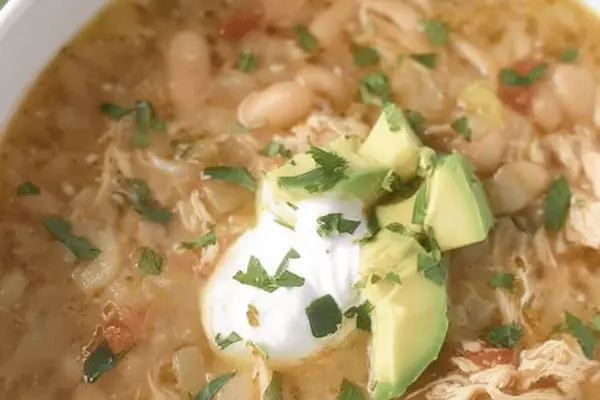
White Chicken Chili with Green Chiles
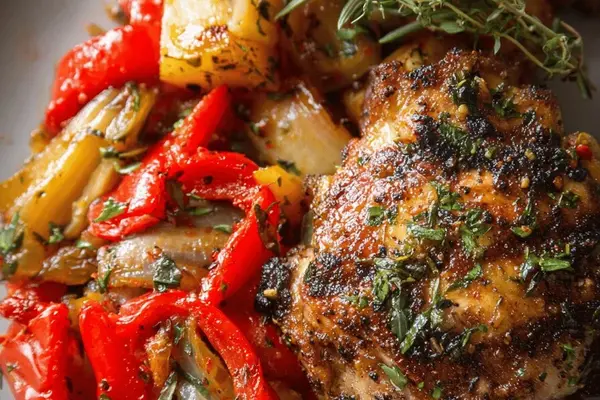
Grilled Chicken Thighs with Bell Peppers
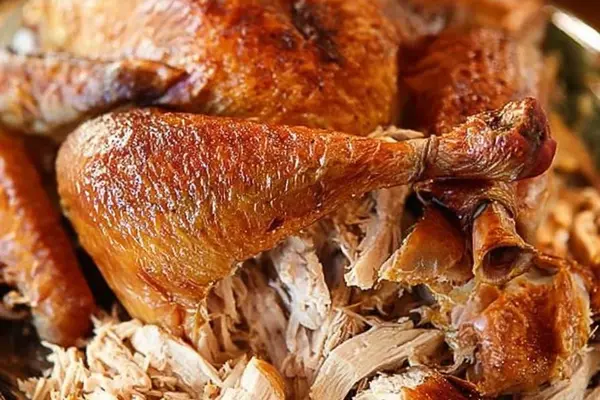
Roasted Turkey Recipe with Smoked Paprika
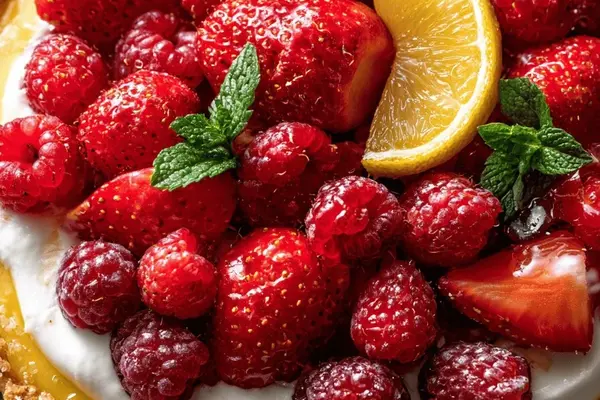
Raspberry Lemon Tart with Coconut Oil Crust
Spicy Chicken Dip with Greek Yogurt
Balsamic Rosemary Chicken with Garlic
Chocolate Bacon Toffee Crackers Recipe
Oven-Roasted Spaghetti Squash with Basil

Mojito Recipe with Raspberry Mixer