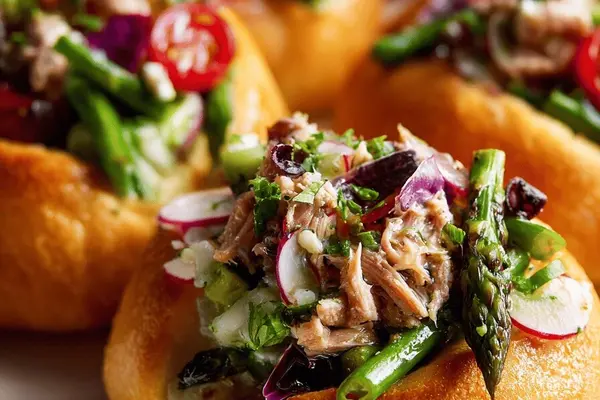
Tuna Melt with Asparagus & Radish
By Emma
Certified Culinary Professional
·
Recipe tested & approved
Slice the bun tops off. Hollow them out without going too deep. That’s the first move—thick walls hold everything without falling apart. While you’re doing that, get water boiling for the egg.
Why You’ll Love This Tuna Melt
Takes 45 minutes total if you’re not rushing. Most of that’s just sitting around. Works for lunch, dinner, or that weird 4pm meal nobody talks about. The egg yolk breaks into the dressing. Changes everything. Asparagus instead of lettuce. Crunchier. Stays that way even after it sits an hour. No mayo. The vinaigrette does the work—sherry vinegar hits different than whatever’s usually in a tuna sandwich. Radish gives you peppery snap. Not the bland crunch you’re used to.
What Goes Into a Tuna Melt Sandwich
Olive oil first—about 50 ml. Sherry vinegar, 25 ml. Small garlic clove, minced fine. Anchovy paste or a chopped fillet. Salt and pepper. That’s the vinaigrette. Tastes sharp at first. Mellows as it sits.
Four small round buns. Ciabatta squares work too. One egg—boiled. Asparagus tips cut into 1 cm pieces, maybe 140 ml worth. Shredded radicchio, 500 ml—that’s a lot. It wilts down. Cherry tomatoes halved. A radish quarter, diced small. One can of tuna, drained well. Green onion sliced thin. Black olives chopped. About 15 ml.
That’s it. Not a long list.
How to Make a Tuna Fish Melt Sandwich
Get water boiling. Serious boil. Drop the egg in, let it go for maybe 7 minutes—depends on your stove. You’ll know it’s done when you shake it gently and the yolk feels solid but soft inside. Takes practice.
Last 5 minutes, add the asparagus to the same pot. Pinch of salt. It should come out bright green. Still crunches when you bite it.
Drain everything into a colander. Ice bath immediately. Cold water. Stops the cooking fast. Peel the egg under running water—peels slip off easier that way, doesn’t stick to the white. Cut it into eighths. Drop it straight into the vinaigrette bowl.
Add the asparagus now. Then the radicchio. Tomatoes. Radish. Tuna. Green onion. Olives. Toss gently. You want everything coated, not mushed. Let it sit 5 minutes. The dressing softens the radicchio edges a bit—takes the edge off the bitterness.
How to Get the Filling Right and Pack the Buns
Spoon the filling in. Generous. Press it down a little so it fits, but don’t crush the egg pieces into oblivion. The yolk should still be intact.
Bun tops go back on. Wrap in parchment if you’re eating it later. The filling’s wet and smells strong—parchment keeps it from leaking everywhere.
The egg texture matters. Overboil it and it gets crumbly. Underboil and it oozes everywhere. You want that barely-set yolk that breaks when you bite down.
Asparagus has to snap. If it’s soft, you overcooked it.
Tuna Sandwich Tips and When Things Go Wrong
Radish does something the traditional tuna sandwich doesn’t. Peppery crunch instead of bland celery or whatever. It actually works.
Seasoning gets skipped a lot. Don’t skip it. The vinaigrette needs salt. The filling needs more salt after it sits. Taste it before you wrap it.
Sherry vinegar instead of white vinegar. White tastes sharp in a bad way. Sherry’s softer.
Can’t find sherry vinegar? Red wine vinegar works. Different flavor but not bad.
Tuna—drained well. Oil left in makes it too slick. If you’re using salmon instead, it still works. Same logic. White beans if you don’t want fish. Texture’s different but the idea holds.
Asparagus in a pinch—green beans. Snap peas. Whatever stays crunchy.
Timing thing: prep the vinaigrette and chop everything while the egg boils. Then you’re not standing around at the end. Hollow the buns right before you fill them. Too early and they get soggy from sitting.
Tuna Melt with Asparagus & Radish
Prep:
25 min
Cook:
20 min
Total:
45 min
Servings:
4 servings
Ingredients
- Vinaigrette
- 50 ml (3 ½ tbsp) olive oil
- 25 ml (1 ½ tbsp) sherry vinegar
- 1 small garlic clove, finely minced
- 2.5 ml (½ tsp) anchovy paste or finely chopped anchovy fillet
- Salt and black pepper
- Stuffed Buns
- 4 small round buns or ciabatta squares, plain or with olives
- 1 egg in shell
- 140 ml (⅔ cup) asparagus tips, cut into 1 cm pieces
- 500 ml (2 cups) fine shredded radicchio
- 125 ml (½ cup) halved cherry tomatoes
- ¼ small radish, finely diced
- 1 can 198 g (7 oz) tuna in oil, drained
- 1 green onion, thinly sliced
- 15 ml (1 tbsp) pitted black olives, chopped
Method
- Vinaigrette
- 1 Mix olive oil, sherry vinegar, garlic, anchovy paste in large bowl. Season well with salt and pepper. Taste; adjust acidity or salt depending on anchovy intensity. Set aside to let flavors meld.
- Stuffing Preparation
- 2 Slice off bun tops carefully with serrated knife. Hollow out crumb gently, don’t go too deep — want thick sides to hold filling without breaking. Keep crumbs for breadcrumbs or toast later.
- 3 Place egg in pot, cover with cold water. Bring to boil over medium heat, then lower heat to gentle simmer. Timer at about 7 minutes but test doneness by feel; shake egg gently—firm yolk sounds solid but still tender inside. While egg cooks, add asparagus tips with pinch of salt for last 5 minutes of simmer. Asparagus should brighten green, stay crisp tender—not mushy.
- 4 Drain egg and asparagus; plunge quickly in cold water to stop cooking and keep vibrant color. Peel egg under running water; peel slips off easier and egg won’t stick.
- 5 Cut egg into eighths; drop into vinaigrette bowl. Add asparagus, radicchio, tomatoes, diced radish, tuna, green onion and olives. Toss gently but thoroughly. Season with salt and black pepper. Let marinate 5 minutes so flavors mingle; dressing softens radicchio edges slightly, taming bitterness.
- Assembly
- 6 Spoon generous amount of filling into hollowed buns, pressing gently to pack but don’t crush egg pieces. Bun tops replace. Wrap in parchment or foil if eating later; filling’s juicy and aromatic, potentially messy but rewarding. Consume within a few hours for freshest texture.
- 7 Notes on timing—the egg’s core texture is key; too hard and it dries, too soft and it oozes. Asparagus must still snap when bitten. Radish gives unexpected peppery crunch instead of traditional bell pepper; balances richness of tuna and egg.
- 8 Substitutions : canned salmon or cooked white beans for tuna; red wine vinegar for sherry vinegar; green beans or snap peas for asparagus in a pinch.
- 9 Efficiency tip : prep vinaigrette and veggies while egg boils to maximize time. Hollow buns just before serving to avoid sogginess.
- 10 Common pitfalls : overboiling egg makes it crumbly; undercooking asparagus loses crunch and vibrant hue; insufficient seasoning flattens flavors.
Nutritional information
Calories
360
Protein
16g
Carbs
28g
Fat
22g
Frequently Asked Questions About Tuna Melt Sandwich Recipe
Can you make this ahead? Few hours max. The filling’s wet. Buns start falling apart after that. If you’re packing it for later, keep the bun and filling separate, assemble when you eat it.
What if you don’t like anchovies? Cut the paste in half. Or skip it. The vinaigrette works fine without it—just less depth. Less umami. But honestly, you barely taste it.
Why sherry vinegar? Goes smoother than white vinegar. Not as aggressive. Has a sweetness that works with the tuna. White tastes thin.
How do you know when the egg’s done? Shake it gently. The yolk should feel solid but still move inside the white. Comes down to feel. Boil it a few times and you’ll figure out your stove.
Can you swap out the radicchio? Yeah. Lettuce works but it’s blander. Arugula if you like peppery. Cabbage’s softer than radicchio, soaks up dressing faster. All work.
What’s a good tuna fish sandwich recipe substitution? Salmon. White beans. Chickpeas if you want protein without fish. The vinaigrette works with anything.
Does the asparagus have to be fresh? Fresh is better. Stays crisp. Frozen asparagus gets softer even if you undercook it. Not the same.
Why do the tuna salad sandwich flavors work this way? The egg yolk breaks into the vinaigrette. Creates a sauce. Asparagus adds crunch. Radicchio adds bitterness that the egg and tuna balance out. It’s not complicated but it works.
You’ll Love These Too
Explore all →
Apple-Stuffed Maple Dumplings with Cinnamon
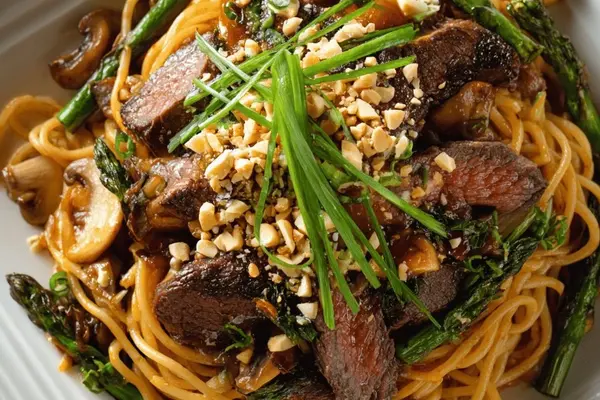
Beef Pasta With Mushrooms & Hoisin
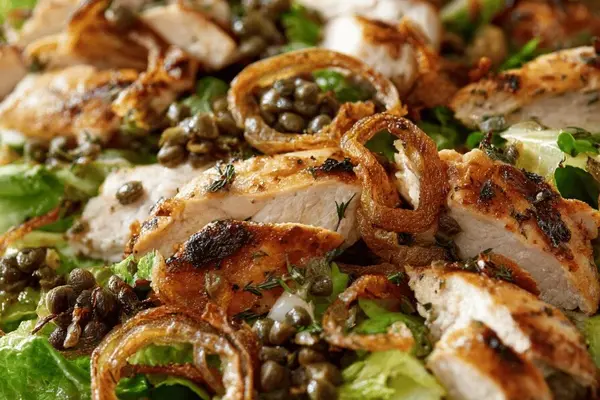
Herbed Chicken & Crispy Shallot Salad
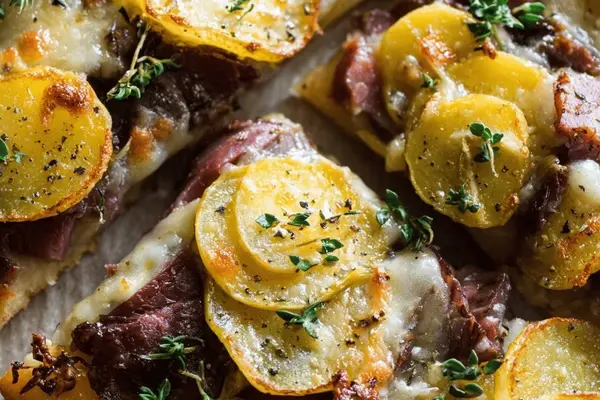
Focaccia with Potatoes and Smoked Beef
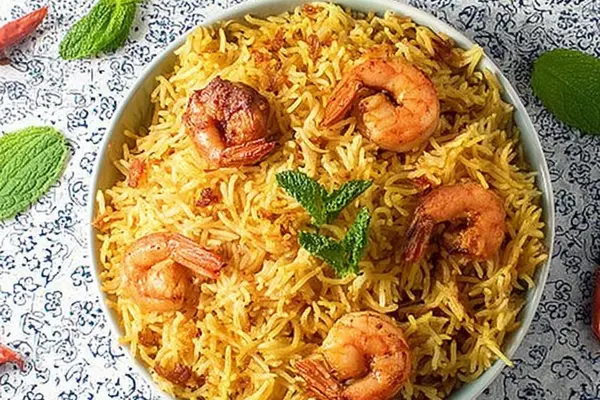
Instant Pot Shrimp Biryani with Basmati Rice
Lemon Strawberry Shortcake with Fresh Berries
Creamy Maque Choux Recipe with Coconut Milk
Apple Pie Recipes: Fresh Apples & Cinnamon
No Bake Cookies with Strawberries & White Chocolate
Slow Cooker Beef Ragu with Red Wine
Watermelon Feta Salad with Basil & Mint

Banana Chocolate Muffins with Olive Oil
Yogurt Plum Cake with Lemon Glaze
Beef Gnocchi with Smoked Paprika

Gruyère Gougères | Crispy Choux Pastry
Peanut Butter Cake with Chocolate Ganache
Lemon Apricot Nectar Cake with Glaze
Broccoli Cauliflower Salad with Bacon

Orange Mousse with Dark Chocolate