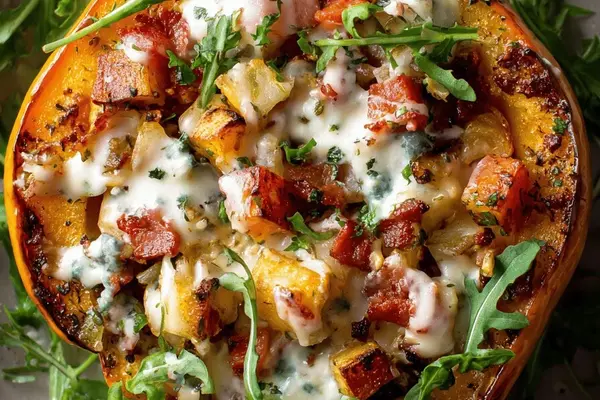
Stuffed Pepper Squash with Roasted Potatoes
By Emma
Certified Culinary Professional
·
Recipe tested & approved
Stuffed pepper squash halved and filled with roasted red potatoes, pancetta, arugula, and melted Manchego cheese. Creamy, savory side dish baked till golden.
Prep:
40 min
Cook:
55 min
Total:
1h 35min
Servings:
4 servings
Cut the squash in half. Scoop the seeds. Oil the insides. This is what happens next.
Why You’ll Love This Roasted Potatoes Sweet Potatoes Dish
Feels like a lot. It’s not. Everything cooks while you stand there — potatoes on the stove, squash in the oven, one skillet doing the real work.
Works as a side that actually fills you up. Or make it the whole meal. Either way, nobody’s asking for more because the cheese and cream handle that.
The pancetta renders first. That fat goes into everything. Matters way more than bacon ever did.
Potatoes peel warm and easy. Cold potatoes? Skins stick like they’re glued. Just don’t skip that part.
Cheese melts into the cream. Some gets bubbly on top. That’s the goal.
What You Need for Roasted Potatoes and Cheese
Two medium squash. Acorn works. Butternut works. Whatever’s not rock-hard when you squeeze it. Four medium red potatoes — skin on, don’t peel yet. Two shallots sliced thin. Not onions. Shallots are sweeter and don’t overpower.
Fifteen milliliters melted butter. Seventy grams pancetta diced small. Sixty milliliters sparkling white wine — dry, not sweet. The bubbles matter because they burn off and leave this sharp, sweet thing behind.
Seventy-five grams arugula chopped. One hundred grams aged Manchego. Not the fresh stuff. Aged. It melts better and tastes like something. One hundred grams Camembert in big chunks. Seventy-five milliliters cream. Thirty-five percent fat. Anything less gets weird.
Salt. Pepper. That’s it.
How to Make Stuffed Acorn Squash
Preheat the oven to 400 degrees. Line a tray with parchment. Brush the squash insides with oil—the sides that’ll sit face-down. Salt and pepper just the cavity. Lay them cut-side down on the tray and roast for 40 minutes. Maybe 43. When you poke the flesh near the edge with a fork and it gives without falling apart, pull it out.
While that’s happening, boil the potatoes. Cold salted water. Whole. Bring it to a rolling boil, then turn it down to a simmer. Don’t keep it at a full boil or they fall apart. Thirty minutes. Maybe 28. Fork test — they should be firm but give when you push. Pull them out, run them under cold water just enough to handle. Peel them while they’re still warm. The skins come right off if you rub them. If they’re cold, they cling. Slice into thick rounds. Not thin. Thick matters here or everything’s mush.
How to Get Cheesy Hash Browns Crispy and Layered
Melt the butter in a hot skillet over medium-high heat. Add the pancetta and let the fat render. This takes a few minutes. The edges should crisp up. Then add the shallots and sweat them—translucent, barely colored. Two minutes, that’s all. Deglaze with the sparkling wine. Let it all evaporate. The whole thing. It’ll smell sharp and sweet at the same time.
Throw in the arugula. It wilts in 90 seconds. Goes from bright to dark. Taste it. Salt and pepper now.
This sauté is your flavor base—peppery, rich, fat-backed.
Build the squash halves in layers. Half the pancetta mix on the bottom, then half the potatoes, then both cheeses split between the two squash. The Manchego first because it’s denser. The Camembert on top. Dense layers trap moisture. You want that.
Top with the other half of everything. Finish with cheese showing.
Pour cream over both halves. Seventy-five milliliters split between them. The cream keeps it luscious while it finishes in the oven.
Stuffed Zucchini Squash Tips and Common Mistakes
Back in the oven for 20 minutes. Maybe 23. The cheese melts all the way through and the edges bubble. Some golden spots appear. That’s the goal. Overbake it and the cheese gets oily and pulls away from everything.
Don’t skip the warm peel. Cold potatoes hold their skins like a grudge.
The arugula wilts fast. If you’re distracted, it goes from green to dark. Still fine. Just fine.
Pancetta versus bacon—pancetta has less water, more fat. That matters. Render the fat first. It’s not about browning. It’s about the fat doing its job. Bacon gets greasy if you skip that step.
Manchego melts differently than Austrian hard cheese. More elastic. Sharper. It pulls instead of melting smooth. If you want smooth, use something milder. Manchego works here because it stands up to the cream and the arugula’s peppery thing.
Camembert gets runny when it heats. That’s correct. If it doesn’t, it’s too cold or the oven’s too low.
Rest it five minutes after it comes out. The filling settles. It holds better when you plate it.
Stuffed Pepper Squash with Roasted Potatoes
Prep:
40 min
Cook:
55 min
Total:
1h 35min
Servings:
4 servings
Ingredients
- 2 courges poivrées halved lengthwise, seeds scooped out
- 4 medium red potatoes, unpeeled
- 2 shallots, thinly sliced replacing onions
- 15 ml melted butter
- 70 g diced pancetta instead of bacon
- 60 ml dry sparkling white wine substituting standard white wine
- 75 g chopped arugula
- 100 g diced aged Manchego cheese substituting Austrian hard cheese
- 100 g large chunks camembert as before
- 75 ml 35 percent cream
Method
- 1 Preheat oven to 205°C (400°F), rack centered. Line baking tray with parchment to avoid sticky mess later.
- 2 Oil squash interior with a brush, season with salt and fresh cracked pepper inside cavity only. Lay squash halves cut-side down on tray; any water escaping is expected. Roast 38 to 43 minutes—poke flesh near edge with fork for tenderness. If skins give easily without falling apart, done enough.
- 3 Meanwhile, plunge whole potatoes into salted cold water. Bring to rolling boil, then moderate heat to keep simmering. Cook 28 to 32 minutes until firm but yielding to fork test. Chill briefly under cold tap. Peel while still warm; skins come off easily when rubbed. Slice into 1.2 cm thick rounds for layering; thickness matters here to avoid mush.
- 4 In hot skillet, melt butter over medium-high heat. Add diced pancetta; let fat render and edges crisp first. Add shallots last minute, sweat gently, not brown. Should be translucent with just a hint of color. Deglaze pan within 2 minutes with sparkling wine. Let entire liquid evaporate — it'll smell sharp, sweet, aromatic.
- 5 Toss arugula into pan; it wilts fast, 90 seconds max, vibrant green to dull dark. Season with salt and pepper to taste. This sauté base adds a peppery, fat-rich backbone to the filling.
- 6 In each squash cavity, start layering: half the onion-pancetta-arugula mix, half the potato slices, then both cheeses split evenly. Dense layers trap moisture and flavor. Top with the other half of everything, finishing strong with cheeses exposed.
- 7 Pour cream evenly over each filled squash. The cream keeps cheesy mix luscious during oven time.
- 8 Return tray to oven; bake an additional 18 to 23 minutes until cheese melts fully, edges bubbling and some golden spots. Don't overbake or cheese dries out and turns oily.
- 9 Remove, rest 5 minutes for filling to settle. Serve whole halves on plates. Garnish with fresh arugula salad tossed in lemon vinaigrette if you fancy cutting richness with acidity.
- 10 Pro tip: don’t skip peeling potatoes warm. Cold skins cling stubbornly. Also, swap pancetta for bacon but always render fat first to prevent greasy finish. Replacing Austrian cheese with Manchego adds nutty notes and melts differently — sharper and more elastic.
Nutritional information
Calories
410
Protein
15g
Carbs
25g
Fat
30g
Frequently Asked Questions About Roasted Potatoes and Cheese
Can I make this ahead? Layer it the night before. Keep it covered. Bake it cold, add maybe five minutes. Haven’t tested it longer than that.
What if I don’t have Manchego? Any aged hard cheese that melts works. Gruyère. Aged Gouda. Something with actual flavor, not mild cheddar. Cheddar gets oily. Not worth it.
The cream is too much for me. Can I skip it? Yeah. The filling gets drier but it still works. Use less if you want—50 milliliters instead of 75. Just watch it so the cheese doesn’t cook too fast.
Why sparkling wine instead of regular white? The bubbles evaporate first and leave this specific sweet-sharp thing behind. Regular white takes longer to burn off and tastes duller. Could use regular. Sparkling’s better.
Can I use yellow potatoes instead of red? Red hold their shape better when you boil them. Yellow gets softer faster. Could work. Might get mushier.
Do I have to peel the potatoes? No. Red potato skins are thin and fine to eat. Peeling just makes the layers look cleaner when you cut into it. Unpeeled works.
What’s a good side for this? Green salad with lemon. Something sharp to cut through the cheese and cream. That’s it.
You’ll Love These Too
Explore all →
Shrimp Toasts with Guacamole & Crispy Tortillas
Mediterranean Avocado Dip with Crispy Pita Chips
Bulgur Chicken Soup with Spiced Tomato Broth
Cobb Salad with Feta and Greek Yogurt
Veal Stew with Peppers and Espelette
Chicken Pie Noodles with Mushrooms
Burrata Toast with Fried Egg & Roasted Tomatoes

Double-Dipped Panko Onion Rings Recipe
Fruit Cake with Raisins, Cherries & Spices
Clarified Butter: Make It at Home

Ham Pimiento Cheese Sandwich Baked
Best Seasoned Hamburger with Curry
Beef Panini with Au Jus Dipping Sauce
Carrot Cake Muffins with Cream Cheese
Butter Board Recipe with Roasted Garlic
Blueberry Cinnamon Rolls Recipe
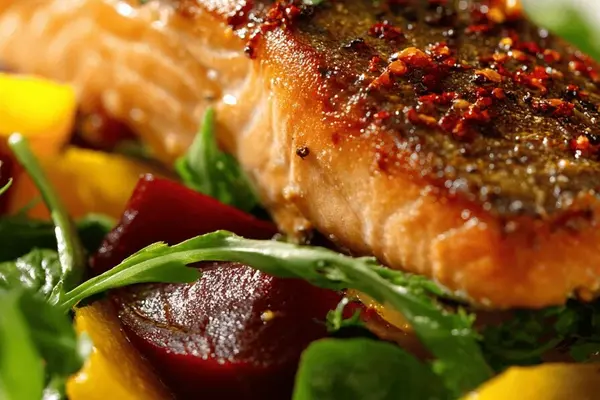
Beetroot Salad with Trout and Fennel
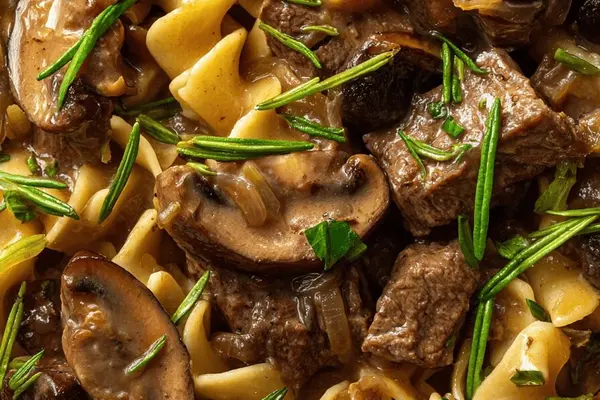
Slow Cooker Beef Stroganoff with Greek Yogurt
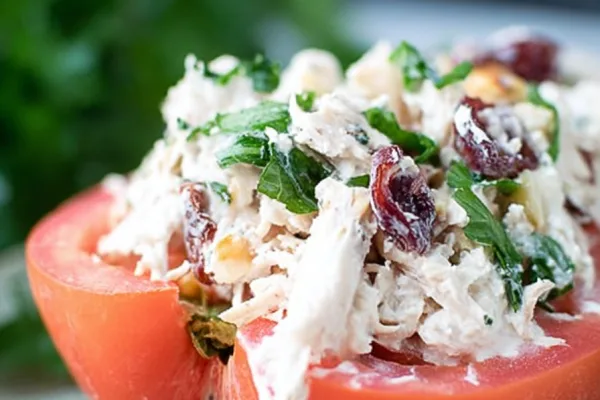
Tomato Wedge Greek Yogurt Chicken Salad