Strawberry Cake With Strawberries
By Emma
Certified Culinary Professional
·
Recipe tested & approved
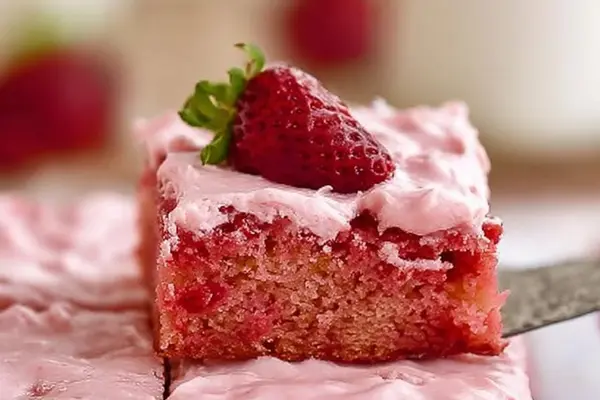
Moist strawberry cake made with coconut oil and fresh strawberries. Cream cheese frosting whipped to perfection with gelatin for stability and structure.
Prep:
25 min
Cook:
28 min
Total:
53 min
Servings:
12 servings
Cut the strawberries first—rough chop, nothing fancy. Blitz them but keep it chunky, not juice. This cake needs texture, not liquid. The coconut oil makes the crumb different than box mix usually gets. Better, actually. Took me a couple tries to figure that out. Fifty-three minutes total and you’ve got a strawberry dessert that tastes homemade even though it starts from a box.
Why You’ll Love This Strawberry Cake
Takes 25 minutes to prep if you’re not slow. Bakes 28 minutes. Done. Coconut oil makes the cake taste richer—the crumb actually holds together instead of being that dry box-cake texture. Not a small thing. Fresh strawberries folded into the batter and on top. You see them. They taste like strawberries, not strawberry flavoring. Cream cheese frosting with strawberry gelatin stays smooth and doesn’t slide off. Holds peaks. Actually works. Looks fancy. Tastes homemade. People won’t believe it started with a box.
What You Need for Strawberry Cake With Coconut
One box white cake mix. Doesn’t matter the brand.
Three large eggs. Room temperature works better but cold is fine too.
Melted coconut oil. Three quarters cup. This is the swap that matters—coconut adds something vegetable oil doesn’t. Crumb stays tender longer. Can use veg oil if you’re stuck, but coconut’s worth it.
Two cups fresh strawberries. Washed, hulled. The quality matters here because they’re actually going in the cake, not just decoration.
Gelatin powder. Unflavored. Two teaspoons total. One teaspoon for the cake, one for the frosting. Stabilizes everything so it doesn’t weep.
Vanilla extract. Half a teaspoon. Not the imitation kind.
Water. One and a quarter cups divided up between the strawberry puree and gelatin blooming.
For the frosting: four tablespoons cream cheese softened, half a cup unsalted butter softened, three to four cups powdered sugar sifted. That last part matters—unsifted sugar makes lumps.
How to Make Strawberry Cake With Fresh Strawberries
Start with the strawberries. Rough chop them. Not precise. Just pieces. Blender or food processor—pulse until chunky. You want texture, not puree. Should look like crushed berries, not strawberry juice. Takes maybe a minute of pulsing. Measure out one cup for the cake batter, set two tablespoons aside for the frosting. If you’re short, add cold water slowly until you hit the right amount. Don’t skip this—consistency’s critical here. Too thin batter runs. Too thick gets dry.
Preheat oven to 345. Spray a 9 by 13 pan with nonstick spray. Butter works too but spray’s faster.
Bowl time. Whisk together the cake mix, eggs, and melted coconut oil. Don’t overmix. Should be smooth, slightly thick, still pourable. There’s a point where it goes from blended to overdone and that’s when the gluten in there gets tougher. You feel it in the whisk—it changes. Stop before that.
Take one teaspoon of the gelatin and set it aside for the frosting later. Sprinkle the rest—that’s one teaspoon—over half a cup of warm water. Let it sit for five minutes. It’ll look weird and clumpy at first. Stir it smooth. Now fold this into the batter along with the one cup of strawberry puree. Fold, don’t beat. Gently. Watch it blend together. You’ll see the pink start spreading through.
Pour it into the pan. Spread it even. Tap the pan on the counter a few times to get the air bubbles out. Don’t overthink it.
Twenty-eight to thirty-two minutes in the oven. But honestly, smell it around minute 25. The strawberry gets really fragrant when it’s almost done. Use a toothpick in the middle—if it comes out with dry crumbs, you’re good. A tiny bit of moist center is fine. Wet batter means go back in for two more minutes.
Cool at room temperature for thirty minutes. If you have time, throw it in the fridge after that so the base sets firm. Warm cake melts frosting everywhere.
How to Get That Strawberry Cream Cheese Frosting Right
Beat softened butter and cream cheese together until pale and creamy. Takes maybe two minutes with an electric mixer. Add the vanilla. Then add three cups of powdered sugar slowly, beating between each addition so you don’t get lumps. This part matters. Lumpy frosting looks bad and tastes gritty.
Take that teaspoon of gelatin you set aside. Bloom it in a quarter cup of cold water for five minutes. Microwave it for ten seconds to melt it smooth. Stir in the two tablespoons of strawberry puree you reserved. Let it cool slightly—don’t dump hot gelatin into cold frosting.
Pour the strawberry gelatin mixture into the frosting. Whip it at medium speed. Watch the pink spread through and blend completely. The color’s subtle, not bright red.
Check the texture. Should hold peaks but spread without sliding off. Too thin, add powdered sugar one tablespoon at a time and beat well. Too thick, you messed up earlier—just live with it or add a tiny splash of milk.
Spread it on the cooled cake with an offset spatula or butter knife. Work smoothly. Doesn’t need to be perfect. Chill at least an hour before slicing. Let it sit at room temperature for fifteen minutes before serving. Cold cake is hard. Room temp tastes better.
Strawberry Cake Storage and Common Mistakes
Store it covered in the fridge. Lasts five days. Maybe six if you don’t touch it.
The gelatin—don’t skip it. People try making this without and the strawberry weeps everywhere. Gelatin fixes that.
Overmixing the batter. Don’t do it. You’ll toughen the crumb and the cake gets dense. Stop when it looks combined.
Cold eggs in warm batter sometimes causes lumps. Room temperature is better but not critical.
The coconut oil swap is worth it. Vegetable oil works but the cake doesn’t taste as good. Coconut just reads as richer somehow.
Bloom the gelatin in cold water first. Hot water dissolves it too fast and it doesn’t do its job properly.
Strawberry Cake With Strawberries
Prep:
25 min
Cook:
28 min
Total:
53 min
Servings:
12 servings
Ingredients
- 1 box white cake mix
- 3 large eggs
- 3/4 cup melted coconut oil (can sub vegetable oil, but coconut adds better crumb)
- 2 cups fresh strawberries washed and hulled
- 2 teaspoons unflavored gelatin powder
- 1 1/4 cups water divided
- 1/2 teaspoon vanilla extract
- 4 tablespoons cream cheese softened
- 1/2 cup unsalted butter softened
- 3 to 4 cups powdered sugar sifted
Method
- For the strawberry puree
- 1 Roughly chop strawberries first. Blitz in blender or food processor but don’t liquefy—should look chunky, not juice. Measure 1 cup puree for cake; reserve 2 tablespoons for icing. If short, add cold water slowly until you hit 1 cup plus 2 tablespoons total. Puree consistency critical—too thin means runny batter, too thick, dry cake.
- For the cake
- 2 Preheat oven to 345 F. Spray 9x13 pan with nonstick spray or grease thoroughly with butter. Melted coconut oil speeds up crumb formation—trusted my gut on this switch from plain veg oil.
- 3 In mixing bowl, whisk cake mix, eggs, and melted coconut oil till blended but don’t overmix—should be velvety, slightly thick but pourable. Gelatin time: remove 1 teaspoon from total gelatin, reserve for icing.
- 4 Sprinkle rest of gelatin over 1/2 cup warm water (not hot), let bloom 5 min, then stir into batter with 1 cup strawberry puree. Fold gently but completely blended; watch texture closely, too much agitation can toughen gluten bearer.
- 5 Pour batter into pan, spread evenly, tap pan lightly on counter to remove air pockets. Don't overlevel—the cake rises better with texture variation. Bake 28–32 minutes. But smell likely tells more—the warm strawberry aroma intensifies nearing doneness. Toothpick test still gold standard; dry crumb bits mean done but moist center still stays (no wet batter).
- 6 Cool at room temp 30 min, then move to fridge if you want firm base before icing; warm cake will melt frosting messily.
- For the icing
- 7 Beat softened butter and cream cheese with electric mixer until creamy, pale. Add vanilla. Slowly beat in 3 cups powdered sugar in increments, ensuring no lumps.
- 8 Bloom reserved gelatin teaspoon in 1/4 cup cold water 5 minutes; microwave 10 seconds to melt, stir smooth, then add 2 tablespoons strawberry puree to gelatin mix.
- 9 Pour strawberry gelatin mixture into frosting; whip at medium speed to combine fully, slight pink hue appears. Check consistency: if too thin, add powdered sugar a tablespoon at a time, beating well after each. Frosting texture should hold peaks but spread easily without sliding.
- 10 Spread on cooled cake using offset spatula or butter knife bands. Chill at least 1 hour before slicing.
- 11 Store covered in fridge up to 5 days; let reach room temp 15 minutes before serving for best texture.
Nutritional information
Calories
482
Protein
4g
Carbs
65g
Fat
22g
Frequently Asked Questions About Strawberry Cake With Cream Cheese Frosting
Can I make this strawberry dessert with frozen strawberries instead? Thaw them first and drain off all the liquid. Otherwise the batter gets too wet. Frozen berries work fine. Taste’s a bit muted compared to fresh but still good.
What if I don’t have coconut oil for this cakes with coconut? Use vegetable or canola oil. Same amount. Works but tastes blander. Coconut’s better if you can grab it.
How do I know when the cake is done baking? Toothpick in the middle should come out with dry crumbs. Some moist bits are fine. If batter sticks, it needs more time. Smell it around minute 25—gets really fragrant when close.
Can I make this strawberry and pie style—like a jello strawberry pie? Not really. This is a cake, not a pie. If you want jello strawberry pie, that’s a different thing entirely. The gelatin here stabilizes the frosting, not the whole dessert.
How far ahead can I make this simple dessert with strawberries? Day before is fine. Store it covered in the fridge. The frosting stays smooth and the cake stays moist. Beyond five days it starts getting stale.
Do I have to use a box mix or can I make it from scratch? Can do from scratch but that’s more work. Box mix does the job here and honestly tastes good with fresh strawberries on top and in the frosting.
What if the frosting comes out too thin? Add powdered sugar a tablespoon at a time and beat well after each one. Keep going until it holds peaks. Takes patience but it works.
Can I use strawberry jello instead of fresh strawberries in easy dessert strawberries? For the frosting yeah, that’s kind of the idea. For the cake batter no—jello’s too wet. Need the actual fruit puree.
You’ll Love These Too
Explore all →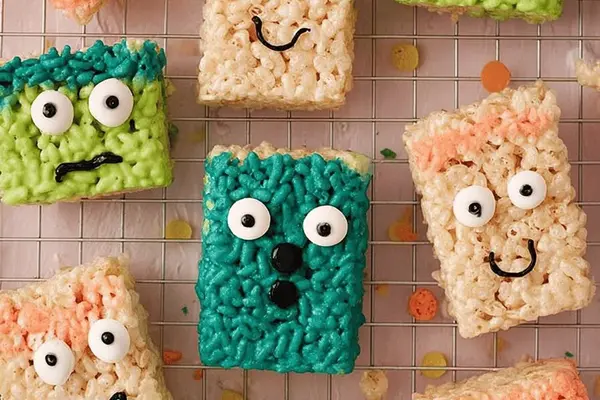
Monster Rice Treats with Candy Eyes
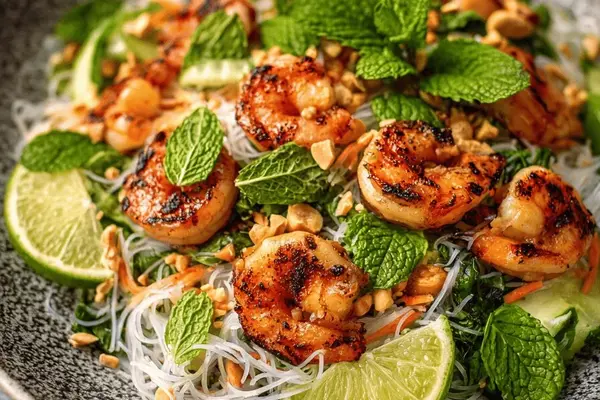
Grilled Shrimp Spring Rolls Salad
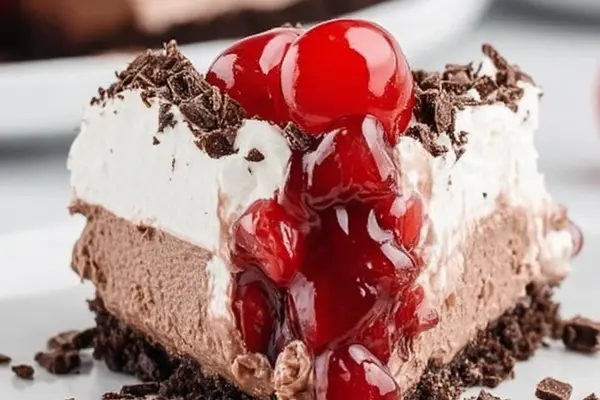
No-Bake Black Forest Cheesecake with Oreo Crust
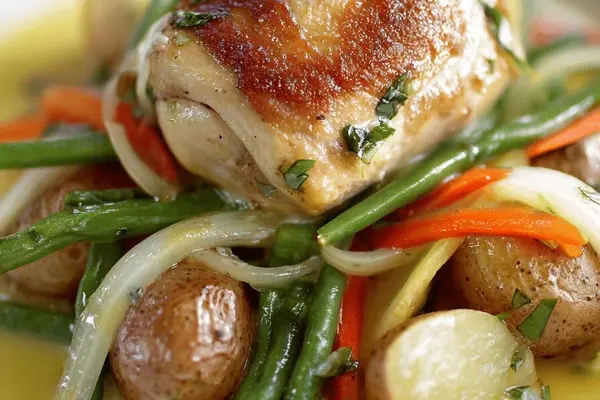
Chicken Roulades with White Wine Butter Sauce
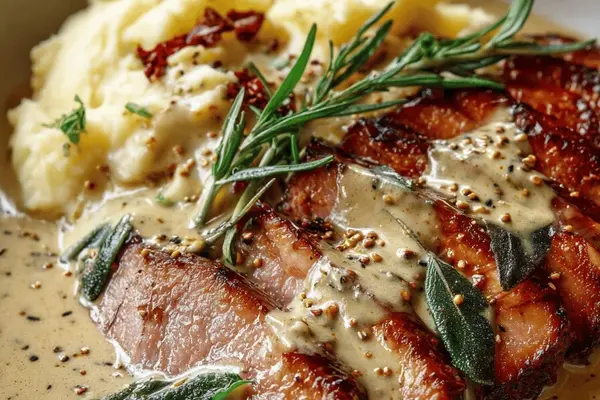
Ham With Apricot Glaze Recipe
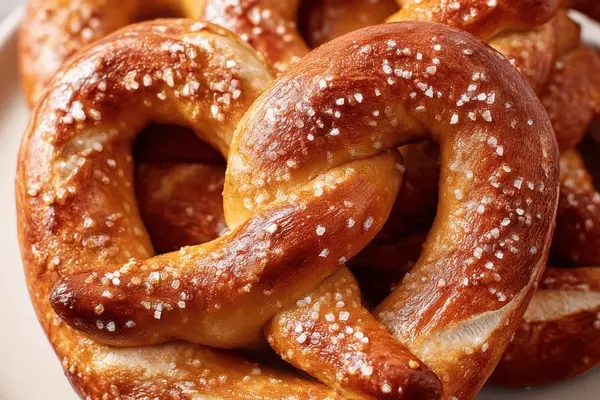
Homemade Pretzels Recipe with Agave Syrup
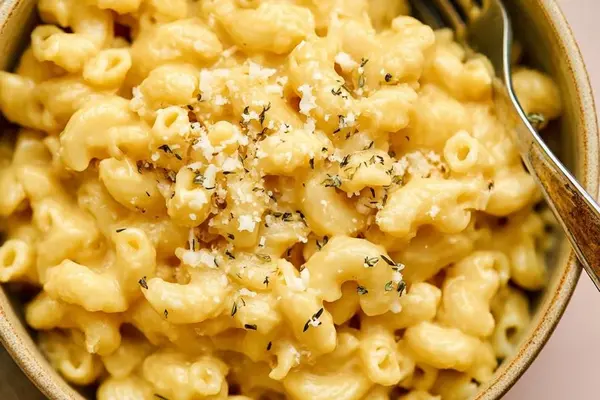
Butternut Squash Mac and Cheese Recipe
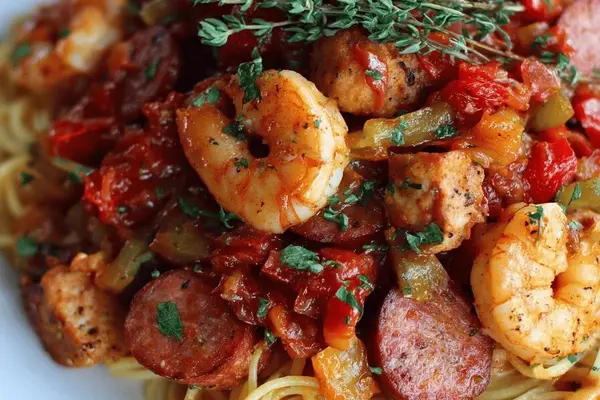
Cajun Chicken Pasta with Shrimp & Andouille

Barbecue Beef Poutine with Crispy Potato Wedges
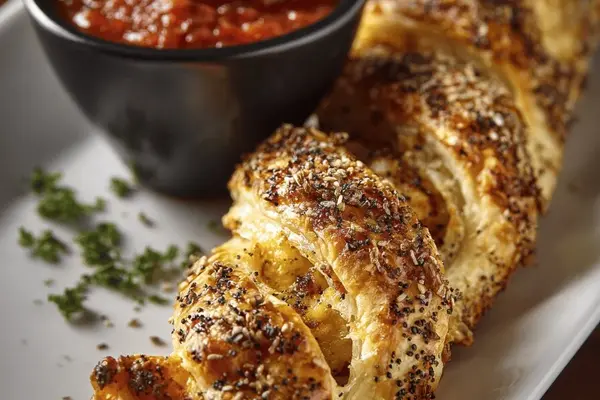
Parmesan Cheese Twists with Puff Pastry
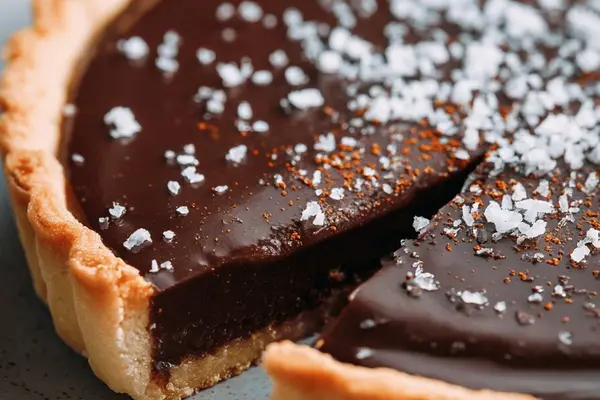
Dark Chocolate Tart with Sea Salt
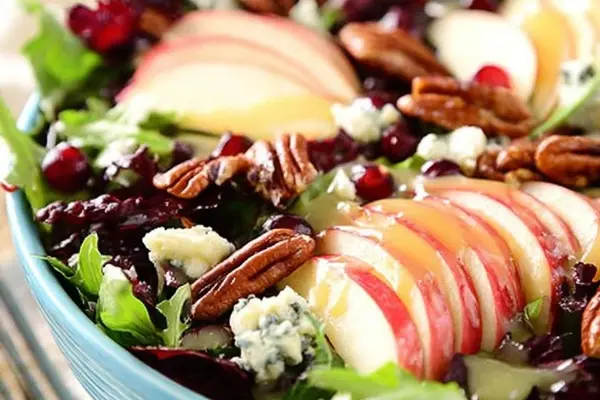
Wendy's Apple Pecan Salad Recipe
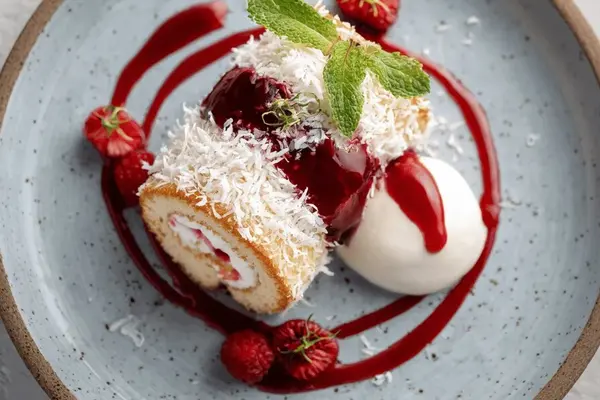
Haskap Berry Billets with Coconut Cream
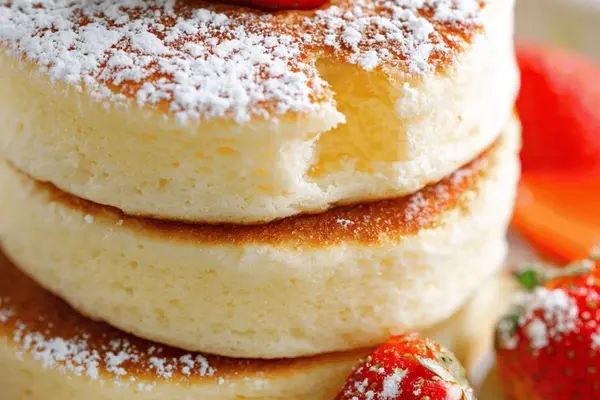
Okonomiyaki: Fluffy Japanese Pancakes
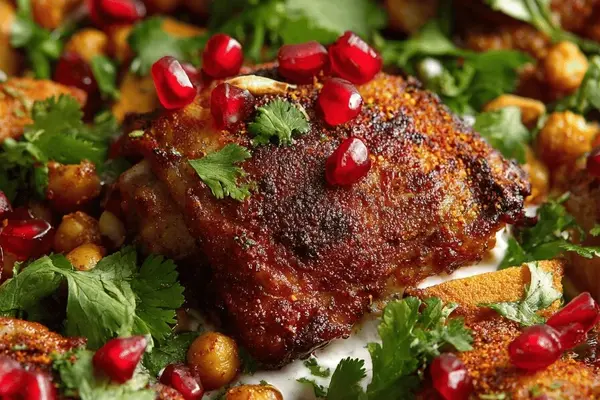
Marinated Chicken With Yogurt & Chickpeas
Cowboy Spaghetti with Bacon & Cheddar
Peanut Butter Reeses Cups Cookies
Sausage Shepherd's Pie with Parmesan
No Bake Donut Cake with Mascarpone Cream