Honey Baked Ham with Brown Sugar Glaze
By Emma
Certified Culinary Professional
·
Recipe tested & approved
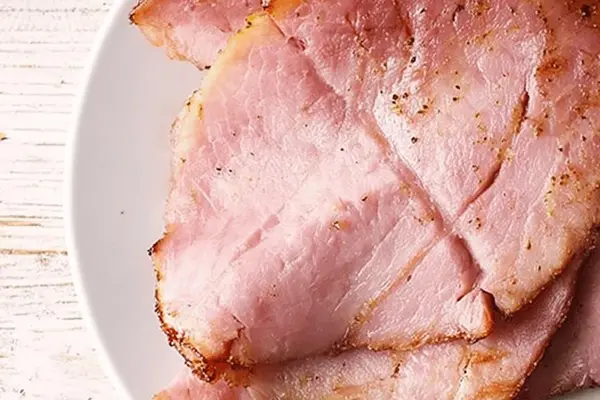
Baked ham glazed with brown sugar, whole grain mustard, molasses, and apple cider vinegar for a tangy-sweet finish. This ham glaze recipe creates a glossy caramelized coating that’s ready in minutes.
Prep:
6 min
Cook:
4 min
Total:
10 min
Servings:
8 servings
Mix the brown sugar, mustard, molasses, vinegar, cayenne, and orange juice in a small saucepan. Heat it over medium until it bubbles—quick, lively bubbling, not sluggish. Watch the edges. They’ll start to thicken and shine. Swirl the pan. No stickiness stuck to the sides. Pull it off heat the second it looks right. That thin glaze consistency is magic here. Too much heat and it hardens into something you can’t use. Pour it over the ham while it’s still warm. Cover it completely. Bake until everything’s bubbling and sending sticky scents through the kitchen.
Why You’ll Love This Honey Baked Ham Recipe
Ten minutes total. Six to prep, four to cook. That’s it. Tastes like you spent way more time than you actually did. The spicy cayenne cuts through all that sweetness—doesn’t let it sit flat on your tongue. Works as an easy dinner side or the whole reason people showed up. Leftover ham works cold too. Cleanup is basically nothing. One saucepan. One bowl to catch drippings.
What You Need for This Brown Sugar Glaze for Ham
Brown sugar. A full cup. Not packed. Just measured. The molasses already in brown sugar is why you don’t need honey—people think you do, but you don’t. Whole grain mustard. The kind with seeds. Not yellow mustard. Not fancy Dijon. The chunky kind keeps texture. Molasses. A tablespoon. This is why the glaze tastes deep instead of just sweet. Swap it for nothing and the whole thing gets thin. Apple cider vinegar. Two tablespoons. White vinegar is too sharp. Apple cider vinegar sits there quietly and makes everything taste like it’s been cooking for hours. Cayenne pepper. Just a quarter teaspoon. Sounds small. It’s not. Tastes spicy the moment it hits your mouth, then the sweetness follows. That’s the whole trick. Orange juice. Quarter cup. Fresh or from concentrate doesn’t matter. It loosens everything up and keeps the glaze from seizing.
How to Make a Brown Sugar and Ham Glaze
Get the saucepan. Medium heat. Dump everything in at once—sugar, mustard, molasses, vinegar, cayenne, juice. Doesn’t matter the order. Stir until the sugar starts breaking down. Two minutes, maybe three. The mixture will look gritty at first. It won’t stay that way.
Watch for the bubbling to get going. Not a slow simmer. Actually bubbling. The edges go shiny first. That’s your signal to pay attention. Keep swirling the pan. No stickiness should stick to the sides. If it does, you’re cooking too hot or too long.
The moment it looks thin and glossy and not stuck anywhere, pull it off the heat. This takes four minutes total from cold pan to done. Don’t wait for it to thicken more. It’ll keep thickening as it cools and turns into something you can’t pour.
How to Get a Honey Glazed Ham That Sticks
Pour the glaze over the ham while it’s still warm. Both need to be warm or the glaze won’t settle right. Cover it completely. Every part of that ham should be covered. Bake until the glaze is bubbling around the edges and the kitchen smells like caramel and spice and ham fat. That’s when you know it’s done.
If you’re feeding a crowd, double the batch. Same timing. Just more glaze. Drizzle extra on when serving—people expect it. The ham itself should already be baked through. This glaze is finishing. It’s making the outside sticky and dark and worth eating around.
If the glaze seizes—gets thick and won’t pour—add a splash of water and stir. Doesn’t take much. Just enough to loosen it. Stir until it flows again. This happens sometimes when you’re not paying attention or if your pan runs hot.
Too bitter? Add a pinch of sugar. Just a pinch. Mid-cook. Stir it in. Taste again if you can. Brown sugar and ham glaze should taste sweet first, then spicy, then deep from the molasses.
Brown Sugar Ham Glaze Tips and Common Mistakes
Don’t overcook it. The glaze hardens. You’ll have a thick, brittle shell instead of something that sticks. Four minutes. Tops. The carryover heat from pouring it hot over hot ham finishes the job.
The bubbling sound changes when it’s done. It goes from angry to lazy. Listen for that shift. It’s more reliable than staring at it.
Leftover glaze keeps in an airtight container in the fridge. Three days, maybe four. Rewarm it gently before you use it again. Don’t microwave it. Use the stove. Medium heat. Stir until it loosens. You’re not cooking it again, just warming it so it pours.
Brown sugar brown sugar—the kind matters. Light brown sugar works. Dark brown sugar works better. The molasses flavor gets deeper. Use what you have.
The orange juice is doing two things. It keeps the glaze from seizing. And it adds a brightness that cuts the spice and sugar at the same time. Don’t skip it. Don’t substitute lemon juice. Orange is better.
Honey Baked Ham with Brown Sugar Glaze
Prep:
6 min
Cook:
4 min
Total:
10 min
Servings:
8 servings
Ingredients
- 1 cup brown sugar
- 2 tablespoons whole grain mustard
- 1 tablespoon molasses
- 2 tablespoons apple cider vinegar
- 1/4 teaspoon cayenne pepper
- 1/4 cup orange juice
Method
- 1 Start by mixing sugar, mustard, molasses, vinegar, cayenne, and orange juice in a small saucepan.
- 2 Heat over medium until the mixture bubbles -- quick, lively bubbling, not sluggish.
- 3 Watch carefully for edges to thicken and shine, swirl the pan; no stickiness stuck to sides.
- 4 Immediately remove from heat to prevent turning into tough caramel. That thin glaze consistency is magic here.
- 5 Pour glaze over ham still warm; cover completely and bake until bubbling and sending sticky scents through the kitchen.
- 6 Double the batch if crowd's large; drizzle extra on when serving.
- 7 If glaze seizes, add splash water, stir until loosened.
- 8 Too bitter? Add pinch extra sugar mid-cook.
- 9 Leftover glaze? Store airtight fridge, rewarm gently before reuse.
Nutritional information
Calories
110
Protein
0.3g
Carbs
29g
Fat
0.05g
Frequently Asked Questions About Honey Baked Ham Recipes
Can I make this glaze ahead of time? Yeah. Pour it into a container, let it cool completely, cover it. It keeps three days in the fridge. Just reheat gently before using. It’ll be thicker when it’s cold. That’s normal. The heat loosens it back out.
What if I don’t have apple cider vinegar? White vinegar works if that’s all you have. It’ll taste sharper. Not as round. Add a tiny bit of honey or extra molasses to balance it. But apple cider vinegar is different enough that I wouldn’t say “it doesn’t matter.” It does.
Do I have to double the recipe for a crowd? Double it if the ham is bigger. One batch covers a standard size. For a large ham, yeah, double it. Or make one batch and drizzle more on when people serve themselves. Both work. Some people like more glaze than others anyway.
Can I use this glaze on other meats? Chicken thighs. Pork chops. Ribs. Sure. The timing changes depending on what you’re cooking. The glaze stays the same. That cayenne works on anything sweet-glazed.
What does the cayenne actually taste like in the final glaze? Not hot exactly. More like a sting that shows up after the sweetness. A quarter teaspoon in a whole cup of glaze—it’s not supposed to be spicy. It’s supposed to make you notice the other flavors more. If it tastes too hot, you used too much. Start with an eighth teaspoon next time.
Does the glaze stay sticky after it cools? It sets up firmer than when it’s hot. Not hard. Just less drippy. When you serve it cold the next day, it’s more of a coating. Some people like that. If you want it drippy again, warm the ham gently before serving. The glaze softens back up.
You’ll Love These Too
Explore all →
Corn On Cob Seasoning with Smoked Paprika
Quick Polenta with Taleggio Cheese Recipe
Butternut Squash Rigatoni Gratin with Leek
Slow Cooker Chicken Tacos with Cream Cheese
Roaster Chicken with Ground Turkey Stuffing
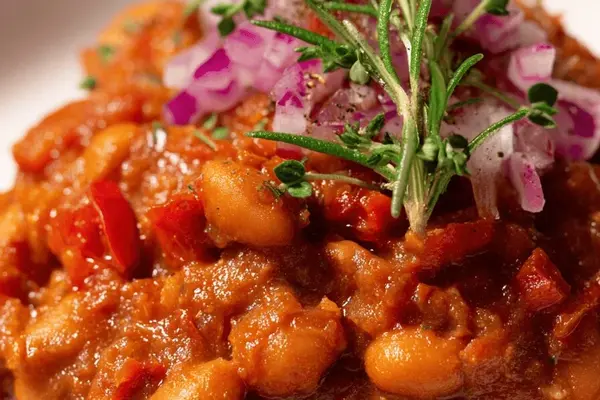
Pinto Bean Chili with Smoked Paprika
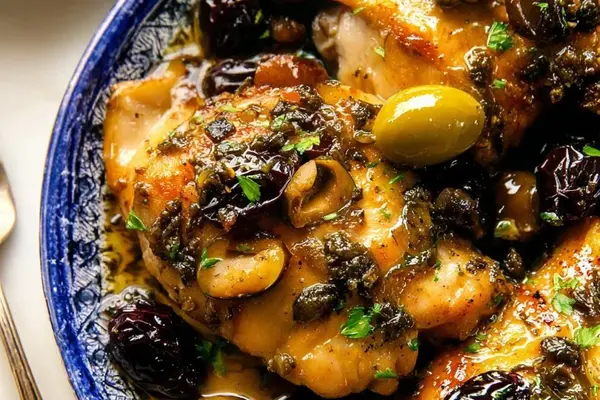
Chicken Marbella Recipe with Olives & Prunes
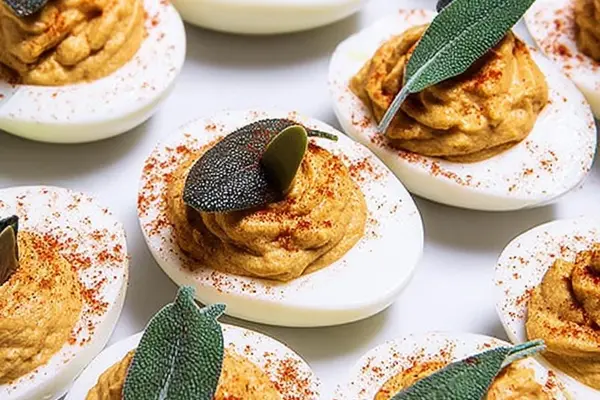
Pumpkin Deviled Eggs with Fried Sage
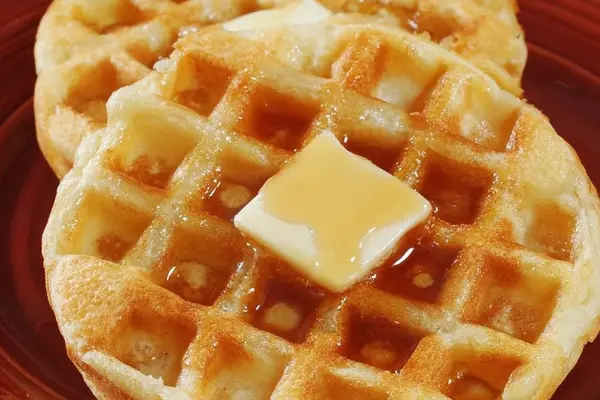
Light Crispy Waffles with Separated Eggs
Dairy-Free Corn Crumble with Lemon Zest

Chicken Tortilla Soup with Crispy Tortilla Strips
Roasted Pork Filets with Cashew Curry Sauce
Ricotta Cream Heart with Lemon & Maple
Iced Almond Lemon Loaf with Yogurt Glaze
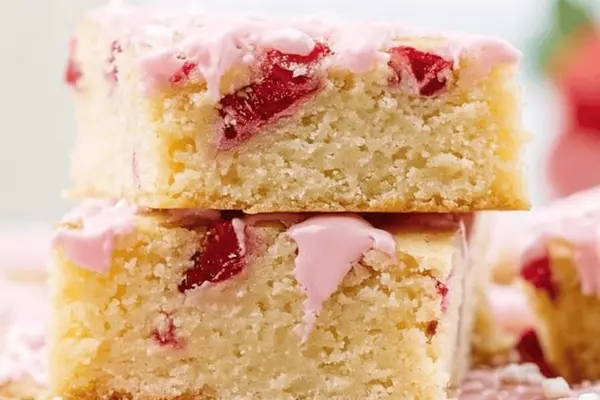
Lemon Dessert Bars with Strawberries
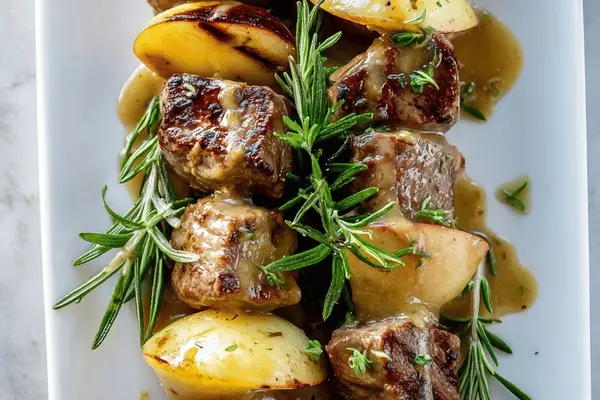
Grilled Lamb Skewers with Honey Mustard
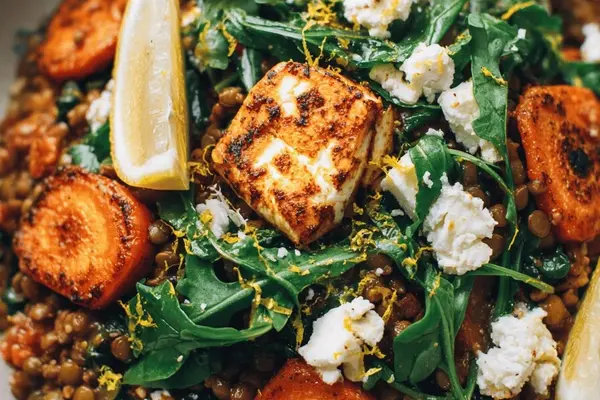
Roasted Carrots Lentil Couscous with Halloumi
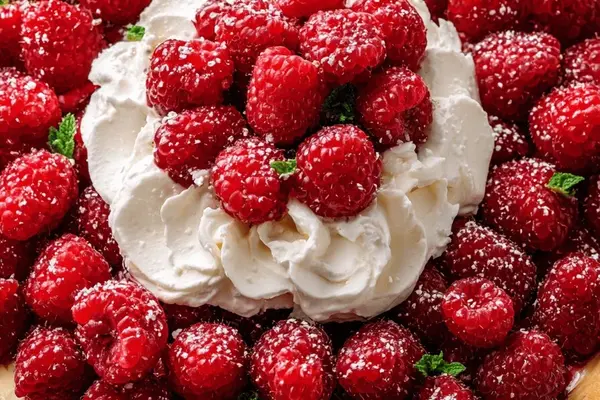
Black Forest Tartlets with Raspberries
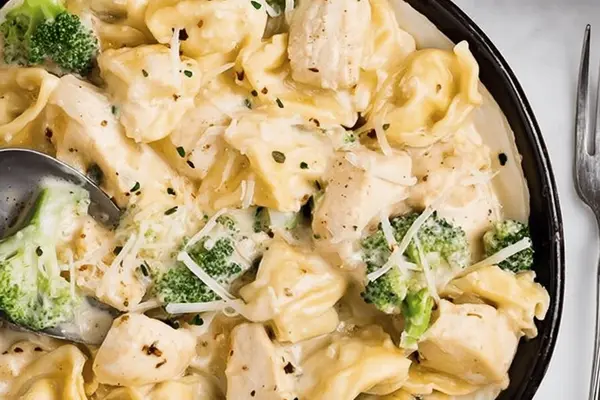
Chicken Broccoli Tortellini with Cheese