Hot Honey Mustard Sauce Recipe
By Emma
Certified Culinary Professional
·
Recipe tested & approved
Pour honey in a saucepan. Red pepper flakes go in next. Then apple cider vinegar and salt. Low heat. That’s it. Takes 20 minutes start to finish, but you’re not actually doing anything—just watching, listening, waiting for the color and smell to tell you it’s done.
Why You’ll Love This Hot Honey Mustard
Four ingredients. You probably have them already. Costs almost nothing to make.
Works on literally everything. Fried chicken. Roasted vegetables. Drizzled over cream cheese with crackers. Swirled into mayo for sandwiches. The heat sneaks up on you—tastes sweet first, then the spice lands in your throat a second later.
Hot honey condiments are everywhere right now. This one takes 5 minutes of actual work. Rest is just standing there.
Stays soft enough to pour. Doesn’t crystallize like regular honey does. The vinegar does something to keep it loose.
Way cheaper than buying it bottled. One small jar costs what a restaurant bottle does. You get the same thing for less.
Not complicated. No fancy ingredients. No technique to mess up.
What You Need for Infused Honey Recipes
Honey. One cup. That’s the whole thing. Use whatever you have—clover, wildflower, doesn’t matter much.
Crushed red pepper flakes. A tablespoon. The kind in the little shaker jar works fine. Fresh chili powder doesn’t work the same way. Stick with flakes.
Apple cider vinegar. Two teaspoons. Not white vinegar—too sharp. Not balsamic either, even though balsamic honey sauce is a whole thing. Apple cider’s the right choice here. It’s softer.
Kosher salt. Half a teaspoon. Coarser. Dissolves different than table salt. Makes a difference in how it tastes when you’re eating it.
That’s it. Four things.
How to Make Hot Honey Mustard
Pour the honey into a small saucepan. Add the red pepper flakes first. Then the vinegar. Then salt. Don’t heat it yet—just get it all in there.
Turn the heat to low. This matters. You’re not cooking honey hard. You’re barely waking it up. Stir it once. Maybe twice. Not constantly. Just enough to get everything mixed in.
Now you wait. 10 to 15 minutes. But forget the timer. You’re listening and watching instead.
The honey starts to loosen. Gets a little thinner. It’ll smell different—less like pure honey, more like there’s something going on with the spice. That smell change is real. You’ll notice it before anything else happens.
The color deepens slightly. Shifts toward amber if it’s not already there. Tiny bubbles might form at the edges. That’s fine. But if it starts actually bubbling—like full bubbling—the heat’s too high. Pull the pan back.
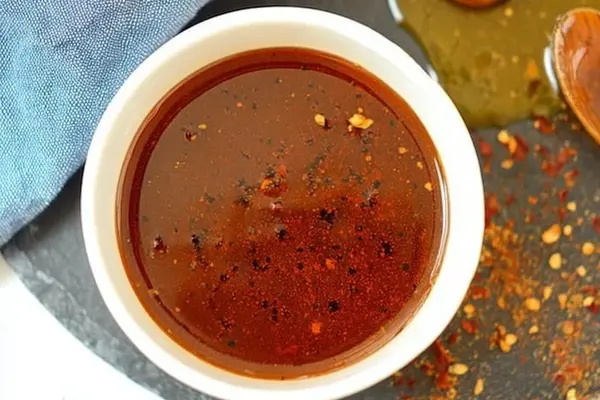
You’re looking for a thick, shiny liquid. Thicker than raw honey but not syrupy. It should move slowly when you tilt the pan. Not fast. Not slow either.
How to Get the Spicy Mustard Sauce Right
Remove it from heat the second it looks right. Don’t wait for another sign. Don’t let it cool in the pan and then reheat it. Off the heat, done.
Let it sit in the pan while it cools. That’s the whole thing. It thickens as the temperature drops. The pepper flakes keep softening. The flavors keep blending.
Once it’s completely cool—actually cool, not just warm—you can strain it if you want. Fine mesh strainer catches the flakes. Keep them if you like texture and a harder hit of heat. Strain them out if you want it smoother. Both ways work.
Pour it into a clean jar. Glass or plastic. Doesn’t matter. Seal it. It lasts months at room temperature. Actually tastes better after a week or two sitting in the jar. The flavors keep talking to each other.
Hot Honey Drizzle Recipe Tips and Common Mistakes
Don’t rush the heat. Low heat the whole time. Medium “low” isn’t low. You want the dial actually low.
Bubbling isn’t the enemy—rolling boil is. Soft bubbles at the edge are fine. Active bubbling everywhere means something’s wrong.
Strain or don’t strain. Both versions last the same. Both taste good. One’s prettier. One’s got more punch.
Once it’s made, shake it before you use it. The flakes settle. Flavors separate slightly. A quick shake brings everything back together.
Don’t refrigerate it. Room temperature keeps it the right texture. Cold makes it thick and hard to pour.
Tastes best on hot food. The warmth wakes up the spice more. Cold food softens it. Not bad, just different.
Hot Honey Mustard Sauce Recipe
Prep:
5 min
Cook:
15 min
Total:
20 min
Servings:
1 cup
Ingredients
- 1 cup honey
- 1 tablespoon crushed red pepper flakes
- 2 teaspoons apple cider vinegar
- 1/2 teaspoon kosher salt
Method
- 1 Pour honey, crushed red pepper flakes, apple cider vinegar, and kosher salt into a small saucepan.
- 2 Set stove to low heat. Stir the mix occasionally; watch as the honey loosens but don’t let it bubble or simmer - bubbles mean too hot.
- 3 Listen for soft bubbling sounds to pause; if it crackles, pull back heat. About 10-15 minutes here, but trust sensory cues not the clock.
- 4 Look for thick, shiny texture that flows easier than raw honey. Aroma will shift from pure honey sweetness to a spice-kissed scent.
- 5 Remove pan from heat. Let cool completely in the pan; it thickens as it drops in temperature.
- 6 Optional: Strain through fine mesh strainer to catch pepper flakes, or keep them for a rustic look and punch.
- 7 Transfer to a clean jar or bottle. Seal and store at room temp. Shake before every use to redistribute flavors.
Nutritional information
Calories
80
Protein
0g
Carbs
21g
Fat
0g
Frequently Asked Questions About Hot Honey Mustard
Can I use a different type of vinegar in this balsamic honey sauce? Apple cider vinegar’s the move here. White’s too sharp. Balsamic vinegar and honey sauce is something totally different—sweeter, rounder. Stick with apple cider for this one.
How long does it actually keep? Months. Room temperature. Probably longer but mine doesn’t last that long. Shake it every time or the flakes drift to the bottom.
What happens if I use fresh chili instead of red pepper flakes? Different thing. Flakes are dried and concentrated. Fresh chili adds moisture and a fresher heat. Works, but doesn’t keep the same texture. Flakes are easier.
Can I make this hotter? Yeah. Add more flakes. Start with a tablespoon and a half next time. Some people do two tablespoons. Gets pretty aggressive.
Why does mine look separated? That’s fine. The flakes sink. The honey floats slightly. Shake it. It comes back together. That’s why you shake before using.
Will this work as a spicy mustard sauce for chicken? Yes. Absolutely. Brush it on while it’s hot. Drizzle it after cooking. Both work. The heat sticks better to warm food.
You’ll Love These Too
Explore all →
Cranberry Chocolate Pull-Apart Bread
Sprinkle Cup Cakes with Orange Frosting
Cheesy Arepas with Cotija & White Cheddar
Grilled Beef Fillet with Garlic Butter Mushrooms
Creamy Onion Soup with Gruyère & Sourdough
Crispy Chicken with Chili Garlic Sauce
Creamy Italian Beef Pasta with Provolone
Jerk Chicken Cornmeal Pizza with Chipotle

No Bake Horse Cookies with Milano & Nilla Wafers
No Bake Cheesecake with Strawberries
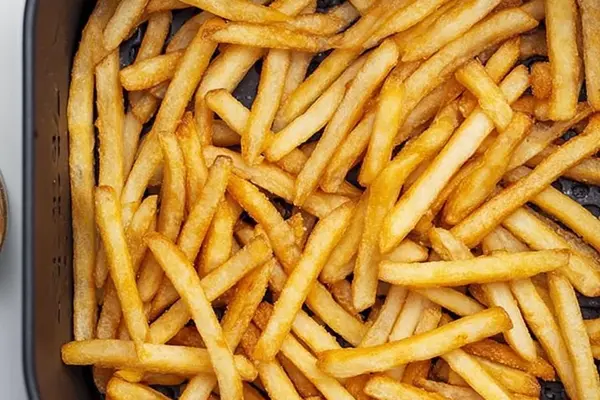
Crispy Air Fryer Frozen Fries Recipe
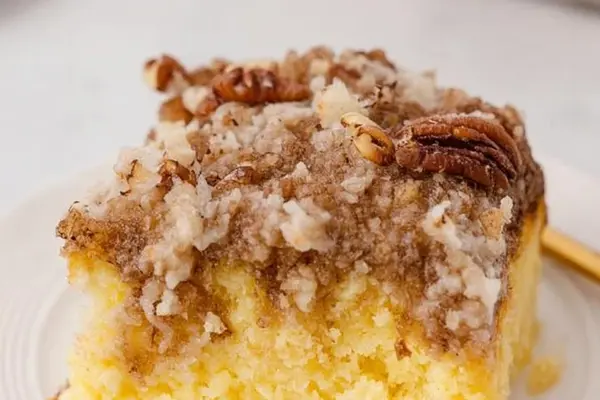
Pineapple Cake with Pecans and Coconut
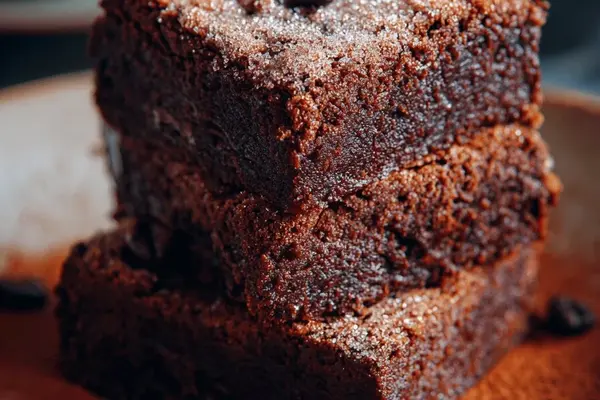
Black Bean Brownies with Apple Butter
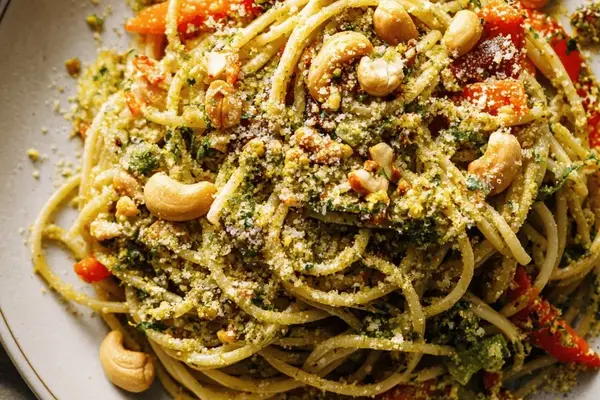
Nutritional Yeast Substitute: Cashew Parmesan
Barbecue Beef Poutine with Crispy Potato Wedges
Mozzarella Stuffed Chicken with Cream Sauce
Seafood Paella with Spaghetti Squash
Air Fryer Salmon with Chipotle-Lime Glaze
Slow Cooker Chili with Ground Turkey