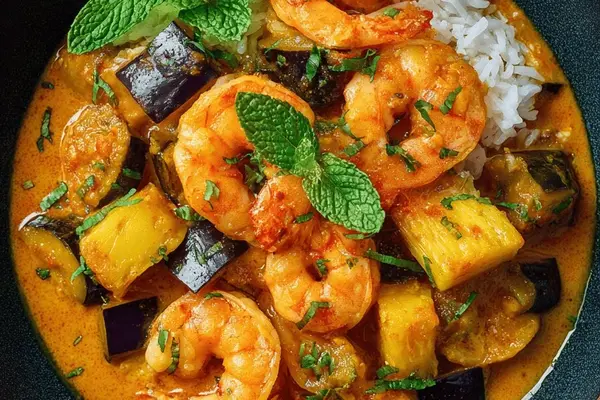
Shrimp in Coconut Curry with Eggplant
By Emma
Certified Culinary Professional
·
Recipe tested & approved
Heat’s up and the oil’s rippling—shrimp hitting the pan in 20 minutes if you move straight through it. Had a block of eggplant and half a can of coconut milk. This happened. Spicy. Bright. Done in 70 minutes total, most of that just simmering while you do something else.
Why You’ll Love This Shrimp Curry
Takes 50 minutes of actual cooking but feels like you spent hours on it. The kind of dish where people ask for the recipe and don’t believe you when you say it’s simple.
Works cold the next day—maybe better. Coconut milk gets deeper. Flavors sit overnight and stop fighting.
One pan. One serious pan. Cleanup isn’t nothing, but it’s fast and there’s only one thing to wash.
Spicy without being mean about it. Green peppercorns give you heat that doesn’t scream. Shrimp curry done right should make you sweat a little, not cry.
Pineapple in there sounds weird. Isn’t. Cuts the richness and adds this brightness that coconut and curry actually need.
Works for weeknight dinner or when people are coming over. Looks like you know what you’re doing.
What You Need for Coconut Curried Shrimp
Red onion, chopped fine. Not white. Red stays sweeter and doesn’t disappear into the sauce.
Avocado oil. Two tablespoons. High smoke point matters here—regular oil burns. If that’s all you have, fine, watch it closer.
Eggplant. Medium one, cut into cubes. Not too small or they turn to mush. Not too big or they don’t cook through. About the size of dice, basically.
Shallots. Two of them, minced. They go in later than you’d think. Slower to burn, sweeter than garlic.
Red curry paste and tomato paste. A tablespoon each. Curry paste is spicy by itself—don’t add more unless you’re sure. Tomato paste just deepens things.
Curry powder mixed with smoked paprika half and half. One tablespoon total. The smoked paprika does something here. Regular paprika doesn’t.
Fresh ginger. Two teaspoons, grated. Not powdered. Not a ginger paste. Actual fresh ginger.
Green peppercorns in brine. One teaspoon, drained. These aren’t hot like black pepper. They’re kind of fruity and mild. Hard to find but worth it. If you can’t locate them, the curry still works. Just less interesting.
Coconut milk. Full can, 14 ounces. Not lite. Not from a carton. The canned stuff. It separates and thickens the sauce.
Salt. Half a teaspoon early. You’ll taste and adjust.
Shrimp. 675 grams, 31 to 40 count. That’s medium-large. Deveined already. Don’t use tiny shrimp or frozen ones that’ve been thawed a month. They disappear.
Pineapple. Rough chop, about a cup. Fresh is better. Canned works if it’s in juice, not syrup. Drain it.
Lime. One. Just the juice. Squeeze it at the end.
Fresh mint leaves. A small handful. Not a lot. Just for garnish at the very end.
Cilantro optional. Some people love it here. Some don’t. Your call.
How to Make Shrimp Curry With Coconut
Get the oil hot first. Medium-high heat, let it ripple and almost smoke. That takes maybe three minutes. You’ll see it moving differently—that’s when you know.
Throw the red onion in. Stir it around. You’re watching for the edges to get color while the insides go translucent. Takes about five minutes. Don’t leave it sitting—stir. And don’t let it go soggy. That’s not sweet, that’s wet.
Add the eggplant cubes once the onion’s got faint brown spots. Keep stirring. Eggplant takes its time—about ten minutes until it’s soft but still holds its shape. If it sticks to the pan, splash a little water. Just a splash.
Shallots go in now, spread them around. Let them sit for a minute before you stir again. They sweeten slower than garlic, which is exactly what you want here.
The curry paste and tomato paste go in next. Stir this into the oil and vegetables. This is when the smell gets serious. Keep stirring for three or four minutes. The spices are blooming in the heat. You want that smell to get thick in the air. That’s how you know it’s working.
Add the peppercorns. Mash a few lightly with the back of your spoon—not all of them, just some. That releases the flavor. Keep stirring. Still three or four minutes.
How to Get Shrimp Curry Perfectly Thick and Balanced
Pour in the coconut milk. Scrape the bottom of the pan hard—all those sticky bits, that’s flavor stuck to the pan. It comes up into the milk and everything gets better.
Bring it down to a gentle simmer. Not boiling. Not violent bubbles. Just a steady slow ripple moving across the surface. Salt it now. Half a teaspoon. Taste later.
Cover it loosely and let it simmer for 15 to 20 minutes. The eggplant soaks up coconut cream. The curry thickens on its own without you doing anything. This is when you can step away. Do something else. Come back.
If it gets too thick—and it might—add water or a splash more coconut milk. A tablespoon at a time. Don’t go crazy. Thin as you add, not the other way.
Shrimp and pineapple go in at the same time. Stir just enough to cover them in the sauce. Turn the heat up slightly so it’s barely bubbling again.
Five to six minutes is all shrimp needs. Watch for the color to go from gray to pink and opaque. Watch for the tails to curl slightly. Don’t wait for them to curl tight—that means they’re done and getting tougher. Pineapple softens just a little but keeps its shape.
Pull it off the heat. Squeeze lime juice over the whole thing. Generously. The acid cuts the richness and wakes everything up.
Tear mint leaves and drop them on top. Cilantro too if you’re using it. Serve hot in bowls.
Shrimp Curry Tips and Common Mistakes
The oil temperature actually matters. Too cool and the onion steams instead of caramelizes. Too hot and it smokes before the shrimp even gets in. Medium-high is the sweet spot.
Don’t skip the bloom step with the curry paste and spices. That three or four minutes of stirring is when the magic happens. Tastes like you spent hours on it if you do this right.
Coconut milk separates when it boils hard. You get grainy texture instead of sauce. Keep the simmer gentle. If it starts getting lumpy, turn the heat down immediately.
Shrimp cooks fast. Five to six minutes. Set a timer or you’ll walk away and come back to rubber. Not worth it. They go from perfect to overdone in about one minute.
You can swap eggplant for zucchini if eggplant’s not around. Zucchini breaks down faster and makes the curry wetter, but it still works. Won’t be quite the same but edible.
Avocado oil’s preferred for the smoke point and that subtle nutty note. Vegetable oil works fine if that’s what you have. Just watch it closer.
Green peppercorns are nice but not essential. The curry’s still good without them. You lose a layer of flavor and heat. If you can’t find them, don’t stress.
Mint versus cilantro changes the whole mood. Mint’s brighter, more herbal. Cilantro’s green and sharp. Use one or the other. Not both usually.
Taste before you serve. The salt from earlier might not be enough depending on your shrimp and how much liquid evaporated. Add more if needed. Don’t guess. Taste it.
Shrimp in Coconut Curry with Eggplant
Prep:
20 min
Cook:
50 min
Total:
70 min
Servings:
4 servings
Ingredients
- 1 red onion chopped fine
- 30 ml avocado oil (2 tbsp)
- 1 medium eggplant cut into cubes
- 2 shallots minced
- 30 ml red curry paste (2 tbsp)
- 15 ml tomato paste (1 tbsp)
- 15 ml curry powder mixed with smoked paprika 1:1 (1 tbsp total)
- 10 ml fresh grated ginger (2 tsp)
- 5 ml drained green peppercorns in brine (1 tsp)
- 398 ml canned coconut milk (14 oz)
- 2.5 ml salt (1/2 tsp)
- 675 g deveined shrimp 31-40 count
- 150 g pineapple chunks roughly chopped (1 cup)
- 1 lime for juice
- Fresh mint leaves handful
- Cilantro optional for garnish
Method
- 1 Heat oil over medium high til rippling and almost smoking; toss in chopped onion. Stir, sweat out moisture until edges just start coloring, about 5 minutes. Look for translucence with faint brown spots. No sogginess here—dry heat vital for flavor base.
- 2 Add eggplant cubes; cook stirring often. Eggplant absorbs plenty and softens but stays intact, about 10 minutes. You want a tender bite, not mush. If sticks, add splash water. Throw in minced shallots now, distributing evenly. Garlic too easy to burn, shallots slow sweet sweetness here.
- 3 Stir in red curry paste, tomato paste, curry powder-smoked paprika mix. Let spices bloom in oil. Aroma should thicken in air; peppercorns next. Distribute green peppercorns, mashing some lightly to release mild heat. Stir continuously for 3-4 minutes, no hurry.
- 4 Pour in coconut milk, scrape all sticky bits. Bring down to gentle simmer—not boiling frantic bubbles but steady slow convection ripples. Salt now. Cover loosely, simmer 15-20 minutes. Eggplant will soak coconut cream flavors while curry thickens naturally. If too thick, add splash water or coconut milk.
- 5 Add shrimp and pineapple chunks carefully. Stir just enough to cover. Heat to barely bubbling simmer again; shrimp cook fast—about 5-6 minutes. Watch for pink turning opaque, tails curling but not tight, overcooking shrinks. Pineapple should soften slightly but not dissolve.
- 6 Pull from heat. Squeeze lime juice over everything generously. Lift with fresh mint leaves to garnish, adding lifted brightness and herbal zing contrasting curry depth. Cilantro optional for those who like that extra bite. Serve hot in bowls, no fuss.
- 7 Tips: swap eggplant back to zucchini if watery curry unwanted but expect softer texture. Avocado oil preferred for high smoke point and nutty note; vegetable oil can substitute. Skip peppercorns if unavailable but lose subtle punch. Mint versus cilantro changes personality entirely. Adjust simmer heat to avoid cracked coconut milk texture—lumpy curry is a sign of too aggressive boiling.
Nutritional information
Calories
350
Protein
30g
Carbs
12g
Fat
18g
Frequently Asked Questions About Shrimp Curry
Can I make this shrimp curry recipe ahead of time? Yeah. Make it all the way through, cool it, store it. Lasts four days in the fridge. Reheat gently on the stove—low heat, stir it, don’t microwave. Flavors actually deepen sitting overnight. Mint and lime go on fresh when you serve it again.
What if I can’t find green peppercorns for this prawn curry? Skip them. The curry’s still good. You lose some subtle heat and a weird fruity note, but it’s not like the whole dish falls apart. Haven’t found a perfect substitute honestly. Just accept the loss.
How spicy is this coconut shrimp curry? Spicy but not cruel. Red curry paste does most of the heat. If you’re sensitive, use less—start with a tablespoon and a half instead of two. Taste it before the shrimp goes in and fix it then. Can’t take heat out once it’s in. Green peppercorns add almost no heat, more flavor.
Can I use frozen shrimp for this curried prawn dish? Technically yes. Thaw them completely first. Pat them dry. The problem is frozen shrimp that’s been thawed tends to lose texture. They get a little watery. Fresh is better. If frozen’s all you have, it still works but accept they’ll be softer.
What do I serve with this coconut prawn curry? Rice. White rice, jasmine, whatever. The sauce is the point—you want something to soak it up. Some people do noodles. Some do flatbread. Doesn’t matter as long as you’re mopping liquid. Eat it alone too. People do that.
Is there a substitute for pineapple in this goan shrimp curry? Mango works. Papaya works. They add sweetness and brightness the same way. Fresh is better than canned. The idea is something that cuts the richness. Pineapple’s just the easiest. Could also add nothing and the curry’s fine—just heavier.
Can I double this curry and shrimp recipe? Yeah, multiply everything. Takes longer to simmer but nothing changes fundamentally. The 15 to 20 minute simmer might stretch to 25 if you’re doubling. Watch for thickness and adjust liquid as you go. Shrimp still takes five to six minutes no matter the quantity.
You’ll Love These Too
Explore all →
Cherry Tomato Pasta Sauce Recipe
Quinoa Salad with Roasted Sweet Potato
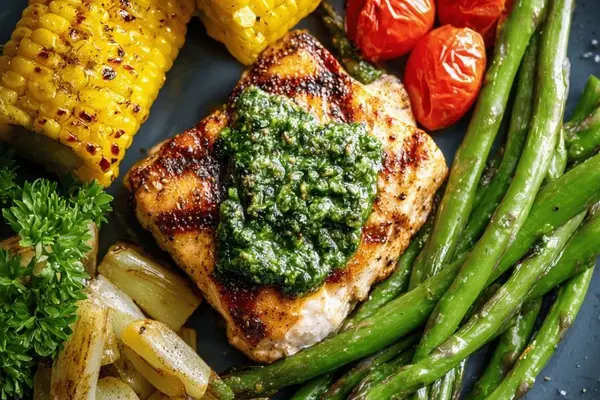
Herb Oil for Corn with Avocado Oil
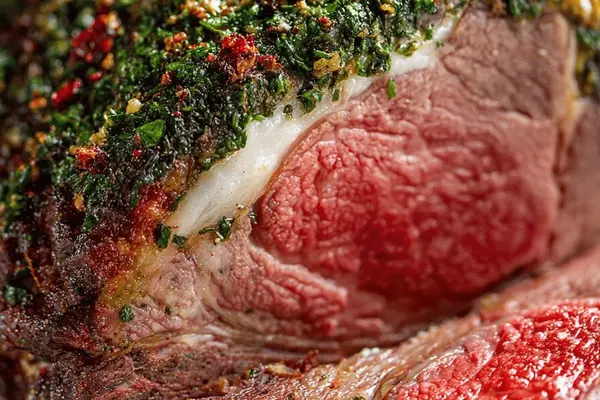
Herb Crusted Beef Roast with Smoked Maldon
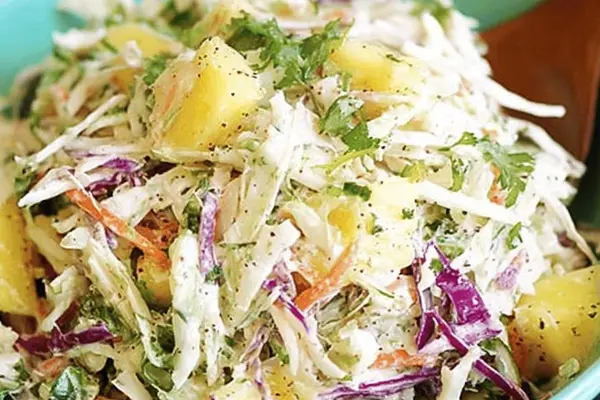
Pineapple Cilantro Slaw with Creamy Mayo
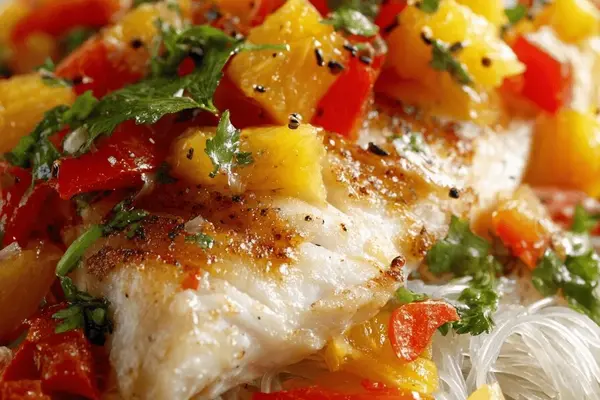
Grilled Tilapia with Pineapple Salsa
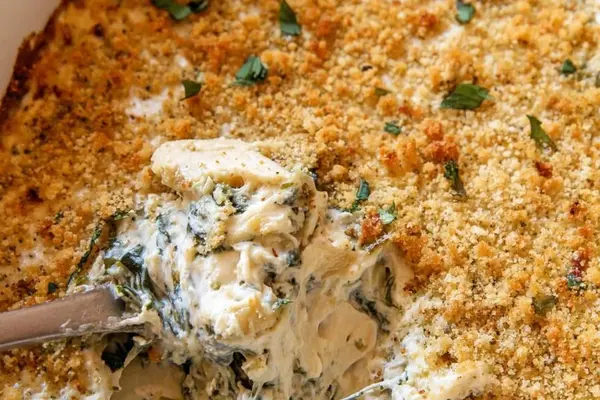
Spinach Artichoke Dip Recipe with Panko Crust
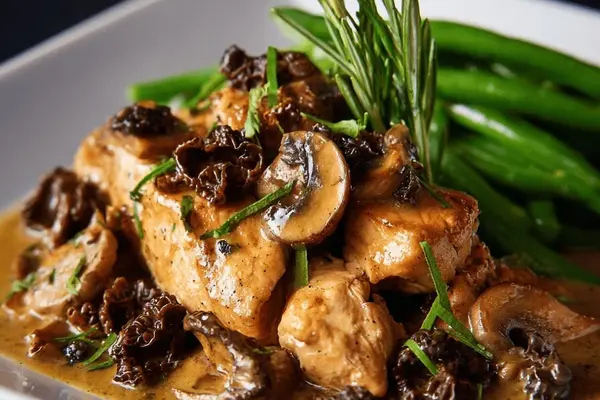
Fried Morels: Chicken with Whisky Cream

Raspberry Cheesecake Cookies with Milk Chocolate

Rhubarb Elderflower Cake with Jam Glaze
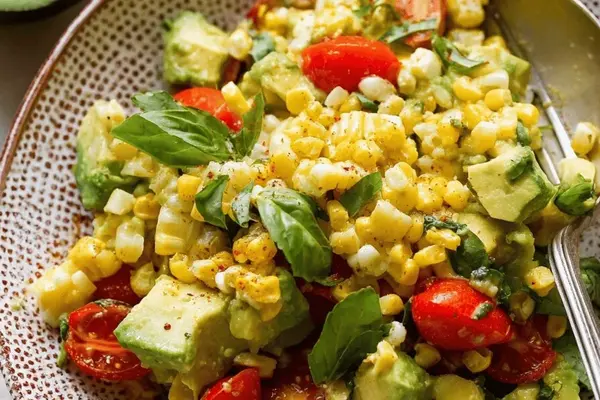
Avocado Corn Salad with Lime Dressing

Brookies Recipe: Chocolate Chip Cookie Brownie

Crustless Spinach Quiche with Roasted Tomatoes

Coffee Caramel Macarons with Hazelnut

Red Velvet Powdered Cookies with Cake Mix
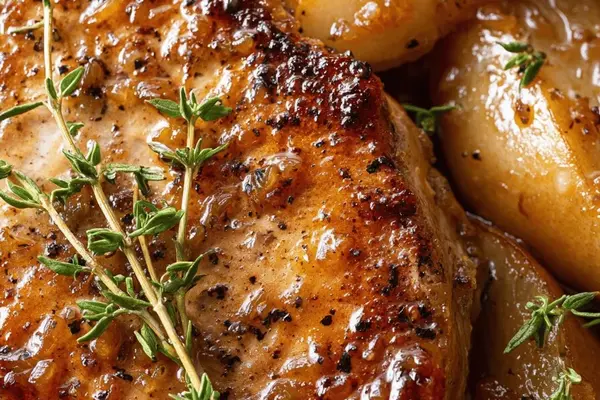
Pork Chops With Pears: Honey Maple Glazed
Jasmine Tapioca Kiwi Dessert with Coconut Cream

Peach Mozzarella Salad with Burrata & Harissa

Cabbage Rolls with Ground Beef & Rice