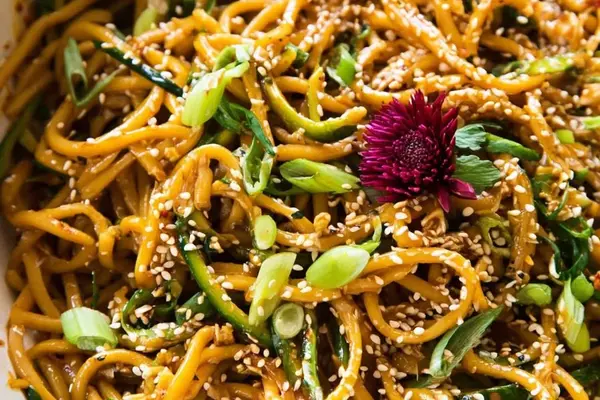
Chinese Pasta Noodles with Chili Oil
By Emma
Certified Culinary Professional
·
Recipe tested & approved
Chinese pasta noodles tossed in smoky chili oil with soy-honey dressing, peanuts, and sesame seeds. Fresh cilantro and green onions add brightness to this quick, adaptable noodle dish.
Prep:
18 min
Cook:
12 min
Total:
30 min
Servings:
8 servings
Boil salted water, dump the noodles in until they’re almost soft—not quite al dente. That’s the whole thing. Drain them, toss them around in a big bowl so they don’t glue together, and you’re halfway there. The sauce is where this gets good.
Why You’ll Love This Chinese Noodle Dish
Takes 30 minutes total. Seriously. Spicy, nutty, sesame everything — peanut noodles that actually taste like something instead of nothing with sauce on top. Cold works just as well as hot. Make it at night, eat it the next day. Flavors get even better. One bowl. One saucepan. That’s cleanup. Works for weeknight dinner or dumping on a plate for lunch. No sides needed. The peanuts and cilantro are already there.
What You Need for Chinese Pasta Noodles
Spaghetti. Or any noodle, honestly. Ramen, angel hair, whatever sits in your cabinet. Just nothing thick like bucatini.
Sesame oil and walnut oil — together, not one or the other. Sesame alone tastes flat. Walnut adds something.
Soy sauce. Not the light stuff. Regular soy. ½ cup sounds like a lot. It’s not.
Honey. Three tablespoons. Balances the salt and the heat without making it taste sweet.
Chili garlic sauce. Two tablespoons. The jarred kind from the Asian aisle. Sriracha doesn’t cut it here.
Rice vinegar. Sharp but gentle. White vinegar is too aggressive. Apple cider works in a pinch.
Red pepper chili flakes. A teaspoon. Just enough to make your mouth go warm, not burn-down-the-house hot.
Roasted peanuts. Roughly chopped. Not peanut butter. The actual nuts. They stay crunchy.
Fresh cilantro, green onions, toasted sesame seeds. The whole thing falls apart without these. They’re not optional. Not really.
Cornstarch slurry — one tablespoon cornstarch mixed with one tablespoon water. Optional. Skip it if you like the sauce loose. Use it if you want something clingy.
How to Make Chinese Noodles
Get the noodles going first. Salted water, boiling hard. Drop them in and stir once so they don’t clump. You want them just under al dente — still a tiny bit firm in the middle. Pull them out before they’re totally soft. Drain them. Toss them around in a big bowl so they don’t stick to each other. That’s it. Set them aside.
Now the sauce. Heat both oils together in a saucepan over medium. Just warm. When it’s hot enough, flick in the red pepper flakes. You’ll hear them pop a little. That’s good. That means they’re toasting. Keep stirring them so they don’t burn into something bitter and harsh. Usually takes 3 to 4 minutes. Smell it. When the aroma goes from sharp to warm and almost sweet, you’re there.
Turn the heat down to low. Pour in the soy sauce, honey, chili garlic sauce, and rice vinegar. Stir it around. Watch for tiny bubbles at the edges. That’s it. You want a low simmer, not a rolling boil. A rolling boil will scorch everything and you’ll start over.
The sauce should smell like something between salty, spicy, and sweet all at once. If you want it thicker — like it clings to the noodles instead of pooling at the bottom — whisk in the cornstarch slurry now. Do it slowly. Stir while you pour. It thickens fast. Stop before you think you need to. You can always add more. Too much and the noodles get gummy and weird.
How to Get the Perfect Coating on Asian Noodles
This is the part where it actually comes together. Dump the noodles into the sauce. Use tongs or chopsticks. Toss them hard. Really hard. You want every strand touching sauce, not a pile of noodles with sauce underneath. It takes a minute. Keep going. You’ll feel it — the noodles go from stiff to slippery. That’s when it’s coated right.
Fold in the peanuts, cilantro, green onions, and sesame seeds. Don’t dump them all at once. Toss as you go. You want the nuts to stay crunchy. If you stir them in too early they get soft and the whole thing tastes different. So fold, toss, fold again. Taste it. If it needs salt, more soy. If it needs heat, more chili sauce. If it needs something sweet, a tiny drizzle of honey. Not a tablespoon. A drizzle.
Chinese Noodle Recipes — Tips and Common Mistakes
Don’t overcook the noodles at the start. They keep cooking when they sit in the hot sauce. Under al dente is the move.
The oils matter. Both of them. You could skip walnut oil and use more sesame, but — the walnut keeps it from tasting one-note.
If the sauce is too thick after 10 minutes, it was cooked too hot or you added too much cornstarch. Won’t hurt anything. Just gets clingy. Keep that in mind next time.
Peanut noodles are supposed to taste spicy and rich and a little funky from the sesame. If it’s tasting flat, you probably need more soy or more chili sauce. Salt and heat fix almost everything.
Cold tastes different than hot. The flavors mellow out. The crunch stays. Some people like it better cold. Try both ways.
Green onions and cilantro aren’t toppings. They’re part of it. The dish needs them or it’s just peanut sauce on noodles. Trust it.
Chinese Pasta Noodles with Chili Oil
Prep:
18 min
Cook:
12 min
Total:
30 min
Servings:
8 servings
Ingredients
- 12 oz spaghetti or noodles of choice
- 1 tbsp sesame oil
- 1 tbsp walnut oil
- 1 tsp red pepper chili flakes
- ½ cup soy sauce
- 3 tbsp honey
- 2 tbsp chili garlic sauce
- 1½ tbsp rice vinegar
- 1 tbsp cornstarch + 1 tbsp water (optional slurry)
- ½ cup roasted peanuts, roughly chopped
- ½ cup fresh cilantro leaves
- 4 green onions, sliced
- 1 tbsp toasted sesame seeds plus extra for garnish
Method
- 1 Boil salted water — noodles in until just shy of al dente; drain promptly, toss in large bowl to avoid sticking.
- 2 Heat sesame and walnut oils in saucepan over medium — flick in red pepper flakes. You want gentle popping sounds, a subtle burst of aroma. Keep stirring so flakes toast evenly, not burn bitter; usually 3–4 minutes.
- 3 Drop heat to low and pour in soy, honey, chili garlic sauce, and vinegar. Stir, tiny bubbles appearing at edges; simmer lightly to marry flavors. Watch closely so it doesn't boil hard and scorch.
- 4 If you like sauce thicker, whisk cornstarch slurry in slowly, watching it thicken and turn glossy; add gradually, no lumps. Any thicker and the noodles get gummy, so stop early unless you love that style.
- 5 Dump noodles into sauce, tossing vigorously to coat evenly. Use tongs or chopsticks to feel slippery strands coated—not drowned.
- 6 Fold in peanuts, cilantro, green onions, sesame seeds. Toss again. Not just looks—listen, smell, feel. Peanuts retain crunch, herbs fresh and alive.
- 7 Garnish extras for serving. Taste test for salt, heat, sweetness—adjust soy or chili sauce if dull.
- 8 Serve warm straightaway or chill in fridge for cold slaw vibe. Both work; cold makes flavors mellow but keeps texture punchy.
Nutritional information
Calories
320
Protein
9g
Carbs
40g
Fat
14g
Frequently Asked Questions About Chinese Noodles Recipe
Can I use a different kind of noodle? Yeah. Ramen, rice noodles, angel hair—whatever. Just not something super thick. The sauce doesn’t coat thick noodles the same way.
What if I don’t have sesame oil? Don’t skip it. It tastes completely different without it. If you really don’t have it, use more walnut oil and it’s fine. Not ideal. Fine.
Is this actually a ramen noodle recipe? Not really. It’s an easy noodle recipe that works with ramen, but ramen is too delicate for the sauce. Gets mushy.
Can I make this as a cold noodle dish ahead of time? All of it. Mix everything the night before. It’s better the next day. The flavors settle in and the peanuts stay crunchy somehow. Might need to add a splash of water when you eat it since the noodles absorb sauce overnight.
How spicy is this? Medium. Your mouth gets warm. Nothing explosive. If you hate heat, cut the chili flakes to half a teaspoon and use less chili garlic sauce.
What do I do if the sauce breaks or gets lumpy? Usually means you cooked it too hot or added cornstarch too fast. It’s fine. Just eat it. Next time go slower. The lumpiness is just starch. Tastes the same.
Can I make this as a ramen noodle dish with broth? You’re making something different at that point. This one’s meant to be noodles coated in sauce, not swimming in liquid.
Does this work as an asian food recipe for meal prep? Perfect for it. Make it Sunday, eat it all week. Cold or reheated. Peanut noodles keep longer than you’d think. Just stir it when you eat it.
You’ll Love These Too
Explore all →
Chocolate Pine Tree Cake with Buttermilk
Almond White Hot Cocoa Recipe
Creamy Mushroom Sauce with Parmesan
Dan Dan Pork Noodles with Sesame Sauce
Vegan Pie Crust with Vegan Butter
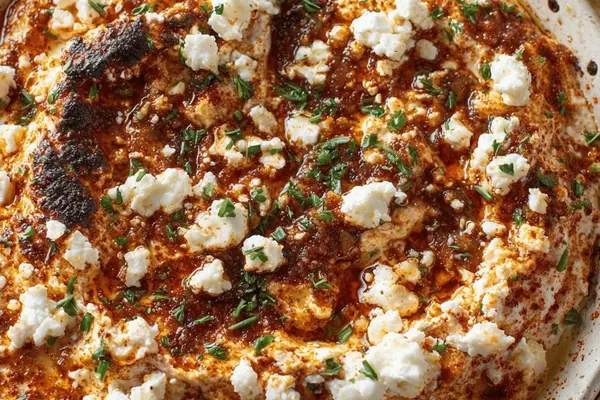
Caramelized Onion Dip with Feta & Cream Cheese
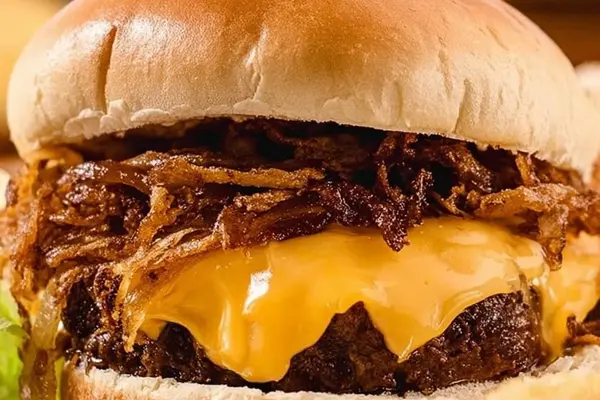
Oklahoma Onion Smash Burger Recipe

No Bake Cheesecake with Strawberry Oreos
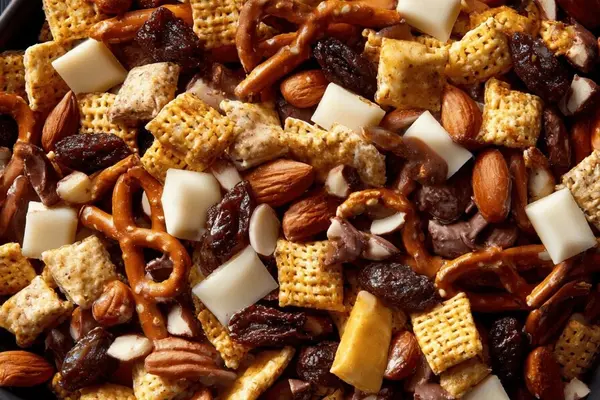
Oatmeal Peanut Butter Balls Recipe
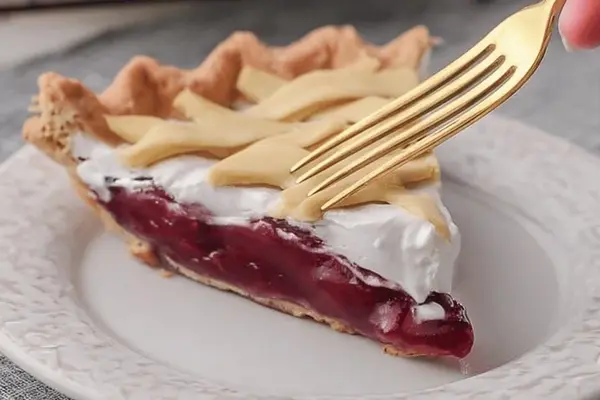
Grape Juice Pie with Arrowroot Filling
Butter Board Recipe with Roasted Garlic

Pumpkin For Pie Cinnamon Roll Cups
Meat Pie Recipe with Pork, Lamb & Potato
Breakfast Burrito with Eggs, Mushrooms & Spinach

Oyster Appetizers with Turnip Fennel Mignonette
Slow Braised Lamb Leg with Thyme & Sherry
Pork Rib Roast with Mushroom Sauce
Air Fryer Goat Cheese Salad with Kale
Bulgur Chicken Soup with Spiced Tomato Broth