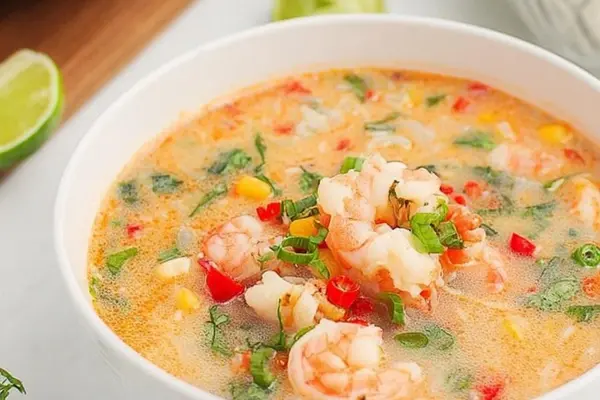
Khao Soi: Thai Shrimp & Scallop Soup
By Emma
Certified Culinary Professional
·
Recipe tested & approved
Butter goes in hot. Scallops and shrimp follow — 2 minutes if you’re watching close. The moment edges curl, pull them out. Too long means rubbery. This is the whole trick right here.
Why You’ll Love This Thai Soup
28 minutes total. Seafood stays tender because you’re not drowning it in heat. The coconut milk smooths out the spice instead of letting it bite your face off. Cold night, you’ve got a soup that tastes like Thailand without the flight. Lime juice at the end cuts through everything — makes it taste bright even though it’s creamy. Maldon salt flakes on top give you that crunch. Most soup doesn’t have that. This one does.
What You Need for Thai Tom Yum Soup
Butter. One tablespoon. Not oil. Butter gets the scallops and shrimp golden without drying them out. Full fat coconut milk — the kind that’s thick at the top, not the canned stuff that’s already been shaken. Red curry paste. This is your heat and your depth. Fresh ginger, minced small. Not powdered. Garlic, two cloves. Red bell pepper and red onion, diced separate because onion goes in first, pepper gets added later so it stays a little firm. Fresh basil — Thai basil if you find it, regular basil works. Vegetable broth, two cups. Lime juice, divided because some goes in the broth, some finishes the bowl. Scallions for the top. Corn kernels, fresh or frozen. Maldon salt flakes. Regular salt disappears. These flakes stay crunchy.
How to Make Thai Tom Yum Soup
Heat butter in a medium saucepan over medium. Watch it until it stops foaming — that’s when you toss in the seafood. Scallops first, then shrimp. Stir every few seconds. You’re looking for the shrimp to turn from gray to pink and the scallops to go opaque at the edges. Edges curl up a little. This takes maybe two minutes if your heat is right. The second they look done, pull them onto a plate. Leaving them longer is a mistake — they keep cooking from the pan heat anyway.
Same pan. Don’t wash it. The brown bits matter. Red bell pepper goes in — a third of a cup — plus the red onion, garlic, and ginger. Medium heat. Listen. You want to hear that soft sizzle, smell something sharp and alive without any burnt edge. Two to three minutes. You’re softening things just slightly. Then curry paste. Stir constantly. One minute. The paste goes from a dark blob to something that coats the whole pan bottom and smells like Thailand. That’s when you stop.
Pour in two tablespoons of lime juice. Stir. Add the basil, coconut milk, and vegetable broth. Whisk gently so there aren’t lumps of coconut hiding anywhere. Bring it up to a low simmer — you should see small bubbles coming up around the edges but the whole surface shouldn’t be agitated. If it’s boiling hard, reduce heat. You want it loose but starting to thicken slightly. Nine to eleven minutes. The surface looks silky when it’s right. Not glossy. Silky.
While that simmers, mix the rest of the red bell pepper and the corn with the seafood you pulled out earlier. Don’t break the scallops. They’ll warm up from the hot broth in a second — no need to cook them again. That’s the whole point.
How to Get Thai Tom Yum Soup Creamy and Balanced
Divide the seafood and veggie mix into two bowls. Ladle the hot coconut broth over carefully. You’ll hear it steam. Scallions go on top. Then Maldon salt flakes — enough so you can see them, not so much they’re overwhelming. The remaining lime juice, a drizzle. This is what brings everything alive.
Taste first. If it feels flat, more lime. If it needs salt, a pinch of Maldon flakes. The broth should balance between creamy and tart and spicy and savory all at once. If it leans too much one way, fix it. You’ve got lime, you’ve got salt, you’ve got that punch of curry paste already in there.
Thai Tom Yum Soup Tips and What Goes Wrong
Don’t overcrowd the pan when seafood goes in. Scallops and shrimp need room to brown. If they’re stacked, they steam instead. That soft sizzle sound is your tell — if it’s not there, you don’t have enough heat. Shrimp cooks faster than scallops. Watch the shrimp especially. The moment it’s pink all the way through, it’s done. A few seconds longer and you’re in rubber territory.
Coconut milk can break if you boil it hard. That silky surface means you’re at the right temp. Too hot and it separates. The broth should be a little loose when you ladle it. It thickens as it cools slightly anyway. Curry paste has salt in it already. Taste before you add more. Maldon flakes are not optional — regular salt won’t work the same way. The flakes stay crunchy on top. They taste cleaner.
Khao Soi: Thai Shrimp & Scallop Soup
Prep:
12 min
Cook:
16 min
Total:
28 min
Servings:
2 servings
Ingredients
- 1 tbsp butter
- 8 oz scallops, rinsed and patted dry
- 8 oz shrimp, peeled and deveined
- 1/3 cup red bell pepper, diced, divided
- 1/4 cup red onion, chopped
- 2 garlic cloves, minced
- 1 tbsp fresh ginger, grated
- 1 1/2 tbsp red curry paste
- 3 tbsp lime juice, divided
- 1/4 cup fresh basil, roughly chopped
- 1 cup coconut milk (full fat)
- 2 cups vegetable broth
- 1/3 cup corn kernels (fresh or frozen)
- 2 scallions, sliced
- Maldon salt flakes, to taste
Method
- 1 Heat butter over medium in a medium saucepan. Toss in scallops and shrimp, stir occasionally just until opaque and edges curl. No overcooking or they go rubbery. Remove seafood from pan, set aside on plate.
- 2 Same pan, toss in 1/3 cup red bell pepper, red onion, garlic, and ginger. Listen for that soft sizzle, veggies should start to soften and smell sharp but not burnt—roughly 2-3 minutes. Toss in curry paste, stir constantly until fragrance punches through – about 1 minute. Be mindful of burning spices here; low-medium heat is key.
- 3 Pour in 2 tbsp lime juice, stir in basil leaves, coconut milk, and veggie broth. Whisk gently to marry the liquids, no lumps. Bring to low simmer, watch for tiny bubbles around edges, reduce heat if boiling hard. Let it bubble soft 9-11 minutes, slightly thickening but still loose. Avoid a boil that breaks coconut fat; surface looks silky when ready.
- 4 While broth simmers, mix remaining red bell pepper and corn with cooked seafood. Toss gently without breaking scallops. This mixture gets warmed by hot broth later; no second cooking needed, protects texture.
- 5 Divide seafood and veggie mix into two bowls. Ladle the hot coconut broth over carefully, hear that steam hiss. Finish with sliced scallions, sprinkle Maldon salt flakes for crunch, and drizzle remaining lime juice to punch up brightness. Adjust salt cautiously; Maldon flakes offer texture and clean saltiness without overwhelming.
- 6 Taste, tweak acidity or salt as needed. If broth feels flat, another squeeze of lime or small pinch of sugar can balance. Remember, this is a play between creamy, tart, spicy, and savory.
Nutritional information
Calories
350
Protein
30g
Carbs
12g
Fat
18g
Frequently Asked Questions About Thai Tom Yum Soup
Can I use frozen shrimp instead of fresh? Yeah. Thaw them first. Pat them dry. Otherwise the extra water throws off your timing and they don’t brown. The curry paste and coconut milk cover up any freezer taste.
What if I can’t find red curry paste? Yellow works. Green is spicier — use half the amount. Neither is ideal but both work. The flavor shifts though. Yellow’s more mellow.
Should I peel the shrimp myself or buy them peeled? Pre-peeled is fine. You’re not using the shells for broth here. Saves 3 minutes if you buy them that way.
Can I substitute the coconut milk? Heavy cream works. Tastes different. More French than Thai. Not worth swapping unless you have to. Full fat is the only option — light coconut milk is basically water.
How long does this keep? Seafood gets weird in the fridge after a day. The broth itself keeps three days covered. Keep them separate. Warm the broth, add fresh seafood the next time, maybe add a scallion. It’s not the same as day-one but it works.
Why lime juice at two different times? The juice in the broth builds flavor. The juice at the end cuts through the richness right when you eat it. One timing does both jobs but not as clean.
You’ll Love These Too
Explore all →
Caramel Popcorn Cake with Peanut Chocolate
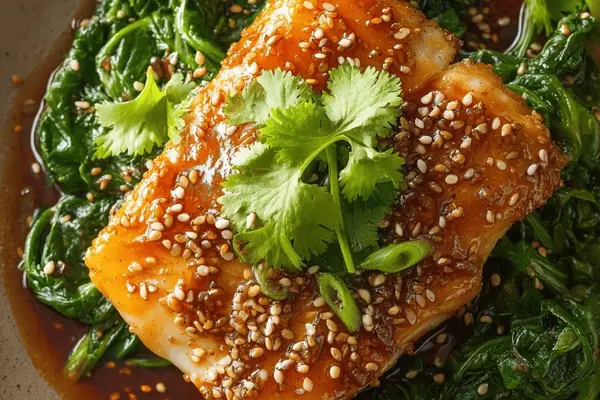
Seared Haddock with Apricot Glaze

Buffalo Wing Egg Rolls with Cheddar

Chunky Mulled Apple Cider with Fennel Seeds
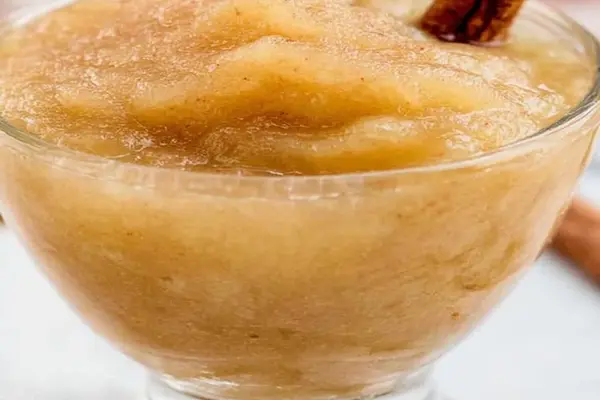
Slow Cooker Applesauce with Nutmeg

Double Chocolate Éclairs with White Chocolate Cream

Carrot Cake Pancakes with Cream Cheese
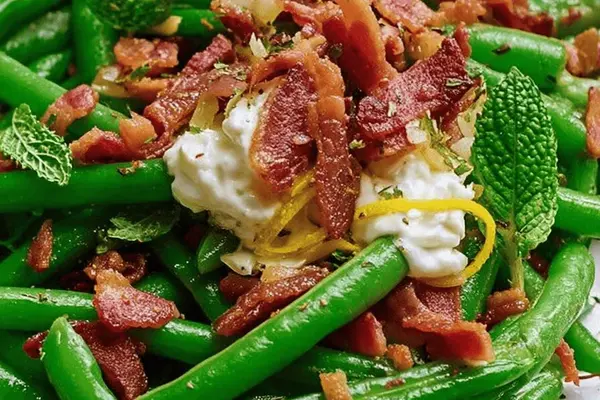
Bacon Green Beans with Burrata & Lemon
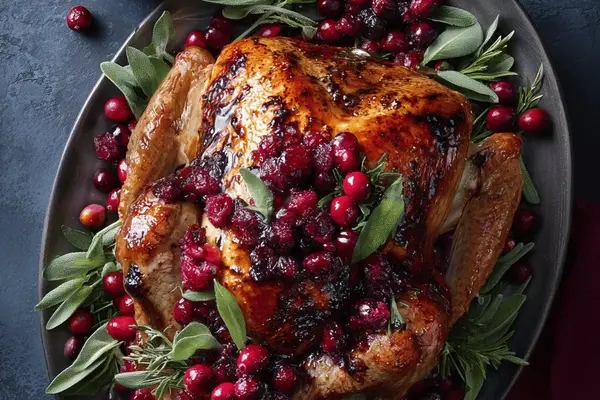
Thanksgiving Food: Port Wine Roasted Turkey

Chocolate Cake with Caramel and Heath Bars
Citrus Syrup with Ginger and Lemon Peel

Creamcheese Pie: No-Bake Chocolate Dessert
Caramel White Chocolate Tangerine Tart

Raspberry Cupcakes with Marshmallow Frosting
Pimento Cheese with Manchego and Smoked Paprika
Caramelized Onion Dip with Gouda
Peach Fluff Remix with Lemon Jello
Pasta Sauce White Sauce with Avocado
No-Cook Berry Jam with Honey and Pink Pepper