Pickled Eggs with Chipotle & Horseradish
By Emma
Certified Culinary Professional
·
Recipe tested & approved
Cut the eggs first. Peel them all the way. The brine sits for two days minimum, sometimes four — that’s when the spice actually gets into the whites. Tastes sharp at first, then hot, then kind of addictive.
Why You’ll Love This Pickled Eggs Recipe
Comes together in 13 minutes flat. Seven minutes prep, six minutes on the stove. After that, the fridge does the work. Works as an appetizer, a snack, a thing to throw on a charcuterie board when you want people to stop talking and start eating something. The spice hits different from hot sauce. Chipotle plus horseradish plus Worcestershire — not one flavor, multiple things happening. Makes enough to last 4 weeks, if they last that long. Haven’t had a batch make it past week two. Easy to customize. Hate heat? Use half the chipotle. Want it angrier? Double it.
What You Need for Pickled Chicken Eggs
Start with 6 large hard-boiled eggs. Already peeled. Cold. Room temperature cracks them.
Tomato passata—not ketchup, not sauce with chunks. Just tomato. About 100 ml. Gives the brine body without being sweet.
White wine vinegar. 50 ml. Not apple cider vinegar. This one stays clean, doesn’t overpower.
Lime juice. Fresh. 45 ml. Orange juice doesn’t work the same way. Lemon either.
Worcestershire sauce. One teaspoon. Sounds small. It’s the thing you don’t realize you’re tasting until it’s gone.
Prepared horseradish. Not fresh grated. The prepared stuff in a jar. One teaspoon. Sharp. Cuts through everything.
Celery seeds. Half a teaspoon. They’re tiny. They matter.
Black peppercorns. Whole. Half a teaspoon. Gets released during the boil.
Kosher salt. Half a teaspoon. Coarser than table salt. Feels right on the tongue instead of dissolving into nothing.
Chipotle chile in adobo. Half of one. Chopped fine. Spicy and smoky. This is where the heat lives.
Celery leaves for the top. Optional. Worth it. Green. Crunchy. Catches the eye.
How to Make Spicy Pickled Eggs at Home
Get a glass jar. 700 ml at least. Nothing plastic — the acid eats it slowly and everything tastes like the container.
Nestle the peeled eggs inside. No cracks. No whites showing. They sit there cold while everything else happens on the stove.
Put everything else in a small saucepan. Passata, vinegar, lime, Worcestershire, horseradish, celery seeds, peppercorns, salt, chipotle. Don’t mix it yet.
Heat it. Actually heat it. Not a simmer. A boil. The whole surface should move. Bubbles everywhere. That’s when the spices open up and everything blends together instead of staying separate flavors.
Takes about 6 minutes from cold pan to boiling. Maybe 5 if your stove runs hot. Watch it. Don’t leave.
The second it boils, pour the whole thing over the eggs. The brine is still moving. The eggs are still cold. You’ll hear it — that small sound when heat hits cold.
Liquid should cover them completely. If it doesn’t, go back and add a bit more vinegar and a splash of water.
How to Get Pickled Eggs With Actual Heat and Bite
Let everything cool at room temperature. The eggs keep warming gently from the brine. Don’t speed this up with ice.
Cover the jar tight once it cools. Refrigerate.
This is the hard part. Two days minimum. The whites still taste kind of bland on day one. By day two, they’re getting there. Day three or four, the seasoning has worked all the way through. The whites go from white to pale tan from the tomato and spices.
The longer it sits, the thicker the brine gets a little — the tomato settling, everything marrying together.
Four weeks is the max before cloudiness shows up. That means bacteria. Toss it.
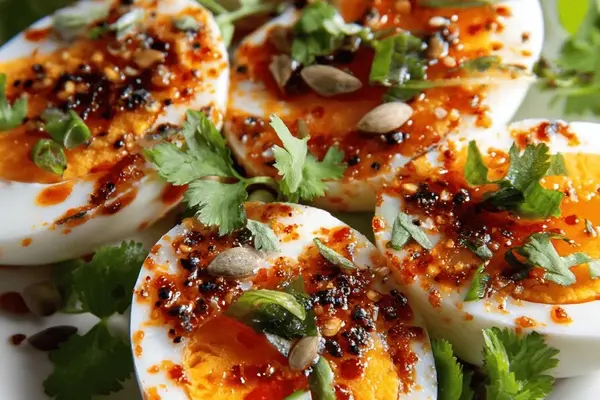
For serving, take them out of the brine. Halve them if you want — the yolk gets this deep orange color from the spices. Scatter celery leaves on top if you’re being nice about it. The green makes the orange yolk look better.
Cold. Straight from the jar. Or room temp — tastes different both ways.
Making Pickled Eggs Tips and Seasoning for Eggs Done Right
Hard-boil them early. They peel easier when they’re a day old. Fresh eggs are stubborn. Shell sticks.
Don’t skip the boil when making the brine. That’s not a suggestion. Cold brine doesn’t blend flavors the same way. You need heat to open the spices.
Chipotle in adobo comes in cans. One can lasts forever because you only need half a pepper at a time. The rest sits in a container in the fridge. Stays good for months. Use it in other things.
Actually peel the eggs well. One bit of shell floating around and everything gets gritty.
If you hate the Worcestershire taste, use less. Or skip it. The eggs still work. Something else becomes the lead flavor, which changes the whole thing. Not worse, just different.
The celery seeds stay whole. They float around. You might bite one and get this weird pop of flavor. That’s the point.
Horseradish is weirdly important here. It’s not about heat — it’s about cut. Makes the spice feel sharper instead of just hot.
Want them less spicy? Cut the chipotle to a quarter pepper. The flavor stays, the heat backs off.
Pickled Eggs with Chipotle & Horseradish
Prep:
7 min
Cook:
6 min
Total:
13 min
Servings:
6 servings
Ingredients
- 6 large hard-boiled eggs, peeled
- 100 ml (just under 1/2 cup) tomato passata or strained tomato purée
- 50 ml (3 tbsp plus 1 tsp) white wine vinegar
- 45 ml (3 tbsp) fresh lime juice
- 5 ml (1 tsp) Worcestershire sauce
- 5 ml (1 tsp) prepared horseradish
- 2.5 ml (1/2 tsp) celery seeds
- 2.5 ml (1/2 tsp) whole black peppercorns
- 2.5 ml (1/2 tsp) kosher salt
- 1/2 chipotle chile in adobo, chopped finely
- Optional: celery leaves for garnish
Method
- 1 Start with cold, peeled hard eggs nestled in a 700 ml glass jar or bowl — no cracks, no whites peeking out.
- 2 In a small saucepan, combine tomato passata, vinegar, lime juice, Worcestershire, horseradish, celery seeds, peppercorns, salt, and chopped chipotle.
- 3 Bring mixture to a lively boil just to bloom spices and blend flavors; bubbles should rapidly form, not a simmer.
- 4 Immediately pour the hot marinade over eggs, filling jar to cover them completely; expect slight bubbling sounds as heat meets cold eggs.
- 5 Allow marinade and eggs to cool at room temperature, cover tightly, then chill in fridge.
- 6 Rest at least 2 days up to 4 for tang and heat to get through whites; eggs darken, marinade thickens slightly.
- 7 For best bite, remove eggs, slice or halve, scatter celery leaves on top for green freshness and crunch contrast.
- 8 Marinated eggs keep well for up to 4 weeks refrigerated—if any cloudiness or off-smells, toss immediately.
Nutritional information
Calories
90
Protein
7g
Carbs
2g
Fat
6g
Frequently Asked Questions About Hard Boiled Eggs Pickled
Can I use beets and pickled eggs together? Not with this brine. The tomato-based thing doesn’t play well with beet juice. Different recipe. But beets with pickled eggs as separate things on a board? Works.
How long until making pickled eggs is actually done? Two days minimum. At the two-day mark they’re good. Four days they’re better. Most people don’t wait that long because they’re eating them.
Can I use apple cider vinegar instead of white wine vinegar? Could. Changes the whole taste though. Becomes earthier, less clean. Not bad, just not this.
Do the eggs get softer or stay firm? Stay firm. The acid doesn’t break down the whites. Yolk stays creamy.
What if I want to make a larger batch of making pickled eggs? Double everything. Just double it. Timing stays the same. Scale is your friend here.
Can I slice them ahead of time? Yeah. They’ll absorb more brine that way. Some people like that. Some don’t. Whole eggs last longer before they get mushy on the outside.
What happens if I use fresh horseradish instead of prepared? Stronger. Angrier. Might be too much. Prepared stuff is already diluted with some brine, so it’s gentler. Start with less if you go fresh.
Is there a best egg seasoning besides what’s here? This is kind of it. The combination is what matters. You could swap one thing for another — tarragon instead of celery seeds, for example — but then you’re making a different dish.
You’ll Love These Too
Explore all →
Beef and Broccoli Stir Fry Recipe
Easy Apple Walnut Dump Cake Recipe
Lemon Orzo Salad with Walnuts & Apricots
Grilled Lamb Chops with Honey Mustard Glaze
Butternut Squash Tart with Goat Cheese
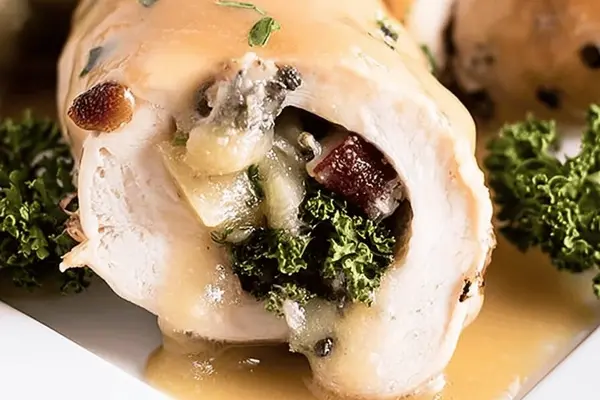
Stuffed Chicken Breast with Spinach & Apple Gravy
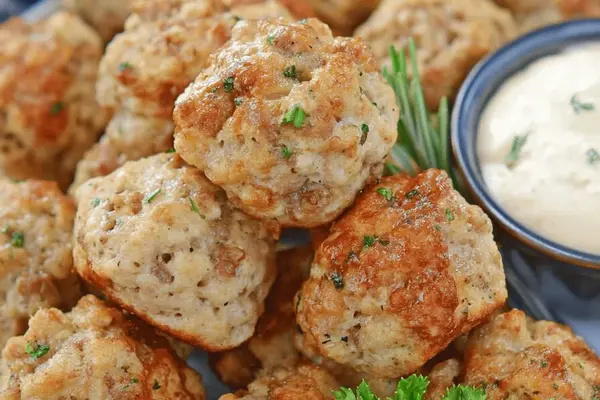
Sausage Balls Recipe with Cream Cheese
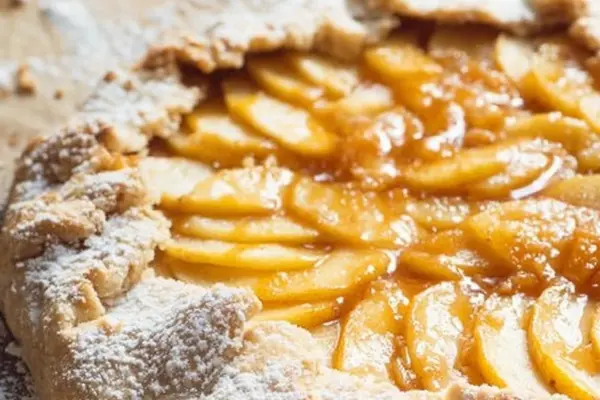
Rustic Apple Galette with Cinnamon
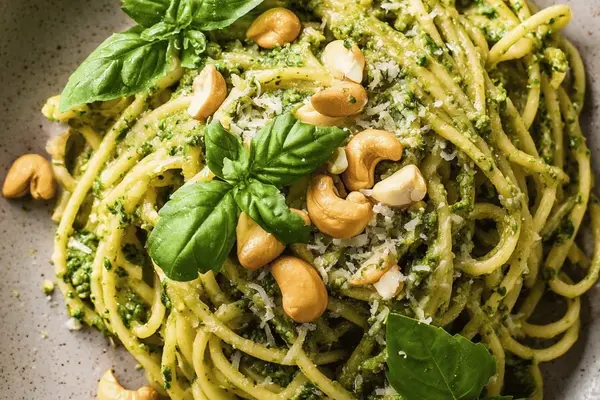
Dairy-Free Pesto with Roasted Cashews
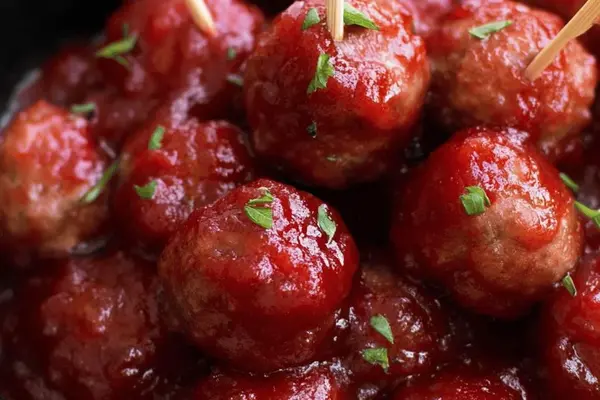
Slow Cooker Cranberry Meatballs Recipe
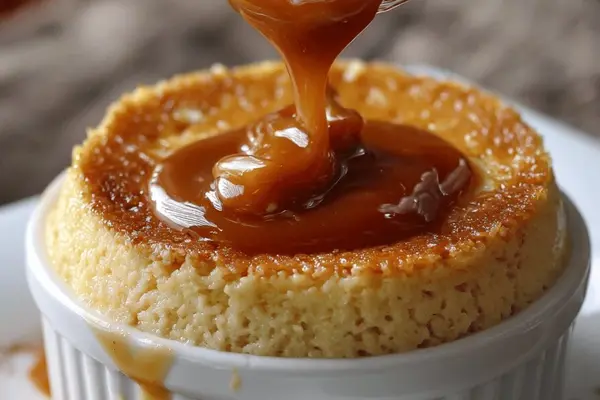
Caramel Pudding with Pineapple Juice
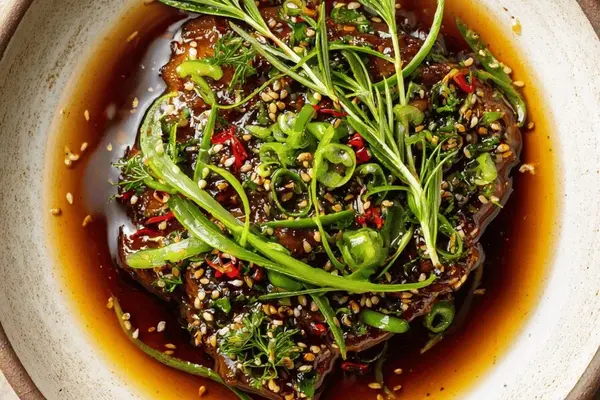
Honey Lime Twist Marinade with Maple Syrup
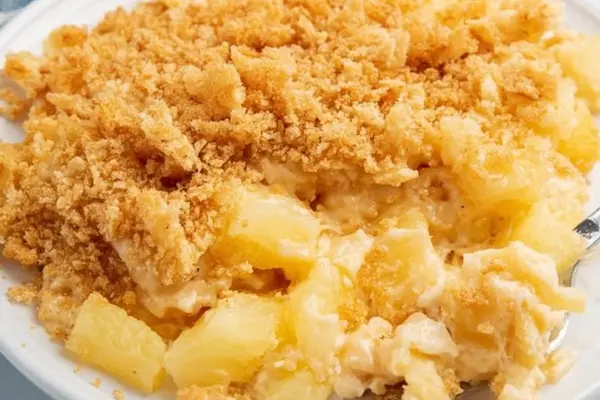
Pineapple Cheese Casserole with Crackers
Hamburger Steaks with Onion Gravy
Grilled Pork Chops with Roasted Zucchini Salad
Candied Almond Nuts with Cinnamon
Crunchy Apple Fritters with Cinnamon
Chicken Pot Pie with Carrots & Leek
Lemon Cheesecake Bars with Puff Pastry