Chai Tea Recipe with Coconut Milk
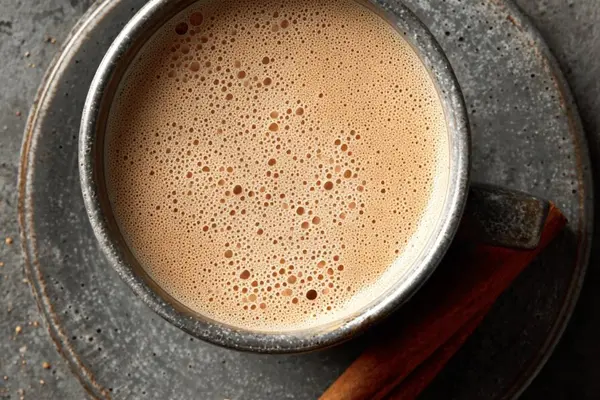
By Emma
Certified Culinary Professional
·
Recipe tested & approved
Crack the peppercorns first. Seriously. Whole ones sit there doing nothing. The second they split open, they wake up—the smell hits different.
Had a friend visit from Delhi who watched me make chai wrong for years. Said I was steeping everything at once like it was tea. She showed me the order matters. Spices first, alone, then water, then everything else joins when it’s ready. Changed everything.
Why You’ll Love This Chai Tea
Takes 35 minutes total but feels like you’re doing something. Not just dumping a bag in hot water. The kitchen smells like cinnamon and pepper before you even drink it. That part’s worth the wait alone.
Works cold the next morning. Not better cold, exactly—different. Some days you want it hot and creamy. Some days you just want the taste without the steam.
No fancy equipment needed. A pan. A spoon. Something to strain with. Cleanup isn’t nothing, but it’s fast.
Jaggery makes it taste earthy. Brown sugar works fine if that’s what you have, but jaggery hits different—almost molasses, almost not. Once you taste it, regular sugar feels too sharp.
The coconut milk isn’t negotiable. Heavy cream works in a pinch. Oat milk doesn’t—texture breaks, flavor gets thin. Coconut’s what holds this together.
What You Need for Masala Chai
Black peppercorns. Not pre-ground. Ten of them, cracked so they’re still in pieces, not powder. Ground tastes like nothing by the time they’ve simmered.
Green cardamom pods—six of them. Crush them with your palm or a knife handle. You want them broken open so the seeds release, but you’re not making a paste. Just crushed.
One star anise pod, snapped in half. This adds that soft licorice thing at the very end. Not overpowering. Just there.
A cinnamon stick about the length of your thumb. One’s enough. Two if you like the warmth heavy.
Fresh ginger. A thin slice, maybe the size of a coin, torn into smaller pieces. Dried ginger powder doesn’t do the same thing—it gets dusty, tastes one-note.
Assam tea leaves. Two tablespoons. Not Darjeeling. Not tea bags. Assam’s bold and stands up to all the spices. Everything else fades next to it.
Coconut milk—the canned kind, full fat. The thin stuff from a carton won’t work.
Jaggery or brown sugar, around three tablespoons. Adjust it after tasting. Some jaggery blocks are sweeter than others.
Water. Five hundred milliliters. Just boiled water, nothing special.
How to Make Masala Chai
Get a pan medium heat. Empty. No water yet. Toss in the black peppercorns, cardamom pods, cinnamon stick, and star anise. Just the spices. Dry heat for three to four minutes, stirring so nothing burns. You’re waiting for the smell to hit you—thick, almost too much, but not smoking. The aroma should sting your nostrils a little. That’s when you know they’ve woken up.
Add the ginger slices now. Stir for maybe thirty seconds. The ginger softens the spice smell, makes it warmer.
Pour in the water slowly. You’ll hear it hiss. Let it come to a boil. Not a wild rolling boil—just steady, gentle, with bubbles rising consistently. Once it’s boiling, turn the heat down slightly so it settles into a soft simmer. This matters more than you think.
Leave everything alone for fifteen minutes. The water turns dark, almost rust-colored. The smell changes—deeper now, less sharp, with faint wood and pepper layered underneath. Don’t cut this short. Steep too fast and it tastes thin, watery, like you didn’t try.
How to Get the Creamy Texture Right
Pour the coconut milk in slowly while you stir. Watch for the cream rising at the edges. Keep the heat medium-low so nothing scorches or bubbles over aggressively. A soft simmer is what you want here.
Dump in the Assam tea leaves right away. No waiting. You want that bold kick from Assam—stronger than Darjeeling, way stronger than whatever’s in a bag. It needs to be present.
Add the jaggery gradually. Taste as you go. Early tasting matters because jaggery softens the sharp spices and adds an earthy sweetness that white sugar can’t touch. Brown sugar works if that’s all you have, but it tastes sharper, less round. Jaggery feels like the right choice here. Adjust the amount based on what you’re tasting—some jaggery blocks are sweeter than others. You might need more. You might need less.
Let everything bubble softly for seven to eight minutes more. Watch for the liquid to thicken slightly and small bubbles to gather along the surface edges. When it coats a spoon better than it did before, it’s done. Too long and it goes bitter. You’ll know the difference when you taste it.
Masala Chai Tips and Common Mistakes
Strain it through a fine mesh or clean cloth into a teapot or straight into cups. Press gently on the solids to squeeze out the last flavor, but don’t push hard enough to get grit through.
The biggest mistake is boiling the milk too hard. Once coconut milk is in the pan, a skin forms fast if the heat’s too high. That skin changes the flavor and texture. Keep the heat steady and patient. Not impatient. Not rushing.
Star anise adds a faint licorice background at the very end—you barely notice it until it’s gone. Cloves swap in here if you want softer, sweeter complexity instead. Same amount. Different vibe.
If you don’t have coconut milk, full-fat oat milk works. Almond milk stands in too, but taste and texture shift slightly. The chai gets thinner, less creamy, less rich. It’s still chai, just not the same thing.
Fresh ginger versus dried—dried ginger powder tastes one-note after simmering. Use one-quarter teaspoon if you have to, but fresh is worth buying. The flavor’s completely different. Warmer. Less dusty.
Assam tea can’t really be swapped here. Darjeeling’s too delicate. It disappears. Green tea makes it taste wrong. Assam is what holds this together.
Some people steep the spices longer than fifteen minutes. Fine. Goes deeper, tastes more intense, can tip toward bitter if you’re not careful. Fifteen minutes is the safe spot.
Chai Tea Recipe with Coconut Milk
Prep:
10 min
Cook:
25 min
Total:
35 min
Servings:
4 servings
Ingredients
- 10 black peppercorns, lightly cracked
- 6 green cardamom pods, crushed
- 1 star anise pod, broken in half
- 1 5cm cinnamon stick
- 1 slice fresh ginger, very thin, approximately 5g
- 500 ml (2 cups) water
- 400 ml (1 2/3 cups) coconut milk
- 30 ml (2 tablespoons) Assam tea leaves, strong
- 35 g (3 tablespoons) jaggery or brown sugar, adjust to taste
Method
- 1 Start with dry pan medium heat. Toss black pepper, cardamom, cinnamon, star anise. Heat till spices wake up - aroma thick, almost pungent but not burnt. Smell should sting nostrils without smoking. Maybe 3-4 minutes. Stir often or risk bitter bits.
- 2 Add fresh ginger slivers then pour in water. Listen for water bubbling gently, settle into soft rolling boil not wild chaos. Reduce heat slightly once boiling to maintain gentle simmer.
- 3 Leave spices and ginger to mingle in simmering water for about 15 minutes. The water turns darker, smells deep, spicy sweet, with faint wood and pepper notes. Don’t rush this, missed this step—tastes weak if too short.
- 4 Pour in coconut milk slowly, stir gently, watching for cream rising along edges. Keep medium-low heat so it doesn’t scorch or bubble over, just soft simmer. Add Assam tea leaves immediately. You want that bold kick from Assam, stronger than Darjeeling for me.
- 5 Add jaggery gradually. Taste early—it softens sharp spices and adds that earthy sweetness. Adjust if too bitter or too sweet (which happens).
- 6 Let everything bubble softly for 7-8 minutes more. Watch for liquid thickening slightly and small bubbles gathering on surface edges. Thickened chai is richer, coats spoon better. Too long, it gets bitter.
- 7 Final step: strain chai through fine mesh or clean cloth into teapot or serving cups. Press gently on solids to squeeze out flavor but avoid grit.
- 8 Serve hot. The star anise adds a faint licorice background, coconut milk gives velvet creaminess. Pepper bites softly. If you want less punch, reduce peppercorns or steep spices less time.
- 9 Common mistake: boiling milk too hard—skin forms, flavor alters. Keep heat steady, patient. Use jaggery or brown sugar if you want a slight molasses touch; regular white sugar works but is sharper.
- 10 If coconut milk not on hand, full-fat oat milk or almond milk stands in, but taste and texture shift slightly.
- 11 Spice substitutions: star anise for cloves gives softer sweet complexity, fresh ginger keeps warmth but swap with dried ginger powder if needed (1/4 teaspoon).
Nutritional information
Calories
120
Protein
1.2g
Carbs
13g
Fat
7g
Frequently Asked Questions About Masala Chai
Can I make this ahead? Yeah. Make the whole thing, let it cool, stick it in the fridge. Reheat gently—don’t boil it hard or the milk breaks. Or drink it cold the next day. Different thing entirely, but it works.
What if I don’t have jaggery? Brown sugar. Not the same, sharper, but it works. White sugar’s too bright. Honey too—but add it after you’ve cooled it slightly or the heat changes the taste.
How long does chai keep? Three days in a covered container. After that, the spices taste flat. The coconut milk flavor shifts. Drink it fresh if you can.
Can I use tea bags instead of loose Assam? Bag Assam’s usually dust. Doesn’t give you that bold kick. Loose leaves matter here. Worth the trade.
Does the order of ingredients really matter? Yes. Spices first in the dry pan, then water, then coconut milk, then tea. If you dump it all together, nothing tastes right. The order is the point.
What if my chai tastes too bitter? Either the peppercorns burned at the start or the tea steeped too long at the end. Next time, stir the spices more often so they don’t char. Or pull the tea out after seven minutes instead of eight.
Is this the same as traditional chai masala? Close. Chai masala is the spice blend. This is masala chai—the full drink with milk and tea. Some recipes use cloves, some use nutmeg. This version keeps it simple—peppercorn, cardamom, star anise, cinnamon, ginger. That’s the core. Everything else you add changes it slightly.
You’ll Love These Too
Explore all →
Mulling Spices For Cider With Rum
Cauliflower Pistachio Biryani with Basmati Rice
Citrus Smoothie with Mango, Dates & Cardamom

Mugcake Recipe: Chocolate in Minutes
Nutritional Yeast Substitute: Cashew Parmesan

White Port Cocktail with Grapefruit

Bubble Gum Cake with Sour Cream

Spatchcock Grilled Chicken with Pesto Mayo

Chicken Sandwich with Prosciutto & Spinach
Easy Mexican Rice with Cumin and Canned Tomatoes
Homemade Spice Blend with Sesame Seeds

Grill Salmon Fish with Spicy Mayo Sauce
Pasta with Roasted Peppers and Asparagus
Spicy Shrimp Penne Pasta with Tomato Sauce

Garlic Shrimp Noodle Recipe With Sriracha

Crispy Asparagus Appetizer with Herb Yogurt Sauce

Crunchy Beer-Battered Onion Rings
Green Pistachio Cake with Pudding Mix
Butternut Pumpkin Recipe with Roasted Seeds