Beef Steak Marinade with Spice Rubs
By Emma
Certified Culinary Professional
·
Recipe tested & approved
Two spice rubs. American-style with oregano and cayenne. Asian with toasted coriander and sesame. Pick one, rub it hard into cold meat, then grill it screaming hot. Takes 15 minutes to prep, 12 minutes on the grill. The crust that forms—that’s the whole point.
Why You’ll Love This Steak Marinade
Actual crust forms. Not just seasoning sitting on top. The spices fuse to the meat in minutes, not hours.
Works with any steak you’ve got. Ribeye. Striploin. T-bone. Thin cuts or thick. Both rubs work cold or room temp.
Two totally different flavor routes. One’s oregano-forward and punchy. The other’s toasted and smoky. Same prep, totally different taste. Do one now, try the other next time.
Asian-style leans spicy with the sesame and star anise. The American version hits it with cayenne but you can dial that back. Neither one locks you into a choice.
Doesn’t require marinating overnight in a bag. Most marinades for steak just sit there and do nothing. This one works in the time it takes you to light the grill. Actually faster than traditional marinating for steak that soaks for hours.
What You Need for a Steak Rub
American version. Oregano goes in first—1 1/2 tablespoons dried. Onion powder, 1 1/2 tablespoons. Garlic powder, 1 1/2 teaspoons. Celery salt, 1 1/2 teaspoons. Cayenne, just 1/8 to 1/3 teaspoon depending on how hot you want it. Olive oil binds everything. Three tablespoons. That’s it. Mix until it’s a paste, thick enough to stay on the meat.
Asian version. Toast coriander seeds and sesame seeds together in a dry pan for about 2 minutes. Sounds like popcorn if you’re listening right. Cool them down, then grind coarsely—don’t pulverize it into powder. Add garlic powder, celery seeds, ground star anise or fennel, kosher salt, cracked black pepper. Mix it all together.
The meat. Four steaks. Ribeye works. Striploin works. T-bone works. Whatever thickness is fine, just bring them out 20 minutes before you start. Cold meat doesn’t sear right. Pat them dry with paper towels. If they’re wet, the rub slides off. Doesn’t work then.
How to Make a Beef Steak Rub
American first. Combine the oregano, onion powder, garlic powder, and celery salt in a bowl. Pour the olive oil in and stir until it’s thick and paste-like. That’s your rub. The oil does two things—it holds the spices together and it helps them brown fast on the grill. Butter burns too quick. Doesn’t work.
Asian takes two steps. Heat a dry pan medium-hot and toss the coriander seeds and sesame seeds around constantly. Two minutes max. When it smells toasty, pull them off the heat and let them cool down a bit. Grind them coarse. You want texture, not powder. If it’s fine like flour, it’ll feel gritty on your teeth. Then mix those ground seeds with the garlic powder, celery seeds, star anise, salt, and pepper. Stir until it’s even throughout.
How to Season and Sear Your Steak
Pat the steaks completely dry. Rub your chosen blend into both sides firmly. Don’t overwork it—you’re just coating, not massaging for five minutes. Let them sit uncovered at room temperature for 10 to 20 minutes. This is the part that matters. The spices start to bond with the surface. Flavors start to actually taste like they belong there.
Heat your grill high. You want heat. Look for faint smoke coming off the grates, around 450 to 500 degrees. Cast iron skillet works if you can’t grill. Just get it screaming hot.
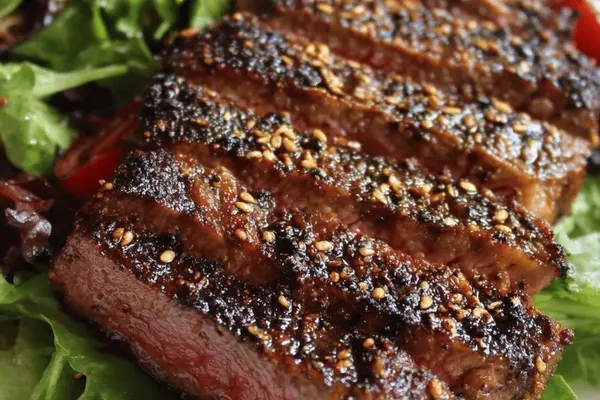
Lay the steaks down. They should hiss the second they hit. Don’t touch them. Wait for 3 to 4 minutes until they naturally release from the grate. Flip once. Cook the other side 3 to 4 minutes. Listen for the crackle. That’s the crust setting. Medium rare happens when the meat’s got a deep brown crust and springs back slightly when you press it. Around 130 degrees inside if you’re checking with a thermometer.
Steaks thicker than 2 inches need different timing. Sear both sides hard for 2 to 3 minutes each, then move them to the cooler side of the grill with the lid closed. Let them finish slowly. Check every couple minutes.
Steak Marinade Tips and Doneness Cues
Watch the edges. When shiny beads of fat start appearing, the crust is sealing. That’s when you know it’s working. The meat shrinks slightly as it cooks. Too long and it gets tough. Too short and the inside’s cold. It’s a narrow window, but you’ll feel it once you’ve done a few.
Edges should be dark brown. Not black. Brown. If they’re going dark fast and the middle’s still cold, your grill’s too hot or the steaks are too thick. Lower heat slightly or move them away from direct flame.
The rest step is non-negotiable. Remove the steaks, tent them loosely with foil, and leave them alone for at least 5 minutes. The juices redistribute. Cut into them too early and all that flavorful juice runs out onto the plate. The meat dries out. That 5 minutes changes everything.
Press the meat with your thumb to check doneness if you don’t have a thermometer. Your wrist is the reference point. Relax your hand—that soft feel is rare. Make a fist gently—that’s medium. Make a tight fist—that’s well done. The meat should feel like your relaxed wrist for medium rare.
Beef Steak Marinade with Spice Rubs
Prep:
15 min
Cook:
12 min
Total:
27 min
Servings:
4 servings
Ingredients
- 4 beef steaks of choice such as ribeye, striploin, or T-bone
- American-style spice rub
- 28 ml dried oregano (approx 1 1/2 tablespoons)
- 25 ml onion powder (1 1/2 tablespoons)
- 8 ml garlic powder (1 1/2 teaspoons)
- 7 ml celery salt (1 1/2 teaspoons)
- 0.75 ml cayenne pepper (1/8 to 1/3 teaspoon)
- 42 ml olive oil (3 tablespoons)
- Asian-style spice rub
- 28 ml toasted coriander seeds
- 28 ml toasted sesame seeds
- 8 ml garlic powder
- 8 ml celery seeds
- 8 ml ground star anise or fennel seeds
- 6 ml kosher salt (about 1 teaspoon)
- 3 ml cracked black pepper (about 1/2 teaspoon)
Method
- Spice Rub Prep: American
- 1 Combine oregano, onion powder, garlic powder, celery salt, cayenne pepper, and olive oil in bowl; stir into paste. Note: olive oil binds spices and promotes crust formation. No butter here, it blacks out fast on grill.
- Spice Rub Prep: Asian
- 2 Toast coriander and sesame seeds in dry pan until fragrant, about 2 minutes, tossing constantly. Cool slightly, then grind coarsely using mortar and pestle or spice grinder—don´t pulverize fine or rub gritty against meat. Combine ground seeds with garlic powder, celery seeds, powdered star anise, salt, and cracked pepper. Mix well.
- Meat Prep
- 3 Bring steaks out of fridge 20 minutes prior to seasoning to remove chill—cold meat seizes on heat unevenly. Pat dry with paper towel to remove excess moisture, lest rub slip off or steam instead of sear.
- Applying Rub
- 4 Rub chosen spice blend into both sides of steaks firmly but don’t overwork meat to avoid warming prematurely.
- 5 Let rest uncovered at room temperature 10-20 minutes allowing aromatics to penetrate surface. This step crucial for surface flavor melding and moisture redistribution inside meat.
- Grilling
- 6 Heat grill to high. Look for faint smoke, call it around 450-500°F. If outdoor grilling unavailable, cast iron skillet screaming hot works, but less smoky note.
- 7 Lay steaks down carefully—should hiss loudly. Don’t move prematurely. Wait for natural release before flipping, about 3-4 minutes depending on thickness and grill heat.
- 8 Flip, listen for crackle, and cook on second side 3-4 minutes more. Medium rare reached when steaks have deep crust, slightly springy texture, internal temp ~130°F suggesting browned edges with rosy center.
- 9 If steaks thicker than 2 inches, sear both sides then move to cooler edge lid closed to finish for few minutes, watching closely.
- Resting
- 10 Remove, tent loosely with foil, rest at least 5 minutes to let juices redistribute—cutting too soon leaks precious flavor and dries out edges.
- Serving Notes
- 11 Slice against grain for tenderness. Accompany with crisp salad or grilled veggies for balance.
- Tips & Substitutions
- 12 No coriander seeds? Use ground cumin but reduce amount to avoid overpowering. Sesame seeds fragment hard to replace; try toasted sunflower seeds crushed lightly. Star anise can be swapped for fennel seeds or omit if unavailable.
- 13 If no celery salt or seeds, sub with half teaspoon extra salt plus pinch of celery powder or omit entirely.
- 14 Olive oil optional: for lighter crust, use avocado oil or grapeseed oil—both tolerate high heat better.
- 15 For less heat, skip cayenne or reduce to 1/8 teaspoon.
- 16 If short on time, rub and grill immediately. Flavor depth diminished but still pleasant.
- 17 Keep in mind actual cooking time varies with steak thickness, grill temp, ambient weather.
- 18 Watch steak edges—when shiny liquid or fat beads appear, crust sealing is happening.
- 19 Remember, meat shrinks as it cooks; too long and it toughens and dries.
- 20 Adjust seasoning quantities if steaks larger or smaller to maintain balance.
- 21 If you lack a mortar and pestle, pulse seeds briefly in coffee grinder but avoid powder.
- Common Mistakes
- 22 Don’t skip drying meat, rub slides off if wet.
- 23 Don’t over-flip steaks; maximum of one per side.
- 24 Avoid squeezing meat to test doneness, use wrist press technique instead for feel.
- 25 Don’t skip resting—that final step changes reality from tough to tender.
- Sensory cues to watch
- 26 Crackling sizzle and aroma of toasting spices on grill surfaces.
- 27 Edges caramelizing dark brown but not black.
- 28 Fat rendering, appearing translucent and pooling slightly.
- 29 Meat springs back with gentle press but retains slight give.
- 30 Smell rich herbal notes intensified by smoke.
- Storage Notes
- 31 Best eaten fresh but can refrigerate leftovers wrapped airtight up to 2 days; reheat gently to preserve juiciness.
Nutritional information
Calories
375
Protein
32g
Carbs
3g
Fat
28g
Frequently Asked Questions About Beef Steak Seasoning
Can I use this rub without grilling? Cast iron works fine. Heat it until it’s almost smoking. Steaks get less smoky flavor but the crust forms the same way. Might take a minute longer per side depending on thickness.
How long does the rub sit on the meat before cooking? 10 to 20 minutes if you’re ready. That’s when the marinade for steak flavors actually start bonding. If you’re in a hurry, go immediately. Tastes fine. Just loses some depth.
Can I make this ahead and store it? American rub sits in the fridge for weeks. Just stir it when you use it. Asian rub loses its toasted flavor after a few days so make it fresh. Toast the seeds that morning.
What if I don’t have celery salt? Use regular salt plus a pinch of celery powder. Or just skip it. The rub still works.
Should I use a marinade or a dry rub? This is a dry rub, which is faster. Traditional marinating for steak takes hours and the meat gets soft instead of crusty. This way you get the crust. Better on the grill.
Can I marinate a steak overnight with this? Technically yes. The flavors don’t get stronger, though. The salt starts breaking down the proteins and the texture gets mushy instead of tender. Stick with 20 minutes or less for best results. Marinating for steak overnight works with wet marinades, not dry rubs.
What steak cuts work best with this rub? Ribeye is best because it’s fatty and the spices stick. Striploin works. T-bone works. Flank is leaner so it’s tougher anyway—a flank marinade needs acid. Skirt steak marinade also needs acid. These rubs are better for fattier cuts that can handle dry seasoning.
How do I get that montreal steak rub flavor? This American-style rub is similar to montreal steak seasoning—oregano-heavy with garlic and onion. If you want something closer to actual montreal steak, add a bit more garlic powder and skip the cayenne entirely. The rest works.
Can I add these seasonings to a liquid marinade? Yeah. Mix the rub with olive oil and some acid like soy sauce or vinegar for the Asian version. Or add the American rub to olive oil and lime juice. But then you’re marinating, not dry rubbing. The timing changes. Let it sit 2 to 4 hours instead of 20 minutes. Same spices, different method.
What’s the best steak marinade for tenderness? Acid is what tenderizes. Lime, vinegar, soy sauce, yogurt. This rub doesn’t tenderize—it flavors and crusts. If you’ve got a tough cut, marinate in acid first, then apply the rub before cooking. For tender cuts like ribeye, the rub alone does everything.
How spicy is the asian seasoning? The star anise and sesame make it feel spicy even without much heat. If you want actual spice, add cayenne. Start with 1/4 teaspoon. The american version packs more actual spice from the cayenne.
You’ll Love These Too
Explore all →
Whole Wheat Bran Loaf with Honey & Apricots
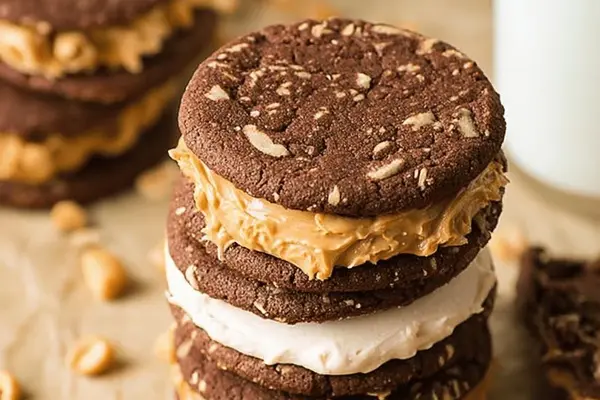
Peanut Butter Cocoa Sandwich Cookies
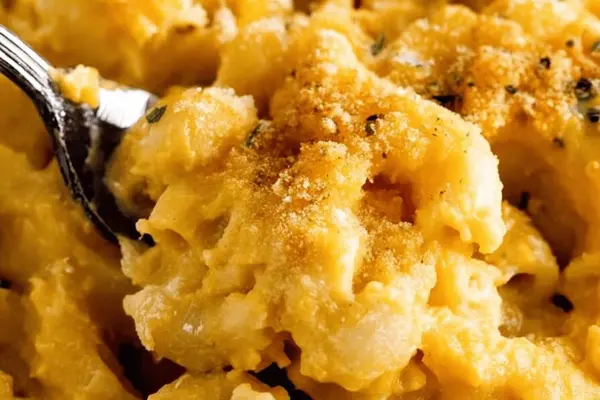
Pumpkin Mac and Cheese with Cheddar
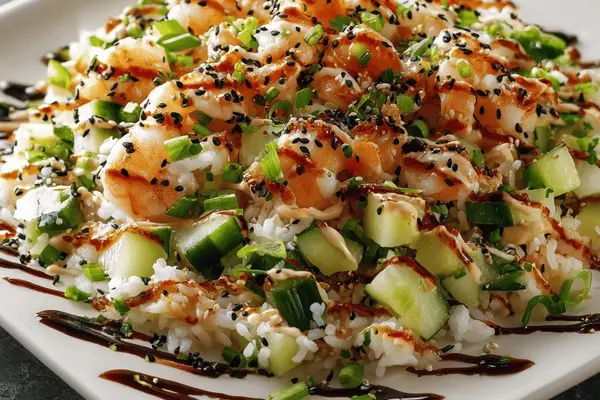
Nordic Shrimp Tartare Salad with Asian Pear
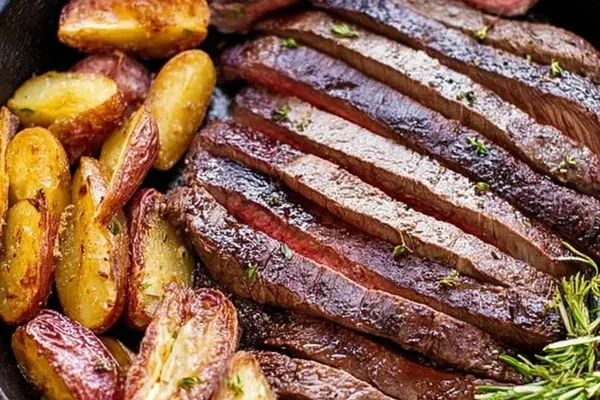
Marinated Broiled Flank Steak with Red Wine
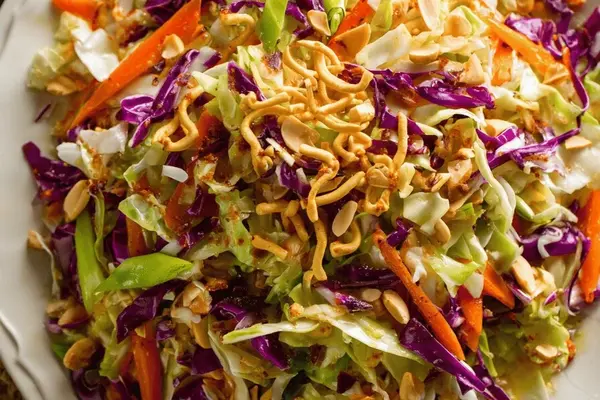
Crunchy Asian Slaw with Sesame Oil
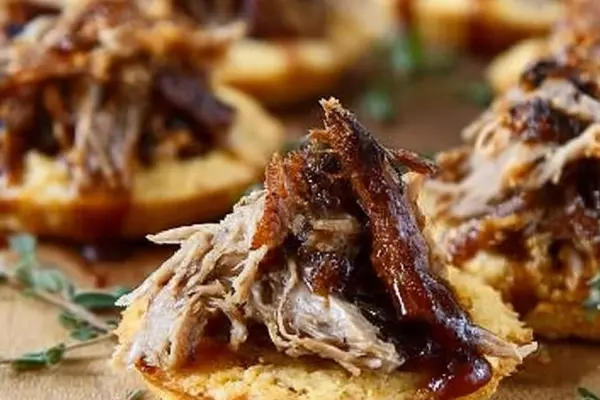
Pulled Pork Bites with Cornbread Mix
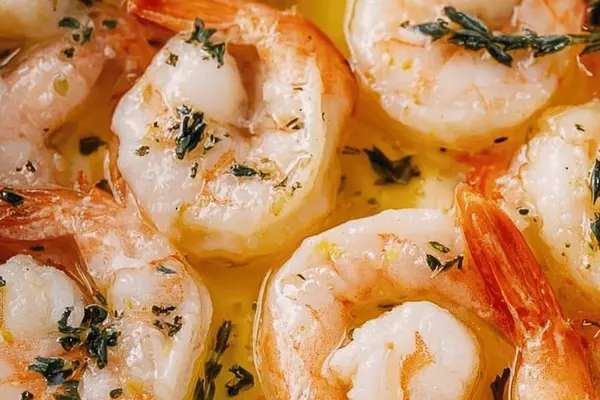
Shrimp Scampi Shrimp with Garlic Butter
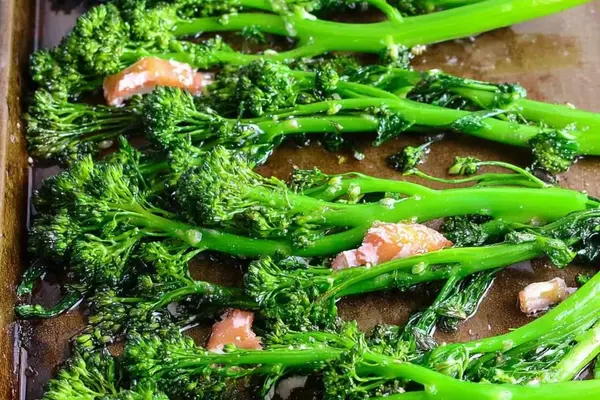
Charred Broccolini with Garlic & Red Wine
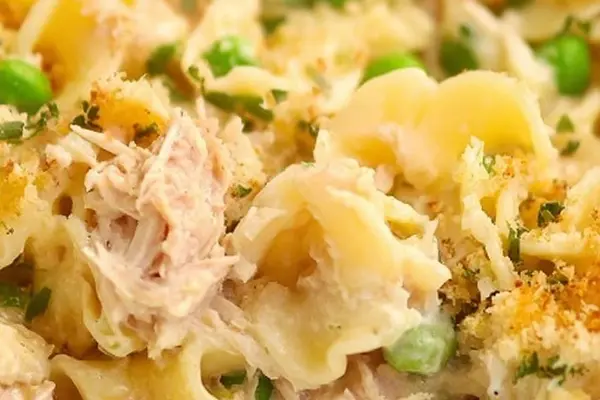
Tuna Casserole with Egg Noodles
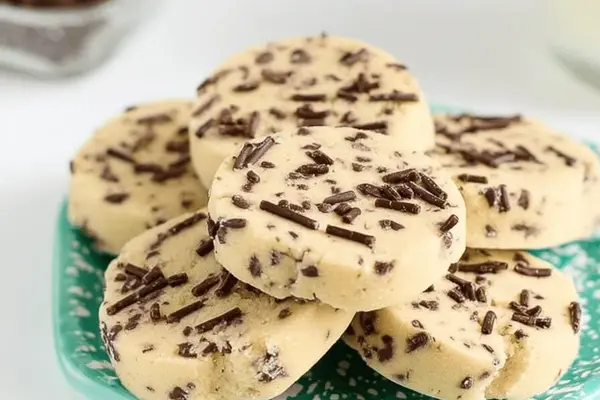
Chocolate Chip Shortbread Recipe

Lemon Cake with Cream Cheese Frosting
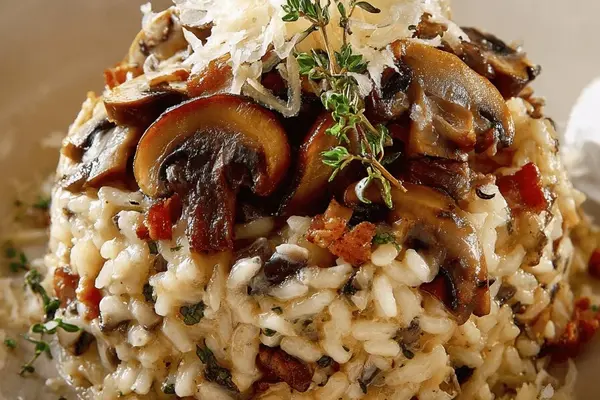
Mushroom Pancetta Risotto with Gruyère

Make Sweet Iced Tea with Loose Black Tea
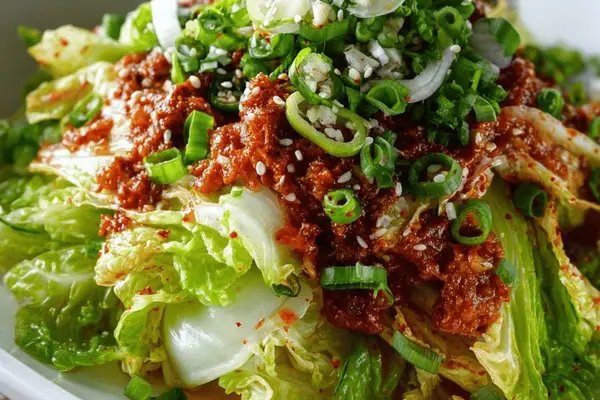
Kimchi Recipe: Napa Cabbage with Gochugaru
Vanilla and Chocolate Mousse with Whipped Cream
Peanut Butter Chocolate Sundae No-Churn
Chinese Pasta Noodles with Chili Oil

Lenten Brioche with Apricots and Raisins