Apple Pie Recipes: Fresh Apples & Cinnamon
By Emma
Certified Culinary Professional
·
Recipe tested & approved
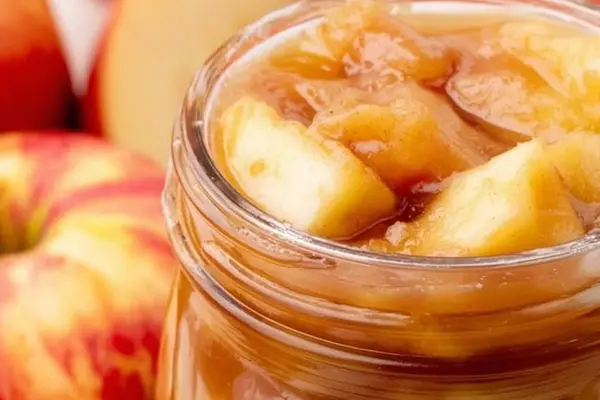
Cut the apples thick. Not thin—thick. They hold their shape instead of turning into mush, and the cinnamon actually hits different when you bite through something that resists a little. This works in 23 minutes total. Prep takes 12, cooking takes 11. Sounds short because it is. No blind baking, no fussy lattice, just apples that taste how apple pie filling should taste but usually doesn’t.
Why You’ll Love This Apple Pie Filling Recipe
Takes 23 minutes. Literally half an hour if you move slow. Works for actual pie, sure—but also crisps, breakfast over yogurt, layered into cake. Tried it cold from the fridge on day three. Still good. Better, maybe. One bowl. One pan. Cleanup isn’t terrible. Cinnamon and spice actually taste like something—not the vanilla ghost that comes from extract or canned filling. Tastes better cold. Not kidding about that either.
What You Need for Easy Apple Pie Filling
Four and a half cups of apples—peel them first, slice them kind of thick. Not paper-thin. The thickness matters. Crisp apples work best. Fuji, Granny Smith, honeycrisp if you’re feeling it. Soft apples turn into applesauce around minute four, which defeats the point.
Fresh lemon juice. Two tablespoons. Not bottled. Lime works in a pinch. Vinegar watered down works too, but don’t bother trying orange juice—too sweet, drowns everything else out.
One third cup cold water, divided. Cold matters here because the cornstarch needs cold to stay smooth. You’ll use some for the slurry later.
Half a cup granulated sugar, then a heaping third cup of packed brown sugar. Brown sugar gives it something savory underneath. Regular sugar alone makes it taste like dessert syrup instead of fruit that got sweet.
Apple pie spice—or just cinnamon and a pinch of nutmeg if you don’t have the blend. One and a half teaspoons total. Skip the allspice, skip the clove. This isn’t that kind of recipe.
Quarter cup water for cooking. Two tablespoons cornstarch. That’s what makes it thick without tasting like cornstarch.
How to Make Apple Pie Filling
Toss the apples with lemon juice right after you slice them. Get them coated. The acid stops the apples from turning brown and also keeps them from going soft too fast. Set them to the side while you grab a pan.
Get a heavy pan—three to four quart, thick bottom—and turn it to medium-high. Add the apples with all their juice, the quarter cup of water, both sugars, and the spice. Stir it once. The heat rises, sugar starts melting into the juice, the whole thing begins to smell warm and sharp and kind of serious. That’s the cinnamon and nutmeg waking up.
Don’t let it rip into a full boil. You want a steady simmer—bubbles breaking the surface regular, not violent. If it’s too hot, juice breaks down faster than apples can soften. If it’s too cool, you’re sitting here forever and the apples get hard and sour.
How to Get Apple Pie Filling Thick and Perfect
This part happens fast, so watch it. Apples should soften until their edges go translucent but they still hold their shape. Check them at six minutes. Poke one with a spoon. It should give but not collapse. This takes six to eight minutes usually. Maybe nine if your apples were huge.
While that’s happening, mix cornstarch and a third cup of cold water in a small bowl. Cold water is critical—warm water and cornstarch get clumpy and stay clumpy. Mix it until no white specks are left. It should look like milk.
Once apples are soft enough, pour the slurry in slowly and stir fast. Constant motion. Don’t stop. The filling thickens in maybe thirty seconds—it goes glossy, looks almost like jelly, and the apples float in something that’s not quite liquid anymore. If lumps form, whisk harder. They dissolve when you’re aggressive.
Pull it off heat before it gets too stiff. It keeps thickening as it cools. Let it cool in the pan until it’s barely warm, then move it to whatever you’re using it for or stick it in the fridge.
Apple Pie Filling Tips and Common Mistakes
Too thin after it cools? Reheat it gently—not in the microwave, on the stove—with a teaspoon of cornstarch mixed into cold water. Takes two minutes. Microwave heating is uneven and ruins it.
Lumps mean you added warm slurry or didn’t stir fast enough. Doesn’t matter now. Whisk hard and they go away. If they don’t, strain it. Not ideal, but it works.
Don’t skip the cold water for the cornstarch mixture. Just don’t. Warm water fails every time.
Brown sugar matters more than it sounds. Regular sugar alone makes this taste like pancake syrup. Brown sugar gives it depth—something underneath the cinnamon that reads as real fruit instead of sugar that got sweetened.
Store it in the fridge—lasts a day, maybe two. Freeze it in portions and it keeps for months. Thaw it in the fridge before using. If it’s frozen solid, reheat gently on low heat until it moves.
Thick apples don’t break down into mush. Thin slices turn into applesauce. This isn’t applesauce.
Apple Pie Recipes: Fresh Apples & Cinnamon
Prep:
12 min
Cook:
11 min
Total:
23 min
Servings:
1 large batch filling
Ingredients
- 4 1/2 cups peeled crisp apples sliced rather thick
- 2 tablespoons fresh lemon juice
- 1/3 cup cold water divided
- 1/2 cup granulated sugar
- 3/8 cup packed light brown sugar slightly heaping
- 1 1/2 teaspoons apple pie spice replaced with cinnamon nutmeg blend
- 1/4 cup water for cooking
- 2 tablespoons cornstarch
Method
- Prep apples
- 1 Toss sliced apples sturdy yet juicy in lemon juice thoroughly. Set aside so fruit holds bright tone and resists oxidation. Colors should stay fresh, not dull or mushy. Acid crucial here; swaps include lime juice or vinegar watered down if lemon missing. Avoid orange juice - too sweet, masks spice.
- Simmer fruit
- 2 Heat a thick-bottomed 3 to 4 quart pan over medium-high. Add apples coated with lemon, 1/4 cup water, granulated & brown sugars, and spice blend cinnamon mixed with pinch nutmeg. Bubbles form slowly, aroma rises sharp and warm, sugar melting into fruit, juices loosening. Avoid full rolling boil. Adjust heat so mixture simmers steadily. Cook until apples soften, edges slightly translucent but keep shape. Should be 6 to 8 minutes but check visually, poke with spoon gently. Too fast = mush, too slow = firm, puckery fruit.
- Prepare slurry
- 3 In small bowl or measuring cup mix cornstarch with 1/3 cup cold water until no lumps. Cold water crucial to prevent clumps wedding cornstarch prematurely. If unavailable, arrowroot or instant tapioca works but adjust consistency expectations.
- Thicken filling
- 4 Gradually pour slurry into simmering apples. Stir vigorously, constant motion mandatory. Volume thickens in seconds. Watch for glossy shine and texture resembling jelly, no gritty or pasty lumps allowed. If lumps form, whisk harder immediately. Over-thick risks gluey filling. Remove from heat just before too stiff. Cool in pan until slightly warm, then chill to set fully.
- Storing and usage tips
- 5 Cool completely before storing or use. Day in fridge max; freeze in portioned containers for months. If too thin after chilling, reheat gently with teaspoon cornstarch mixed with cold water. Thicken on stove, no microwave shortcuts - uneven heat ruins texture. Use as pie filling, layer in crisps, or dollop on breakfast dishes.
Nutritional information
Calories
1359
Protein
2g
Carbs
351g
Fat
2.0g
Frequently Asked Questions About Apple Pie Filling Recipes
Can you use canned apples for apple pie filling? Technically. They’ll be mushy already, so the filling goes weird and soft. Canned apples also come in syrup that’s too sweet. Fresh or frozen whole apples—way better. If you’re using canned because that’s what you have, drain them really well and skip some of the sugar.
What kind of apples work best in apple pie filling? Crisp ones. Granny Smith, Fuji, honeycrisp. Anything that doesn’t go soft at the first sign of heat. Soft apples like Red Delicious just turn to mush. Red Delicious isn’t worth it.
Can you make apple pie filling ahead of time? Yes. Makes it easier, honestly. Cool it completely, store it in a container, refrigerate. Day or two maximum. Freeze it if you want it longer—months, no problem. Thaw in the fridge.
What’s the best apple pie spice for filling? The recipe calls for cinnamon and nutmeg blended together. Works better than pre-mixed apple pie spice most of the time. Skip allspice and clove entirely unless you like them. This recipe doesn’t need them.
Can you use cornstarch instead of flour to thicken apple pie filling? It’s already cornstarch in this recipe. Flour works too but takes longer and sometimes doesn’t set as cleanly. Tapioca works but changes the texture slightly—gets more gel-like instead of smooth jelly. Arrowroot works fine if you have it.
How do you know when apple filling is done cooking? Look at the apples. Edges should be translucent, fruit should be soft but not collapsed. Poke one with a spoon. It gives but doesn’t fall apart. Usually takes six to eight minutes. Also the whole pan smells done—warm and sweet and spiced. You’ll know.
Can you add more cinnamon to the filling? Yeah. Go up to two teaspoons if you want. More than that and it tastes like you’re eating spice instead of apple. Personal preference, but be careful.
What if the filling is still runny after it cools? Reheat it on the stove with a little cornstarch slurry—teaspoon of cornstarch mixed with a tablespoon of cold water. Warm it gently, stir, let it thicken again. Cool it down. Better next time. Microwave doesn’t work for this.
You’ll Love These Too
Explore all →
Grilled Banana Dessert with Maple Syrup
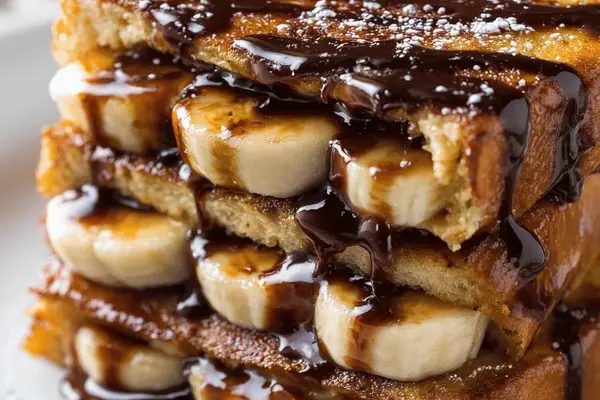
Banana Foster French Toast with Dark Chocolate
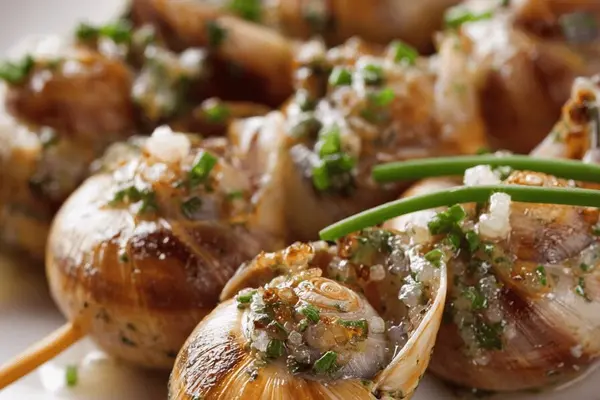
Pastis Snail Mini Skewers with Garlic Butter
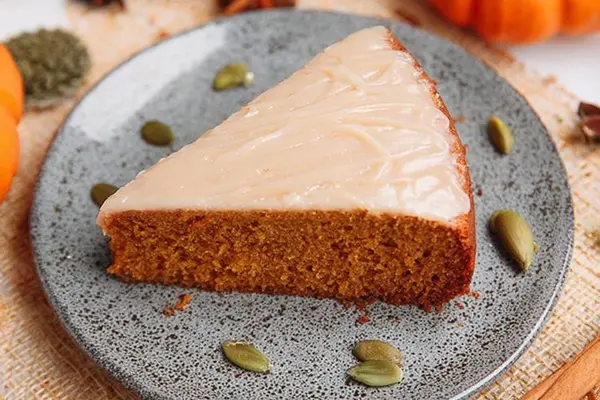
Pumpkin Olive Oil Cake with Maple Glaze
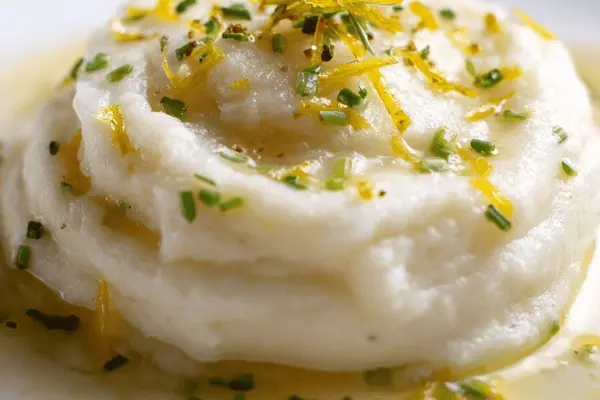
Celeriac Puree with Parsnip & Crème Fraîche
Homemade BBQ Sauce

Buffalo Chicken Nachos with Avocado

Cookies With Lemon Glaze: Vegan Royal Icing
Grilled Zucchini with Peppers and Eggplant

Air Fryer Quiche with Bacon and Kale
Chocolate Chip Cookie Recipe with 3 Chips
Cream Wafers with Vanilla Buttercream
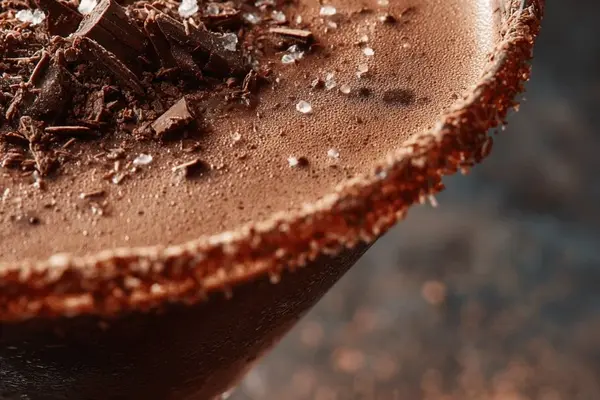
Chocolate Martini with Hazelnut Liqueur
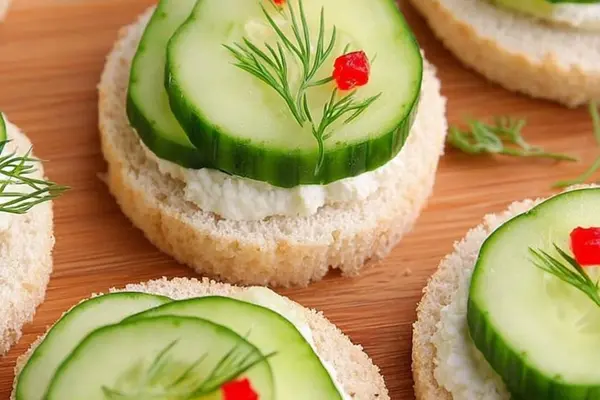
Cucumber Appetizers with Cream Cheese
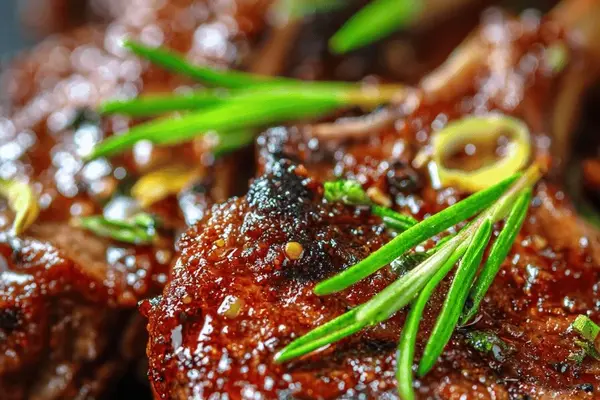
Grilled Lamb Chops with Honey Mustard Glaze
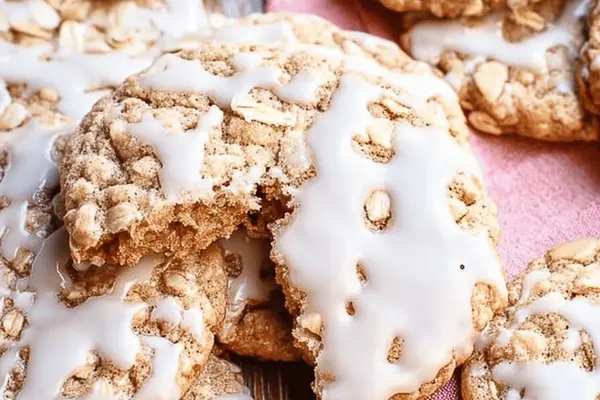
Maple Glazed Oatmeal Cookies with Cinnamon
Pineapple Upside Down Cake Recipe
Slow Cooker Beef Stew with Red Wine
Pineapple Lime Shaved Ice with Vanilla Ice Cream