
Cauliflower Gratin with Spelt Grains
By Emma
Certified Culinary Professional
·
Recipe tested & approved
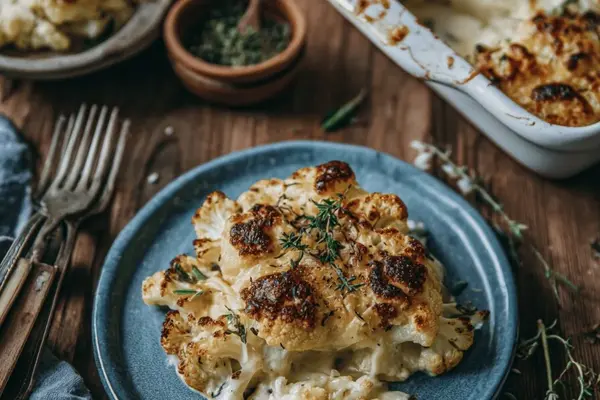
Creamy cauliflower gratin layered with spelt grains, béchamel sauce, Gruyère and Parmesan cheese. Nutmeg and smoked paprika add warmth to this vegetarian casserole.
Prep:
35 min
Cook:
50 min
Total:
1h 25min
Servings:
6 servings
Spelt grains absorb everything. The shallots, the broth, the wine—all of it becomes part of the grain itself. Layer that with cauliflower, drown it in béchamel, top it with cheese that crisps under heat. This is the gratin that doesn’t feel light. Doesn’t apologize for being comfort food.
Why You’ll Love This Cauliflower Au Gratin
Make-ahead without the soggy mess. Chill it up to 6 hours, bake cold, and the texture holds. Grains stay chewy, cauliflower stays tender, cheese crust actually crisps.
Vegetarian without feeling like a compromise. The spelt does real work here—it’s not a side to the cheese, it’s equal. Substantial. Feeds four people and nobody’s looking for meat.
One dish. One oven. Prep takes time, but everything happens in one pot, one pan, one baking vessel. Cleanup isn’t nothing, but it’s fast.
Smoked paprika instead of cayenne. Warmer. More complex. Tastes like someone actually thought about the flavors instead of just heating it up.
Works with what you have. Broccoli instead of cauliflower. Comté instead of Gruyère. It all holds. The technique matters more than the exact ingredients.
What You Need for Baked Cauliflower and Cheese
Spelt grains. Hulled or pearled—pearled cooks faster. Rinse it first. About 220 grams, give or take.
Shallots and garlic. Two shallots, finely chopped. Three cloves of garlic, minced. Don’t skip the shallots. They’re sweeter than onion, dissolve into the grains.
Olive oil or clarified butter. 50 milliliters. Clarified butter browns less aggressively if you’re nervous about heat. Oil works fine.
Dry vermouth or dry white wine. 100 milliliters. The wine deglazes the pan, scrapes up all the flavor bits. Use something you’d actually drink.
Broth—vegetable or chicken. 700 milliliters. Vegetable tastes cleaner. Chicken tastes richer. Pick one.
Bay leaf. Salt. Black pepper.
Cauliflower. One medium head, broken into small florets. Not tiny—you want them to hold their shape. Too small and they disappear into sauce.
Butter. 60 grams for the béchamel. Cold helps, but warm works.
All-purpose flour. 45 grams. This thickens the sauce.
Whole milk. 700 milliliters, warmed before you add it. Cold milk plus hot roux makes lumps.
Parmesan cheese. 60 grams grated, fresh. Not the shaker can. Actually grate it.
Nutmeg and smoked paprika. Just a quarter teaspoon each. Nutmeg goes into the sauce. Paprika too.
Panko breadcrumbs mixed with remaining Parmesan. Two tablespoons breadcrumbs. Just enough to create a crust.
Gruyère or aged cheddar. 120 grams. Gruyère tastes more complex. Aged cheddar tastes sharper. Both work. Both melt.
How to Make Baked Cauliflower Au Gratin
The spelt mixture comes first. Warm the oil in a large skillet over medium-high heat. When it shimmers, add shallots and garlic. Stir for about 3 minutes until they turn translucent and smell punchy. Watch them—they brown fast and that’s where flavor turns bitter. Not there yet.
Add the rinsed spelt. Toss it around for a minute, coating everything in oil. Salt and pepper now—plenty of pepper. The grains taste different when seasoned early.
Pour in the vermouth. Let it bubble hard. Stir and watch it reduce until almost dry. You’ll hear the sizzle slow down. That’s when you know the wine’s done its job.
Pour in broth with the bay leaf. Crank the heat until it boils, then cover it and drop the heat to medium-low. Simmer 18 to 20 minutes. The liquid absorbs, grains puff up, but they should still have bite. Taste one. If it’s mushy, you overcooked it. If it’s too firm, add a tablespoon or two of water and cook a few more minutes.
Salt and pepper again if it needs it. Pull out the bay leaf. Leave it uncovered to cool a bit.
While the spelt’s going, start the cauliflower. Preheat the oven to 190°C. Middle rack.
Bring a pot of salted water to boil. Blanch the cauliflower for about 6 minutes. You want it tender-crisp. Poke it with a fork—slight resistance but not crunchy. Drain it thoroughly. This matters. Wet florets make a soggy gratin. Toss them on a kitchen towel if you need to dry them out more.
How to Get the Cheese Crust Crispy and the Sauce Perfect
Make the béchamel while everything else finishes. Medium heat, melt the butter in a saucepan. When the foaming stops but before it browns, sprinkle in the flour. Whisk it hard for about 90 seconds. This cooks out the raw flour taste and builds the roux. It should smell slightly nutty. No color darkening.
Slowly pour in the warmed milk while whisking constantly. This is the part where people get lumps. Don’t rush. Keep whisking. Bring it to a gentle boil, keep stirring. When it thickens—when it coats the spoon—reduce the heat. Let it simmer for 5 to 7 minutes, stirring often. The sauce gets luscious this way. Not gluey. If it’s too thick, splash in more milk. Too thin? Return it to low heat and let it reduce a bit more.
Off the heat, whisk in half the Parmesan, the nutmeg, the smoked paprika. Salt carefully. The cheese is already salty. Taste it. Adjust.
Mix the remaining Parmesan with the breadcrumbs in a small bowl. This is your crust topping. Press it lightly onto the béchamel layer but don’t compact it.
Layer everything in a large ovenproof dish. Spread the spelt in an even layer across the bottom. Scatter cauliflower on top. Ladle the béchamel evenly over the cauliflower—don’t leave dry spots. Sprinkle the Gruyère generously. Top with that breadcrumb-Parmesan mixture.
Cover loosely with foil and chill if you want. Up to 6 hours. Bring it to room temperature before baking.
Bake uncovered for 20 to 25 minutes or until the cheese melts and turns golden brown and the edges bubble. Watch the last 5 minutes closely. The color changes fast. You want crispy. Not burnt.
Remove it. Let it rest for 15 minutes. The cuts are cleaner this way. The flavors settle.
Cauliflower Cheese Bake Tips and Common Mistakes
Don’t skip blanching the cauliflower. Raw florets release water into the béchamel. The whole gratin turns soft and sad. Six minutes in boiling salted water gives you tender-crisp without releasing all that moisture.
Drain everything thoroughly. After blanching, let the cauliflower sit on a towel. A few minutes. Patience here pays off in crispness later.
The roux color matters. Pale golden with a nutty smell. Too dark and the whole sauce tastes burnt. Too pale and the sauce tastes like flour. There’s a sweet spot. You’ll recognize it when you smell it.
Warm milk into hot roux prevents lumps. Cold milk seizes up the roux. Lumps form. You can whisk through it, but why bother. Warm the milk first.
Too thick sauce? A splash of milk thins it. Too thin? A flour slurry whisked in carefully—equal parts flour and water mixed into a smooth paste, then added while whisking—fixes it. Or just let it simmer a bit longer on low heat.
Spelt sometimes cooks faster if it’s pearled. Adjust the time down slightly. Taste it at 15 minutes if it’s pearled.
You can make the spelt in advance. Cook it the day before. Reheat it gently with a bit of broth before assembling the gratin. Weeknight shortcut.
Smoked paprika adds warmth. It’s earthier than cayenne, less spicy. If you want actual heat, add cayenne instead. If you want smoky, use the paprika.
Substitutions work fine here. Broccoli instead of cauliflower changes the texture but not the technique. Comté instead of Gruyère works. Aged cheddar definitely works. Fresh Pecorino works for Parmesan. Trust the technique more than the exact ingredient.
The layering creates texture. Chewy spelt grains. Tender cauliflower. Creamy sauce underneath. Crispy cheese crust on top. All of it together is the point. One layer can’t carry the dish alone.
Cauliflower Gratin with Spelt Grains
Prep:
35 min
Cook:
50 min
Total:
1h 25min
Servings:
6 servings
Ingredients
- Spelt mixture
- 220 g (about 1 cup) spelt grains, rinsed
- 2 medium shallots, finely chopped
- 3 cloves garlic, minced
- 50 ml (3 1/2 tbsp) olive oil or clarified butter
- 100 ml (a little less than 1/2 cup) dry vermouth or dry white wine
- 700 ml (about 3 cups) vegetable broth or chicken broth
- 1 bay leaf
- Salt and freshly ground black pepper
- Gratin
- 1 medium cauliflower, broken into small florets
- 60 g (1/4 cup) unsalted butter
- 45 g (1/3 cup) unbleached all-purpose flour
- 700 ml (3 cups) whole milk, warmed
- 60 g (3/4 cup) fresh Parmesan cheese, grated
- 1/4 tsp ground nutmeg
- 1/4 tsp smoked paprika instead of cayenne pepper
- 2 tbsp Panko breadcrumbs mixed with remaining Parmesan
- 120 g (1 cup) grated Gruyère or aged cheddar cheese
Method
- Spelt mixture
- 1 In a large heavy skillet (cast iron works), warm oil over medium-high heat. Toss in shallots and garlic. Stir and sauté until translucent and aroma punches—watch closely to avoid browning, about 3 minutes.
- 2 Add the rinsed spelt grains, toss to coat, cook stirring 1 minute. Salt and plenty of black pepper here.
- 3 Splash in the vermouth (or wine). Let it bubble hard, stirring, reduce until almost dry. This deglazes, scrapes flavor bits off pan. If you hear a soft sizzle slowing, ready for next step.
- 4 Pour in broth with bay leaf. Crank heat until broth just boils, then cover, turn to medium-low. Simmer 18-20 minutes. Liquid should mostly absorb, grains plump but still have bite—taste test essentials. Too mushy means overcooked; way too firm, add 1-2 tbsp water and cook few minutes.
- 5 Salt and pepper again if needed. Remove bay leaf. Set aside uncovered to cool slightly.
- Gratin
- 6 While spelt cooks, preheat oven to 190°C (375°F). Position rack center.
- 7 Blanch cauliflower florets in salted boiling water 6 minutes or until tender-crisp, not mushy. Tap florets with fork; slight resistance but no crunch. Drain thoroughly—wet florets mean soggy gratin. Toss on kitchen towel if needed.
- 8 In a medium saucepan over medium, melt butter. When foaming stops but not browned, sprinkle in flour. Stir vigorously with whisk for 1 1/2 minutes. This cooks raw flour taste and builds roux — must smell slightly nutty but no color darkening.
- 9 Slowly pour in warmed milk while whisking constantly to avoid lumps. Bring to gentle boil, stir continuously. When thickened to creamy sauce, reduce heat. Let simmer 5-7 minutes stirring often; sauce will coat spoon thickly.
- 10 Off heat, whisk in half Parmesan, nutmeg, smoked paprika. Salt carefully; cheese is salty already. Sauce should be luscious, not gluey. If too thick, splash milk. Too thin? Return to low heat, stir till thickens more.
- 11 Mix Parmesan with breadcrumbs in small bowl for crunchy topping.
- 12 In a large ovenproof dish, spread spelt in an even layer. Scatter cauliflower on top.
- 13 Ladle béchamel evenly over cauliflower. Sprinkle Gruyère generously.
- 14 Top with breadcrumb-Parmesan mix for contrast. Press lightly to stick but don’t compact.
- 15 Cover dish loosely with foil and chill if desired up to 6 hours—makes ahead without sogginess. Bring to room temp before baking.
- 16 Bake uncovered 20-25 minutes or until cheese melts and golden brown, bubbling edges, crust crisp but not burnt. Watch closely last 5 minutes; color changes fast.
- 17 Remove from oven, let rest 15 minutes. Cuts cleaner; flavors settle.
- 18 Serve with kale salad dressed simply with lemon and celery for crisp bite.
- Notes and tips
- 19 Spelt sometimes sold as hulled or pearled—pearled cooks faster. Adjust times slightly. Can swap out cauliflower for broccoli or Romanesco—changes texture, flavors but works fine.
- 20 Smoked paprika adds warmth and earthiness—more complex than plain cayenne, less heat. Add cayenne if you crave kick.
- 21 If no fresh Parmesan, use fine aged Pecorino or Grana Padano. For Gruyère replacements, aged Cheddar or Comté work.
- 22 Béchamel can be made dairy-free with oat or almond milk and vegan butter; texture differs but still creamy.
- 23 For quick weeknight, cook spelt in advance, reheat gently with broth before assembling.
- 24 Always drain cauliflower thoroughly, no shortcuts; moisture kills crisp topping.
- 25 Too thick béchamel? A splash of pasta water thins beautifully. Too thin? Flour slurry carefully added while whisking fixes it.
- 26 Cooking times always secondary to visual cues: bubbling sauces, golden crusts, grains tender but chewy, cauliflower yielding when pierced.
- 27 Brown roux too dark burns sauce flavor; pale golden with nutty aroma is sweet spot.
- 28 The layering creates textural adventures — chewy grains, tender veggie, creamy sauce, crispy topping. Trust your nose and eye more than clock.
Nutritional information
Calories
420
Protein
18g
Carbs
38g
Fat
22g
Frequently Asked Questions About Baked Cauliflower Au Gratin
Can I make this ahead and bake it later? Up to 6 hours covered in the fridge. Bring it to room temperature before baking or add 5 to 10 minutes to the baking time. Cold gratin bakes slower.
What if my béchamel is too thick? Pour in a splash of milk and whisk it in. Happens constantly. Not a problem.
Can I use dried herbs instead of fresh? Haven’t tried it with dried. Fresh Parmesan matters more here than herbs anyway.
Do I really need to blanch the cauliflower? Yes. Raw cauliflower releases too much moisture. Blanching sets it, keeps it tender-crisp instead of mushy. Don’t skip it.
What’s the difference between hulled and pearled spelt? Pearled cooks faster—maybe 2 to 3 minutes less. Hulled takes the full time. Check at 15 minutes if you use pearled.
Can I substitute oat milk for whole milk in the béchamel? It works. Texture’s different—slightly thinner even after simmering. Use a bit less and reduce it longer if you need it thicker.
Why smoked paprika instead of cayenne? Cayenne brings heat and sharpness. Smoked paprika brings warmth and depth. This gratin doesn’t need heat. It needs complexity. Use cayenne if you actually want spice.
How do I know when the spelt is done? Taste it. Grains should be plump but still have a slight chew. Not mushy. Not hard. The liquid should mostly absorb but a little moisture remaining is fine.
Can I use Romanesco instead of cauliflower? Sure. Texture’s slightly different but it works. Cook time similar.
You’ll Love These Too
Explore all →
Oven Roasted Corn with Fresh Basil

Spiced Rum Glazed Butter Cookies with Apricots
Lamb Chop Recipe with Pomegranate Glaze
Holly Jolly Jello Shots with Vodka & Condensed Milk
Banana Bread With Walnuts & Cinnamon Streusel
Salted Caramel Shortbread Bars with Chocolate
Red Velvet Brownies with Mascarpone Swirl
Chicken Wing Rub with Paprika & Cayenne
Banana Chocolate Chunk Bread Recipe

Pickled Carrots with Apple Cider Vinegar

Iced Coffee Dessert with Vanilla Ice Cream

Almond and Cherry Loaf with Sour Cream
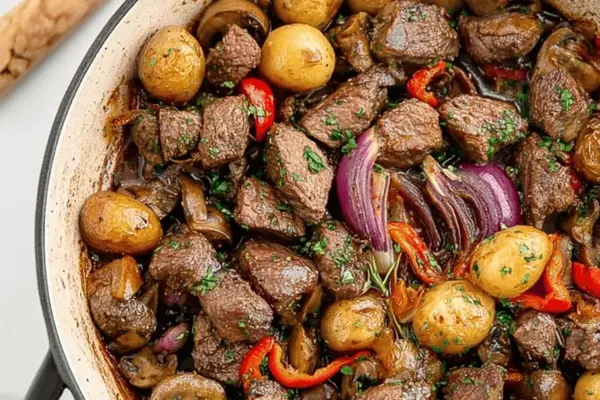
Beef Stir Fry with Potatoes and Mushrooms
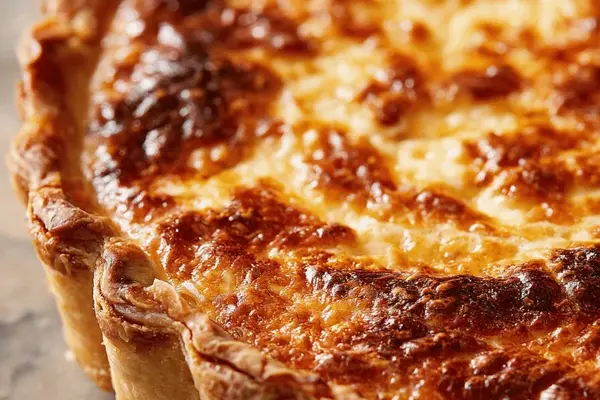
Savory Pastry Dough with Pork Fat

Garlicmayo Recipe with Sunflower Oil
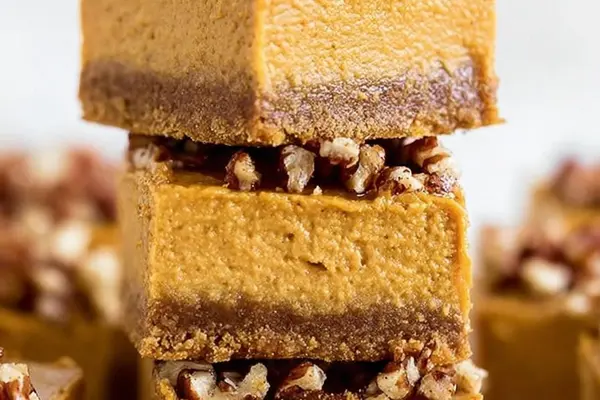
No Bake Pumpkin Cheesecake Recipe
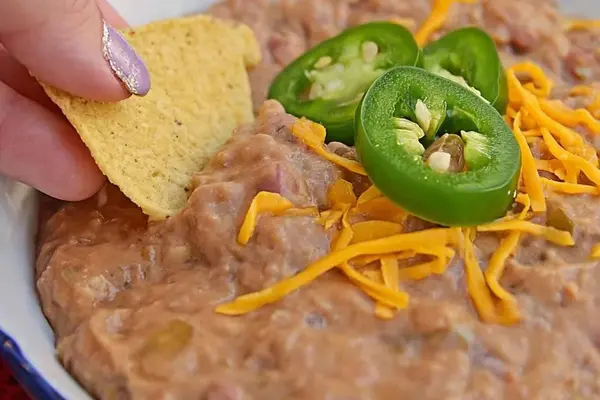
Bean Pinto with Garlic, Cumin & Cheddar
Balsamic Vinaigrette Recipe with Avocado Oil
Beef Tenderloin With Crab Stuffing