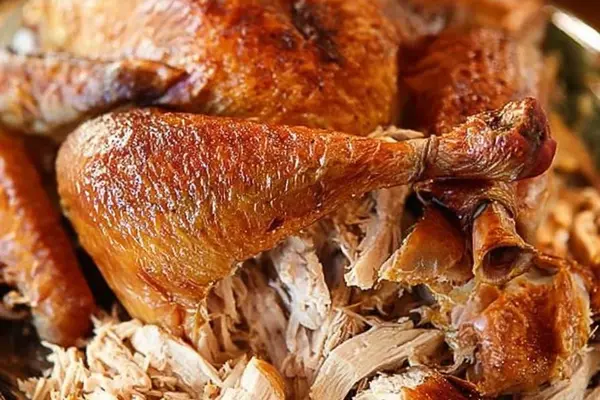
Roasted Turkey Recipe with Smoked Paprika
By Emma
Certified Culinary Professional
·
Recipe tested & approved
Flip it breast-side down first. That’s the move. Most people don’t—they just shove it in whole and wonder why the thighs stay pink while the breast dries out. Spatchcock the turkey, flatten it, roast it hot and fast. 75 minutes total. Done.
Why You’ll Love This Roasted Turkey
Doesn’t take all day. That’s the whole thing—75 minutes, not five hours hovering around an oven. Tastes better than a whole bird because the meat actually cooks evenly. Skin gets crispy everywhere, not just the spots that faced the heat. And the spatchcocked turkey cooks faster without drying out the white meat. One roasting pan, one cleanup. The veggies underneath turn into this caramelized side dish thing. Works cold the next day—honestly might be better that way.
What You Need for a Spatchcock Turkey
One 12- to 14-pound turkey. Get it dry before you do anything. Moisture is the enemy of crispy skin.
Four cups mixed root vegetables. Carrots, celery, onions. Chop them chunky—not dice. The size matters because they’re your roasting rack. Parsnips work if you want them. Doesn’t matter much what else goes in.
Olive oil. A quarter cup. Not the fancy stuff. Just olive oil.
Smoked paprika. A tablespoon. Not poultry seasoning. Poultry seasoning tastes like Thanksgiving from 1987. Smoked paprika is better. Salt and pepper—kosher salt, 2 teaspoons, black pepper 1 teaspoon.
Nonstick spray and foil for the pan. Aluminum foil, not parchment. Parchment does weird things at 450.
How to Spatchcock a Turkey
Get the turkey on a cutting board. Pat it completely dry with paper towels. Wet skin won’t get crispy. Find the backbone. It runs along each side of the bird from tail to neck. Use poultry shears—kitchen knife works but shears are safer if you know what you’re doing. Cut along one side of the backbone first, then the other side. Take your time. Some bones pop easy. Some don’t. Use both hands if the shears are resisting. You can save the backbone for stock or toss it—doesn’t matter.
Now flip it breast-side up. Put your hands flat on the center of the breast. Press down hard. Not gentle. Push until you hear snaps. Keep pressing. The sternum cracks, the bird flattens. This is what opens it up for even heat. Flat bird, even cooking. Whole bird, dried-out breast.
How to Cook a Spatchcooked Turkey
Oven to 450°F while you prep. Line a rimmed baking sheet with foil, spray lightly with cooking spray. Throw your veggies on there—don’t arrange them neat. Just scatter them. They’re a roasting rack and a side dish.
Pat the turkey dry again. This matters. Mix the olive oil, smoked paprika, salt, and pepper in a bowl. Brush it all over the bird—top, bottom, under the wings, under the breast skin if you can get in there without tearing. Don’t skimp. Tuck the wing tips underneath so they don’t char.
Turkey on the counter for 20 minutes while the oven heats. This lets the meat relax before heat hits it. Juices stay put instead of rushing to the surface.
Slide the turkey skin-side down on top of the veggies. It goes in at 450. Set a timer for 37 minutes, then rotate the pan. Don’t rotate the turkey—just turn the pan so the back’s now the front. This helps both sides crisp up even.
Cook another 38 minutes or until the thickest part of the thigh reads 165°F on a meat thermometer. Breast usually sits around 155°F at this point. That’s fine. Residual heat keeps cooking as it rests. The skin should look deep golden brown, almost dark in spots. If edges start blackening, tent foil loosely over the top. Ovens run different so don’t trust time alone. Watch it.
Pull it out when it’s done. The juices should run clear from the thigh. If you see pink liquid pooling, give it another 5 minutes.
Spatchcock Turkey Tips and Common Mistakes
Don’t skip the drying step. This is where people mess up. Wet skin steams instead of crisps. Pat it down twice if you have to.
The backbone removal is the annoying part. Shears help. If yours are dull, they’ll fight you—sharpen them first or you’ll be there forever.
Flattening the bird matters more than people think. A lot of people skip this and just roast a spatchcock turkey whole, but flat is the whole point. The press-down motion breaks the sternum and opens everything up.
The spatchcook method seems like more work upfront but saves 2+ hours in the oven. That’s real. And the meat’s juicier because it’s not sitting in 400-degree heat for half a day.
If the skin’s getting too dark before the thigh hits 165, tent foil. But usually 75 minutes works. Seventy-five minutes total—prep and all.
Meat thermometer in the thigh. Not the breast. Thigh takes longer and if the thigh’s done, everything’s done.
Roasted Turkey Recipe with Smoked Paprika
Prep:
25 min
Cook:
75 min
Total:
1h 40min
Servings:
10 servings
Ingredients
- 1 whole turkey about 12 to 14 pounds
- 4 cups coarsely chopped mixed root vegetables (carrots, celery, onions)
- 1/4 cup olive oil
- 1 tablespoon smoked paprika
- 2 teaspoons kosher salt
- 1 teaspoon freshly ground black pepper
- nonstick cooking spray
- foil for lining pan
Method
- Preparing the roasting base
- 1 Line a rimmed baking sheet with aluminum foil, spray lightly with nonstick spray. Throw on your rough chopped veggies—don’t fuss, keep them chunky. I usually grab carrots, celery, and onions for that earthy aroma, but a parsnip or two wouldn’t hurt. This acts as a natural roasting rack, prevents hot pan spots, and adds flavor notes.
- Breaking down the bird
- 2 Flip the turkey breast-side down on a big cutting board. Pat dry—moist skin means less grip and mess. Grab your poultry shears; if yours aren’t sharp enough, apply some muscle, but take care. The backbone’s a pain, cut along each side from tail to neck—some bones stubborn, use both hands on the shears. Using a knife’s an option but riskier—took me years to trust shears over knives here. You can save the backbone for a quick stock or toss it. Then flip bird over breast-up, hands flat and center of breast, press down hard. Press until you hear a couple snaps—this flattens for even heat penetration. Don’t be shy—flatter’s better.
- Seasoning and prepping
- 3 Mix oil, smoked paprika (swap from poultry seasoning for a punchy twist I prefer), salt, and pepper in a medium bowl. Dry the turkey again—especially inside now exposed. Brush liberally; don’t be shy. Rub some under breast skin if you manage. That extra rub really brings flavor in but be gentle to avoid tearing skin. Tuck wing tips underneath chicken so they don’t burn or dry out—small flashpoint in ovens.
- Cooking process
- 4 Oven up to 450°F, allow turkey to rest 20 minutes on the counter while it heats. That little rest makes juices happy. Slide the bird on top of veggies, smooth side down. Cook 60 to 75 minutes; halfway turn pan for even exposure. Look for bubbling juices and the skin crisps up with deep golden brown. Check thick part of thigh for 165°F with a meat thermometer—you want that resistance and clear juices. Breast usually reads about 155°F then. Residual heat finishes breast as it rests. If skin edges start too dark, tent foil. Ovens vary wildly so watch not just clock. Juicy and cooked, not dried.
- Rest and serve
- 5 Once out, rest for 15 to 20 minutes uncovered. Juices redistribute—cut too soon and they’ll run right out, dry carcass later. Carve usual way after. The veggies underneath soak up drippings, good quick side or base for gravy if you’re feeling fancy.
Nutritional information
Calories
120
Protein
18g
Carbs
3g
Fat
5g
Frequently Asked Questions About How to Cook a Turkey
What’s the difference between a spatchcock turkey and a regular roasted turkey? Spatchcocked means flattened. The backbone’s out, the bird’s pressed flat, everything cooks at the same speed. Regular roasted turkey takes three times as long because the thighs and breast are different distances from the heat. Spatchcock is faster and juicier.
Can I use a different seasoning instead of smoked paprika? Yeah. Poultry seasoning works. So does garlic powder and thyme. Smoked paprika just tastes less like something your grandma made in 1993. But if that’s what you have, use it.
How do I know when the turkey is actually done? Meat thermometer. 165°F in the thickest part of the thigh. Stick it in there—not touching bone. That’s the only way to know. Time lies. Thermometers don’t.
Can I cook this on a regular baking sheet or does it need to be rimmed? Rimmed. You need the edges to catch drippings. The veggies release liquid and it pools. Non-rimmed sheet means it all slides off the end. That’s a mess.
What do I do with the roasted vegetables underneath? Eat them. They’re good. Soft, caramelized, soaked in turkey fat. Or use them as a base for gravy if you want to get fancy. Most people just eat them as a side.
How long can I store leftovers? Three days in the fridge in a container. The meat dries out if you leave it uncovered. Cold turkey sandwiches the next day are better than hot turkey, honestly.
You’ll Love These Too
Explore all →
Candied Sweet Potatoes With Pecans
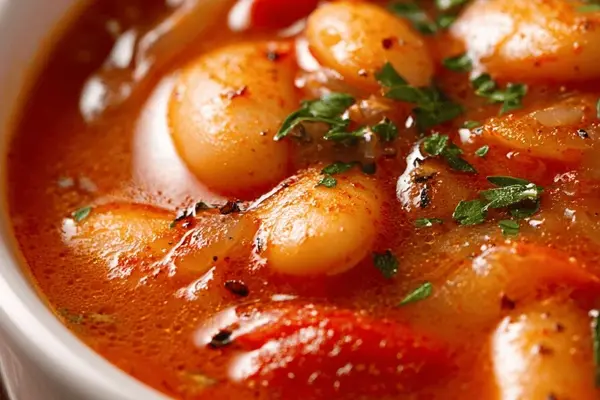
Cannellini Beans Soup Recipe
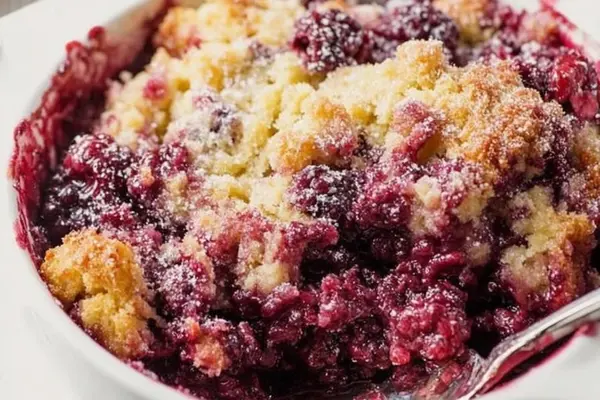
Easy Blackberry Cobbler with Cake Mix
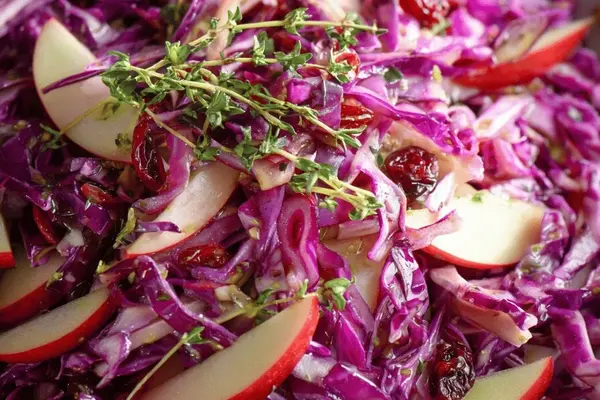
Red Cabbage Apple Salad with Fennel
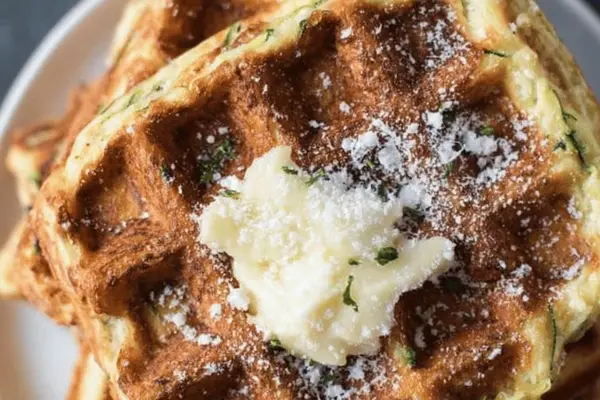
Baked Zucchini With Parmesan Cheese
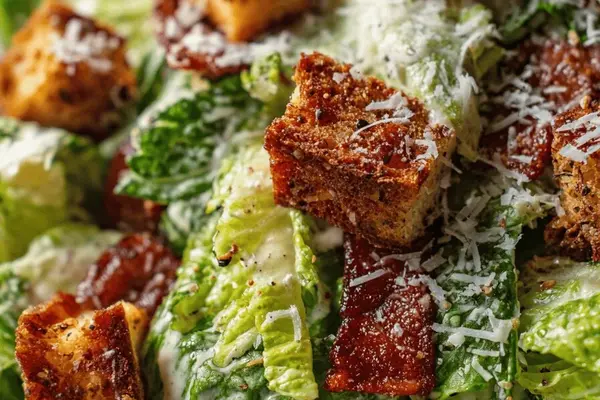
Light Caesar Salad with Tofu Mayo & Turkey Bacon
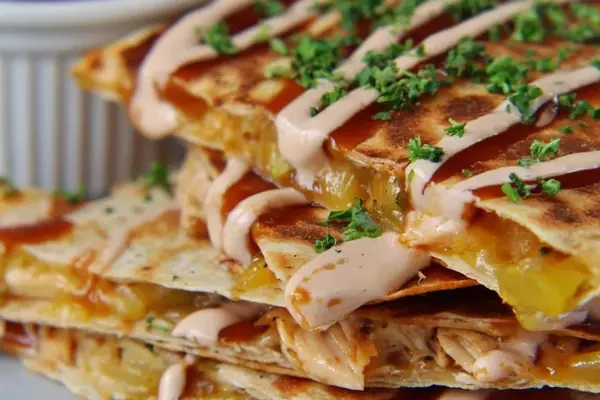
BBQ Chicken Quesadillas with Pineapple
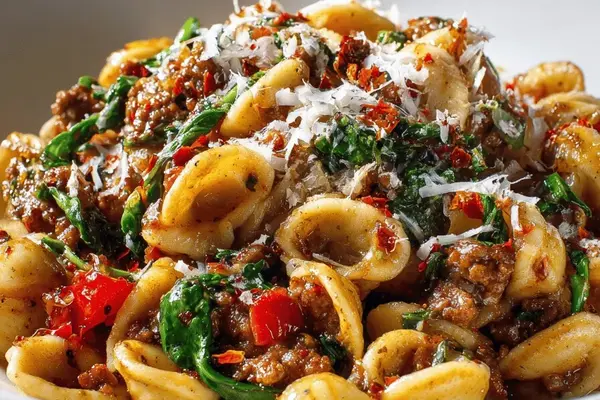
Arrabbiata Sauce Pasta with Spicy Sausage
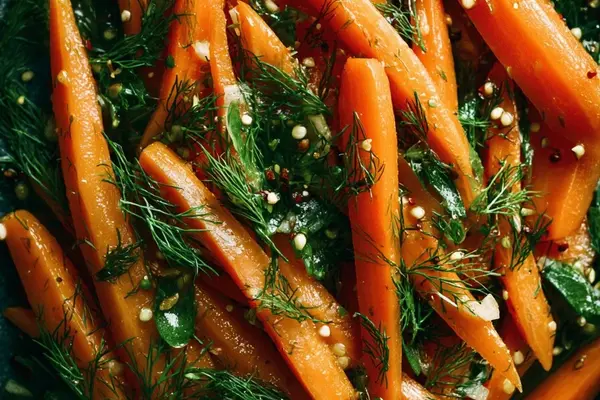
Recipe For Making Tartar Sauce
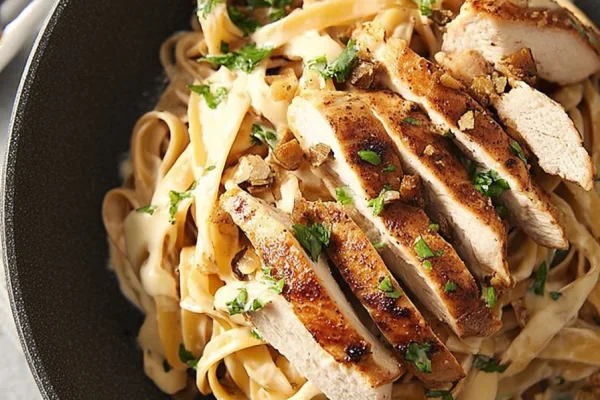
Cajun Chicken Alfredo Pasta
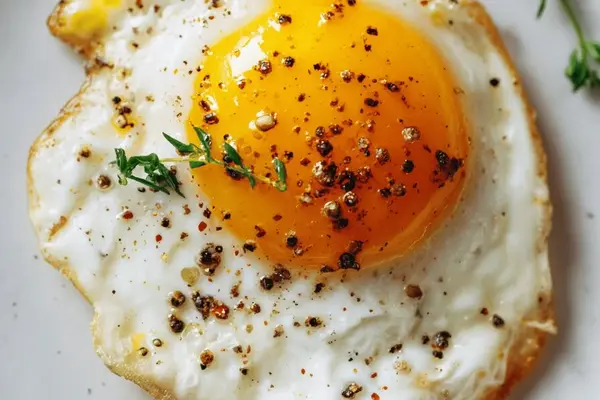
Sunny Side Up Eggs with Olive Oil
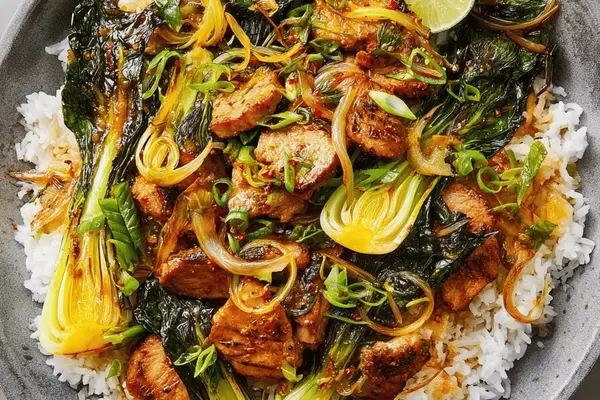
Ginger Pork Stir-Fry with Lime & Bok Choy
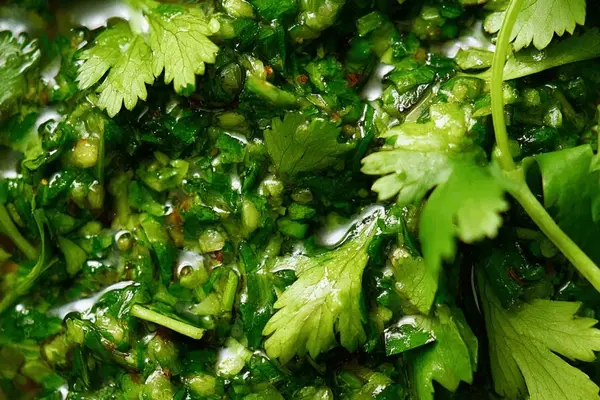
Mexican Salsa Verde with Serrano Peppers
Chicken Broccoli Tortellini with Cheese
Breakfast Casserole with Sausage & Hash Browns
Cranberry Punch Recipe with Apple Cider
Green Juice with Kiwi, Orange & Kale
Dairy-Free Corn Crumble with Lemon Zest
Balsamic Vinaigrette Recipe with Avocado Oil