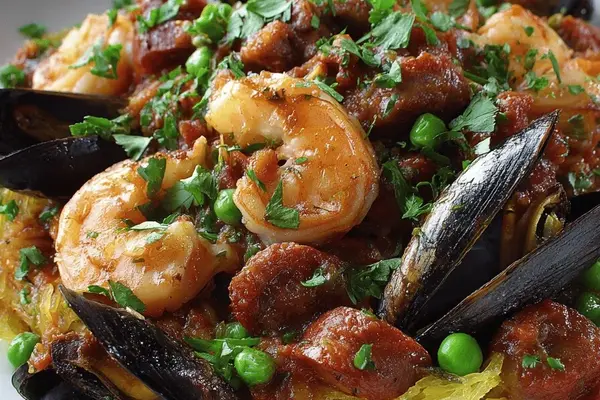
Seafood Paella with Spaghetti Squash
By Emma
Certified Culinary Professional
·
Recipe tested & approved
Roast the spaghetti squash first—40 to 45 minutes at 200°C. While that’s going, the seafood paella comes together in one pan. Mussels, cod, shrimp, all of it hits the skillet at the right moment so nothing overcooks. The chistorra sausage renders its fat, the spices bloom, vermouth reduces to almost nothing. Then the broth, the tomatoes, the seafood. Done in under an hour total, not counting the squash.
Why You’ll Love This Seafood Paella
One pan. Everything cooks together—sausage, shellfish paella flavors building on each other without a dozen dishes stacking up.
Feels fancy. Tastes like you spent all day on it. Takes 25 minutes of actual work.
Seafood stays tender because you’re not overcrowding and you watch it. The broth reduces fast enough that it doesn’t turn into soup.
Works as a weeknight dinner or something you make when people are coming over. Spaghetti squash instead of rice means lighter eating without feeling like you’re dieting.
Chistorra packs more heat and garlic than regular chorizo. Cleaner finish too—less grease pooling on top.
What You Need for This Seafood Paella
Spaghetti squash. About 1.1 kg. The flesh shreds into strands and soaks up all the broth flavors instead of turning mushy like regular rice can.
Chistorra sausage—120 grams, sliced. Spicier than chorizo. If you can’t find it, chorizo works but use less. It’s greasier.
One yellow bell pepper and one shallot. Both diced small. Pepper goes soft but keeps some structure. Shallot dissolves almost completely and adds sweetness without being obvious.
Two garlic cloves minced. Add it last—garlic burns if it hits the hot oil first.
Smoked paprika, chipotle flakes, turmeric. Half a teaspoon each, roughly. The paprika gives you color and depth. Chipotle brings heat. Turmeric adds this warm earthiness that most people don’t taste directly but feel somehow.
Dry vermouth—100 milliliters. Sherry works if that’s what you have. It deglazes the pan and reduces to almost nothing, leaving behind aroma and acidity.
Fire roasted tomatoes from a can. Drained. 400 milliliters. Use fire roasted specifically—regular canned tastes flat compared.
Vegetable broth. 125 milliliters. Chicken broth changes the flavor too much toward poultry. Vegetable keeps it about seafood.
The seafood: 400 grams mussels cleaned, 350 grams cod chunks, 400 grams shrimp thawed. Fresh mussels are better but frozen works. Cod is mild and flakes without falling apart. Shrimp you want medium-sized so they don’t disappear.
Green peas. 200 milliliters frozen. They add sweetness and crunch. Textural thing mostly.
Butter and olive oil. 30 milliliters butter for the squash after it roasts. 20 milliliters olive oil for the pan. Both matter.
Flat leaf parsley. Fresh. 40 milliliters chopped. This goes in at the end and cuts through the richness.
Salt and pepper.
How to Make Paella de Marisco
Start with the squash. Set your oven to 200°C and put the rack in the middle. Line a tray with parchment or foil. Halve the squash lengthwise, scrape the seeds out but leave the membrane. Salt and pepper the flesh lightly. Place it cut side down and roast for 40 to 45 minutes depending on size. You’re looking for the flesh to yield when you poke it with a skewer but not collapse. Let it rest 8 minutes when it comes out.
While that’s roasting, heat your olive oil in a large skillet over medium-high. Chistorra hits the pan sliced and fries until the fat renders and the edges get crispy—about 4 minutes. Add the diced pepper and shallot. Sweat them until they’re slightly soft but still have some bite, around 5 minutes, stirring constantly. The garlic goes in last minute. You add the smoked paprika, chipotle flakes, and turmeric all at once and stir until it smells like something—that bloom matters. A minute, maybe a bit more.
Pour the vermouth in. Watch it sizzle and reduce. Scrape the browned bits off the bottom of the pan. Let it reduce by half, which happens faster than you’d think. Add the drained tomatoes and vegetable broth, stir, bring it to a gentle boil. Now lower the heat and let it simmer for 3 to 4 minutes. The acidity mellows out and the flavors start to mesh.
How to Get Shellfish Paella Tender
Mussels go in next. Cleaned, so just rinsed and checked for cracks. Stir them gently into the broth, add the peas, cover the pan. Mussels take 3 to 4 minutes to open. Some won’t open—discard those. They’re not good.
Cod and shrimp go in after the mussels are mostly done. Fold them in carefully so you don’t smash the cod. Cover again and cook for 4 to 5 minutes, stirring once or twice gently. The shrimp should turn pink and the cod should flake but stay in chunks. This is where it gets finicky. Too long and everything’s rubbery and tight. Too short and the fish is still translucent in the middle. You have to watch it.
Taste the broth. Season it now with salt and pepper. The sausage has already salted things so go easy.
Paella Seafood Tips and Common Mistakes
The spaghetti squash texture is everything. Roast it too long and the fibers collapse into mush and everything sits in water. Roast it not long enough and you’re eating crunchy threads that refuse to absorb the broth. You’re looking for that specific give when you press it with a fork. Toss it with butter immediately after shredding—the butter keeps the strands silky instead of drying out and separating.
Chistorra versus chorizo—chistorra has more garlic and way less fat. Chorizo is oily. If you use chorizo instead, don’t use as much.
Vermouth and sherry are basically interchangeable here. Both reduce and leave behind aromatics. Vermouth’s slightly more herbal. Sherry’s slightly more mineral. Honestly either works.
The seafood timing is real. Mussels first because they take the longest to open. Cod and shrimp last because they cook fast. If you reverse it, the shrimp turns into a rubber pellet.
Peas are optional but they matter. They add one specific thing—a burst of sweetness and crunch that you don’t notice until it’s gone.
Parsley has to be fresh and chopped right before serving. Dried parsley tastes like hay. Pre-chopped parsley from a jar sits in its own moisture and turns black.
Seafood Paella with Spaghetti Squash
Prep:
25 min
Cook:
1h 15min
Total:
1h 40min
Servings:
6 servings
Ingredients
- 1 medium spaghetti squash about 1.1 kg (2.4 lb)
- 30 ml (2 tbsp) unsalted butter
- 120 g (4 oz) spicy chistorra sausage sliced
- 1 medium yellow bell pepper diced
- 1 medium shallot finely chopped
- 20 ml (1 1/2 tbsp) extra virgin olive oil
- 2 medium garlic cloves minced
- 5 ml (1 tsp) smoked paprika
- 2.5 ml (1/2 tsp) chipotle chili flakes or to taste
- 2.5 ml (1/2 tsp) turmeric powder
- 100 ml (about 1/2 cup) dry vermouth
- 400 ml (14 oz) canned fire roasted diced tomatoes drained
- 125 ml (1/2 cup) vegetable broth
- 400 g (14 oz) fresh mussels cleaned
- 200 ml (3/4 cup) thawed green peas
- 350 g (12 oz) cod fillets cut into chunks
- 400 g (14 oz) shelled medium shrimp thawed
- 40 ml (3 tbsp) fresh chopped flat leaf parsley
- Salt and cracked black pepper
Method
- 1 Set oven rack mid-level. Preheat oven to 200 C (390 F). Line baking tray with parchment or foil. Clean squash, halve lengthwise, scrape out seeds but keep membrane intact. Salt and pepper flesh lightly—seasoning penetrates shallow flesh well. Place cut side down on tray. Roast until flesh yields with a skewer but not mushy; around 40-45 minutes depending on size. Let rest 8 minutes. Using fork, shred flesh into strings, keep warm and toss with butter. Butter key to silky strands rather than drying out.
- 2 While squash roasts, heat olive oil in large skillet over medium-high. Add chistorra sausage slices and fry until fat renders and edges crisp, about 4 minutes. Add diced pepper and shallot, sweat till slightly soft but with bite, around 5 minutes stirring frequently. Garlic joins last minute to avoid burning. Toss in smoked paprika, chipotle flakes, and turmeric, stirring to bloom spices until fragrant—around 1 minute. Season with salt and pepper thoughtfully; sausage imparts saltiness.
- 3 Pour vermouth to deglaze pan, scrape browned bits, let simmer briskly to reduce by half. Add fire roasted tomatoes with juices and vegetable broth, stir and bring to gentle boil. Lower heat to simmer and reduce 3-4 minutes to thicken and blend acidity and spice.
- 4 Add cleaned mussels and peas, stir gently then cover. Mussels should open after 3-4 minutes—if some stay shut, discard. Next, fold in cod pieces and peeled shrimp. Cover again and cook 4-5 minutes stirring once or twice carefully so fish cooks through and shrimp pink up but stay tender. Pay attention to doneness here or risk rubbery seafood. Taste broth, adjust salt and pepper.
- 5 Just before serving, mix chopped parsley through sauce. Spoon generous portions over warm buttery spaghetti squash strands, letting juices mingle with the mellow sweetness of squash. Garnish extra parsley or lemon wedges for acidity if desired.
- 6 Watch squash texture. Over-roasting collapses fibers and leaves watery base. Under-roasting tough and crunchy. Flicker of orange hues from turmeric and chipotle brings warm earthiness. Chistorra packs more garlic bite than chorizo and less greasy residue. Swap vermouth for dry sherry if handy—both give aromatic lift. Use vegetable broth instead of chicken for full pescatarian twist. Peas add subtle crunch and burst of sweetness mid-bite. Parsley freshness crucial in cutting richness and balancing sea flavors.
Nutritional information
Calories
320
Protein
28g
Carbs
18g
Fat
12g
Frequently Asked Questions About Seafood Paella Recipe
Can I use regular rice instead of spaghetti squash? No. Totally different dish at that point. The squash is the whole thing. It’s lighter, it soaks up the broth differently, it doesn’t turn into mush when it’s wet. Rice paella is rice paella. This is squash paella.
How do I know when the mussels are done? They open. The shell pops. If it doesn’t pop after 4 minutes, discard it. Dead mussels stay shut.
The shrimp are still partially translucent in the middle. Should I cook longer? Yes. Give it another minute. Translucent means raw. They’ll firm up quick once they’re done. You’ll see the color change all the way through.
Can I make this ahead and reheat it? Technically yes. Reheat gently—medium heat, covered, until warm. Don’t blast it or the seafood toughens more. It’s better fresh though. The shrimp especially doesn’t improve sitting around.
What if I can’t find chistorra sausage? Chorizo works but use less because it’s greasier. Spanish chorizo is closer than Mexican chorizo. Any spicy sausage in a pinch, but the flavor shifts.
Can I substitute the cod? Halibut, haddock, anything firm-fleshed and mild. Avoid oily fish—salmon changes everything. Avoid delicate fish—sole falls apart.
Do I need to clean the mussels? Yes. Rinse them under cold water, pull off the beard if there is one, tap any that are open and they should close. If they stay open, discard them before cooking.
How much salt should I add? Start with less. The sausage brings salt, the broth brings salt. Taste the broth before the seafood goes in. Add a pinch. Taste again. You can always add more—you can’t take it out.
You’ll Love These Too
Explore all →
Banana Bread Brownies with Brown Butter Frosting
Strawberry Mint Infused Water Recipe
Mini Quiches with Ham, Endive & Gruyère
Crockpot Honey Teriyaki Chicken Recipe
Caramel Apple Cheesecake Dip Recipe
Crispy Tofu Rice Bowls with Snow Peas
Broccoli Cheddar Potato Skins with Sour Cream
Apple Bread Pudding with Caramel Sauce
Pimento Cheese with Manchego and Smoked Paprika
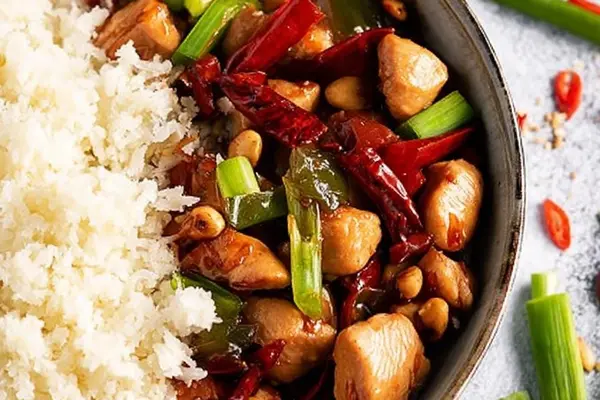
Kung Pao Chicken with Snap Peas
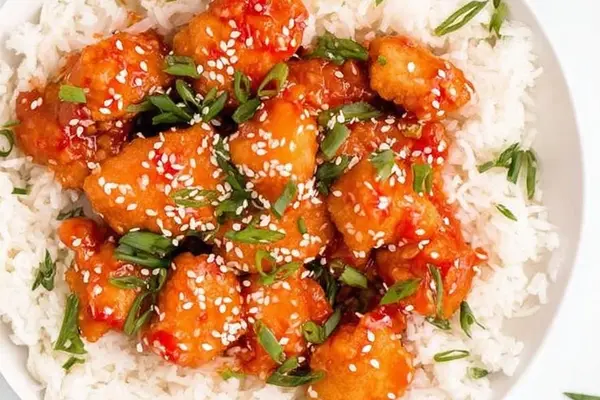
Crispy Chicken with Chili Garlic Sauce
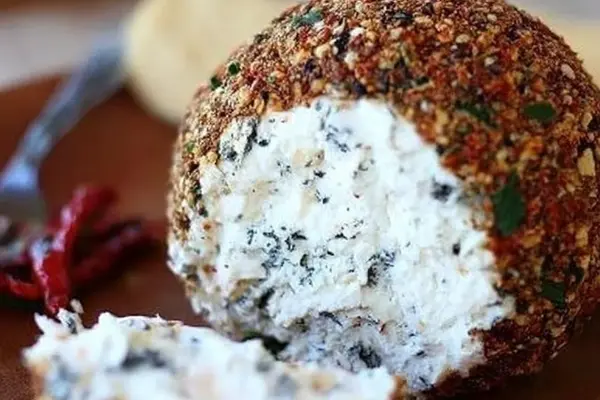
Peppery Ranch Cheeseball with Cream Cheese
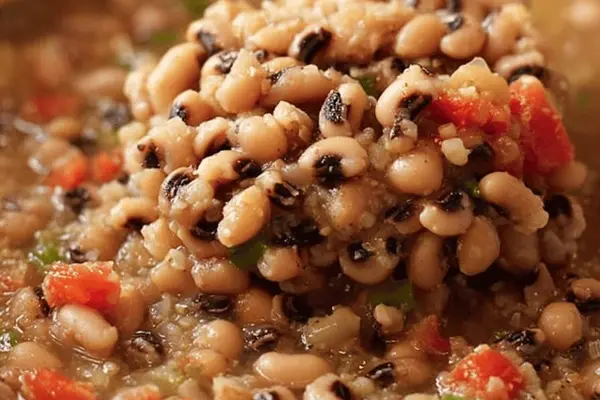
Black Eyed Peas with Smoked Pork
Mint Mojito Twist with Tequila & Lime
Asian Salmon Recipes with Citrus-Soy Marinade
No-Knead Overnight Rye Bread Recipe
Creamy Mushroom Sauce with Parmesan
Corn Casserole Dish with Creamed Corn
Strawberry Cake With Strawberries