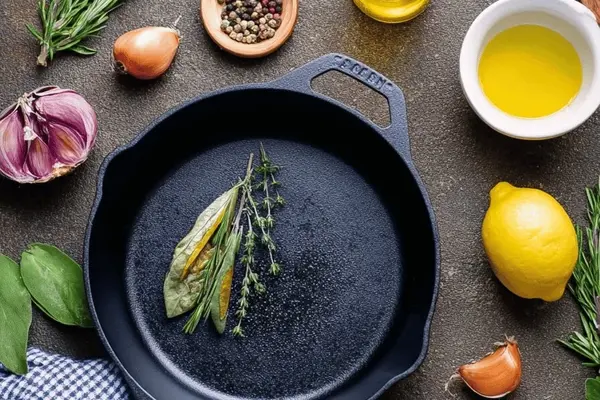
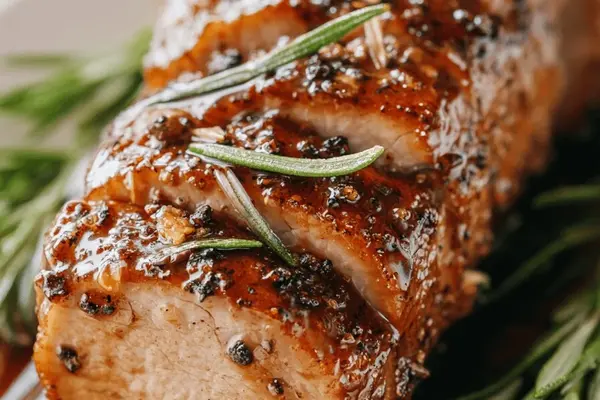
Pork Tender Loin Recipe with Honey Garlic
By Emma
Certified Culinary Professional
·
Recipe tested & approved
Sous vide pork tender loin roast with allspice rub, honey, garlic, and tamari sauce. Perfectly cooked at 66°C for tender, juicy results that hold 3 days.
Prep:
15 min
Cook:
4h 15min
Total:
4h 30min
Servings:
6 servings
Set the water bath to 150°F and walk away. Pork tenderloin shouldn’t be complicated, but it usually is—overcooked, dry, textured like a gym shoe. This one doesn’t do that. Sous vide locks in moisture and flavor for 4 hours 15 minutes. Then you sear it. That’s it.
Why You’ll Love This Pork Tenderloin Recipe
Takes 4 hours 30 minutes total but doesn’t need you hovering. Set it and go. Do other stuff.
Comes out impossibly juicy every single time. Not chewy. Not stringy. Actually tender. That’s the point of sous vide pork tenderloin.
Works as a main dish for a crowd or just for yourself. Slices thin, stays that way. Leftovers are maybe better cold the next day.
Honey glaze is mild. Not cloying. Garlic doesn’t overpower. Just enough flavor underneath—not hiding the meat.
No skill required. Temperature does the work for you. Even if you’ve never cooked a pork loin roast before, this works.
What You Need for Pork Loin Sous Vide
Kosher salt. Not table salt. Coarser, stays on the surface. Use 1½ teaspoons.
Black pepper—grind it fresh. Pre-ground tastes stale. ¾ teaspoon.
Allspice. A quarter teaspoon. Sounds weird. Isn’t. Deepens everything without announcing itself.
Pork loin roast. Deboned and tied. Two and a half pounds is the sweet spot. Bigger pieces cook uneven. Smaller ones dry out faster.
Tamari or soy sauce. A tablespoon. Regular soy works fine if that’s what you have.
Honey instead of maple syrup. Real honey. Not the squeeze bottle stuff. One tablespoon.
One garlic clove split in half. Don’t mince it. Just split. Flavor releases without getting aggressive.
A vacuum sealer or freezer bags. If no vacuum sealer—displacement method works. Submerge the bag in water, seal as it fills, air gets out. Takes patience. Works though.
How to Make Pork Loin Sous Vide
Fill a large pot with water. Clamp your immersion circulator on the side. Set it to 150 degrees. Let it run while you prep everything else—this part matters more than people think.
Mix salt, pepper, and allspice in a small bowl. Season the pork all over. Press the rub in. Don’t half-ass this. Flavor development happens now or it doesn’t happen.
Pork loin roast goes into the vacuum bag or freezer bag. Pour the tamari and honey on top. Garlic halves in there too. Seal it tight—air gets out, nothing gets in. Vacuum sealer does this in 10 seconds. Freezer bag takes 2 minutes with the water displacement method.
Lower the sealed bag into the water bath. Clip it to the side of the pot so it stays completely submerged. Nothing floating. Nothing touching the heating element. Set your timer for 4 hours 15 minutes. Don’t open it early. Don’t peek. Temperature handles everything. Texture changes quick once you hit 4 hours 30 minutes, so don’t sleep on the timer.
How to Get Pork Tenderloin Perfectly Juicy
When the timer goes off, pull the bag out with tongs or mitts—it’s hot. Drop it straight into a bowl of ice water. Let it sit for at least 15 minutes. This stops the pork from cooking further and cools it down enough to handle.
Open the bag. Pour the cooking juices down the sink. They’re bitter and watery. Don’t save them.
Pat the roast completely dry with paper towels. This matters. Wet meat won’t brown. Dry meat crisps in 90 seconds.
Optional but worth it: sear the pork in a cast iron pan on high heat with a little butter or oil. One to two minutes per side. You’re not cooking it—it’s already done. You’re just getting color and crust.
Slice thin. Warm or cold. Serve right away or chill completely and slice when you’re ready. Keeps 3 days in the fridge tightly wrapped. If you reheat, use another sous vide round at 109 degrees in the bag. Microwave dries everything out. Oven too.
Pork Loin Roast Recipe Tips and Mistakes
Don’t skip the ice bath. Carryover cooking is real. Pork keeps climbing in temperature for another 5 minutes after it leaves the heat. Ice stops that cold.
Bag sealing is half the battle. Air pockets mean uneven cooking. Water gets in, everything gets watery and wrong. Take 30 seconds more. Do it right.
The rub needs to touch actual meat. Mix salt, pepper, allspice again if some of it fell off the surface. Press it back on.
Temperature matters—150°F is the target for this recipe for pork tenderloin. Higher and it gets firmer. Lower and the edges stay slightly soft. 150 is the sweet spot.
If you don’t have an immersion circulator—you need one. They’re cheap now. This recipe doesn’t work in a regular oven. You’ll get dry. Sous vide is what keeps pork loin and this technique safe and moist.
Slicing thin is optional but better. Cold pork slices cleaner. Warm pork falls apart unless you wait 5 minutes after searing, then slice.
Pork Tender Loin Recipe with Honey Garlic
Prep:
15 min
Cook:
4h 15min
Total:
4h 30min
Servings:
6 servings
Ingredients
- 7 ml (1 1/2 tsp) kosher salt
- 4.5 ml (3/4 tsp) freshly ground black pepper
- 1.2 ml (1/4 tsp) ground allspice
- 1.1 kg (2 1/2 lb) pork loin roast, deboned and tied
- 15 ml (1 tbsp) tamari sauce or soy sauce substitute
- 15 ml (1 tbsp) honey instead of maple syrup
- 1 garlic clove, halved
Method
- 1 Fill a large pot with water. Clamp immersion circulator on side. Set temp to 66 °C (150 °F). Preheat while prepping meat.
- 2 Mix salt, pepper, allspice in small bowl. Season pork evenly. Press rub into meat—don’t skimp on this step. Critical for flavor + crust after sear.
- 3 Place pork in vacuum bag or zipper freezer bag. Add tamari, honey, garlic on top. Remove air with vacuum or displacement method. Seal tightly. Avoid water entering bag.
- 4 Submerge bag in water bath, clip to side to keep fully underwater, no floating. Cook 4 hours 15 minutes. Don't overcook; texture changes quickly.
- 5 When time's up, remove bag gently using tongs or oven mitts (hot). Drop into icy water bath at least 15 minutes. Stops carryover cooking and cools for handling.
- 6 Open bag; drain and discard cooking juices—they’re bitter, watery. Pat roast dry, crucial for browning later.
- 7 Optional: Sear pork quickly in hot cast iron (butter or oil) 1–2 minutes per side. Forms crust, adds texture.
- 8 Serve warm right away or chill completely in fridge before slicing thin. Keeps 3 days tightly wrapped.
- 9 Reheat sous vide at 55 °C in bag if needed. Avoid microwaving or dry heat—they dry meat out.
Nutritional information
Calories
230
Protein
30g
Carbs
5g
Fat
10g
Frequently Asked Questions About Pork Loin Sous Vide
Can I use a crockpot recipe instead of sous vide for pork tenderloin? Crockpot recipes with pork loin work differently—slower, hotter, less controlled. You’ll get texture more like stew. This pork tenderloin slow cooker approach loses the precision. Sous vide is why this works. Crockpot does the job, but different job.
How long does pork loin roast recipe cook in a slow cooker? If you’re set on slow cooker recipes with pork tenderloin—maybe 6 hours on low. Still not the same. More like a braise than sous vide. The texture won’t be this tender. Temperature control matters.
What’s the right pork tenderloin cook temp for food safety? 150°F is the number for this recipe for baked pork loin chops or roasted cuts. USDA says 145°F. 150 gives you buffer room and better texture—still juicy, less risk. Hold it there. Don’t go higher unless you like it firmer.
Can I freeze this after cooking? Yeah. Let it cool completely first. Wrap tight. Freezes 3 months easy. Thaw in the fridge overnight. Reheat sous vide at 109°F in the bag, or eat cold. Freezing doesn’t hurt sous vide pork—texture stays the same.
Do I really need to sear it after sous vide? No. It’s done either way. Searing adds crust and browning—looks better, tastes a tiny bit richer. Takes 2 minutes. Skip it if you’re tired. The meat’s already cooked perfectly.
Is tenderloin in crockpot recipes as good as this method? Not really. Crockpot tenderloin recipes with pork loin get softer but less flavorful—the liquid dilutes everything. This stays concentrated. Sous vide pork fillet keeps flavor locked in. Crockpot releases it into the broth.
You’ll Love These Too
Explore all →
Cabbage Soup with Ground Beef & Rice
Spiced Bacon-Herb Butter with Dijon
Green Minestrone Soup with Kale & Zucchini

Instant Pot Shrimp Biryani with Basmati Rice
BBQ Chicken Marinade with Smoked Paprika

Meringue Ice Cream Bowls with Vanilla
Noodles With Peanuts and Shrimp

Deviled Eggs Recipe with Crispy Bacon

Crunchy Cocoa Bites with Hazelnuts
Chicken Pot Pie with Carrots & Leek
Easy Chili Spice Mix with Smoked Paprika

Pineapple Upside Down Cake Recipe
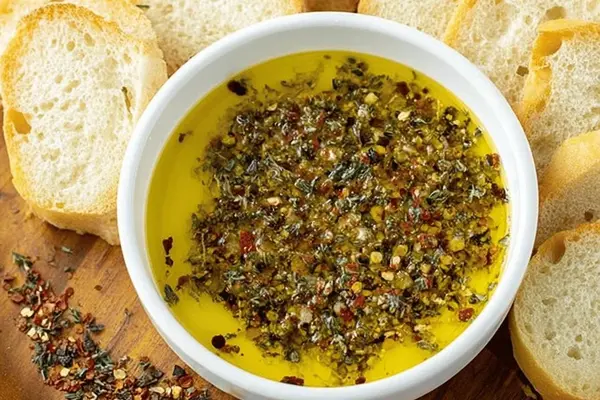
Herbed Spicy Olive Dip with Fresh Garlic

Creamy Parmesan Peppercorn Dressing Recipe
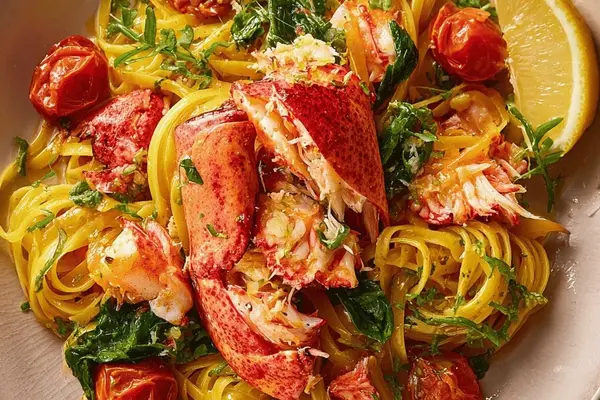
Lobster Pasta with Cherry Tomatoes & White Wine

Griddle Corn Cakes with Fresh Kernels
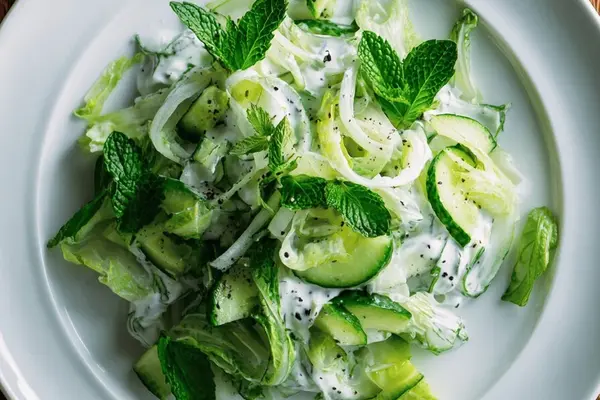
Cucumber Salad with Whipped Cream

No Bake Cookies Recipe with White Chocolate
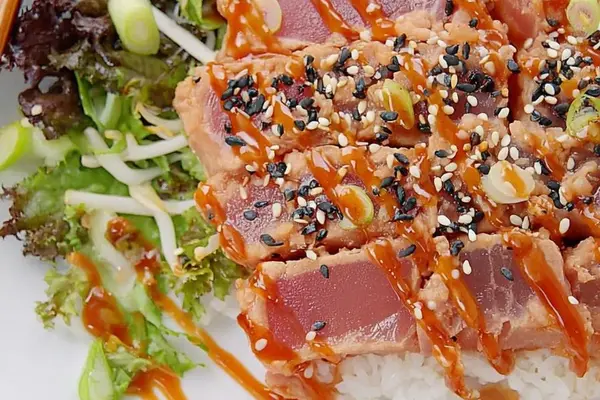
Sesame Seared Tuna with Volcano Sauce