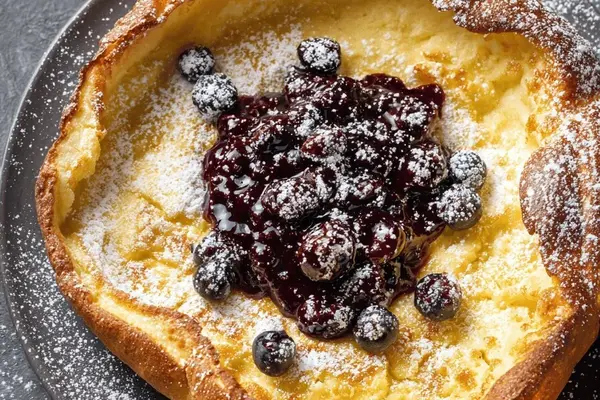
Blueberry French Toast Casserole
By Emma
Certified Culinary Professional
·
Recipe tested & approved
Preheat to 450. Cast iron skillet goes in first—it’s gotta be screaming hot before anything else happens. This isn’t negotiable. Once the pan’s smoking and the butter sizzles like it’s angry, you know you’re ready.
Why You’ll Love This Blueberry French Toast Casserole
Takes 16 minutes to bake. Sixteen. Your whole breakfast done before coffee gets cold. No dishes stacked up. One skillet. Maybe a blender. That’s it. The edges get crispy and the middle stays custardy. Almond extract instead of vanilla—tastes like something happened here, not just eggs and bread. Blueberries burst cold against hot custard. That contrast is the whole point. Works for company. Looks fancy. Absolutely isn’t. They’ll think you woke up early and had a plan.
What You Need for Blueberry French Toast Casserole
Three large eggs. Not small. The yolk-to-white ratio matters more than you’d think. Just over half a cup of whole milk—oat milk works fine if that’s what you have. Don’t use skim. It breaks something about the custard texture.
All-purpose flour. Unbleached. A tablespoon of maple syrup or sugar—maple’s better but sugar works. Quarter teaspoon salt. Quarter teaspoon almond extract. Not vanilla. Almond’s the thing that makes this taste different.
Two tablespoons unsalted butter. Salted butter changes how fast it browns. Cast iron skillet. Twenty-three centimeters. Non-negotiable. Different pan size means different heat distribution, different timing, different everything.
Powdered sugar to dust on top while it’s hot. Blueberry compote or fresh blueberries for topping. Compote stays put. Fresh berries roll around. Either works.
How to Make a Blueberry French Toast Casserole
Set your oven to 230 Celsius—that’s 446 Fahrenheit. Slide the cast iron skillet onto the middle rack. Let it go. This preheating step is the entire reason this works. An underprepared pan gives you bread pudding. A hot pan gives you a puff.
Grab a blender or a whisk. Eggs, milk, flour, maple syrup, salt, almond extract—dump them all in and go. Smooth. No lumps hiding in the corners. A few extra seconds means better rise. Set it aside.
The pan should be smoking now. Almost smoking. Grab it with an oven mitt—it’s brutal hot. Drop the butter in fast. Swirl it immediately. Foaming. Crackling. That’s what you’re after. The moment it starts to make that sound, pour the batter in. Don’t wait. Heat matters.
Straight back into the oven. Sixteen minutes. Don’t open the door early. The puff needs every minute. Too much peeking and it falls. After about 14 minutes, look through the oven window. The edges should be risen and deeply golden, puffed like a pillow. The center jiggles when you look at it from the side—not liquid, not set. Slightly jiggly is perfect.
How to Get Crispy Edges and a Custardy Center
Heat is everything here. The skillet has to be hot enough that butter foams and nearly smokes. That’s not exaggeration. If the pan’s room temperature or just warm, you get a dense cake. If it’s screaming hot, the bottom and sides crust up while the center stays soft.
The batter should hit the pan and make a sound. A small hiss. That’s how you know. Pour slowly or fast—doesn’t matter. Just hit hot butter.
Watch the rise. It happens in real time. You’ll see the edges puff first. They climb the skillet. The center rises slower. That’s normal. By minute 14, the whole thing’s lifted. The edges are golden and crispy. The middle still has give.
Pull it out the second it looks set but jiggly. One minute too long and the center firms up. That custardy texture disappears. Gone. So 16 minutes is the target. Maybe 15 if your oven runs hot. Maybe 17 if it doesn’t. Watch. Not a timer—watch.
Blueberry French Toast Casserole Tips and Common Mistakes
Too much butter pools on the sides and the bottom half gets soggy instead of crispy. Two tablespoons is right. Exactly.
Don’t open the oven door before minute 14. The puff collapses. It’ll rise again a little but not all the way. Just leave it alone.
Fresh blueberries on top go on right when it comes out of the oven. Hot custard, cold fruit. That’s the texture play. Compote also works—it stays in one place instead of rolling around your plate.
Dust with powdered sugar while it’s hot. The heat melts it into the custard. If you wait, it just sits there, powdery and dry. Doesn’t do anything.
No cast iron? Use a heavy ovenproof skillet. Stainless doesn’t heat the same way. You’ll get uneven browning. It’ll work. Just not perfect. Corners might be darker. Center might not puff the same.
Almond extract is not optional. Vanilla tastes like every other breakfast bake. Almond’s nutty and weird and makes people ask what’s in it. If you don’t have it, skip it—don’t substitute. It’s only a quarter teaspoon. The flavor difference is huge.
Blueberries because they’re tart. Raspberries work. Cherries work. Blackberries get weird—they’re too soft. They mush into the custard. Not terrible but not what you want. Blueberries hold their shape.
Blueberry French Toast Casserole
Prep:
16 min
Cook:
16 min
Total:
32 min
Servings:
4 servings
Ingredients
- 3 large eggs
- 130 ml (just over ½ cup) whole milk or oat milk
- 130 ml (just over ½ cup) unbleached all-purpose flour
- 14 ml (about 1 tablespoon) pure maple syrup or sugar
- 1 ml (¼ teaspoon) fine sea salt
- 1 ml (¼ teaspoon) almond extract instead of vanilla
- 30 ml (2 tablespoons) unsalted butter
- Powdered sugar to dust, as preferred
- Blueberry compote or fresh blueberries for topping
Method
- 1 Preheat oven to 230°C (446 °F); place a 23 cm cast-iron skillet on middle rack to get screaming hot. This preheating step is non-negotiable. Sizzle butter test is your gold standard for readiness.
- 2 In blender or whisk vigorously, combine eggs, milk, flour, maple syrup, salt, and almond extract until batter is silky smooth. No lumps; a few seconds more mixing means better puff. Set aside briefly.
- 3 Remove skillet carefully when oven and pan screaming hot. Drop butter in; swirl immediately to coat bottom and sides; butter should foam and make crackling sounds, almost smoking. Pour in batter fast to keep heat.
- 4 Return skillet to oven. Bake about 16 minutes but watch carefully. Look for risen edges, puffed like a pillow, deeply golden. Middle should be set but slightly jiggly, not liquid. Avoid opening oven too soon or puff falls.
- 5 When done, remove gently. Dust with powdered sugar heavily while hot, add blueberry compote or fresh berries. Eat now or puff shrinks. Texture contrast: crispy edges, custardy center, the tart burst of blueberry dialogues with nutty almond notes.
- 6 If no cast iron, use heavy ovenproof skillet but watch for uneven browning. Too cool pan ruins lift. Too much butter pools and sogs batter. Swap blueberries with raspberries or cherries if creative mood strikes.
Nutritional information
Calories
310
Protein
9g
Carbs
36g
Fat
14g
Frequently Asked Questions About Blueberry French Toast Casserole
Can I prep this the night before? This isn’t an overnight casserole. It’s a puff. Overnight soaking ruins the whole thing—the batter absorbs too much and you lose the rise. Mix it 10 minutes before baking. That’s the window.
What if my middle is still liquid when the edges are set? Pull it out. Seriously. The carryover heat keeps cooking it. Middle jiggly at minute 16 means it’s done. Trust that. It sets as it cools and firms up while you eat.
Can I use a regular skillet instead of cast iron? Heavy stainless works. Aluminum spreads heat too fast and unevenly. The whole point is that cast iron holds heat and distributes it slow. Different skillet means different results. Cast iron is worth digging for.
Does this work if I don’t preheat the pan? No. Just don’t do it. Room temperature pan gives you a dense custard cake, not a puff. It won’t rise. The whole recipe is built on that screaming hot skillet. Non-negotiable.
Can I make this with cream cheese? Not in this recipe. The batter’s balanced. Adding cream cheese changes moisture and bake time. Different dish entirely.
How do I know when the butter’s ready? Foam and crackle. Not silent. Not brown. Foaming and making noise. That’s the signal.
Can I swap the almond extract? Already said no. But here—if you absolutely don’t have it, just skip flavoring. Vanilla won’t give you the same thing. Almond’s nutty and different. It’s a quarter teaspoon. Get some. Worth it.
Does this work in a smaller or larger skillet? 23 centimeters is the sweet spot. Smaller means thicker batter, longer bake, might not puff right. Larger means thinner, faster bake, might brown too dark before the center sets. Stick with the size.
You’ll Love These Too
Explore all →
No Bake Cheesecake with Pecan Filling
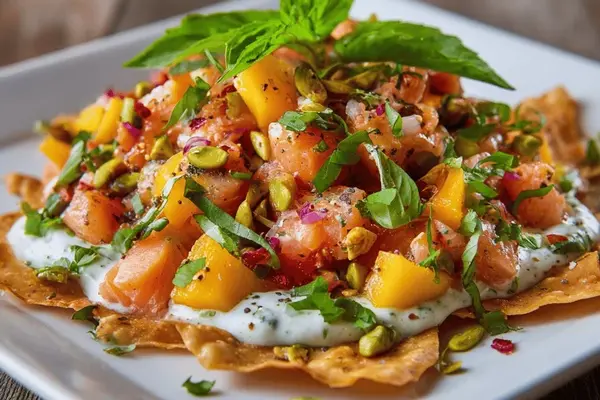
Salmon Mango Tartare with Curry Yogurt Sauce
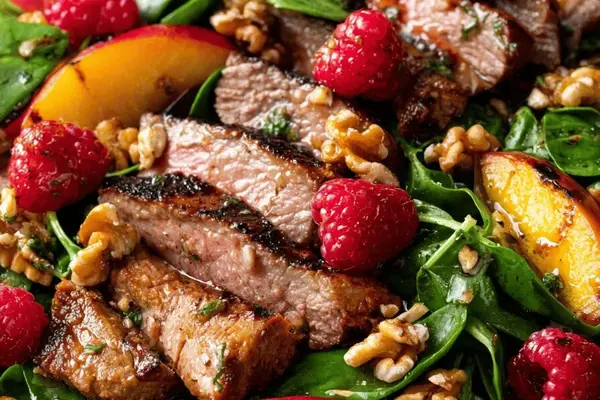
Marinated Pork Spinach Salad with Grilled Nectarines
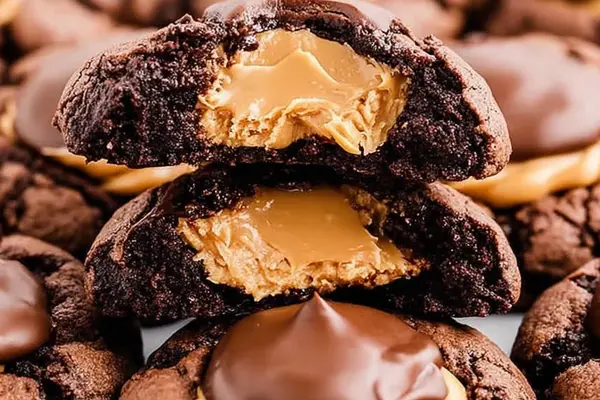
Brownie Buckeyes with Cream Cheese & Peanut Butter
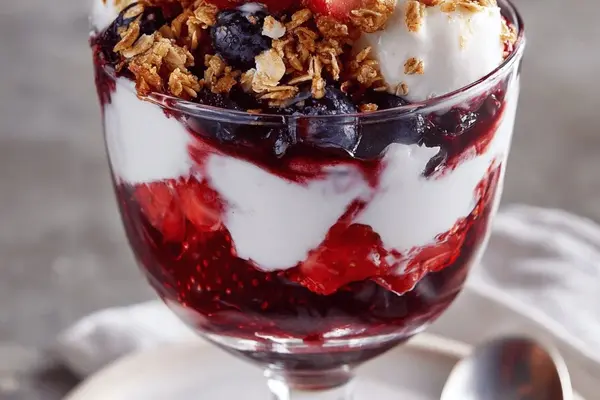
Greek Yogurt Bowls with Strawberries

Glazed Carrots with Maple Syrup & Brown Sugar
Brownie In A Jar Recipe With Cranberries

Crispy Corn Fritters with Smoked Paprika
Chicken Skewers with Hoisin Glaze Recipe
Chocolate Icing Recipe with Mascarpone
Rustic Shortcakes with Spelt Flour & Berries
How to Make Rennet Mozzarella at Home
Crunchy Cabbage Salad with Yuzu Dressing
Kale Chicken Salad with Goat Cheese
pan fried steak cast iron
Smorrebrod with Blue Cheese & Fig Chutney
Grilled Sardine Toasts with Green Mango
Fresh Basil Pesto Recipe with Spinach
Seared Halibut with Mushrooms and Greens