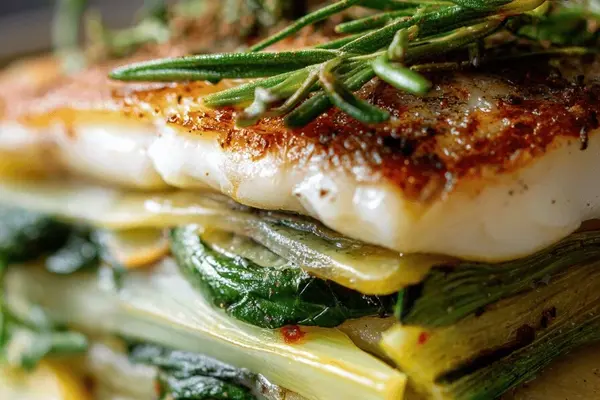
Scalloped Potatoes with Sole and Swiss Chard
By Emma
Certified Culinary Professional
·
Recipe tested & approved
Layered scalloped potatoes with leeks, Swiss chard, and sole fillets baked in white wine and half-and-half cream. Tender Yukon Gold potatoes topped with fresh tarragon.
Prep:
25 min
Cook:
1h
Total:
1h 25min
Servings:
6 servings
Cut the leeks thin. Really thin. Heat the oil low and watch them turn sweet—6, 7 minutes, maybe more. They won’t brown. That’s the point. The chard goes in next, wine hisses, everything collapses down into something soft and green and silky.
Why You’ll Love This Scalloped Potatoes and Seafood Dish
Sole on top of a potato gratin sounds fancy. Takes 25 minutes to prep, an hour in the oven, done. Weeknight dinner that tastes like you planned it for three days. The potatoes stay creamy, never chalky. Fish cooks gently in the oven—no pan, no watching constantly, no burned edges. Leftovers work cold. Actually better cold. One dish. One oven. Cleanup isn’t nothing, but it’s contained.
What You Need for Potato Au Gratin with Sole
Yukon Gold potatoes. Not russets. The texture matters—they hold their shape instead of turning to paste.
Leeks sliced thin. The white and light green parts. Dark stuff gets tough. Olive oil—good stuff. You taste it here. Six cloves would be a lot garlic but leeks aren’t garlic, they’re sweeter, need time to soften.
Swiss chard, stems off, leaves chopped loose. Kale works too but needs longer. White wine, dry. Whatever you’d drink. Half-and-half cream, not heavy cream. It’s richer but not as heavy. Low sodium vegetable broth because salt comes later.
Sole fillets, skin off. Any mild white fish holds here—flounder, halibut, even cod if sole’s gone. About 750 grams, or 1 and a half pounds. Tarragon at the end. Dried tastes like nothing. Fresh changes everything. Nutmeg—freshly grated. The tiny bit you grate yourself, not shaker stuff. Salt. Black pepper.
How to Make Scalloped Potatoes and Seafood
Heat the oven to 350. Get it there while you work.
Leeks first. Slice them thin. Rinse hard because dirt hides between layers. Heat the oil slow in a wide pan. Not hot—low heat. Drop the leeks in and stir. They soften, turn translucent, smell sweet. Takes 6 or 7 minutes. You’ll hear a faint sizzle. If it’s loud, turn it down. The leeks should gloss with oil, not brown.
In goes the chard. Pour the wine over it. It hisses. That’s the wine evaporating off the heat. The leaves wilt down fast, almost immediately. Stir it. Keep the heat moderate. The wine concentrates, sharpens. After 5 minutes the chard’s soft, velvety, not mushy. You smell the acidity of wine mixed with green things.
Broth and cream go in next. Stir slow. Then fold the potato slices in gently, like you’re not crushing anything. Every slice should get coated in cream. Nutmeg—pinch of it, freshly grated, right over the top. Salt. Pepper. Generous. The layers need seasoning all the way through, not just at the end.
How to Layer and Cook Potato Gratin with Fish
Transfer everything to a casserole dish. Cover it tight with foil or a lid. Into the oven for 35 to 45 minutes.
Watch for the potatoes. They should pierce with a fork but not fall apart. The sauce bubbles gently under the foil. You’ll see tiny steam vents forming at the edges. If it looks dry halfway—and it might—add a splash more broth or cream. Potatoes need moisture or they tighten up.
Pull the dish out. Uncover it carefully. Steam comes up hard. Lay the sole fillets on top. They should be pale, matte, firm. Season the fish itself with salt and pepper. That’s all. No marinade, no oil. Fish flavors are delicate.
Back to the oven, uncovered now. 20 minutes. Watch it. The fillets turn opaque, flake if you press them gently with a fork. Too long and they turn rubbery, bluish, wrong. The oven shouldn’t be screaming hot or the outside cooks before the center gets warm.
Potato Au Gratin Tips and Doneness Cues
The potatoes soften from the liquid, not from browning. Don’t expect golden. You’ll get pale, creamy, nothing dark about it.
Nutmeg is subtle. You don’t taste “nutmeg”—you taste the potato creaminess elevated somehow. It’s weird and works.
Fish timing is tight. Overcooked by 5 minutes and it’s done. Underdone and it’s mushy inside, translucent still. That opaque shift happens fast. Pay attention the last 5 minutes.
Tarragon goes on after cooking. Fresh. Chopped fine. The anise thing it has—that bright kick—cuts through the richness. Not optional.
The whole thing rests 5 minutes after it comes out. Not a long rest. Just enough so the layers settle. Juices redistribute. Then serve it while it’s still steaming.
If no sole, flounder works the same way. Halibut too. Anything mild and white and firm enough to hold shape on the potatoes. Dark fish changes the dish entirely—skip it.
Swiss chard is the green here. Kale needs 2 extra minutes in the first step. Collard greens toughen faster, adjust down by a minute. Never use spinach—it disappears.
Cream substitution—coconut milk, full fat, gives a different thing. Sweeter. Less traditional. It works but it’s not the same dish anymore.
Scalloped Potatoes with Sole and Swiss Chard
Prep:
25 min
Cook:
1h
Total:
1h 25min
Servings:
6 servings
Ingredients
- 2 medium leeks, cleaned and sliced thin
- 60 ml (1/4 cup) extra virgin olive oil
- 1 litre (4 cups) fresh Swiss chard, stemmed and coarsely chopped
- 60 ml (1/4 cup) dry white wine
- 125 ml (1/2 cup) low sodium vegetable broth
- 250 ml (1 cup) half-and-half cream
- 6 medium Yukon Gold potatoes, peeled and thinly sliced
- Freshly grated nutmeg, to taste
- Kosher salt and freshly cracked black pepper, to taste
- 750 g (1 1/2 lbs) sole fillets, skin removed
- 60 ml (1/4 cup) fresh tarragon, finely chopped
Method
- 1 Heat oven to 175°C (350°F). Rinse and dry leeks thoroughly, slice thin. Use lots of olive oil to gently soften leeks in wide sautée pan. 6–7 minutes, no browning, keep stirring; fat coats leeks like gloss, aroma sweetening, faint sizzle audible.
- 2 Add Swiss chard and pour in wine. Hear it hiss as wine meets hot veggies; steam rises, leaves shrivel, collapse. Stir, keep heat moderate. Wine reduces, concentrate flavor. Finish when chard is velvety, not pasty—about 5 minutes. Smell sharp vegetal notes with wine’s acidity.
- 3 In goes vegetable broth and cream. Give a slow stir to bind all. Then gently fold in sliced potatoes, nestling in sauce; coating every slice. Crush a pinch freshly ground nutmeg right over, salt and pepper generously to season all layers. Nutmeg plays subtle heat, works miracles with potato creaminess.
- 4 Transfer mixture to casserole dish, cover tightly with foil or a lid. Into oven for about 35–45 minutes, but look for potatoes soft enough to pierce with fork but not falling apart. Sauce should bubble faintly under foil, tiny steam vents forming at edges. If sauce seems dry halfway, add splash more broth or cream—potatoes demand moisture.
- 5 Remove dish, uncover carefully, avoid lid steam fogging eyes. Lay sole fillets delicately on top. Fish should be matte, translucent but firm skinless fillets. Season fish with salt and pepper directly; no marinating—fish aromas delicate, minimal interference.
- 6 Back to oven without cover, roast for 20 minutes. Fish will flake gently when poked with fork, flesh turns opaque—watch closely, overcooked sole turns rubbery, bluish sheen unwanted. Oven should not be too hot or outside cooks faster than center.
- 7 Once cooked, pull dish out. Sprinkle fresh tarragon liberally over fish and potato bed. Tarragon’s anise kick lifts the entire casserole, a bright explosion amid mildness. Let rest 5 minutes, juices settle. Serve warm, scooping layers so each portion has fish, tender potatoes, and vivid green notes.
- 8 Pro tip—if no sole, use flounder or any mild white fish, firm enough to hold shape. Swiss chard can be swapped for kale or collard greens, but reduce cooking time as these greens can be tougher. For cream substitution, full-fat coconut milk lends intriguing sweetness but changes flavor profile.
Nutritional information
Calories
320
Protein
25g
Carbs
25g
Fat
18g
Frequently Asked Questions About Potato Au Gratin and Seafood
Can I make the potato gratin ahead and add the fish later? Yes. Cook the potatoes dauphinoise style part completely. Chill it. Then lay fish on top and roast 20 minutes before eating. Cold potatoes need maybe 5 extra minutes in the oven but it works fine.
What if the potatoes aren’t soft after 45 minutes? Slice them thinner next time. But usually—they soften. If not, cover again and add 10 more minutes. Some ovens run cool.
Do I need tarragon or can I skip it? You need it. Dried won’t work. Fresh tarragon. Non-negotiable. The whole dish tastes flat without it.
Can I use heavy cream instead of half-and-half? It’ll be richer, heavier. More like traditional potatoes au gratin. Half-and-half keeps it lighter. Both work. Heavy cream makes it more decadent though.
How do I tell if the sole is done? White all the way through. Press it with a fork—flakes easily. Takes about 20 minutes at 350. If it’s still translucent, not opaque, it needs more time. If it’s dry and rubbery—overcooked.
Can I use frozen fish? Thaw it completely first. Pat it dry. Skin still off. Otherwise it cooks the same way, same timing.
Does this keep as leftovers? Cold, 3 days in the fridge. Reheats okay in a 300-degree oven covered for 20 minutes. Tastes better cold, honestly.
You’ll Love These Too
Explore all →
Apple Upside Down Cake with Brown Butter
Seafood Paella with Spaghetti Squash
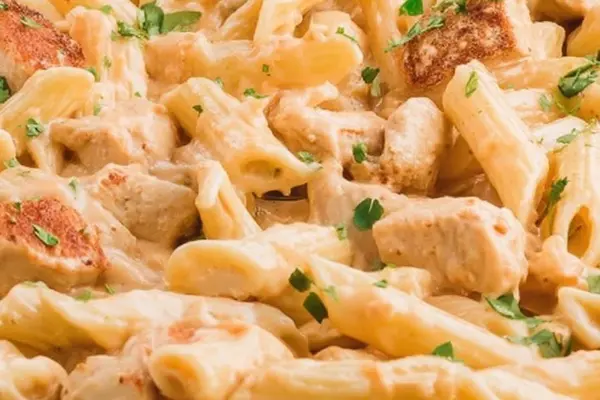
Cajun Chicken Pasta with Creamy Tomato Sauce
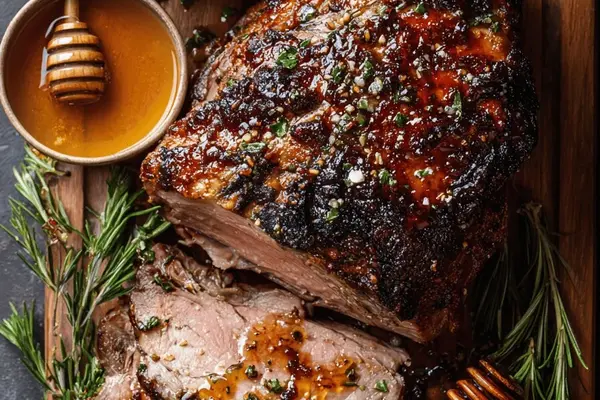
Roast Leg of Lamb with Port Wine & Cherry
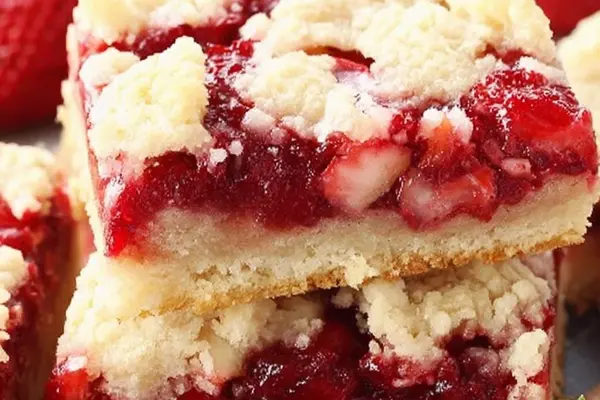
Strawberry Lemon Bars with Buttery Crust

Marinated Flank Steak with Cilantro Avocado

Chocolate and Chocolate Chip Muffins

Kung Pao Chicken with Peanuts & Peppers
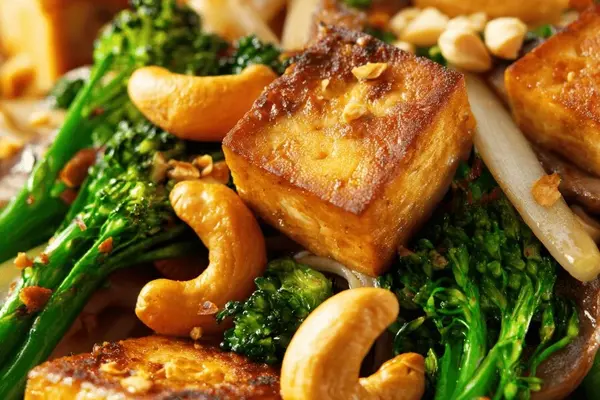
Sauteed Vegetables with Tofu and Almonds
Easy Apple Walnut Dump Cake Recipe
Seeded Ciabatta Twist with Olive Oil
Mediterranean Salad with White Beans

Bacon & Egg Burger with White Cheddar

Egg Muffins with Spaghetti Squash

Cuban Sandwich Sliders with Smoked Pork
Cherry Pie with Yogurt Crust Recipe
Herbed Ranch Salt Mix with Smoked Paprika
Greek Yogurt Bowls with Strawberries

Pink Chocolate Strawberries with Candy Melts