No Bake Cheesecake with Chocolate Ganache
By Emma
Certified Culinary Professional
·
Recipe tested & approved
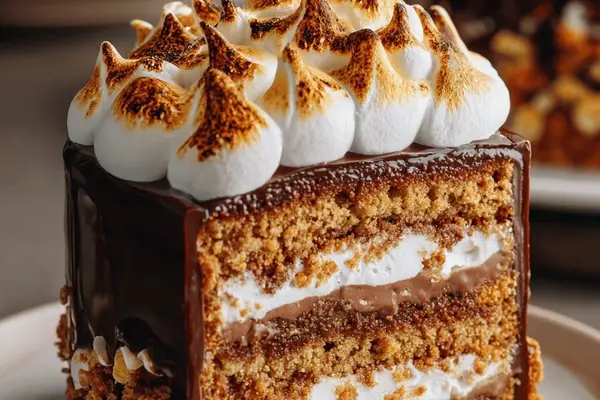
No bake cheesecake with graham cracker crust, milk chocolate ganache, and toasted marshmallow topping. Made with coconut oil for richer flavor. Serves 10-12.
Prep:
50 min
Cook:
45 min
Total:
1h 35min
Servings:
10 to 12 servings
Tap the pan. Listen for it. That hollow sound means the cake’s set but the edges still give a tiny bit—pull it out now, not a minute later. This no bake cheesecake isn’t actually no bake, which sounds like a lie until you taste it and understand what’s happening. The cake layers get actual oven time. The topping stays raw. The whole thing comes together in maybe an hour and a half, mostly waiting around while things cool or set.
Why You’ll Love This No Bake Cheesecake Dessert
Technically it’s half-baked, which means you get that actual cake texture—springy, moist—without the fuss of a real cheesecake. The marshmallow on top browns under a torch and gets that charred-outside, pillowy-inside thing that tastes like dessert from somewhere better. Comfort food energy but not heavy. Graham cracker meets chocolate ganache meets toasted marshmallow, and somehow it all works. Sits at room temperature, doesn’t need refrigeration. That matters. Stays good for days, gets better by tomorrow.
What You Need for a No Bake Cheesecake
Graham cracker crumbs—the coarse kind, not pulverized dust. You need that texture staying intact, not turning to paste. All-purpose flour, baking powder, salt mixed in. Four eggs beaten until they triple in volume. This part matters. Skipping the air and you’ve got a flat, dense cake instead of what you want.
Granulated sugar. Coconut oil works better here than butter or regular oil—it stays liquid longer, incorporates smoother. Whole milk to loosen everything. The ganache is just milk chocolate (35% cocoa) and heavy cream. Don’t overthink it. Dark chocolate works if you want bitter, milk chocolate if you want actual sweetness.
Marshmallow topping needs gelatin powder, cold water to bloom it, more sugar, corn syrup, vanilla. That’s it. The torch is optional but honestly, don’t skip it. Broiler works if you’re careful but a torch gives you control.
How to Make No Cook Cheesecake Layers
Set your oven to 350°F. Two 8-inch springform pans, buttered, lined with parchment on the bottom. The parchment stops uneven browning. Matters more than you’d think.
Mix your dry stuff separately—the flour, cracker crumbs, baking powder, salt. Keep it together. In another bowl, beat your eggs and sugar on high speed for 9 to 11 minutes. Watch for the ribbon stage. You’ll see it. The volume literally triples. This is where the cake gets its structure. Skip this step and everything collapses.
Stream in the coconut oil slowly while the mixer’s still running. Then alternate—dry mixture, milk, dry mixture, milk, dry mixture. Three parts total. Don’t overmix after this or the crumb turns tough and grainy. You want just combined.
Pour into the pans evenly. Tap them on the counter to release air pockets. Into the oven for 38 to 43 minutes. Use the toothpick test. Clean or barely moist crumbs. Not wet batter sitting there. Cool in the pans for 15 minutes, then run a knife around the edges and unmold. Let them cool completely on a rack before you do anything else. Hot cake melts ganache.
How to Get No Bake Cheesecake Perfectly Layered
Trim the domed tops flat. One cake stays whole. Slice the other horizontally into two layers. A serrated knife or a cake leveler. Steady hands. You’ll feel when the blade’s in the middle.
Place your whole cake layer down first. Spread half the ganache on top. Not thin. Thick enough that you taste it. Then the two sliced layers, separated by the rest of the ganache. Press down gently. Not hard. Just enough to settle everything.
The ganache cooling is its own thing. Chop your chocolate, put it in a heatproof bowl. Heat cream until it’s almost boiling. Pour it over. Wait one full minute. Don’t touch it. Then whisk gently until it’s silky. Cool it for 2 to 3 hours, stirring every 30 minutes. This keeps a skin from forming. If it gets too thick, refrigerate for a few minutes. Bring it back to room temperature before using. The texture should spread smoothly, not run everywhere.
No Bake Cheesecake Marshmallow Topping Technique
Sprinkle gelatin over cold water. Let it sit for 5 to 7 minutes. It swells. That’s blooming. Warm it gently, stir until the gelatin melts and the sugar dissolves. Don’t boil it. Heat kills the gelatin’s strength.
Transfer to a mixer bowl. Add corn syrup and vanilla. Whip on high speed for 9 to 12 minutes. You’re looking for semi-firm glossy peaks. Shiny. Some viscosity left. Not stiff peaks like meringue. It should still move.
Pour it over the cake immediately. Don’t spread it. Let it cascade. The drips and swirls are the point. That rustic charm. Then grab your torch. Brown it unevenly. Listen for the faint crackle. Watch for golden patches. Stop before black. Bitter black tastes bad.
Keep the cake covered loosely at room temperature. Never refrigerate the marshmallow. Cold makes it rubbery and it starts weeping. Room temperature keeps it glossy and light.
No Bake Cheesecake Tips and Common Mistakes
Baking times shift. Your oven’s different from everyone else’s. Trust what you see and feel, not the clock. Springy top. Firm edges. Toothpick test. These matter more than 40 minutes or 43 minutes.
Coconut oil adds moisture that regular oil doesn’t. It also has a faint coconut aroma. If that bothers you, use light olive oil instead. Flavor shifts slightly but it works.
Milk chocolate percentage matters for texture. 35% cocoa here keeps it creamy and sweet. Go darker and the ganache firms up faster but tastes more bitter. Go lighter and it spreads easier but feels less like chocolate.
If your stacked layers start wobbling, chill the assembled cake for 15 minutes before adding the marshmallow topping. Keeps everything stable. Marshmallow stays pliable longer when the cake’s cold.
The marshmallow sets better if it’s dry and room temperature. Humidity makes it sticky. If that happens, hit it with the torch again before serving. One quick pass brings back shine and crunch.
Common fails: rushing the egg beating. Slow and high speed for 9 to 11 minutes. Skipping this kills your volume and the cake stays dense. Overmixing the batter after adding dry ingredients toughens everything. Overbaking dries it out. Underbaking leaves a sunken center. Look for a shimmery cratered surface just before the cake sets completely.
Ganache cooling is where patience pays off. Stir it every 30 minutes while it cools. Develops gloss, prevents graininess. Skip this and you get a dull, flaky mess. The toasted marshmallow at the end—that smell—tells you it’s done. A few extra seconds under the torch add caramelized notes that make this feel less simple and more actually good.
No Bake Cheesecake with Chocolate Ganache
Prep:
50 min
Cook:
45 min
Total:
1h 35min
Servings:
10 to 12 servings
Ingredients
- Cake
- 395 ml (1 2/3 cups) unbleached all-purpose flour
- 300 ml (1 1/4 cups) graham cracker crumbs, slightly coarser than store-bought
- 16 ml (1 tbsp plus 1 tsp) baking powder
- 2,5 ml (1/2 tsp) salt
- 4 large eggs
- 390 ml (1 2/3 cups) granulated sugar
- 5 ml (1 tsp) vanilla extract
- 180 ml (3/4 cup) refined coconut oil (sub for canola oil)
- 310 ml (1 1/4 cups) whole milk
- Ganache
- 220 g (7 3/4 oz) chopped milk chocolate with 35% cocoa
- 175 ml (3/4 cup) 35% heavy cream
- Marshmallow Topping
- 10 ml (2 tsp) gelatin powder
- 125 ml (1/2 cup) cold water
- 130 ml (1/2 cup plus 1 tbsp) granulated sugar
- 50 ml (1/4 cup) clear corn syrup
- 5 ml (1 tsp) vanilla extract
Method
- Cake
- 1 Center oven rack mid-level. Preheat oven to 175°C (350°F). Butter two 20 cm (8-inch) springform pans. Line bottoms with parchment. Why? Prevents uneven browning and sticking—vital for delicate crumb.
- 2 Mix flour, cracker crumbs, baking powder, salt in a bowl. Coarser crumbs carry more crunch, watch not to overdo or crumb falls apart.
- 3 In mixing bowl, beat eggs, sugar, vanilla on high for 9-11 mins till volume triples, ribbon stage visible when lifting whisk. This is key for air, skip and cake falls flat.
- 4 Stream coconut oil slowly while beating; oil warms and integrates smoother than cold butter or canola oil here. Reduce mixer speed, alternate adding dry mix and milk in three parts, beginning and ending with dry. Don't overmix or crumb dulls and toughens.
- 5 Pour batter evenly, tap pans to release air bubbles. Slide into oven promptly. Bake 38-43 mins. Test with toothpick; clean or few moist crumbs—not wet batter.
- 6 Cool pans on rack 15 mins, then run knife around edges, unmold cakes. Let cool fully on rack before assembly. Avoid residual heat or ganache melts prematurely.
- Ganache
- 7 Place chopped chocolate in heatproof bowl.
- 8 Heat cream to near boil, just before rolling boil, pour over chocolate. Rest 1 min — don’t stir yet; waiting ensures melting without seizing.
- 9 Whisk gently till silky, glossy. Cool 2-3 hours or until spreadable consistency. Stir every 30 mins prevents skin forming. If too fluid, refrigerate briefly, return to room temp to soften.
- Assembly
- 10 Trim domed tops from cakes for flat stacking.
- 11 Slice one cake horizontally into two layers with serrated knife or cake leveler; steady hands avoid crumb breakage.
- 12 Place whole cake layer on serving plate. Spread half ganache evenly—thick enough to taste but not heavy.
- 13 Add sliced cake layers one on top of another separated by remaining ganache. Press slightly to settle but don’t squish layers.
- Marshmallow Topping
- 14 Sprinkle gelatin over cold water in saucepan, bloom 5-7 mins until gelatin swells and absorbs water.
- 15 Add sugar and warm gently, stirring until dissolved and gelatin melts completely. Avoid boiling to preserve gelatin strength.
- 16 Transfer syrup to mixer bowl; add corn syrup and vanilla immediately. Whip on high 9-12 mins till mixture forms semi-firm glossy peaks, shiny but with some viscosity.
- 17 Pour immediately over assembled cake, letting it cascade naturally. Don’t spread - drips and swirls give rustic charm.
- 18 Using kitchen torch, brown the marshmallow unevenly, listen to faint crackle, watch for toasted golden patches, avoid burning bitter black spots. If no torch, use broiler flakes cautiously from distance.
- 19 Keep cake covered loosely at room temp. Cooler temps firm top but never refrigerate—marshmallow toughens and weeps under cold.
- Tips & Tricks
- 20 Baking times vary per oven; always trust visual and tactile clues — springy top, firm edges, toothpick test. Coconut oil adds moisture but also distinctive aroma; if allergic, substitute light olive oil but expect subtle flavor shift.
- 21 For ganache, chocolate percentage can sway firm versus runny consistency. Milk chocolate here chosen for sweet, creamy contrast. Darker means firmer ganache but more bitter.
- 22 Marshmallow topping sets better if everything is dry and room temp. Humidity can turn it sticky—if so, a quick torch pass before serving reenlivens shine and crunch.
- 23 If stacked cake steps are wobbling, chill 15 mins before topping. Faster assembly keeps marshmallow pliable and glossy.
- 24 Watch timing stringency loosened to encourage eye and finger sense development. Heat zones and altitude mess with clocks; your nose, touch, and visual intuition always best guides.
- 25 Storage: keep at ambient temp covered in cake dome or loose foil wrap. Avoid fridge—the marshmallow turns rubbery and the crust gums up.
- 26 Common fail: rushing egg beating kills volume. Slow gradual folding keeps batter aerated. Overbaking dries cake, underbaking leaves sunk center. Look for shimmery cratered batter surface just before total set.
- 27 Patience in ganache cooling pays in silken spread, no clumps. Stirring develops gloss and avoids grainy texture. Skip this and you get dull, flaky mess.
- 28 The toasted marshmallow scent—the finale—signals all done. A few extra seconds under the torch add caramelized notes that shift this from simple to sublime.
Nutritional information
Calories
410
Protein
5g
Carbs
48g
Fat
22g
Frequently Asked Questions About No Bake Cheesecake Recipe
What if I don’t have a kitchen torch? Broiler works. Set your oven rack close to the heating element, about 6 inches away. Watch it constantly. Marshmallow toasts fast and can burn in seconds. A torch gives you way more control. If you’re doing broiler, consider it optional and just eat the marshmallow untoasted. Still good.
Can I make this ahead? The cake and ganache hold fine for a day. Assemble everything, add marshmallow topping, torch it the morning you’re serving. Marshmallow keeps its texture and shine better that way. Refrigeration ruins it—turns rubbery and weeps. Room temperature only.
Why does my ganache come out grainy? You’re probably stirring too much while it cools, or the cream wasn’t hot enough. Heat the cream until steam rises. One full minute of rest before whisking. Then gentle whisks every 30 minutes while cooling. Don’t overwork it. And make sure your chocolate is chopped relatively fine. Chunks take forever to melt.
Is this actually no-bake? Not really. The cake layers bake. The topping stays raw—marshmallow’s never baked. Half-baked is more honest but nobody searches for that. The appeal is that you don’t need cheesecake skills or a water bath or any of that stress. It’s simpler than a real cheesecake.
Can I use dark chocolate instead of milk chocolate? Yeah. It’ll taste more bitter and the ganache sets firmer. The marshmallow topping becomes more contrast. Works if you like darker desserts. Just expect a different vibe than the original.
How long does this keep? Room temperature, covered loosely with foil or a cake dome. Goes maybe four days before the cake starts drying out. The marshmallow stays fine longer than the cake does. Never refrigerate or the marshmallow turns to rubber and the crumb gums up. Not worth it.
You’ll Love These Too
Explore all →
Peanut Soba Chicken with Cashew Butter
Braised Beef Pappardelle with Butternut Squash
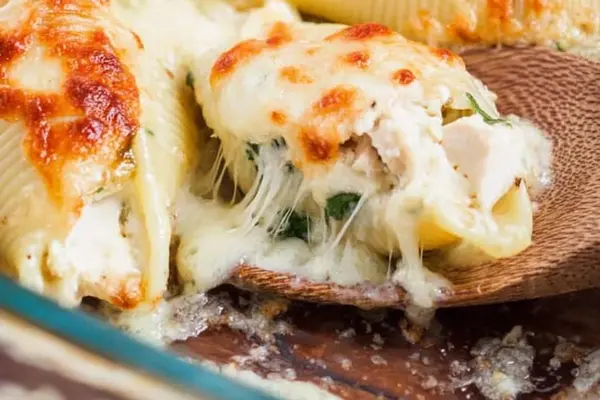
Chicken Stuffed Shells with Alfredo Sauce
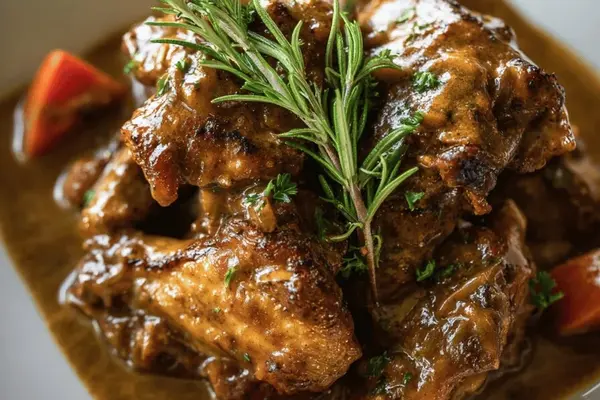
Brown Chicken Gravy with Roasted Wings
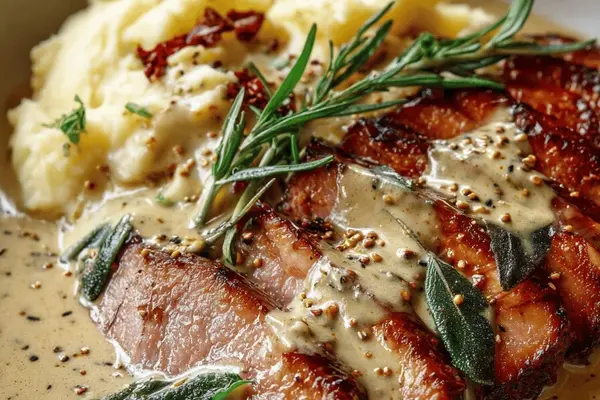
Ham With Apricot Glaze Recipe
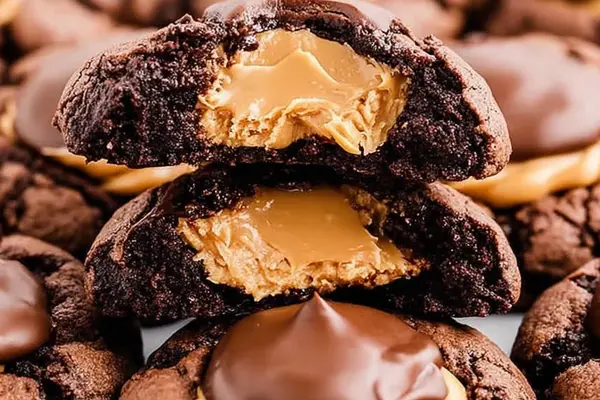
Brownie Buckeyes with Cream Cheese & Peanut Butter

Tuna Croquettes Recipe with White Beans
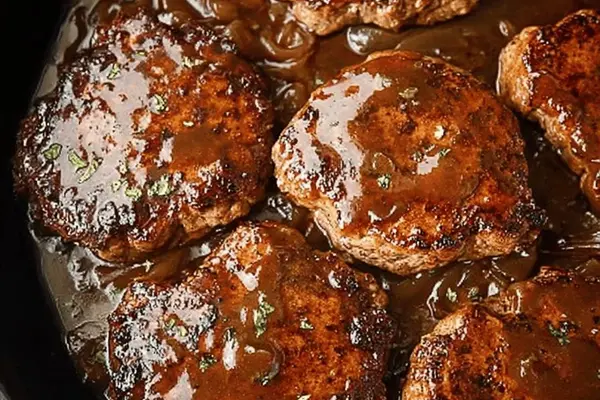
Salisbury Steak Recipe with Onion Gravy
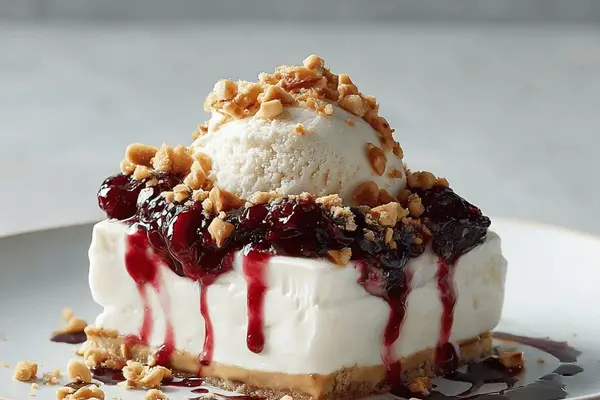
Peanut Butter Jelly Sundaes with Berry Jam
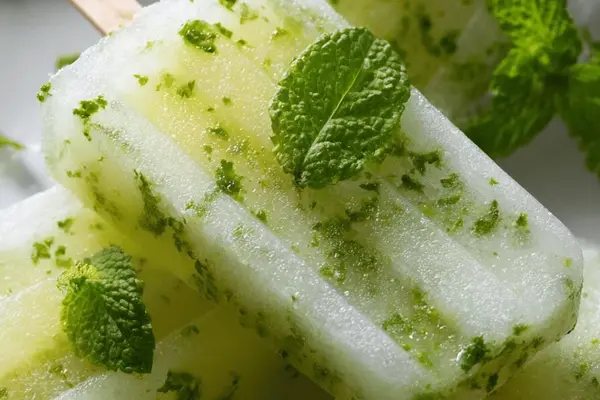
Pineapple Popsicles with Lime and Mint
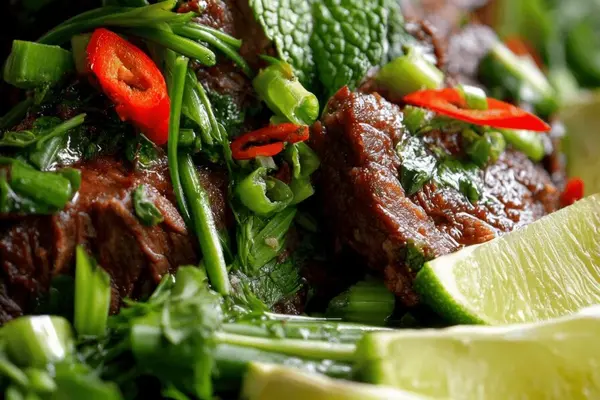
Instant Pot Pot Roast with Ginger & Lemongrass
Baked Maple-Chai Donuts with Whole Wheat
Thai Peanut Noodles with Tahini Sauce
Hard Boil Quail Eggs with Tarragon Mayo
Lemon Cookies with Mirror Glaze Recipe
Fermented Vegetables Probiotics Recipe
Vegan Shortcakes with Whipped Coconut Cream
Cranberry Chocolate Rustic Loaf Recipe
Cheesy Churros with Cheddar & Pecorino