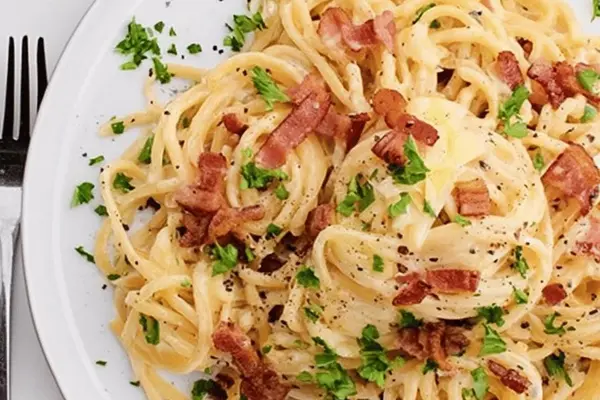
Carbonara with Pancetta and Pecorino Romano
By Emma
Certified Culinary Professional
·
Recipe tested & approved
Classic carbonara recipe made with pancetta, eggs, and pecorino romano cheese. Linguine coated in silky sauce from rendered pancetta fat and pasta water creates an authentic Italian dish.
Prep:
12 min
Cook:
12 min
Total:
24 min
Servings:
8 servings
Pancetta hits the pan dry. No oil. Just renders slow and golden over medium while you’re beating eggs with cheese and black pepper in a bowl. Twelve minutes to cook pasta. Twelve to render the meat. Twenty-four minutes total and you’re eating something that tastes like it took three hours.
Why You’ll Love This Carbonara
Tastes like Rome in a bowl — no cream, just eggs and cheese and fat that somehow becomes sauce. Works on a Tuesday night. Twelve minutes cooking. Nothing fancy. Just pasta, pancetta, eggs. Comfort food that doesn’t feel heavy. Coats every strand but doesn’t sit in your stomach like a brick. Leftovers are actually good cold the next day. Not as good as hot, but still worth eating. Technically simple. Also kind of temperamental about heat. But once you get it, you get it forever.
What You Need for Carbonara Pasta
Eight whole eggs plus three more yolks. Sounds like a lot. It is. That’s the sauce.
Pecorino romano. Not parmesan. Not a blend. Pecorino. Sharper, grainier, actually melts into something instead of just sitting on top.
Pancetta. Diced. Bacon works if you’re stuck but pancetta is different — softer fat, less smoke, better render. Eight ounces minimum.
Linguine. Could do spaghetti or spaghetti alla carbonara with the same result. Shape matters less than the starches clinging to it.
Kosher salt. Garlic minced. Black pepper cracked fresh — not ground. Actually makes a difference. Fresh parsley at the end because it looks right and tastes like you didn’t just boil water and meat.
How to Make Carbonara Pasta Dish
Crack eight whole eggs into a medium bowl. Add three yolks. Beat them together — not frothy, just combined. Pour in one cup of grated pecorino. Crack in one and a half tablespoons of black pepper. Stir until it’s creamy and grainy at the same time, like custard made of cheese. Set it somewhere you’ll see it.
Get ten cups of water in a large stockpot. Add a tablespoon of kosher salt — more salt than feels right. Bring it to a rolling boil, the kind where it’s aggressively bubbling. Add the linguine, stir immediately so it doesn’t clump. Cook until it’s al dente — tender with a bite, not mushy. Around eleven minutes but watch the actual strands, not the clock. Taste one.
While pasta’s going, heat a twelve-inch skillet over medium. Toss in the diced pancetta dry — no oil. Let it sit for a minute, then stir often. Watch it shrivel and turn golden and release its fat. Takes about ten to twelve minutes. You want it crisp but not burnt, fragrant but not angry-smelling. Scoop it out with a slotted spoon into a small bowl. Leave the fat in the pan.
Heat off now. Toss the minced garlic into that hot pancetta fat. Let it sit for maybe ninety seconds. Just soften. The smell should bloom — garlicky, warm. Not brown. Not bitter. That’s it.
How to Get Spaghetti Carbonara Creamy and Perfect
Before draining the pasta, scoop out a cup and a half of that starchy water and put it somewhere. Then drain the linguine.
Quickly dump the hot pasta into the skillet with the garlic fat. Stir fast but gentle, coating every strand in that warm, savory fat. The heat’s already off. You’re just warming it.
Now pour the egg-cheese mixture over the pasta. Toss rapidly but carefully — folding more than stirring, trying not to break anything, trying not to scramble the eggs. Add about a cup of that reserved pasta water. Keep tossing. The starch in that water is doing the actual work here, emulsifying the eggs into something that looks like sauce instead of scrambled eggs on top of pasta. It’ll coat each strand almost glossy. If it looks thick or dry, add up to another half cup of pasta water slowly while you keep tossing. You’re looking for creamy, not wet. Not dry, not wet.
Serve it immediately in a big bowl. Spray the remaining pecorino over the top. Scatter the crisp pancetta. Sprinkle fresh parsley. Eat it fast before it cools down enough to congeal.
Spaghetti Carbonara Tips and Common Mistakes
Room temperature eggs help. Keeps them from scrambling when they hit the hot pasta. Some people temper them — add a little hot pasta water to the egg bowl first, stirring constantly. Works if you’re nervous. Not required.
Pancetta temperature matters more than you think. It needs to render its fat slowly, not spit and pop. Medium heat the whole time. Slow. The fat’s the seasoning.
Don’t add the garlic to the hot pan if the meat’s still cooking. It’ll burn. Wait until the heat’s off. That’s the whole reason for turning it off before the pasta arrives.
The pasta water is doing real work. It’s starch, salt, and emulsifier all at once. Use it. Too much and it’s soup. Not enough and it’s dry and grainy. A cup to a cup and a half is usually right. Maybe more if your pan’s huge.
Pecorino romano versus parmesan — honestly, parmesan’s sharper and finer, pecorino’s grainier and saltier. Either works. Pecorino’s more traditional. Try pecorino first, then decide.
Carbonara with Pancetta and Pecorino Romano
Prep:
12 min
Cook:
12 min
Total:
24 min
Servings:
8 servings
Ingredients
- 8 whole eggs
- 3 egg yolks
- 1½ tablespoons black pepper freshly cracked
- 1 cup grated pecorino romano cheese plus ¼ cup for finishing
- 10 cups water
- 1 tablespoon kosher salt
- 1 pound linguine pasta
- 8 ounces diced pancetta (substituted for bacon)
- 4 cloves garlic minced
- 1¼ to 1½ cups reserved pasta water
- 2 tablespoons fresh parsley chopped
Method
- 1 Beat eggs whole and yolks together in medium bowl, with cracked black pepper and 1 cup grated pecorino. Set aside. Texture: creamy, grainy from cheese.
- 2 Fill large stockpot with 10 cups water, add 1 tablespoon kosher salt, bring vigorously to boil. Salted water is key for flavor. Add linguine, stir to avoid sticking. Cook until al dente, about 11 minutes but watch strands for just tender bite, not mush.
- 3 While pasta cooks, heat 12-inch skillet over medium. Toss diced pancetta in dry. Render fat slowly, stirring often, about 10 to 12 minutes until golden and crisp but not burnt. When shriveled and fragrant, scoop pancetta out with slotted spoon, drain into small bowl, keep fat in pan.
- 4 Turn heat off, add minced garlic to pancetta fat. Must soften gently for about 1½ minute. Aroma should bloom without browning or bitterness. Garlic softness, smell are your cues.
- 5 Reserve 1½ cups starchy pasta water before draining pasta. Quickly drain linguine, then toss pasta into skillet with garlic fat. Stir briskly to coat every strand in aromatic fat. Heat off keeps garlic from burning, just warming the pasta slightly.
- 6 Pour egg-cheese mixture immediately over pasta. Toss rapidly but gently, folding eggs into hot noodles. Add 1 cup of reserved pasta water, continue tossing vigorously to emulsify sauce, avoid scrambling eggs. Sauce thickens, coats each strand almost glossy. If sauce feels thick or dry, slowly add up to ½ cup more pasta water to loosen.
- 7 Serve promptly in large bowl. Spray with remaining pecorino cheese, scatter crisp pancetta crumbles, sprinkle fresh parsley for freshness and color contrast.
Nutritional information
Calories
432
Protein
18g
Carbs
44g
Fat
19g
Frequently Asked Questions About Carbonara Pasta Dish
Can I use bacon instead of pancetta? Yes. It’ll taste a bit smokier, a bit crispier. Not wrong. Just different. Pancetta’s softer, renders slower. But bacon works if that’s what you have.
Why are there so many eggs? Eight whole eggs plus three yolks makes the sauce thick enough to coat the pasta without cream. More yolks than whites means it stays creamy instead of getting grainy. You need that ratio.
What if the eggs scramble? Means the pan or pasta was too hot when you added the egg mixture. Next time, make sure the pasta’s just warm, not boiling hot. Or beat the eggs into room temperature pasta off heat, then warm the whole thing gently by tossing. Scrambled eggs don’t emulsify the same way.
Can I make carbonara ahead? Not really. Cold it’s totally fine. But it doesn’t hold hot well. Make it right before you eat. Takes twelve minutes total. Just do it fresh.
Do I really need kosher salt? It matters for the water. Coarser grains don’t dissolve into nothing like table salt. They sit on the pasta and flavor every strand instead of disappearing. Try it. You’ll notice.
What’s the difference between spaghetti carbonara and just pasta with eggs? The pancetta fat emulsifies the eggs. The starch in the pasta water helps it happen. The cheese adds salt and sharpness. Without any of those, it’s just scrambled eggs. All three together become a sauce that coats the pasta. That’s the difference.
You’ll Love These Too
Explore all →
Apple Cocktail with Campari and Sparkling Cider

How to Make Lemonade with Fresh Lemon
Caprese Pesto Quesadillas with Fresh Mozzarella
Lemon Rice with Fresh Thyme & Jasmine
Lemon Dill Salmon - Easy Oven Baked
Roasted Root Vegetables with Tofu & Barley
Mozzarella Stuffed Chicken with Cream Sauce
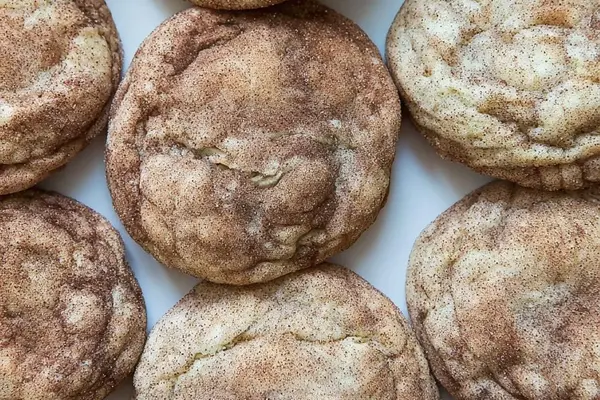
Snickerdoodle Recipe with White Chocolate Chips
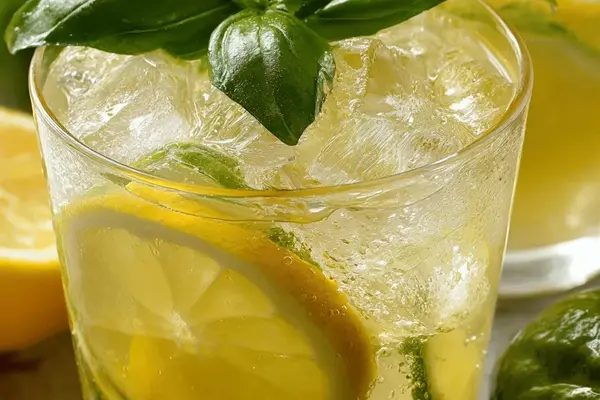
White Wine Cocktail with Vodka & Citrus
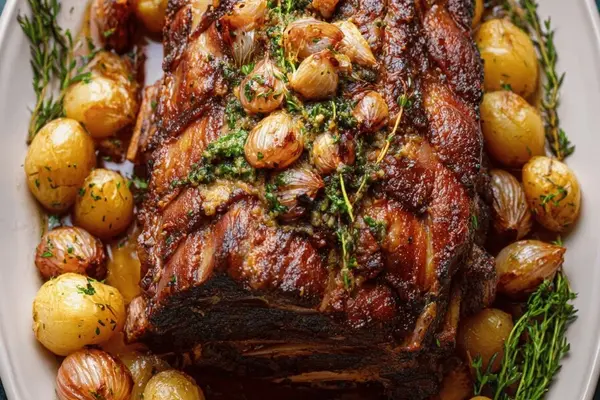
Roasted Roast Beef with Thyme & Horseradish
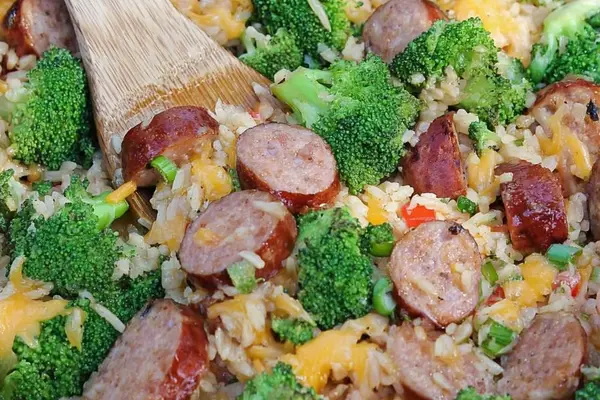
Cheesy Sausage Broccoli Skillet Recipe
Fluffy Omelette with Ricotta Salata
Grilled Beef Sandwiches With Pickled Fennel

Cream Wafers with Vanilla Buttercream
Blood Orange Chiffon Cake with Cardamom
Bacon Wrapped Scallops with Paprika
Pan Seared Chicken Breast with Chorizo
Marinated Italian Eggplants with Garlic
Unsweetened Coconut Juice with Soybeans