Caramelised Onions Relish with Bacon
By Emma
Certified Culinary Professional
·
Recipe tested & approved
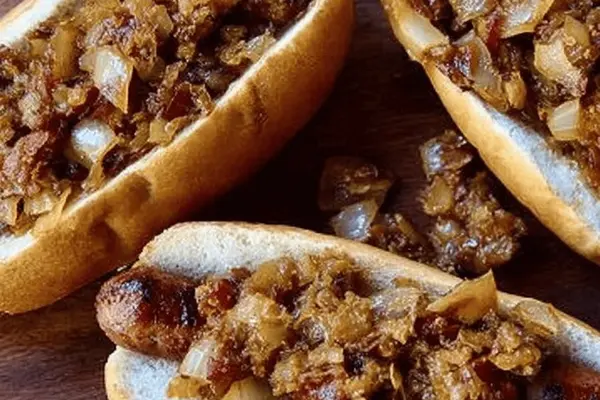
Caramelised onions relish made with crispy bacon, smoked paprika mustard, brown sugar, and apple cider vinegar. Perfect topping for sausages and burgers.
Prep:
6 min
Cook:
14 min
Total:
20 min
Servings:
4 servings
Chop the bacon first. Medium-high heat, let it render slow. You want crisp, not burnt—there’s a difference and your pan will tell you when it happens.
Why You’ll Love This Caramelised Onions Relish
Takes 20 minutes total. Most of that’s waiting, not doing. Bacon fat does the work—onions go soft and sweet without any real effort on your part. Smoked paprika mustard brings the depth. Apple cider vinegar keeps it bright. One skillet. Done. Tastes better than anything from a jar. Not even close. Works on hot dogs, bratwurst, sausages, or honestly just about any grilled meat that could use something smoky and a little sharp. Condiment that doesn’t feel like an afterthought. Leftovers hold up fine. Reheat gently and it comes back to life.
What You Need for Homemade Hot Dog Relish
Six slices thick-cut bacon. Chopped. Not thin stuff—thick pieces hold their texture and don’t disappear. One medium yellow onion. Diced small enough that it softens but chunky enough you can see what you’re eating. A tablespoon of whole grain smoked paprika mustard. Not regular mustard. Not Dijon. The smoked version matters. Tastes like something actually happened to it. Dark brown sugar. Packed down. A tablespoon. Light brown works, but dark brings that caramel note you’re after. Apple cider vinegar. One and a half tablespoons. Not white vinegar—that’s too sharp. This one’s softer, rounder.
That’s it. Five ingredients.
How to Make Caramelised Red Onion Relish
Heat a heavy skillet over medium-high. Let it actually get hot—you’ll feel the heat radiating when you hold your hand near it. Bacon goes in. Don’t crowd it. Let pieces sit, get space between them. Listen. You’ll hear it crackling. That’s good. Stir occasionally. Watch for the pieces to firm up and turn from raw to set, still tender in the middle but not limp. When the bacon holds shape and feels firm—take it out. Slotted spoon. Paper towels. Let it drain and cool. Two tablespoons of bacon fat stays in the pan. That’s your base. Pour off the rest carefully. Too much fat and the relish gets greasy. Too little and it’ll stick. The fat you leave behind should smell smoky, not burnt.
How to Get the Caramel Right
Back on medium heat. Onions in. Spread them flat across the pan. Don’t mess with them yet. Three minutes. Just sit there. The bottom edges start to brown, go a little golden. This is when the real cooking starts. Then stir. Cook another six or seven minutes. You’re watching for them to go translucent and soft but not mushy—there’s a window. They should have brown edges. The color comes from the sugar in the onion, and the heat turns it into something deeper. Not burnt. Caramelized. Off heat now. This is important. The pan’s still hot enough to cook, but you’re not applying direct heat anymore. Add the mustard. Brown sugar. Vinegar. Stir it all together gently. The residual heat melds everything without overcooking. Bacon goes back in. Fold everything together once or twice. Let it sit for a minute. Flavors find each other.
Caramelised Onions Relish Tips and Mistakes
Bacon fat is not optional. Too little and your onions stick or taste flat. Too much and they get slick. The right amount—the two tablespoons you saved—that’s the difference between good and blah. Patience with the onions. High heat burns them. Medium heat caramelizes them. There’s a difference and it matters. You’ll see it turn from raw to soft to golden. Don’t rush. Bacon has to be dry before it goes into the relish. Drain it fully. If there’s moisture still clinging to it, it stays soggy in the final dish. Let it cool on paper towels. Too much stirring the onions prevents them from browning. Let them sit. They need contact with the hot pan to caramelize. Stir, yes. But not constantly. Vinegar—if you like it sharper, add a little more. If you want it sweeter, use less. Tastes change. Your batch might be different than the next one.
Caramelised Onions Relish with Bacon
Prep:
6 min
Cook:
14 min
Total:
20 min
Servings:
4 servings
Ingredients
- 6 slices thick-cut bacon chopped
- 1 medium yellow onion diced
- 1 tablespoon whole grain smoked paprika mustard
- 1 tablespoon packed dark brown sugar
- 1 1/2 tablespoons apple cider vinegar
Method
- 1 Heat a heavy skillet over medium high until hot. Add chopped bacon in even layer without crowding. Cook stirring occasionally while fat renders, listen for crackling to reach crisp but not burnt. Once bacon pieces hold shape and feel firm, use slotted spoon to transfer to paper towels to drain. Leave about 2 tablespoons bacon fat in pan, pour off excess carefully to avoid smoking or bitter burnt residue.
- 2 Return pan to medium heat. Toss in diced onions. Spread evenly. Let cook undisturbed 3 minutes to start softening and browning bottom edges, then stir. Cook total around 6-7 minutes more. Look for translucent, lightly caramelized pieces with softened texture but not mushy.
- 3 Off heat now to slow flavors melding. Stir in smoked paprika mustard, brown sugar, and apple cider vinegar. Feel free to slightly increase vinegar if you prefer a sharper tang — tastes change over time. Return bacon pieces, fold everything together gently. The warmth here is enough to marry ingredients without overcooking.
- 4 Serve immediately over hot dogs, bratwurst, or grilled sausages—smell smoky, sweet, bright. If cooling leftovers, reheat gently in skillet to restore aroma and texture. Add pinch of cayenne if you want mild heat.
- 5 Pro tip — reserved bacon fat is key. Too little and onions stick or lack depth; too much and it overwhelms. Adjust to pan size and bacon fat rendered. Avoid high heat when cooking onions or they'll burn and turn bitter, ruining balance.
- 6 Substitute: use Dijon mustard but reduce vinegar by half for less acid punch. White sugar can replace brown but dark notes are lost. Shallots instead of onions give milder sweetness but cook faster so watch closely.
- 7 Common fail — draining bacon too early leaves soggy bacon in relish. Let bacon dry and cool slightly before mixing. Also, too much stirring onions prevents caramelization; patience makes all the difference.
Nutritional information
Calories
230
Protein
7g
Carbs
6g
Fat
18g
Frequently Asked Questions About Homemade Hot Dog Relish
Can I make this ahead? Yes. Tastes actually better the next day. Flavors settle. Reheat gently in the skillet and it comes back to life. Add a splash of water if it’s gotten dry.
What if I don’t have smoked paprika mustard? Regular whole grain mustard works. Dijon too, but reduce the vinegar by half—Dijon’s sharper and you don’t want it overwhelming everything else. You lose the smoky note, but it’ll still taste good.
Brown sugar vs. white? Use brown. It’s got molasses in it. That’s where the caramel color and depth come from. White sugar will work but you’re missing the whole point.
Can I use red onions instead of yellow? Red onions are sweeter. They’ll cook faster—watch them closely. Four or five minutes instead of six or seven. They stay a bit firmer too, which some people prefer. Not wrong, just different.
How long does it keep? Refrigerator, in a container, five or six days. The vinegar keeps it from going bad. Flavor fades over time but it doesn’t spoil. Reheat before serving.
What if my bacon came out chewy? You pulled it off too early. Bacon needs to feel firm when you touch it—not rubbery, but set. If it’s bending, it’s not done. Put it back in the pan for another minute or two.
Too vinegary? Add another half tablespoon of brown sugar. Rebalance it. Or next time reduce the vinegar by a splash. You’ll figure out what your taste is.
You’ll Love These Too
Explore all →
Baked Cheese with Mushroom Sauté & Mustard
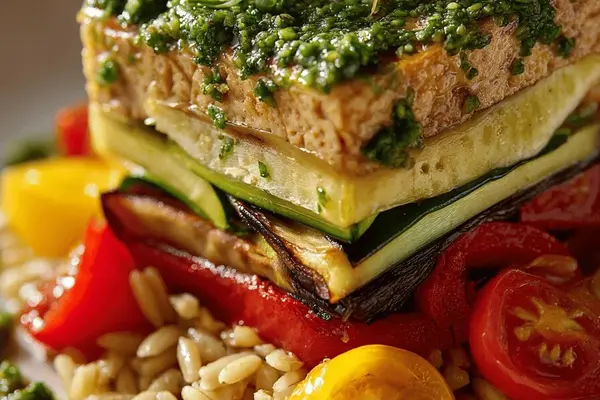
Crispy Tofu Orzo Stack with Lemon Herb

Jalapeño Popper Grilled Cheese with Bacon
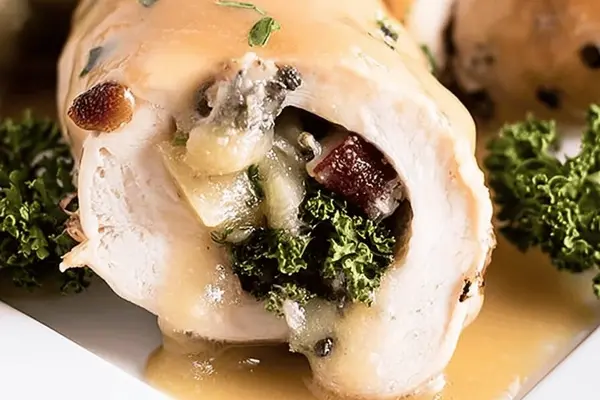
Stuffed Chicken Breast with Spinach & Apple Gravy

Rice Krispie Treats with Peeps & Sea Salt
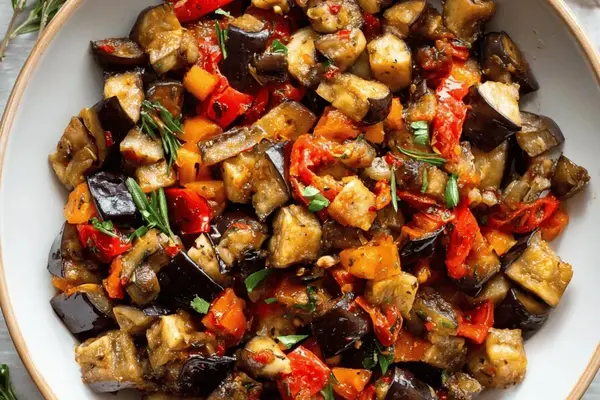
Marinated Italian Eggplants with Garlic
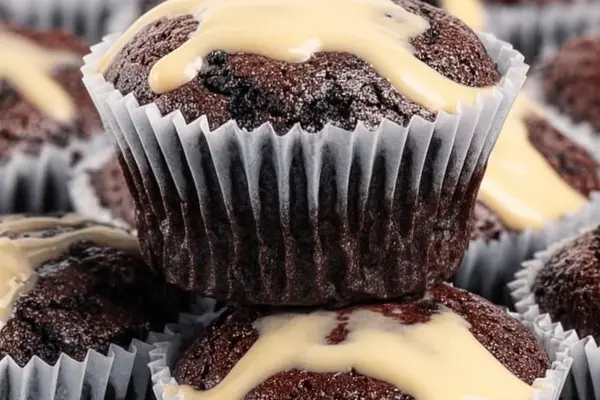
Chocolate Cream Cheese Cupcakes

Sunny Side Up Eggs with Olive Oil
Simple Fudge Recipe with Condensed Milk
Grilled Asparagus Bundles with Rosemary Skewers
Crispy Beer-Battered Chicken Thighs with Dill Pickle
Fennel Salad with Seared White Fish

Buttermilk Biscuits Recipe with Flaky Layers

Pumpkin Cake Cheesecake Recipe

White Chicken Chili with Beans
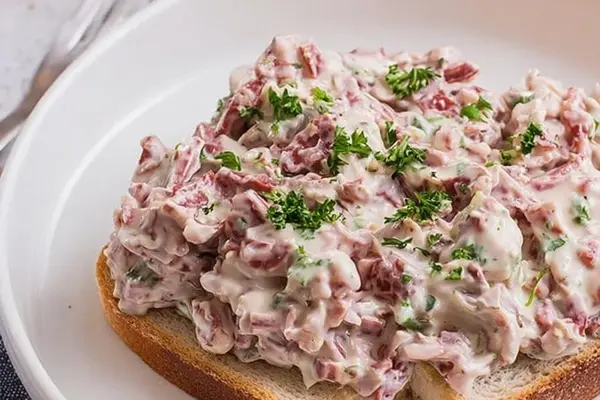
Creamed Chipped Beef on Toast Recipe
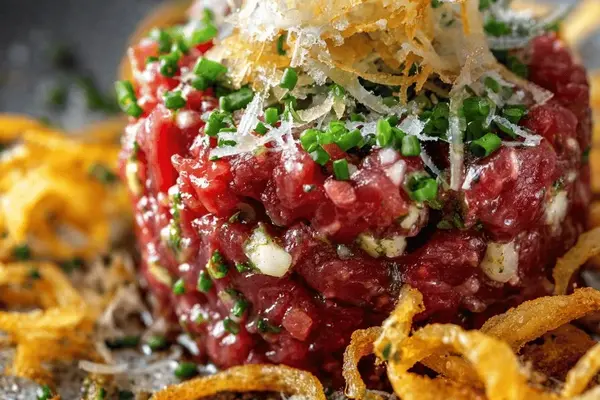
Beef Tartare with Bone Marrow & Crispy Potatoes

Lemon Cookie Icing Sugar Recipe
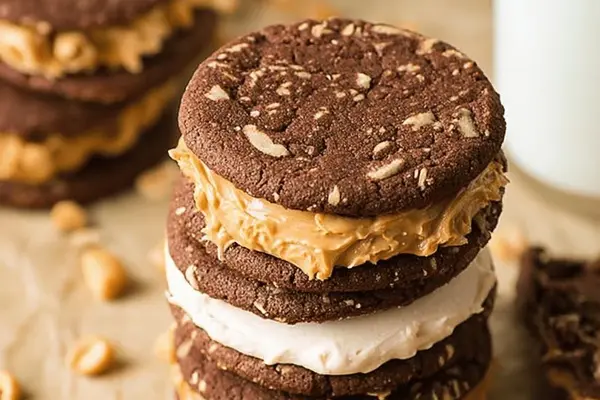
Peanut Butter Cocoa Sandwich Cookies