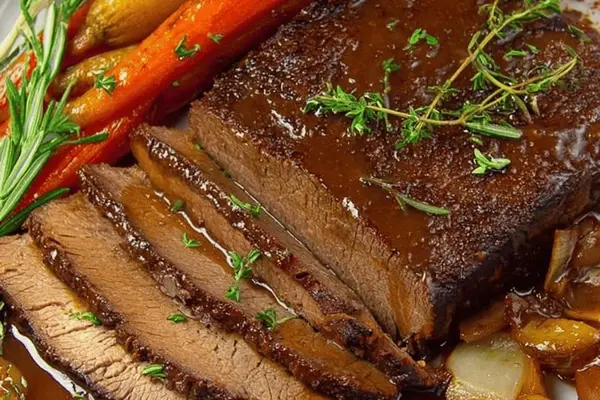
Slow Braised Brisket with Red Wine & Beef Stock
By Emma
Certified Culinary Professional
·
Recipe tested & approved
Slow braised brisket with red wine, beef stock, caramelized onions, and fresh herbs. Tender meat with rich sauce that coats every slice perfectly.
Prep:
15 min
Cook:
3h 15min
Total:
3h 30min
Servings:
8 servings
Three hours. That’s it. Brisket goes in tough, comes out falling apart on the fork, sauce dark and rich enough that you’re going to want bread for it—no, you’re going to need bread. Fat side down, then covered, then forgotten about while the oven does what ovens do best.
Why You’ll Love This Slow Braised Brisket
Tastes like someone spent all day cooking but you spent 15 minutes. The actual work happens while you’re doing something else—reading, watching something, not thinking about dinner at all. Comes out tender every single time, not one of those guesses where you hope the meat cooperates.
Red wine sauce thickens on its own, no weird cornstarch clouds hanging around. Comfort food that actually feels like someone knew what they were doing in the kitchen. One pot. One. Everything happens in the Dutch oven and then it’s done. Cold leftovers taste better the next day—maybe even better than the first.
What You Need for Slow Braised Brisket
Two pounds of brisket, maybe one and a half if that’s what the butcher has. Kosher salt. Not table salt. Coarser, stays put, doesn’t vanish into the meat like it’s in a hurry. Freshly ground black pepper—the pre-ground stuff tastes like dust, just works better when it’s fresh.
Butter split three ways. Three tablespoons total. All-purpose flour. Two tablespoons. The flour and butter make a roux—just trust it. Onions quartered, four cloves garlic sliced thin. Tomato paste, two tablespoons. One cup red wine. The kind you’d drink. Not the stuff labeled “cooking wine” because that’s code for “wrong.” Two and a half cups beef stock. Good stock, not the salty cube version if you can help it. Thyme, rosemary, parsley tied with kitchen twine. Fresh if possible. Dried works. Isn’t the same.
How to Make Slow Braised Brisket
Heat the oven to 295°F. Not a degree higher. Get a Dutch oven going on the stove over medium heat—you want it hot but not angry, not smoking. Patience saves the sauce later.
Pat the brisket completely dry. Salt and pepper on thick—don’t hold back. The seasoning doesn’t dissolve away, it sticks, crusts, builds flavor. Fat side down into the hot pan. Don’t touch it. Just let it sit and brown deep gold, around 7 minutes. The fat melts, crackling, smelling like something you should bottle and wear. When it’s dark enough, pull it out onto a plate.
Turn the stove off. Use this moment to chop—onions into quarters, garlic sliced fine. Tie your herbs tight with string so they don’t scatter into the sauce. This bundle matters more than it sounds. It seasons without clouding everything with loose bits.
One tablespoon of butter into the slightly cooled pan. Let it melt, swirl it around till the bottom shimmers. Add the flour all at once. Stir constantly. It’ll go from dry to paste to paste that’s starting to brown. Watch for that tan color. If the pan feels cold, flick the heat to low—this is where most people rush and burn it or keep it pale. Patience here makes it taste nutty instead of raw. No lumps. Keep stirring.
Pour the roux into a bowl and let it cool. This weird step actually matters—cooling it down keeps it golden, stops carryover cooking from turning it dark.
Clean the pan with a paper towel. Put it back on medium heat with two tablespoons of butter, melted.
How to Get Slow Braised Brisket Tender and Rich
Quartered onions go in skin side down. Let them brown lightly, maybe 5 minutes. They soften, edges go caramelized, smell turns sweet and almost dense. Tomato paste and garlic in. Stir for about 1 minute—you want it aromatic, not burnt. If things are cooking too fast, turn the heat down.
Pour in the red wine. It sizzles, bubbles, scrapes up all the brown bits stuck to the pan. Then the beef stock. Turn the heat up until it’s boiling hard—actually boiling, not just steaming.
Brisket goes back in fat side up. The liquid should come up about halfway. The top half stays dry and will crisp a little. If the meat wants to sink, use the onions as props—they’re useful that way.
Cover the Dutch oven. Slide it into the oven. Leave it alone for 3 hours and 10 minutes. This is the waiting part. It’s the best part. No peeking. Every time you open it, you lose heat and add ten minutes to cooking.
Take it out. The smell is thick, slightly sweet, meaty in a way that means it worked. Lift the brisket onto a cutting board. Fish out the onions and herb bundle with a slotted spoon—discard them. Keep the meat warm, covered loosely with foil.
Strain the braising liquid into a bowl if you want—or just work with it in the pan. Put the pan back over medium heat. Take that roux out of the fridge. Add it slowly, stirring with a whisk, no clumps allowed. The liquid thickens as it heats, coats the spoon in about 2 minutes. Taste it. Salt it if it needs it.
Slice the brisket thin, against the grain—this matters more than you’d think. Carving with the grain leaves it stringy. Against it and the meat falls apart in your mouth. Serve with that sauce poured generous.
Slow Braised Brisket Tips and Common Mistakes
The wine is important. If you don’t have it or don’t drink it, use grape juice with a splash of vinegar added—gets you the acidity without the alcohol flavor. Gluten-free? Cornstarch mixed with a little cold water works instead of the roux, but add it at the very end after the sauce is done cooking. No roux? You can skip it entirely. Sauce won’t thicken as much, but it still tastes good, still tastes like brisket cooked slow and right.
Watch the fond browning while the liquid reduces. Too dark means bitter, and bitter ruins everything. The roux color changes the whole sauce tone—dark roux makes dark sauce, pale roux keeps it lighter. Onions should soften completely but not blacken. Burnt garlic in the pan poisons the whole thing. One piece of burnt garlic and you’re starting over. So don’t. Medium heat. Adjusting as needed. Patience.
Leftover sauce thickens more as it cools. Reheat gently or it might separate. The brisket slices reheat better if you do it covered with the sauce in a low oven instead of the microwave—comes back tender instead of drying out.
Slow Braised Brisket with Red Wine & Beef Stock
Prep:
15 min
Cook:
3h 15min
Total:
3h 30min
Servings:
8 servings
Ingredients
- 1 ½ to 2 lbs beef brisket
- Kosher salt and freshly ground black pepper for seasoning
- 3 tbsp unsalted butter divided
- 2 tbsp all-purpose flour
- 2 large onions quartered
- 4 cloves garlic thinly sliced
- 2 tbsp tomato paste
- 1 cup dry red wine
- 2 ½ cups beef stock
- Herb bundle: thyme, rosemary, parsley tied with kitchen twine
Method
- 1 Oven set to 295°F for steady, low braise. Dutch oven heating on medium stove. Needs hot, not smoking.
- 2 Brisket patted dry. Salt and pepper slapped on thick—don’t be shy. Fat side down into hot pan. No moving. Brown deep gold 7 minutes. Starts crackling, fat melting out.
- 3 Fish brisket out, turn stove off. Use dead time chopping onions quartered, garlic sliced fine. Tie herb springs tight. This bundle thins smoke, stiffens flavor.
- 4 Pan cooled slightly. Butter tablespoon dropped in. Stir swirled till melted, shimmer on bottom.
- 5 Flour added all at once. Stir constantly, paste forming, paste browning. Tan hue. If pan feels cold, flick heat to low. Patience here builds nuttiness. No lumps allowed.
- 6 Roux scraped off into bowl, covered. Chilling slows carryover cooking, keeps roux golden, not burnt.
- 7 Clean pan with paper towel. Butter doubled now, melted medium heat.
- 8 Quartered onions added, skin side down, let brown lightly, 5 minutes. They soften, edges caramelized, smell turns sweet and dense.
- 9 Throw in tomato paste and sliced garlic. Stir 1 minute till aromatic, no burning—adjust heat as needed.
- 10 Pour wine in. Sizzle and bubble, scrapes brown bits loose. Then beef stock added. Heat cranked until vigorous boil.
- 11 Brisket set back in, fat side up. Liquids cover a bit less than half; top half dry to crisp. Use onions to prop meat if it wants to sink.
- 12 Covered, slipped into oven for 3 hours plus 10 minutes. Oven heat steady; no peeking causing heat loss.
- 13 Take out. Lift brisket, onions, herbs. Discard solids. Meaty aroma thick, slightly sweet. Keep warm, tented.
- 14 Braising liquid over medium heat. Roux taken from fridge, stirred in slow with whisk or spoon. No clumps. Liquid thickens, coats spoon in 2 minutes heating.
- 15 Slice brisket thin against grain. Serve with runoff sauce, generous pour.
- 16 If wine scarce replace with grape juice acidulated with splash vinegar. For gluten free, swap roux flour with cornstarch slurry added last. Can skip roux—thickens less but sauce still tasty.
- 17 Watch fond browning carefully. Too dark means bitter. Roux color affects sauce tone directly. Onions should soften but not blacken; burnt garlic poisons sauce.
Nutritional information
Calories
320
Protein
28g
Carbs
10g
Fat
18g
Frequently Asked Questions About Slow Braised Brisket
Can I use a slow cooker instead of a Dutch oven? You can. Brown the brisket in a skillet first, make the sauce in the pot, then dump it all into the slow cooker on low for 6 to 7 hours. Won’t get the same crust on top, but the meat comes out tender. Same-day cooking tastes better than the slow cooker method, but both work.
How do I slice the brisket against the grain if I can’t see the grain? Look at the surface before you cook it. The grain runs in a line, usually along the length of the meat. Mark it mentally. Slice perpendicular to that line. If you’re lost, slice thin either way—thin enough and the grain doesn’t matter as much as you’d think.
What kind of beef brisket—flat or point? Flat is leaner, slices cleaner, looks better plated. Point is fattier, more forgiving if you mess up the timing, tastes richer. Either works. Don’t stress about this part.
Can I make this ahead? Yes. Cook it completely, chill it overnight. The flavor deepens. Reheat covered in a 300°F oven for 30 minutes until warm through. Or slice it cold and reheat with sauce. Both work fine.
How do I know when the brisket is done? A fork pokes through the thickest part without resistance. Just gives. The meat falls apart when you push it. Don’t cut into it to check—you’ll lose juice. Use the fork test instead.
Can I use a different red wine—or skip it entirely? Cabernet, merlot, pinot noir—any red wine works. Dry wine matters. Sweet wine throws off the balance. No wine? Beef stock plus a tablespoon of vinegar gets you close. Not the same. But it works.
You’ll Love These Too
Explore all →
Peanut Butter Jam French Toast Sandwiches
Beer Battered Onion Rings with Pale Ale
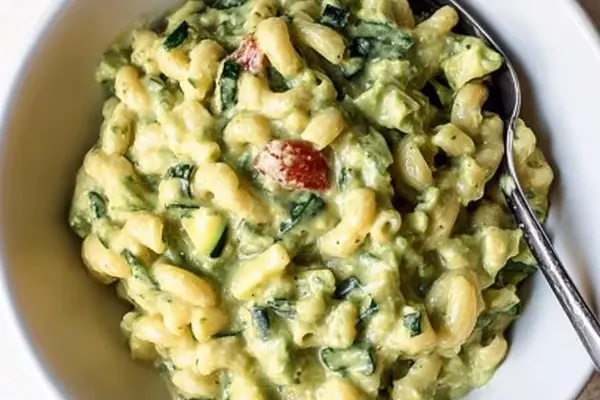
Pasta Sauce White Sauce with Avocado

White Port Cocktail with Grapefruit

Vegetarian Chili Recipe with Beans
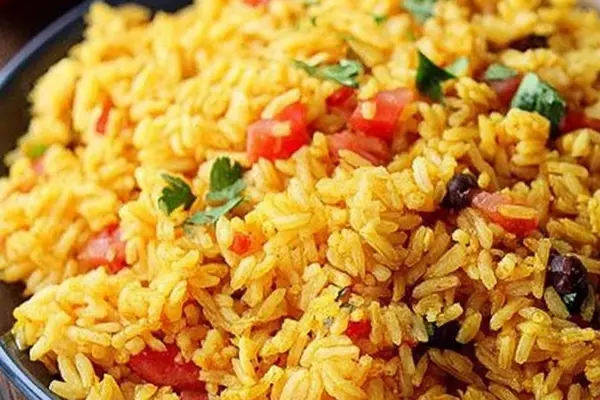
Easy Mexican Rice with Cumin and Canned Tomatoes
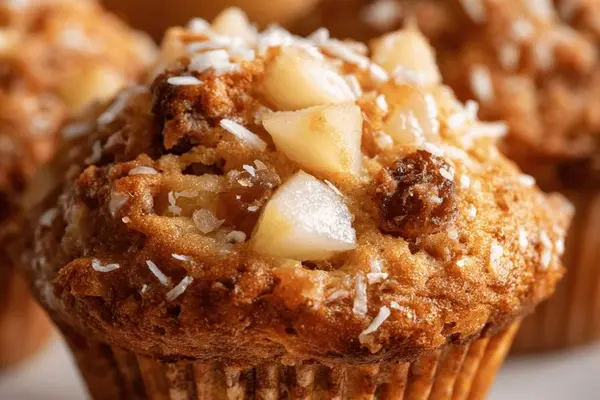
Pear Muffins with Cream Cheese Filling
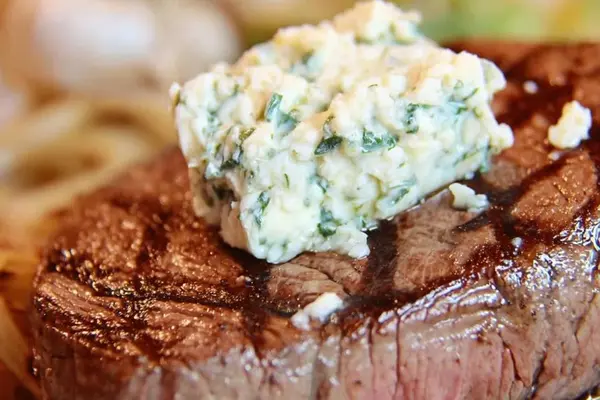
Grilled Beef Fillet with Garlic Butter Mushrooms

Okonomiyaki: Fluffy Japanese Pancakes
Kahlua Chocolate Cheesecakes with Oreo Crust
Yule Log Cake Recipe with Chocolate Ganache
Red Beans and Rice with Smoked Turkey
Mugcake Recipe: Chocolate in Minutes
Baked Brie Recipe with Pepper Jack Cheese
Coconut Pound Cake with Cream Cheese
Crispy Beer-Battered Chicken Thighs with Dill Pickle
Slow Braised Pork Chops with Caramelized Onions
Pineapple Upside Down Cake with Pecans
Homemade Chocolate Bars with Almond Bark