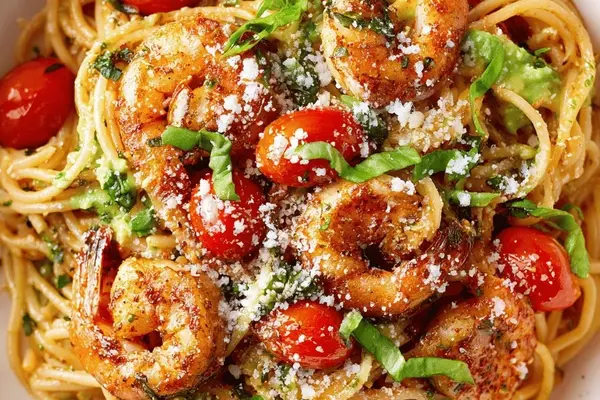
Shrimp Pasta with Cherry Tomatoes & Pine Nuts
By Emma
Certified Culinary Professional
·
Recipe tested & approved
Shrimp pasta tossed with pan-seared shrimp, cherry tomatoes, pine nuts, garlic, and sun-dried tomatoes. Deglazed with dry white wine and finished with fresh basil and Parmesan for a vibrant seafood dinner.
Prep:
25 min
Cook:
20 min
Total:
45 min
Servings:
4 servings
Shrimp hits the pan hot and pink in under two minutes. That’s the whole thing right there. Everything else is just making sure the pasta doesn’t break while you watch the seafood sear.
Why You’ll Love This Easy Shrimp Spaghetti
Forty-five minutes total. Sounds long until you realize twenty of it’s just boiling water.
Tastes like you spent hours. That wine reduction thing, the way the pan gets sweet-smelling — makes you look competent even if you’re not.
One skillet. One pot for pasta. Cleanup isn’t nothing, but it’s fast. No weird dishes hiding in the sink the next day.
Works on a Tuesday night when you’re tired. Works when people come over and you want them to think you know what you’re doing. Works both ways.
Shrimp gets rubbery if you overcook it. This doesn’t let that happen — they’re done before you blink. Then they sit on a plate while everything else catches up.
What You Need for Garlic Shrimp Spaghetti
Spaghetti. Four hundred grams. Slightly more than three quarters of a pound. That’s the backbone.
Large raw shrimp. Four hundred grams. Peeled. Patted dry — water on them means they steam instead of sear. That matters.
Olive oil. Need three and a half tablespoons total. Split it. Half goes under the shrimp. Half goes with the vegetables.
One medium yellow onion. Slice it thin. Not paper-thin, just thin enough it cooks before it burns.
Three garlic cloves. Finely minced. Not chopped. The difference is real.
Pine nuts. Heaped eighth of a cup. Twenty grams if you’re measuring. Toast them yourself or buy them toasted — either works. They brown in like thirty seconds though, so watch.
Crushed red pepper flakes. About an eighth teaspoon. Sounds like nothing. It’s enough.
Dry white wine. A cup and a half. Doesn’t have to be expensive. Just not the stuff that tastes like vinegar.
Cherry tomatoes. Halved. One sixty grams. Sun-dried tomatoes in oil. Drained and chopped fine. Sixty grams of those. Or skip them — mash an avocado instead if sun-dried isn’t your thing. Both work. Different angle but works.
Parmesan. Eighty grams. Fresh grated. Not the green container stuff.
Fresh basil. Fifteen grams chopped. Goes on at the very end. Green and alive-looking instead of cooked to nothing.
Salt. Pepper. You already have these.
How to Make Italian Shrimp Pasta
Get a pot big enough. Fill it heavy with salted water — like you’re making the ocean salty. Boil it. Dump the spaghetti in when it’s really going. Don’t break it. Just let it soften and bend into the water.
Cook it almost to al dente. Not mushy. Not hard. The bite that means it’s not quite done yet. Drain it. Toss it with a drizzle of olive oil so it doesn’t clump. Cover it. Set it aside.
While that’s happening — actually before, if you’re organized — get a large skillet screaming hot. High heat. Really hot. Swirl in half the olive oil. When it shimmers and moves around like water but it’s oil, drop the shrimp flat on the pan.
Sear them. One and a half minutes each side. Watch them. They go from gray to pink fast. Pink edges mean the curl started. Opaque center means they’re done. Pull them off immediately. Season with salt and pepper while they’re still hot. Put them on a plate. Don’t leave them in the pan.
How to Get Seafood Spaghetti with Sun-Dried Tomatoes and Wine Perfect
Add the remaining olive oil to the same pan. Reduce heat to medium-high. Onions go in now — the sliced ones — plus that tiny pinch of red pepper flakes. Stir them around. They’ll smell sharp at first. Sharp onion smell. After four or five minutes, edges start to caramelize and the smell shifts. Sweet. That’s when you know.
Pine nuts in next. Stir fast. They brown almost instantly. Like, thirty seconds and you’ve gone from toasted to burnt. Stir and pay attention.
Garlic goes in after that. Thirty seconds. Just long enough to smell it. Don’t let it brown. Brown garlic is bitter and ruins everything.
Pour the wine in now. The pan will hiss. Scrape the bottom with a wooden spoon — get all those brown stuck bits. That’s flavor. Let the wine reduce. Fizz and bubble for about three minutes until it shrinks and gets less sloshy.
Cherry tomatoes. Sun-dried tomatoes. Both go in now. Stir them in. Shrimp comes back to the pan. The same shrimp from earlier. Simmer gently. Two minutes. Long enough for the tomato skins to loosen up a little. That’s it.
Turn the heat off. This is important. Swirl the mashed avocado into the sauce slowly — if you dump it all at once it gets chunky instead of creamy. Integrate it. Taste it. Salt and pepper again. Season it now, not at the table.
Pasta goes back in the skillet. Use tongs or two forks to fold it through the sauce. Get it hot. Get it coated. The sauce should cling to every strand. Shiny. Not wet. Not dry.
Taste it again. Add more salt if you need it. Red pepper flakes if you want heat. Keep the pasta al dente — don’t overcook it in the sauce. It keeps cooking a tiny bit from residual heat.
Shrimp Tomato Pasta Tips and Common Mistakes
Save pasta water before you drain it. A ladle-full. If the sauce is too thick and clingy, splash some in. Just a little. Silky sauce instead of gloppy. Don’t drown it though.
Shrimp timing is everything. Those one and a half minutes per side — that’s not flexible. Over and they shrink and turn rubbery. Under and they’re still kind of translucent and weird. Pink and opaque. That’s the target.
Garlic burns fast. Thirty seconds and it goes from fragrant to bitter. That bitter flavor takes over the whole dish. Not worth it. Don’t walk away when the garlic’s in.
Wine reduction matters. Don’t skip it. Three minutes of fizzing isn’t just about cooking off alcohol — it’s about concentrating flavor. The pan goes from splashy to silky-looking.
If you don’t have sun-dried tomatoes, use kalamata olives chopped fine. Different vibe. Still works. Or skip both and rely more on the avocado. Not as much going on flavor-wise, but fine.
Toast your own pine nuts in a dry pan ahead of time if you’re paranoid about them burning in the sauce. Thirty seconds in a hot pan with nothing in it — they’re alive and nutty before they hit the skillet.
Wild shrimp sometimes taste a bit tough. A squeeze of lemon at the end helps. Brightens it up.
Shrimp Pasta with Cherry Tomatoes & Pine Nuts
Prep:
25 min
Cook:
20 min
Total:
45 min
Servings:
4 servings
Ingredients
- 400 g spaghetti (slightly more than 3/4 lb)
- 400 g large raw shrimp peeled and patted dry
- 50 ml olive oil (3 1/2 tbsp)
- 1 medium yellow onion thinly sliced
- 1/2 ml crushed red pepper flakes (about 1/8 tsp)
- 20 g pine nuts (heaped 1/8 cup)
- 3 cloves garlic finely minced
- 150 ml dry white wine
- 160 g cherry tomatoes halved
- 60 g sun-dried tomatoes in oil drained and finely chopped
- 1 small avocado mashed (replacement for sun-dried tomato pesto)
- 80 g Parmesan cheese freshly grated
- 15 g fresh basil finely chopped
- Salt and freshly ground black pepper to taste
Method
- 1 Heat large pot salted heavily. Boil pasta just shy of firm bite – al dente. Drain well, toss with a drizzle olive oil to prevent sticking, toss and cover.
- 2 Meanwhile, heat large skillet over high heat, swirl in half olive oil. When shimmering, drop shrimp flat, sear 1 1/2 minutes each side until pink edges curled and opaque center. Remove shrimp promptly to plate, season lightly with salt and pepper.
- 3 Add remaining olive oil to skillet, reduce heat to medium high. Toss in sliced onion with crushed red pepper. Sauté until translucent, edges begin to caramelize — smell should shift from sharp to sweet, 4-5 minutes.
- 4 Dump in pine nuts, stir quickly to lightly toast (watch, they brown fast). Throw in garlic – cook 30 seconds or until fragrant but not browned.
- 5 Deglaze pan with white wine, scraping up browned bits. Let wine reduce, fizzing shrink, about 3 minutes.
- 6 Stir in cherry tomatoes, sun-dried tomatoes, follow with seared shrimp. Simmer gently, just long enough for tomato skins to loosen, 2 minutes.
- 7 Turn off heat, swirl in mashed avocado slowly to integrate creamy element. Season the sauce again now, salt and pepper to sharpen flavors.
- 8 Add pasta back to skillet, fold through sauce with tongs or two forks. Warm pasta until hot through, glossy coating all strands. Taste; add more salt or some red pepper if needed. Avoid overcooking pasta in sauce here — keep al dente.
- 9 Serve immediately into shallow bowls, generous sprinkle Parmesan, scatter basil leaves on top for color and punch.
- 10 Pro tip: If no sun-dried tomatoes, use Kalamata olives chopped fine. Shake pine nuts in dry pan ahead to quick-toast, brings flavor alive. If shrimp are wild and tough, add a squeeze lemon at end to brighten.
- 11 Watch pasta water closely; save a ladle before draining. If sauce too thick, splash reserved pasta water for silkiness. Avoid drowning dish. The garlic must never burn; burnt bitter garlic kills everything good.
- 12 Every step smells different, rely on aroma shifts. Onion sweetness melts into wine acidity; shrimp pop up juicy pink.
- 13 Count seconds on shrimp searing; overcook and they shrink, rubbery disaster. Precision here saves texture.
Nutritional information
Calories
480
Protein
30g
Carbs
55g
Fat
18g
Frequently Asked Questions About Easy Shrimp Spaghetti
Can I make this ahead? Cook it fresh. Spaghetti gets soggy and shrimp gets weird sitting in sauce. The whole thing takes forty-five minutes. Just do it when you’re ready to eat.
What if I don’t have white wine? Chicken broth works. Not the same flavor — less acidic, more savory — but it cooks down the same way. Doesn’t get interesting the way wine does. Might be worth finding a bottle instead.
Can I use frozen shrimp? Thaw them first. Completely. Pat them dry. Cold shrimp will lower the pan temperature and they’ll steam instead of sear. That defeats the whole thing.
How do I know the pasta is al dente? Taste it. Not fancy. Just bite one strand. It should have a tiny bit of resistance in the center. Not hard. Not soft. That snap-without-cracking feeling.
Is the avocado necessary? No. Makes the sauce creamier. If you skip it, the sauce is brighter and thinner. Both work. Different dishes really. Try it both ways and pick your version.
Can I add more garlic? Yes. Three cloves is restrained. Add four or five if garlic is your thing. Just remember — thirty seconds in the hot pan is still your timer. Don’t let it brown.
What if the sauce breaks? Broken means the oil separates from everything else and looks greasy. Hard to fix mid-cooking. Keep heat medium-high, not screaming. Let the wine reduce properly. Don’t overcook it. If it happens, splash some pasta water in and stir fast. Sometimes fixes it.
Does this work with other seafood? Scallops. Sea bass. Whatever. Time it like shrimp though — high heat, quick sear, get it out before it overcooks. That’s the principle.
You’ll Love These Too
Explore all →
Vegan Ice Cream with Coconut Cream
Vegetable Soup With Zucchini and Potato
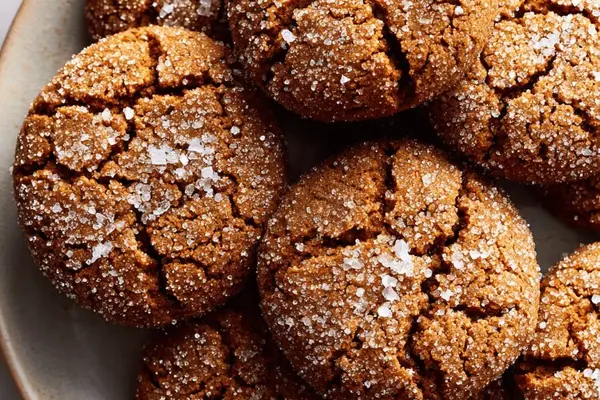
Double Ginger Crunch Cookies with Cardamom
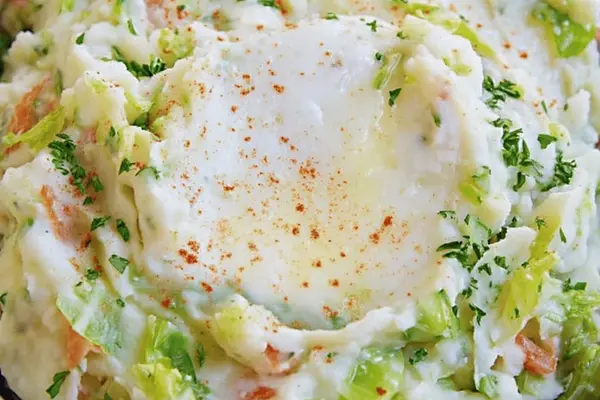
Irish Colcannon with Bacon and Cabbage
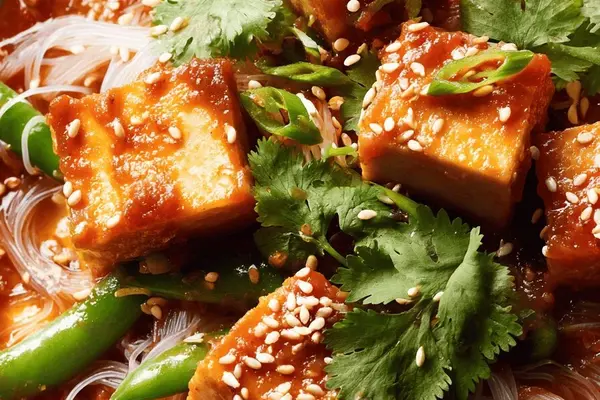
Miso Tomato Tofu Stir Fry with Snap Peas
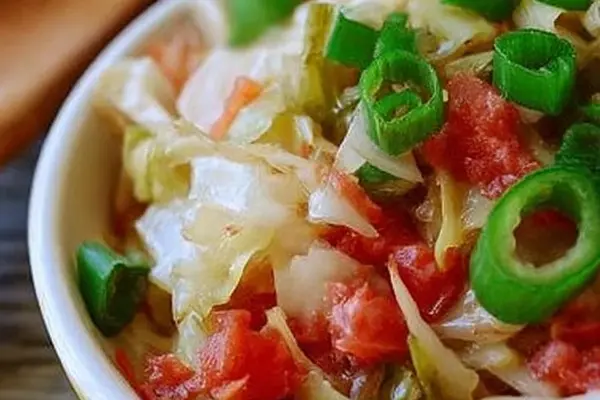
Cabbage Sauteed with Bell Peppers & Tomatoes
Chili Verde Recipe with Ground Pork
Rustic English Scones with Sour Cream
Maple Lattice Tart with Puff Pastry
Coconut Pecan Candy | No Bake Treats
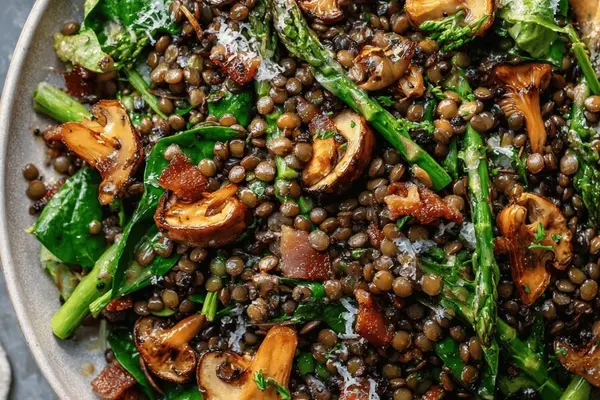
Spinach Salad with Guanciale & Lentils

Lenten Brioche with Apricots and Raisins
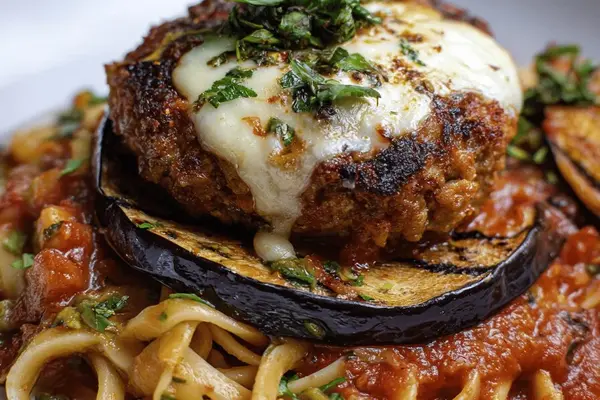
Pork Parmigiana Patties with Eggplant
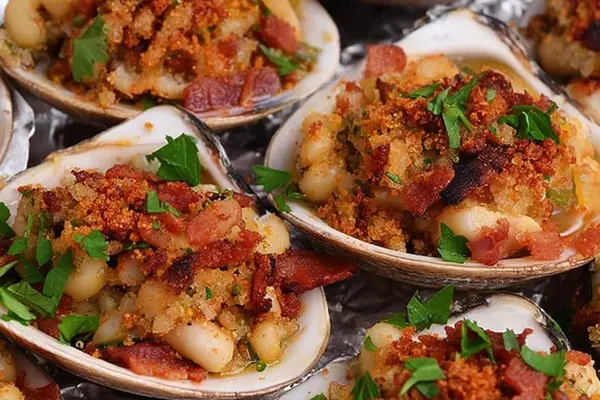
Clams Casino with Bacon and Cracker Topping
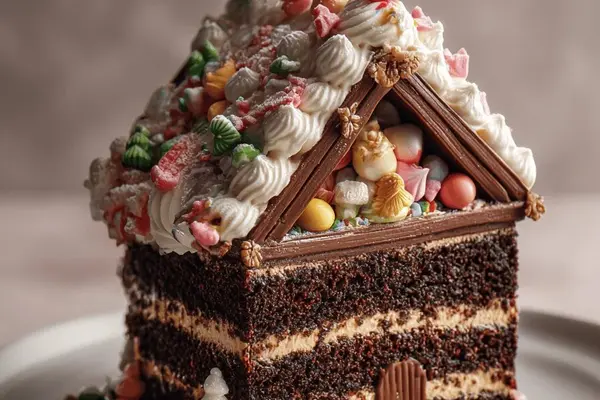
Chocolate Cake House with Cream Cheese Frosting
Creamy Herb Ranch Mash with Greek Yogurt
Roasted Pork Filets with Cashew Curry Sauce
Homemade Marshmallows Recipe with Honey
Chunky Candy Brownies with Chocolate Chunks