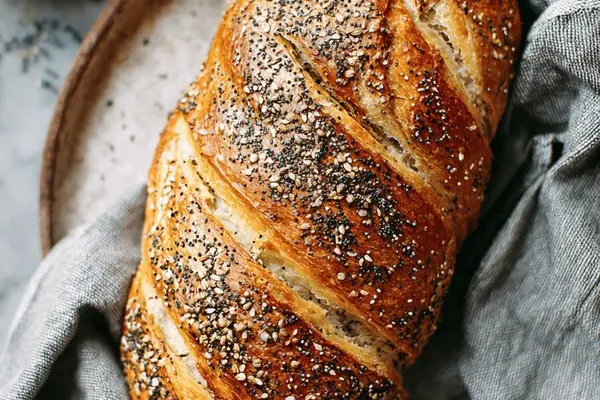
Seeded Ciabatta Twist with Olive Oil
By Emma
Certified Culinary Professional
·
Recipe tested & approved
Vegan seeded ciabatta made with sesame, chia, and fennel seeds, olive oil, and a quick levain starter. Crispy semolina crust, chewy crumb, and seed crunch in every bite.
Prep:
50 min
Cook:
20 min
Total:
1h 10min
Servings:
8 servings
Stretch the dough at the sides, flatten it out—don’t press all the air out, keep those bubbles. This is where the twist happens. Fold the long edges inward like you’re making a baguette but shorter, wider. Eight portions. Not nine, not seven. Eight.
Why You’ll Love This Seeded Ciabatta Twist
Takes an hour and ten minutes total, which sounds like a lot until you realize most of it is just waiting. You’re actually working for maybe 20 minutes. Rest the levain. Fold the dough. Shape. Done.
Seeds stay toasted and crunchy all the way through. Not soggy. Not soft. They keep their snap, which is the whole point.
Vegan if that matters to you. No dairy anywhere. The olive oil does what butter usually does.
This bread freezes ridiculously well. Pull a piece out the next day, toast it, tastes nearly like fresh. Kind of better, actually.
Works as sandwich bread or just sliced with nothing on it. Some people twist them more aggressively—makes them look fancier. Tastes the same either way.
What You Need for Homemade Ciabatta Bread
The levain is flour, water, and yeast—no starter you’ve been keeping alive for months. 105 grams flour. 110 milliliters water. Just 2 milliliters of instant yeast. That’s it. Comes together fast. Let it sit about an hour and forty minutes until it’s puffy. The surface should look bubbly. Bubbly is what you want.
Toasted sesame seeds. Three different kinds of seeds actually—sesame, chia, fennel. Each one’s 12 milliliters. Toast them if they’re not already toasted. The aroma gets punchy. If your seeds came fresh, raw is fine too.
320 milliliters water for the actual dough. 420 grams all-purpose flour. Olive oil—50 milliliters. Salt. Fine semolina or cornmeal for the bottom layer, which forms a gritty crust underneath. That’s why the bread doesn’t stick and why it sounds crispy when you tap it.
How to Make Artisan Bread with Seeds
The levain gets mixed first. Flour, water, yeast in a large bowl. Mix it hard until it’s uniform. No lumps. Cover it with a cloth and let it sit at room temperature. You’re waiting for the volume to double and the surface to get all bubbly. Usually about an hour and forty minutes, but if it’s slow, give it ten or fifteen more.
Toast the seeds in a small bowl if they need it. Actually, just combine them all together first, then decide if you want to heat them. Toasting takes maybe two minutes in a dry pan. Shakes the aroma loose.
Pour water into the levain. Whisk it—not forever, just enough to break up the big lumps. Some small ones are okay. Add the flour, olive oil, and salt. Stir with a spatula or wooden spoon for about three minutes. The dough absorbs the flour and starts looking shiny. Throw in the seed mixture. Work it in well. Cover the bowl. Rest for 25 minutes. That’s when the flour fully hydrates and the dough gets softer.
How to Get Ciabatta Bread Crispy and Open
Wet your hand. Reach into the bowl. Grab the edge of the dough and stretch it away from the center, fold it back over the pile. Rotate the bowl a quarter turn. Do this fold four times. The dough feels stronger now, smoother. Cover it again. This is the long rest—an hour and fifty minutes, or overnight in the fridge if you’re planning ahead. You’re looking for the dough to puff up slightly. It should spring back slowly if you poke it. Not bounce. Slowly.
Line a baking tray with parchment. Flip the tray upside down first. Spread semolina or cornmeal all over that parchment. Creates a gritty base layer. Stops sticking. Makes the bottom crispier.
Flour your work surface generously. Turn the dough out carefully. Don’t squash it. Dust the top with flour. Pick it up at the sides and stretch gently. Flatten it into a rough rectangle—about 45 by 28 centimeters. Don’t press it flat completely. Those bubbles are doing something. Fold the long edges inward to form a log shape. Shorter than a baguette. Wider.
Cut it into eight pieces. Space them apart on the semolina sheet. Dust the tops lightly. Cover loosely with a kitchen towel. Rest 40 to 50 minutes. The dough should inflate slightly. Light to touch. Springs back a little.
Set your oven to 245 degrees Celsius. That’s 475 Fahrenheit. Place an inverted sheet tray on the middle rack below where your bread will go. Creates a hot surface underneath. Slide the parchment and bread onto that hot tray fast. Close the door quick. Drop the oven temp to 220 degrees Celsius, 430 Fahrenheit. Listen for the crackle in the first five minutes—that’s oven spring happening. Bake 20 to 23 minutes. The loaves go golden brown. The crust turns crisp. Tap the bottom. It sounds hollow. That hollow sound tells you it’s done.
Cool the whole thing on a wire rack. The crust firms up as it cools. The crumb opens up with irregular holes. Seeds are toasty in every bite.
Seeded Ciabatta Twist Tips and Mistakes
Don’t wait for perfect levain double. If it’s barely puffed and the surface has some bubbles, that’s enough. Keep going. Waiting longer doesn’t always mean better. Sometimes it just means over-fermented.
The folds matter more than anything else in this recipe. You’re building structure without much kneading. Four folds. Four times. If you skip a fold or do it lazy, the bread spreads instead of rises. Matters.
Overnight cold proof changes things. The dough ferments slower in the fridge, which develops flavor. The crumb stays tighter too. If you go overnight, pull it out 30 minutes before shaping to let it come up to room temp slightly.
The semolina layer isn’t optional if you want that crispy bottom. Parchment alone doesn’t do it. Semolina or cornmeal. One of those.
Oven spring happens in the first five minutes. If you don’t hear crackling, your oven probably isn’t hot enough. Matters for tall bread. These are short and wide, so less critical, but still. Hot oven is better.
Seeds can be raw. Toasted. Doesn’t break anything. Just different flavor. Raw is milder. Toasted is more itself.
Seeded Ciabatta Twist with Olive Oil
Prep:
50 min
Cook:
20 min
Total:
1h 10min
Servings:
8 servings
Ingredients
- Quick Levain
- 105 g (3/4 cup) unbleached all-purpose flour
- 110 ml (1/2 cup) room temperature water
- 2 ml (1/3 tsp) instant yeast
- Dough
- 12 ml (2 1/2 tsp) toasted sesame seeds
- 12 ml (2 1/2 tsp) chia seeds
- 12 ml (2 1/2 tsp) fennel seeds
- 320 ml (1 1/3 cup) room temperature water
- 420 g (2 3/4 cups) unbleached all-purpose flour
- 50 ml (3 1/2 tbsp) olive oil
- 6 ml (1 1/4 tsp) salt
- 12 ml (2 1/2 tsp) fine semolina or cornmeal
Method
- Quick Levain
- 1 Mix flour, water, yeast vigorously in large bowl till uniform. Cover with cloth, rest at room temp about 1h40m till volume doubles and surface bubbly, bubbly = good, if not wait 10-15m more.
- Seed Mixture
- 2 Combine sesame, chia, fennel seeds in small bowl. Toast lightly if not toasted already for punchy aroma, but if seeds fresh, raw okay.
- Dough Assembly
- 3 Pour water into levain. Whisk briefly to break lumps but some lumps okay. Add flour, olive oil, and salt. Stir with spatula or wooden spoon about 3 minutes till dough absorbs flour and shiny. Throw in seed mix, incorporate well. Cover. Rest 25 minutes to hydrate.
- Stretch and Fold
- 4 Wet hand, reach in bowl, grab dough edge stretch away, fold back over dough pile. Rotate bowl quarter turn. Repeat this fold-thrust-four times. Dough feels stronger, smoother now. Cover. Rest 1h50m or refrigerate overnight if planning ahead. Look for dough puffiness not bounce back too quick.
- Prep for Baking
- 5 Line 33x46 cm baking tray upside down with parchment. Spread semolina or cornmeal evenly on paper. It forms gritty crust layer below loaves.
- Shaping
- 6 Flour workspace generously. Turn dough out carefully, no squashing. Dust dough top with flour. Pick up dough at sides, stretch gently, flatten to rough 45x28 cm rectangle. Don’t press flat, retain bubbles. Fold long edges inward to form long log shape, like baguette but shorter. Use bench scraper or knife. Cut evenly into 8 portions.
- 7 Place them spaced apart on semolina sheet. Dust tops lightly. Cover loosely with kitchen towel. Let rest 40-50 minutes. Dough should inflate slightly, light to touch, slight spring back.
- Oven Prep
- 8 Middle rack is better than center for even heat, place an inverted sheet tray on rack below to create hot surface. Preheat oven to 245 °C (475 °F).
- Baking
- 9 Slide tray with parchment and loaves onto hot inverted tray. Close door fast. Drop oven temp to 220 °C (430 °F). Listen for oven spring – audible crackling first 5 minutes. Bake 20-23 minutes till loaves golden brown, crust crisp, tap bottom and hear hollow sound.
- 10 Cool fully on wire rack. Crust should feel firm, crumb open with irregular holes, seeds toasty in each bite.
Nutritional information
Calories
230
Protein
6g
Carbs
36g
Fat
7g
Frequently Asked Questions About Vegan Ciabatta Bread Recipe
Can I make this with whole wheat flour instead of all-purpose? Whole wheat absorbs more water and the dough gets tighter. You’d need more water or less flour. It’d be a different bread. All-purpose works as written.
What if my levain doesn’t double in time? Depends on how warm your kitchen is. Cold apartments take longer. Just wait. Bubbles matter more than the timer. Once it’s bubbly and puffy, move forward.
Do I have to use all three seeds or can I pick favorites? Use what you want. Sesame alone works. Chia and fennel together. Not the same bread, but still good. Proportions stay the same.
Can these be vegan ciabatta for meal prep? Freeze them after they cool completely. They last weeks. Thaw at room temperature or toast them straight from frozen. Takes a bit longer but works fine.
Why does the recipe say to fold four times specifically? Four folds builds enough strength without overworking the dough. Three is too few. Five doesn’t add anything. It’s just the number that works.
Should the olive oil ciabatta twist be twisted more dramatically? You could fold them tighter to look fancier. Doesn’t change how they taste. Doesn’t change the crumb. Do it if you want them to look twisted. Don’t if you don’t.
You’ll Love These Too
Explore all →
Homemade Marshmallows Recipe with Honey

Coffee Orange Panna Cotta with Espresso
Jackfruit Tofu BBQ Pull with Chipotle

Lobster White Chocolate Soup with Striped Bass
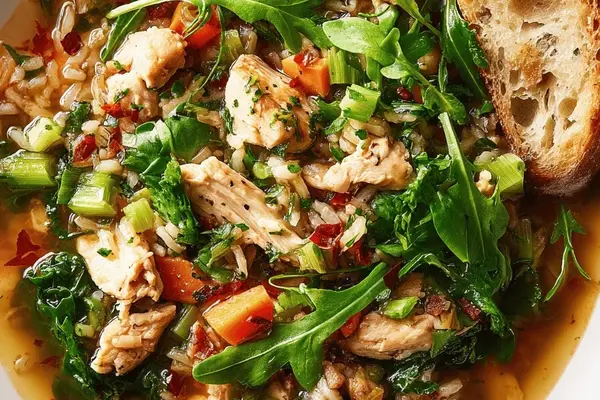
Chicken and Rice Soup with Arugula
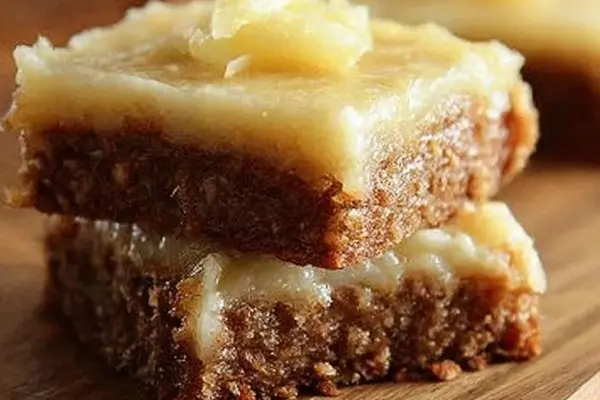
Gooey Autumn Spice Cake with Cream Cheese
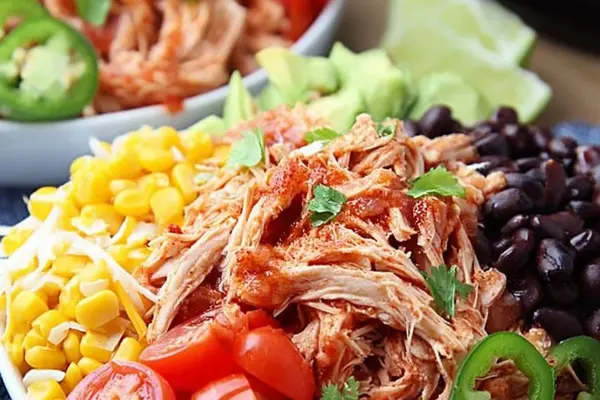
Instant Pot Salsa Chicken with Chipotle
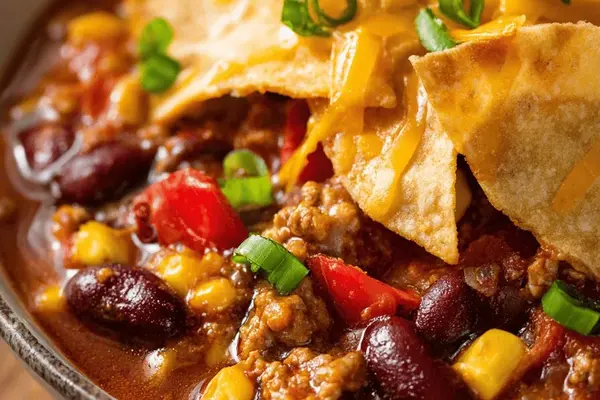
Chili Verde Recipe with Ground Pork
Hamburger Steaks with Onion Gravy

Lemon Drop Martini with Lemon Vodka
Quinoa Chicken Salad with Lemon & Feta
Raspberry Hazelnut Smoothie Recipe
Foie Gras Appetizer with White Wine
Olive Oil Orange Rosemary Muffins
Chicken Enchilada Recipe with Spinach

Grapefruit Cocktail with Elderflower Tonic
Cilantro Lime Rice Pilaf with Smoked Paprika
Gluten-Free Tuna Fritters with Corn Masa
Sweetbreads of Veal with Duck Fat